
Why Should FMCG Procurement Managers Evaluate Pallet Inverter ROI Before Purchase?
Manual pallet handling in fast-moving consumer goods (FMCG) warehouses can be a constant source of headaches. You are likely dealing with slow operations, frequent product damage, and serious safety risks for your team. These problems do more than just slow things down; they hit your bottom line hard, cause costly delays, and can even lead to losing valuable customers. Are you finding yourself constantly fighting fires, just trying to keep your warehouse running smoothly?
FMCG procurement managers must evaluate pallet inverter ROI before purchase because it transforms operational efficiency, enhances workplace safety, and significantly reduces long-term labor and compliance costs. A thorough ROI analysis reveals the true financial benefits of automation. It goes beyond simple machine costs to encompass improved throughput, reduced product damage, and avoidance of penalties. This ensures a smart, justified investment for your European or global distribution centers.
I have seen many companies struggle with these exact issues throughout my journey in the packing machine industry. From my own experience building packing machine factories, I learned that understanding the real value of a machine goes beyond its price tag. It is about solving problems and helping businesses grow. Let us break down why this evaluation is so critical for managers like you, focusing on the core challenges I know you face daily in your demanding environment.
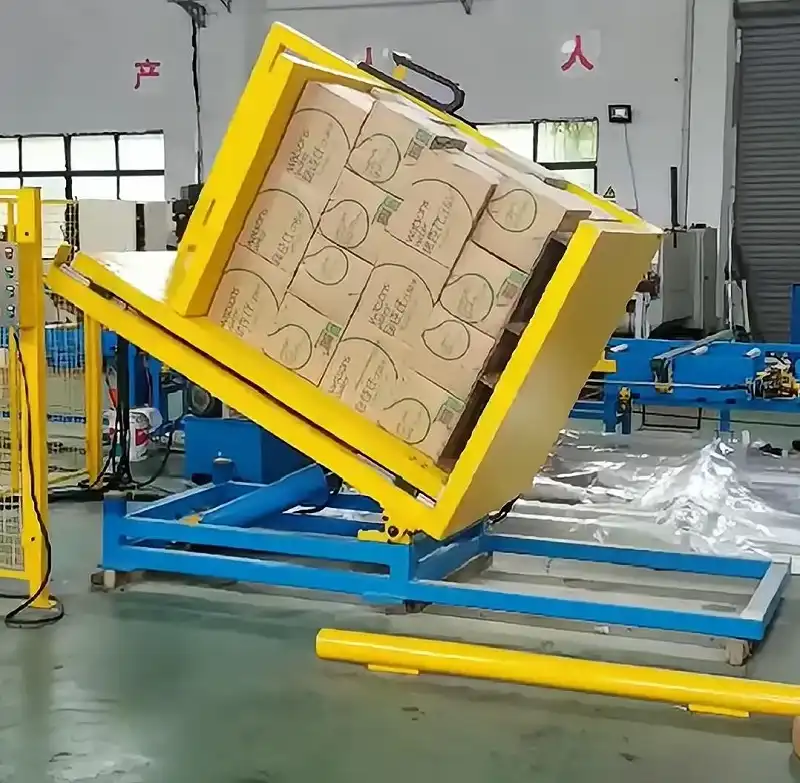
Is manual pallet switching still a viable option for modern FMCG operations?
Your team probably spends countless hours every day manually changing pallets. It could be from Euro pallets to American standard pallets, or from wooden pallets to hygienic plastic ones. This is a never-ending task, especially in international logistics.
For modern FMCG operations, manual pallet switching is increasingly unviable due to its inherent inefficiencies, high labor costs, and inability to meet rapid delivery demands. It creates bottlenecks, increases the risk of human error, and limits throughput. This makes automated pallet inverters a necessity for maintaining a competitive edge and operational agility in European logistics and global supply chains.
My years in this industry taught me that time is money. Manual pallet changing is a huge time sink. It often creates bottlenecks right at the most critical points in your distribution center. This is especially true for companies in Europe, like Carlos’s group in Spain, where you deal with varied pallet specifications daily for exports. Think about it: every minute spent manually moving product from one pallet type to another is a minute your goods are not moving towards your customer. This directly impacts your ability to meet those ever-tighter delivery schedules that ecommerce and retail clients now demand. The cost of labor is another big factor. Young people are less willing to do strenuous, repetitive lifting and moving. This makes finding and keeping a stable workforce difficult. Even when you have the staff, the human element means mistakes happen. A misplaced box or a damaged product during a manual switch adds to your costs and delays.
Consider these aspects:
- Efficiency Degradation and Bottlenecks 🐢:
- Manual processes slow down the entire warehouse flow. This creates choke points where goods wait, delaying onward shipment.
- Each manual transfer takes longer than a machine can do it. This reduces the number of pallets you can process per hour or per day.
- This lack of speed directly impacts your ability to process high volumes, which is typical for FMCG.
- Rising Labor Costs and Availability 💸:
- Labor costs continue to climb across Europe and globally. Relying on manual work for pallet changes becomes more expensive every year.
- Finding people willing to do physically demanding work is getting harder. This leads to staff shortages and higher wages to attract workers.
- Automating this task frees up your existing staff. They can focus on more value-added activities, improving overall productivity.
- Meeting Customer Expectations 🚀:
- Today’s customers, whether B2B or B2C, expect faster delivery times. Amazon has set a new standard.
- Slow internal processes, like manual pallet switching, directly hinder your ability to meet these expectations. This can lead to contract penalties or, even worse, losing clients to competitors.
- An automated system ensures consistent, rapid pallet changes. This supports a quicker supply chain from your warehouse floor all the way to the customer’s doorstep.
- Addressing Diverse Pallet Standards 🌍:
- For international operations, especially in Europe, the need to switch between Euro pallets, US pallets, and specialized plastic pallets is constant.
- Manual methods are cumbersome and prone to error when dealing with these different dimensions and weights.
- Pallet inverters can quickly adapt to multiple pallet types. This ensures compliance with various import/export regulations and client requirements without slowing down.
How do pallet inverters turn safety risks into tangible savings?
Manual pallet handling is dangerous. Accidents, injuries, and damaged goods are not just statistics you read about; they are real, painful incidents that affect your team members directly. These incidents cause suffering and create huge problems for your business.
Pallet inverters transform safety risks into tangible savings by eliminating manual, high-risk tasks like lifting and tipping, drastically reducing worker injuries and product damage. This leads to lower insurance premiums, fewer compensation claims, and improved staff morale. It provides a clear return on investment through reduced incident-related costs and enhanced operational continuity for FMCG warehouses.
In my experience, worker safety is paramount. I have seen firsthand the devastating impact an accident can have. It is not just about the medical costs or potential lawsuits, though those are significant. An injured worker means lost productivity, disruption to your operations, and a drop in team morale. Manual pallet changing, especially with heavy FMCG products, involves a lot of lifting, twisting, and bending. This puts workers at risk for back injuries, crushing injuries from falling loads, or even being hit by forklifts in busy transfer zones. When you replace these hazardous manual steps with a machine, you remove the human element from the danger zone. This single change drastically reduces the chance of accidents. This, in turn, can lead to lower insurance premiums over time. It also means fewer compensation claims, and a safer workplace fosters happier, more productive employees.
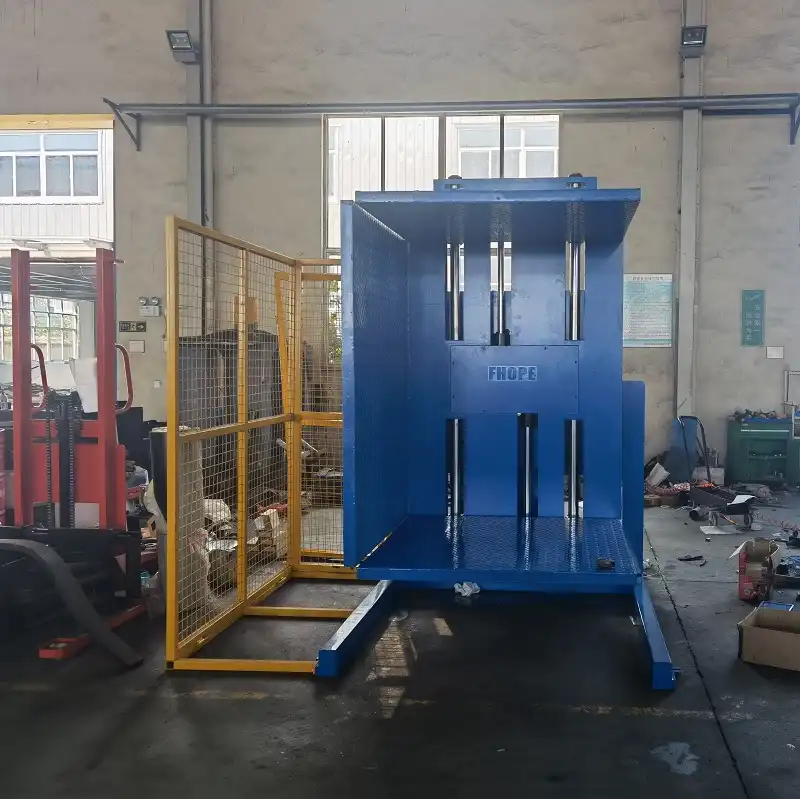
Let us look at how this translates:
- Eliminating Direct Accident Risks 🚫:
- Manual pallet transfers often involve lifting heavy stacks, tilting pallets, or physically moving goods. These actions carry high risks of muscle strains, sprains, and back injuries.
- Accidents can lead to more severe outcomes, such as crushing injuries if a pallet shifts or falls.
- Pallet inverters perform these actions mechanically. This keeps workers clear of heavy loads and dangerous movements, greatly reducing the potential for harm.
- Reducing Product Damage 📦:
- When humans manually transfer goods, especially fragile FMCG items, mistakes happen. Items can fall, get crushed, or be damaged during the handling process.
- Damaged goods mean financial losses. This includes the cost of the product itself, plus any reprocessing or disposal costs.
- Automated pallet inverters handle goods consistently and gently. This significantly lowers the rate of product damage, preserving your inventory’s value.
- Lowering Operational Costs 💰:
- Worker injuries lead to direct costs like medical expenses, worker compensation claims, and potential legal fees.
- There are also indirect costs: lost productivity from the injured worker, disruption to the team, and time spent on accident investigations.
- By preventing accidents, pallet inverters save your business money on all these fronts. This makes them a smart financial investment in the long run.
- Improving Compliance and Morale 😊:
- Regulatory bodies have strict safety standards for warehouse operations. Automated solutions help you meet these standards more easily.
- A safer workplace directly improves employee morale and retention. Workers feel valued and protected, which leads to a more positive and productive environment.
- Investing in safety shows that your company cares. This strengthens your reputation as a responsible employer.
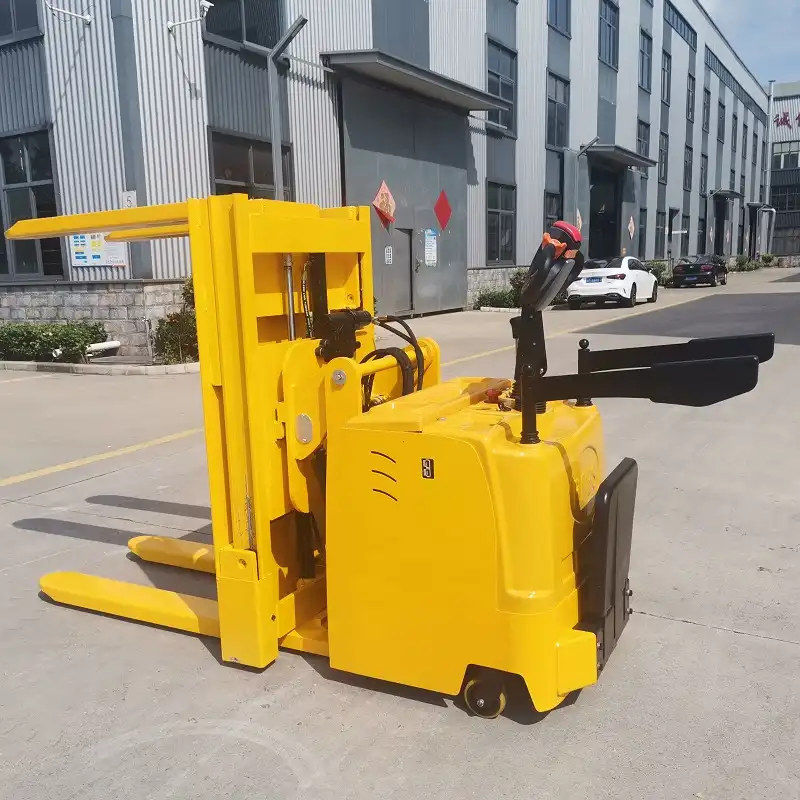
Can automation truly accelerate your supply chain and satisfy demanding customers?
Your customers expect faster, more accurate deliveries today than ever before. If your current pallet handling speed is holding you back, then you are falling behind. This creates serious problems for your business.
Automation, specifically with pallet inverters, truly accelerates the FMCG supply chain by streamlining pallet exchange processes, significantly reducing cycle times, and improving overall throughput. This allows companies to meet demanding customer expectations for faster delivery, maintain high service levels, and gain a competitive edge in the European market by ensuring timely and accurate order fulfillment.
In my journey helping businesses optimize their packing and handling, I have repeatedly seen how automation transforms a sluggish supply chain into a lean, fast-moving operation. Carlos, in his role overseeing a regional distribution center in Europe, understands this pressure well. The need for faster delivery cycles from ecommerce and retail customers is real. A pallet inverter cuts down the time it takes to switch pallets from minutes to seconds. This might seem small for one pallet, but multiply that by thousands of pallets daily, and you see massive time savings. This means your goods spend less time waiting in the warehouse and more time moving toward their destination. Less manual handling also means fewer errors. This leads to higher order accuracy, which is crucial for customer satisfaction. When customers get exactly what they ordered, on time, their trust in your brand grows. This is not just about keeping up; it is about getting ahead.
Let us explore these benefits:
- Enhanced Throughput and Cycle Times ⚡:
- Automated pallet inverters process pallets much faster than manual methods. This significantly increases the volume of goods you can handle in a given period.
- Reduced cycle times mean goods move through the pallet exchange station quickly. This prevents bottlenecks and keeps the entire logistics chain flowing smoothly.
- For high-volume FMCG operations, this speed is critical for keeping up with demand peaks and daily operational needs.
- Improved Order Accuracy and Quality ✅:
- Automated systems perform repetitive tasks with precision. This reduces the human error factor that often leads to incorrect pallet types or damaged goods.
- Consistent and gentle handling by machines protects product integrity. This minimizes spoilage or damage that could occur during manual transfers.
- Higher accuracy directly translates to fewer customer complaints, fewer returns, and a better reputation for reliable service.
- Greater Flexibility for Diverse Needs 🔄:
- Modern pallet inverters can handle a wide variety of pallet types, sizes, and weights. This is essential for operations dealing with international shipments, such as Euro pallets, US pallets, and various plastic options.
- They allow for quick adaptation to changing customer or regulatory requirements without significant operational pauses.
- This flexibility ensures that your warehouse can respond dynamically to market demands. This keeps your supply chain agile and responsive.
- Boosting Customer Satisfaction and Competitive Edge ⭐:
- Faster and more accurate deliveries directly contribute to higher customer satisfaction. Meeting or exceeding delivery expectations builds strong client relationships.
- By optimizing your internal processes, you gain a competitive advantage. You can offer better service, faster turnaround times, and more reliable delivery promises than competitors still relying on slower, manual methods.
- This proactive approach to automation helps secure long-term contracts and expands your market presence. It ensures your business remains a leader, not just a follower.

Why is a trusted partner more valuable than just a pallet inverter machine?
You need a pallet inverter, but choosing the right one can be overwhelming. Many vendors just want to sell you a piece of equipment. They do not truly understand your specific challenges.
A trusted partner provides more value than just a pallet inverter machine because they offer comprehensive support, tailored solutions, and deep industry expertise, ensuring optimal integration and long-term operational success. This partnership approach minimizes risks, maximizes ROI through proactive maintenance and upgrades, and adapts to evolving FMCG logistics needs, unlike a transactional vendor who only sells equipment.
When I founded FHOPEPACK, my vision was always about building relationships, not just selling machines. As an engineer who worked my way up, I know that a machine is only as good as the support behind it. For an FMCG procurement manager like Carlos, buying a pallet inverter is a significant investment. You need to know that your supplier is more than just a seller; they need to be a partner. This means they should offer more than just the equipment. They must provide expert installation, thorough training for your team, and reliable maintenance. This ensures your new system works flawlessly and continues to perform year after year. A true partner will take the time to understand your unique warehouse layout, your specific pallet types, and your operational goals. They will offer tailored solutions, not just off-the-shelf products. This partnership is key to minimizing downtime, maximizing the life of your equipment, and achieving the best possible ROI.
Consider these aspects:
- Comprehensive Support Beyond the Sale 🛠️:
- A true partner offers full support, which includes professional installation and calibration of the pallet inverter. This ensures it integrates seamlessly into your existing workflow.
- They provide in-depth training for your operators and maintenance staff. This empowers your team to use and maintain the equipment effectively and safely.
- After-sales service, including readily available spare parts and technical support, is crucial. This minimizes downtime and keeps your operations running smoothly.
- Tailored Solutions for Specific Needs ✨:
- Every warehouse has unique requirements. A good partner does not offer a one-size-fits-all solution. They work to understand your specific pallet dimensions (Euro, US, plastic), your product types, and your operational volume.
- They can customize the pallet inverter to fit your exact space and integrate with other machinery, like conveyors or wrapping machines.
- This personalized approach ensures you get a solution that truly addresses your pain points and optimizes your specific processes.
- Deep Industry Expertise and Insight 🧠:
- A trusted partner brings years of industry knowledge and experience to the table. They understand the nuances of FMCG logistics and pallet handling challenges.
- They can offer valuable insights and best practices. This helps you optimize your overall warehouse efficiency, not just the pallet changing process.
- This expertise is vital for long-term strategic planning. It helps you anticipate future needs and technology advancements.
- Building a Long-Term Relationship 🤝:
- A partnership focuses on continuous improvement and mutual growth. Your supplier should be invested in your success over the long haul.
- This means they are there for future upgrades, modifications, or when you need to expand your operations.
- This relationship provides peace of mind. You know you have a reliable resource to turn to, which is far more valuable than simply buying a machine and being left to figure things out on your own.
Conclusion
Evaluating the ROI of a pallet inverter is not just about numbers; it is about securing a smarter future for your FMCG operations. It means boosting efficiency, enhancing safety, cutting costs, and keeping your customers happy. Make sure you partner with someone who truly understands your needs.








