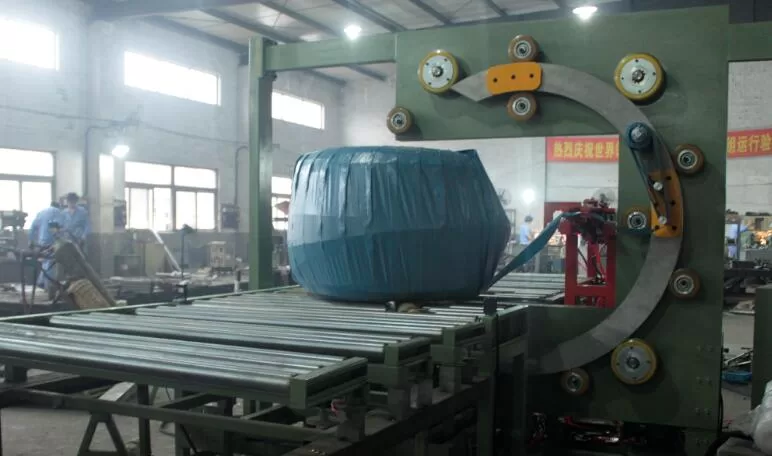
# 10 Questions to Ask Before Purchasing a Coil Packaging SystemBefore investing in a coil packaging system, it’s critical to ask the right questions. Understanding your production volume, coil specifications, automation needs, and budget constraints, alongside assessing system reliability, costs, and supplier support, will ensure you choose a system that maximizes efficiency, minimizes downtime, and delivers a strong return on investment. Asking these key questions upfront is essential for making an informed decision and avoiding costly mistakes. Purchasing a coil packaging system is a significant investment that can greatly impact your operational efficiency and bottom line. To ensure you select the right system for your specific needs and avoid potential pitfalls, it’s crucial to ask the right questions before making a purchase. This guide outlines ten essential questions to consider, helping you make an informed decision and secure a coil packaging system that drives productivity and profitability.
1. What are Your Specific Operational Requirements?
Understanding your unique operational needs is the foundational step in choosing the correct coil packaging system. A system that works well for one facility might be entirely unsuitable for another. Therefore, a detailed assessment of your specific requirements is paramount. Consider these key aspects of your operation:
- Production Volume: How many coils do you need to package daily or weekly? High-volume operations demand systems with high throughput capabilities to prevent bottlenecks and maintain production schedules. For instance, facilities processing thousands of coils per day require machines designed for rapid and continuous operation.
- Coil Size and Weight: What are the dimensions and weight ranges of the coils you handle? Coil packaging systems are designed with varying capacities to manage different coil sizes and weights. Selecting a system that aligns with your coil specifications is crucial to prevent damage and ensure safe handling.
- Integration with Existing Processes: How will the new system integrate with your current production line? Seamless integration is vital for maintaining workflow efficiency. Consider the physical space available, compatibility with existing machinery, and potential infrastructure adjustments needed for installation.
- Desired Level of Automation: To what extent do you want to automate your packaging process? Options range from semi-automated systems that require manual intervention to fully automated lines that minimize labor and maximize consistency. Your choice will depend on factors like labor costs, desired throughput, and budget.
-
Safety Standards and Compliance: Does the system meet all relevant industry safety standards? Safety is non-negotiable. Ensure the system includes features like emergency stops, safety guards, and complies with regulations to protect operators and create a safe working environment. By thoroughly evaluating these operational aspects, you can define your specific needs and ensure the coil packaging system you choose is perfectly tailored to your facility. Factor Considerations Production Volume Throughput rate, peak capacity handling, scalability Coil Size & Weight Max coil dimensions, weight capacity, handling mechanisms Integration Space needs, compatibility, ease of installation Automation Level of automation, control systems, user interface Safety Standards Regulatory compliance, safety features, training 2. How Reliable and Efficient is the System?
Reliability and efficiency are the cornerstones of a productive coil packaging system. A system that frequently breaks down or operates inefficiently can lead to significant delays, increased costs, and missed deadlines. To assess reliability and efficiency, consider these points:
- Build Quality: What materials are used in the system’s construction? High-quality components and robust construction are indicators of durability and longevity. A system built to last will minimize wear and tear, reducing the frequency of repairs and extending its operational life.
- Automation Capabilities and Technology: Does the system utilize advanced automation technologies? Modern systems with sophisticated automation features can operate faster and more consistently, reducing errors and increasing throughput. Look for features like programmable logic controllers (PLCs) and user-friendly human-machine interfaces (HMIs).
- Maintenance Requirements and Accessibility: How easy is it to maintain the system? Systems designed for easy maintenance, with readily accessible parts and clear maintenance protocols, minimize downtime. Regular, straightforward maintenance keeps the system running smoothly and prevents major breakdowns.


-
Integration Capabilities: How seamlessly does it integrate with your existing systems? A system that integrates smoothly with your current workflow minimizes disruptions and streamlines operations. Compatibility with existing machinery and software systems is crucial for overall efficiency. Investing in a reliable and efficient coil packaging system is an investment in consistent performance, reduced downtime, and enhanced productivity, all contributing to a stronger bottom line. Factor Description Impact on Efficiency Build Quality High-grade materials and robust construction for longevity. Reduces downtime & maintenance costs Automation Advanced features for faster, consistent packaging. Increases production speed & reliability Maintenance Easy access to parts & user-friendly protocols. Minimizes maintenance time & labor costs System Integration Compatibility with existing machinery & software. Streamlines operations & reduces integration time 3. What are the Total Costs of Ownership?
Understanding the total costs associated with a coil packaging system goes beyond the initial purchase price. A comprehensive cost analysis is essential for budgeting accurately and evaluating the return on investment (ROI). Consider these cost categories:
- Initial Purchase Price: This is the upfront cost of the machine itself. Prices can vary widely based on system complexity, automation level, and manufacturer.
- Installation and Setup Costs: Factor in expenses for installation, including any necessary modifications to your facility, electrical work, and initial setup and calibration.
- Maintenance Costs: Budget for ongoing maintenance, including routine servicing, preventative maintenance, and potential repairs. Inquire about service contracts and the availability of spare parts.
- Operational Costs: Account for day-to-day operating expenses such as energy consumption, consumable packaging materials (wrapping film, strapping), and labor costs if the system is not fully automated.
-
Training Costs: Include the cost of training operators to use and maintain the new system effectively. Proper training is crucial for both efficiency and safety. By considering all these cost elements, you can get a clear picture of the total financial commitment and accurately calculate the ROI of your coil packaging system investment. Cost Category Details Estimated Cost Purchase Price Machine cost, additional equipment. $50,000 – $150,000+ Installation & Setup Installation, configuration expenses. $5,000 – $20,000+ Maintenance Fees Regular maintenance, repairs (annual). $2,000 – $10,000+ annually Operational Costs Energy, consumables, daily operating costs (annual). $1,000 – $5,000+ annually 4. What Types of Coils Can the System Handle?
Coil specifications vary widely across industries. It’s crucial to ensure the packaging system you choose can accommodate the specific types and dimensions of coils you handle. Consider these factors related to coil types:
- Material Compatibility: Can the system handle coils made of different materials, such as steel, aluminum, or copper? Different materials may require specific handling and wrapping techniques.
- Dimension Flexibility: What range of coil diameters, widths, and thicknesses can the system accommodate? Ensure the system’s adjustable settings can handle the variety of coil sizes in your production line.
- Weight Capacity: What is the maximum weight the system can safely handle? Overloading a system beyond its capacity can lead to damage and safety hazards.
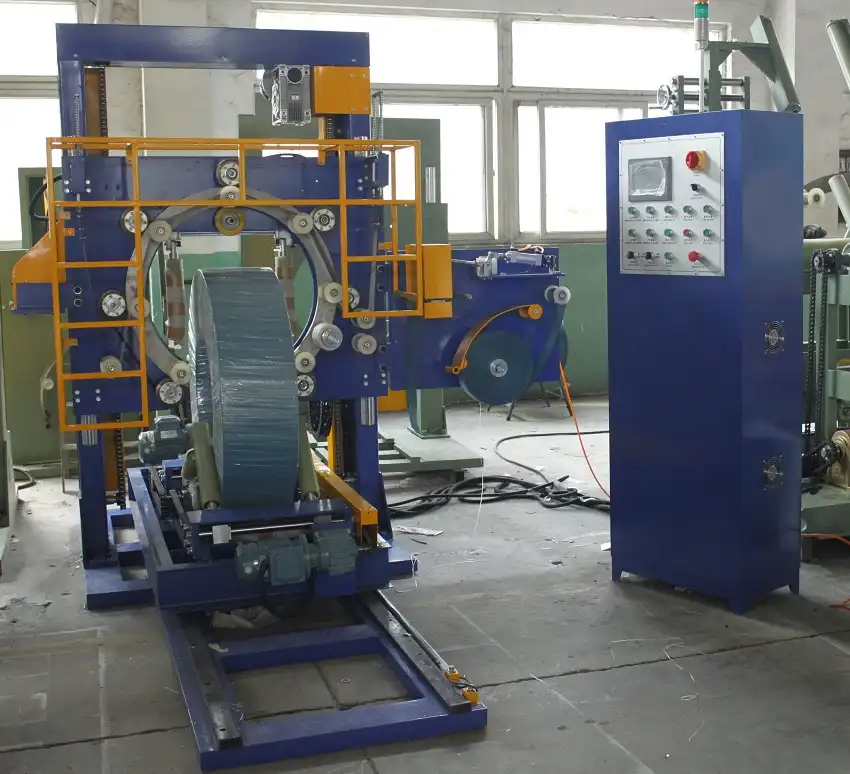

- Fragile or Delicate Coils: If you handle coils that are easily damaged, does the system have features to prevent scratches, dents, or other forms of damage during packaging? Look for systems with gentle handling mechanisms and protective wrapping capabilities.
Confirming that the system is designed to handle your specific coil types ensures efficient and damage-free packaging, protecting product quality and minimizing waste.
5. What Level of Automation is Offered and Needed?
Automation is a key driver of efficiency and cost reduction in coil packaging. Determining the appropriate level of automation for your operation is crucial for maximizing benefits. Consider these automation levels:
- Fully Automated Systems: These systems handle the entire packaging process from coil loading to stacking with minimal manual intervention. They offer the highest throughput, consistency, and reduced labor costs, but typically require a larger upfront investment.
- Semi-Automated Systems: These systems automate key packaging stages like wrapping and strapping but may require manual coil loading or unloading. They offer a balance between automation benefits and cost-effectiveness, suitable for mid-volume operations.
- Manual and Semi-Manual Systems: These systems rely heavily on manual operation with limited automated features. They are generally less expensive upfront but require more labor and may have lower throughput.
Evaluate your production volume, labor costs, budget, and desired level of efficiency to determine the optimal level of automation for your coil packaging system.
6. What Safety Features are Included?
Safety is paramount in any industrial environment, and coil packaging systems are no exception. A robust system should incorporate multiple safety features to protect operators and prevent accidents. Essential safety features to look for include:
- Emergency Stop Buttons: Strategically located emergency stops allow immediate shutdown of the system in case of malfunctions or emergencies.
- Safety Guards and Barriers: Physical barriers and guards protect operators from moving parts and hazardous areas of the machine.
- Sensor-Based Safety Systems: Sensors can detect obstructions or the presence of personnel in hazardous zones, automatically stopping the system to prevent accidents.
- Light Curtains and Safety Scanners: These advanced safety devices create protective zones around the machine, halting operation if someone enters the zone.
- Interlocks: Safety interlocks prevent operation if safety doors or guards are not properly closed or in place.
Prioritize systems with comprehensive safety features to create a safe working environment and comply with safety regulations, reducing the risk of workplace accidents and injuries.
7. What are the Maintenance and Service Requirements?
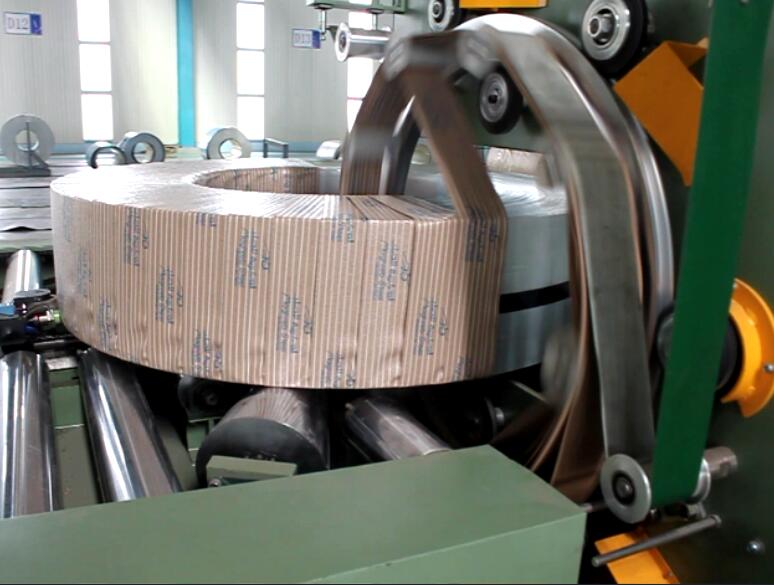

Regular maintenance is essential for ensuring the long-term performance and reliability of any coil packaging system. Understanding the maintenance requirements and available service support is crucial for minimizing downtime and maximizing system lifespan. Inquire about:
- Routine Maintenance Procedures: What daily, weekly, and monthly maintenance tasks are required? Are these tasks easy to perform by in-house staff, or do they require specialized technicians?
- Preventative Maintenance Schedules: Does the manufacturer provide recommended preventative maintenance schedules? Following these schedules can help identify and address potential issues before they lead to breakdowns.
- Spare Parts Availability: Are spare parts readily available and reasonably priced? Quick access to spare parts minimizes downtime in case of repairs.
- Technical Support and Service Agreements: Does the manufacturer offer technical support, troubleshooting assistance, and service agreements? Reliable support is crucial for resolving issues quickly and efficiently.
- Remote Diagnostics: Do they offer remote diagnostic capabilities? Advanced systems with remote diagnostics can allow manufacturers to troubleshoot issues remotely, reducing the need for on-site visits and minimizing downtime.
Choose a system from a manufacturer that provides comprehensive maintenance documentation, readily available parts, and reliable technical support to ensure the longevity and consistent performance of your investment.
8. What is the Supplier’s Reputation and Support?
The reputation and reliability of the coil packaging system supplier are just as important as the machine itself. A reputable supplier will provide quality equipment, reliable support, and stand behind their products. Consider these factors when evaluating suppliers:
- Industry Experience and Track Record: How long has the supplier been in the coil packaging industry? Do they have a proven track record of delivering reliable systems?
- Customer References and Testimonials: Can the supplier provide customer references or testimonials? Speaking with existing customers can provide valuable insights into their experience with the supplier and their equipment.
- Financial Stability: Is the supplier financially stable? Choosing a stable supplier ensures they will be around to provide ongoing support and honor warranties.
- Technical Expertise and Support Capabilities: Does the supplier have a knowledgeable technical team and a responsive customer support system? Assess their ability to provide training, installation assistance, and ongoing technical support.
- Warranty and Service Agreements: What type of warranty do they offer? Are service agreements available to cover maintenance and repairs?
Selecting a reputable and reliable supplier is essential for a smooth purchasing process, reliable equipment performance, and ongoing support throughout the system’s lifecycle.
9. Can the System be Customized or Scaled?
Your operational needs may evolve over time. Choosing a coil packaging system that offers flexibility and scalability ensures it can adapt to future changes and growth.
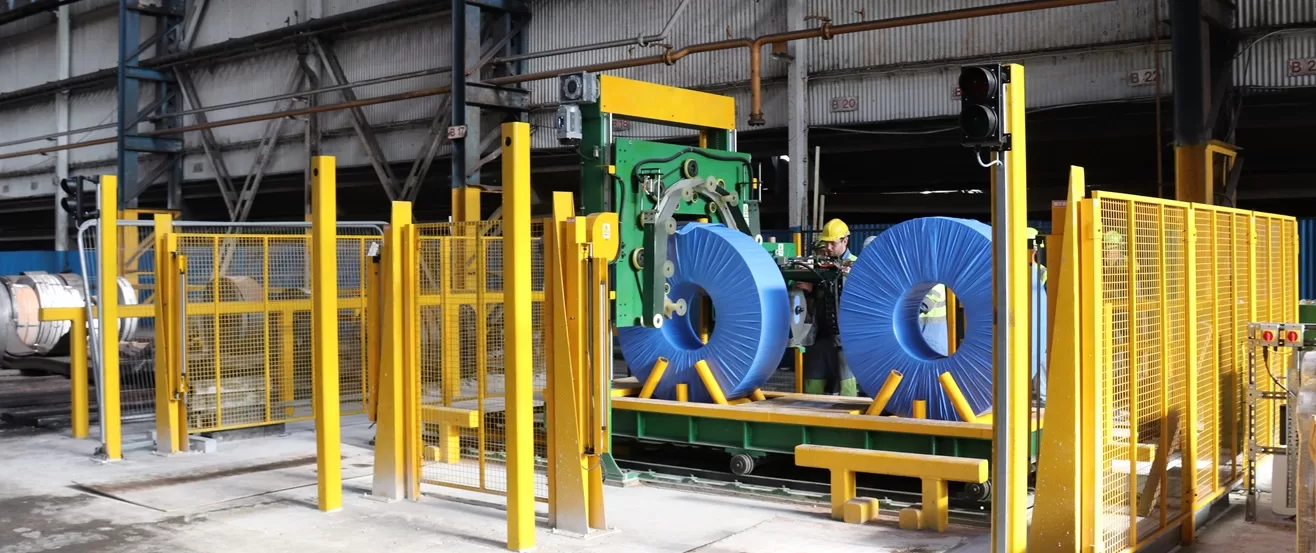

Consider these aspects of customization and scalability:
- Modular Design: Does the system have a modular design that allows for easy reconfiguration or expansion? Modular systems can be adapted to changing production layouts or increased capacity requirements.
- Adjustable Settings: Are system parameters like wrapping tension, strapping force, and stacking configurations adjustable to accommodate different coil types and packaging requirements?
- Integration with Future Upgrades: Is the system designed to be compatible with future upgrades or add-ons, such as new automation technologies or additional packaging modules?
- Scalability for Increased Production: Can the system be scaled up to handle higher production volumes in the future? Consider whether additional modules can be added or if the system can be easily integrated into a larger, more automated line.
Choosing a system with flexibility and scalability protects your investment and ensures it can continue to meet your needs as your business grows and evolves.
10. What are the Environmental and Energy Efficiency Considerations?
In today’s environmentally conscious world, considering the environmental impact and energy efficiency of your coil packaging system is increasingly important. Evaluate these environmental factors:
- Energy Consumption: How energy-efficient is the system? Look for systems with energy-saving features like efficient motors, drives, and optimized control systems to reduce operating costs and environmental footprint.
- Packaging Material Waste: Does the system minimize packaging material waste? Efficient wrapping and strapping mechanisms can reduce material consumption.
- Recyclable Packaging Materials: Can the system utilize recyclable or biodegradable packaging materials? Using environmentally friendly materials reduces waste and supports sustainability goals.
- Noise Levels: Are noise levels within acceptable limits for operator comfort and compliance with regulations? Consider systems designed to minimize noise pollution. Choosing an environmentally conscious and energy-efficient coil packaging system not only reduces your operational costs but also aligns with corporate sustainability initiatives and enhances your company’s environmental responsibility. By asking these ten critical questions, you can navigate the complexities of purchasing a coil packaging system and make a well-informed decision that aligns with your operational needs, budget, and long-term business goals. This proactive approach ensures you invest in a system that enhances efficiency, minimizes downtime, and delivers a strong return on investment, contributing to your overall success in the competitive coil processing industry.