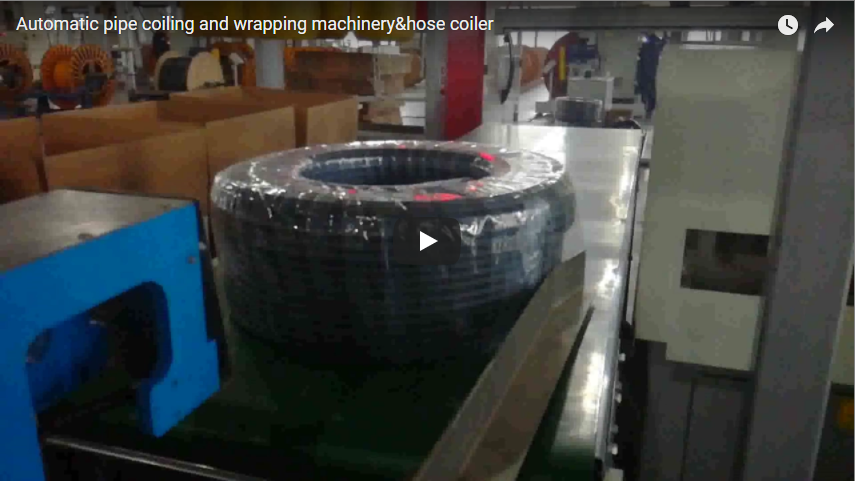
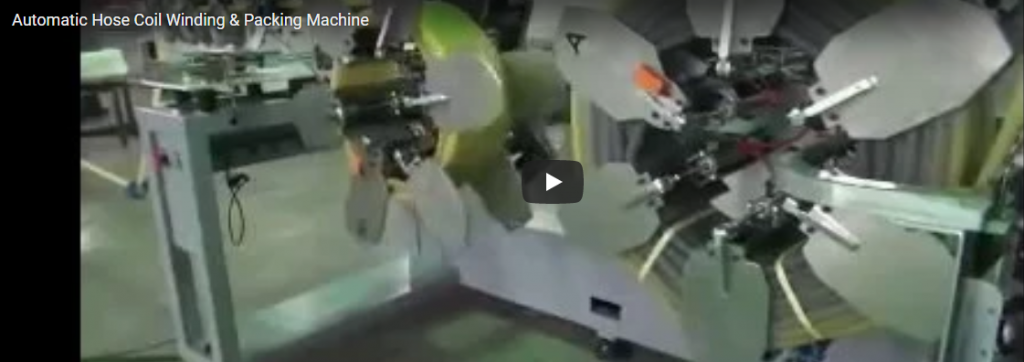
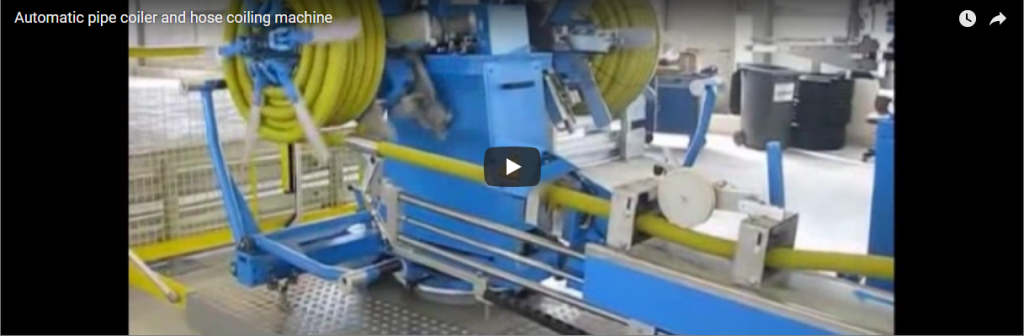
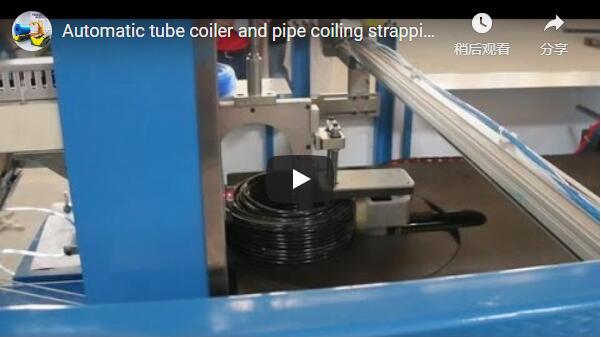
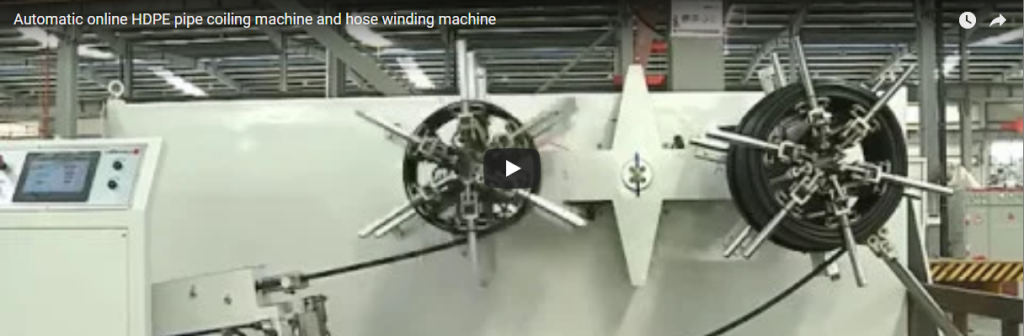
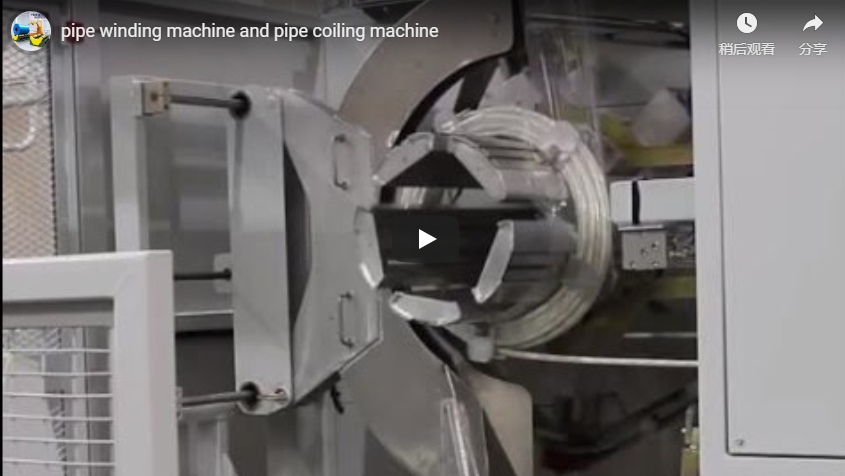
บทสรุปสำหรับผู้บริหารวิดีโอนี้แสดงให้เห็นเครื่องม้วนท่ออัตโนมัติเต็มรูปแบบที่ม้วนท่ออ่อนสีเหลืองให้เป็นม้วนแน่นและสม่ำเสมอโดยไม่มีผู้ควบคุมสัมผัสผลิตภัณฑ์ ภาพในวิดีโอครอบคลุมการป้อนผ่านลูกกลิ้งนำทาง การม้วนด้วยความเร็วสูงบนรีลหมุนหลายแขน การหนีบและการกดลงด้านบนเพื่อให้ได้ม้วนที่เสร็จสมบูรณ์อย่างมั่นคง และแผ่นป้องกันความปลอดภัยแบบตาข่ายรอบพื้นที่ทำงาน ข้อมูลจำเพาะ ความเร็ว และรายละเอียดการรัดไม่แสดงในวิดีโอ — โปรดตรวจสอบข้อมูลเหล่านั้นกับผู้ผลิต
เหตุใดวิดีโอนี้จึงมีความสำคัญต่อผู้ซื้อ
หากคุณม้วนสายยาง ท่อ หรือท่อโลหะด้วยมือ คุณคงทราบดีถึงปัญหาต่างๆ เช่น ขดที่ไม่สม่ำเสมอ ปวดหลัง และขั้นตอนการบรรจุภัณฑ์ที่ไม่ทันกับปริมาณการผลิต วิดีโอนี้คุ้มค่าแก่การดูอย่างใกล้ชิด เพราะมันแสดงให้เห็นตั้งแต่ต้นจนจบว่าเครื่องม้วนอัตโนมัติจัดการงานทั้งหมดได้อย่างไร — การป้อน การม้วน การบีบอัด และการเก็บรักษาขดที่เสร็จแล้ว — โดยไม่มีมือมนุษย์อยู่ในเฟรมเลย
วิดีโอมีความยาวประมาณหนึ่งนาทีเศษ เป็นภาพต่อเนื่องไม่มีการจัดฉากแยกส่วน คุณสามารถดูขั้นตอนการม้วนลวดจากท่อหลวมๆ ไปจนถึงการม้วนที่แน่นและคงรูปด้วยเครื่องอัดได้ ทำให้เป็นข้อมูลอ้างอิงที่มีประโยชน์เมื่อคุณเปรียบเทียบเครื่องม้วนลวดจากผู้ผลิตรายใดก็ตาม: ขอให้ผู้ผลิตแต่ละรายแสดงลำดับขั้นตอนเดียวกันนี้กับผลิตภัณฑ์ของคุณ
สิ่งที่วิดีโอแสดง
ภาพวิดีโอแสดงลำดับเหตุการณ์ต่อเนื่องกัน ต่อไปนี้คือลำดับเวลาโดยอิงจากการวิเคราะห์เฟรมต่อเฟรม:
| เวลา | จะเกิดอะไรขึ้น |
|---|---|
| ~0–9 วินาที | ภาพถ่ายด้านข้างของเครื่องจักรในท่านิ่ง ม้วนสายสีเหลืองขนาดใหญ่หยุดนิ่ง แขนหนีบอยู่ในตำแหน่งเริ่มต้น และมองเห็นพื้นโรงงานอยู่ด้านหลัง |
| ~12–15 วินาที | การเคลื่อนไหวเริ่มต้นขึ้น ชิ้นส่วนนำทาง/ป้อนสีส้มทางด้านซ้ายจะแกว่งเล็กน้อย แขนหนีบตรงกลางจะเคลื่อนเข้าหาบริเวณรอก |
| ~18–21 วินาที | แขนโลหะหลายอันยื่นออกไปในแนวรัศมีเข้าสู่ศูนย์กลางของม้วนฟิล์ม forming a star shape grip to hold the tube. บล็อกรองรับสีอ่อนสองอันวางอยู่บนรางลำเลียงด้านล่าง |
| ~24–33 วินาที | ม้วนเทปหมุนด้วยความเร็วสูง ท่อสีเหลืองถูกดึงเข้ามาและพันแน่นรอบศูนย์กลางเป็นชั้นๆ แขนหนีบยึดแรงดันไว้ขณะที่กล้องแพนผ่านบริเวณที่กำลังพันเทป |
| ~36–42 วินาที | ประตูนิรภัยแบบตาข่ายเปิดอยู่ (หรือกำลังเปิด) เผยให้เห็นชุดม้วนสายและชุดหนีบที่กำลังทำงานอยู่ภายใน ไม่มีผู้ปฏิบัติงานเข้าไปในกรอบนั้น |
| ~45–72 วินาที | การทำงานอย่างต่อเนื่อง: สายยางสีเหลืองไหลจากด้านซ้ายผ่านลูกกลิ้งนำทางสีขาวประมาณสี่ตัว โค้งงอเข้าสู่แกนหมุน และเส้นผ่านศูนย์กลางของขดลวดจะเพิ่มขึ้นอย่างต่อเนื่อง |
| ~ 75s | ม้วนสายเกือบเต็มแล้ว กลไกการหนีบ/จัดตำแหน่งแบบใช้กระบอกสูบและตัวเลื่อนจะปิดเข้าด้านในเพื่อล็อคแกนขดลวด มองเห็นแผ่นตะแกรงโลหะป้องกันอยู่ทางด้านขวา |
| ~78s (จบ) | ขดลวดที่เสร็จแล้วจะถูกยึดไว้อย่างแน่นหนา เครื่องอัดแบบคานที่มีแท่งขนานสองแท่งจะเลื่อนลงมาทับบนม้วน โดยให้แรงกดคงที่เพื่อรักษาความหนาแน่นของขดลวดและป้องกันไม่ให้คลายตัว |
มีสองรายละเอียดที่โดดเด่นสำหรับผู้ที่ประเมินคุณภาพการผลิต:
- ตัวขดลวดนั่นเอง ม้วนที่ได้จะมีลักษณะเรียบเนียน สม่ำเสมอ และแน่นหนา ไม่มีช่องว่างให้เห็นระหว่างชั้น สำหรับการขนส่งและการจัดเก็บ ความหนาแน่นระดับนี้หมายถึงม้วนที่เสียรูปทรงน้อยลง และการบรรจุใหม่น้อยลง
- ขั้นตอนการกดลง เครื่องม้วนขดลวดแบบง่ายๆ หลายเครื่องจะหยุดอยู่ที่ขั้นตอน “ม้วนและตัด” แต่เครื่องนี้มีตัวกดด้านบนที่มีแท่งขนานสองแท่งเพื่อกดหลังจากม้วนเสร็จ ซึ่งแสดงให้เห็นว่าเครื่องนี้ได้รับการออกแบบมาเพื่อผลิตขดลวดที่คงรูปทรงก่อนที่จะนำไปรัดหรือบรรจุถุงในขั้นตอนต่อไป
ภาพรวมโครงสร้างของเครื่องจักร
จากสิ่งที่ปรากฏในภาพ:
- กรอบ: โครงสร้างเหล็กทาสีขาว เสาและคาน มีขาปรับระดับที่ฐาน
- หน่วยม้วน: รอกหมุนขนาดใหญ่ที่มีโครงสร้างยึดแบบหลายแขน (แบบรูปดาว) ซึ่งประกอบด้วยแขนโลหะที่ยืดหดได้ประมาณสี่ถึงหกแขนที่ยึดท่อไว้ตรงกลาง
- ระบบฟีด: ลูกกลิ้งนำทางทางด้านซ้าย (มองเห็นได้ประมาณสี่ตัวในเฟรมภาพหลังๆ) ที่ช่วยดัดท่อให้โค้งเป็นรูปทรงโค้งมนขณะเข้าสู่รอก
- การหนีบ/การจัดตำแหน่ง: กลไกส่วนล่างที่มีส่วนประกอบทรงกระบอกและรางเลื่อน ซึ่งจะปิดลงเพื่อยึดแกนขดลวดเมื่อการพันขดลวดเสร็จสมบูรณ์
- ข่าวประชาสัมพันธ์ยอดนิยม: คานที่มีแท่งกดขนานสองแท่งซึ่งเลื่อนลงมาวางบนขดลวดที่ประกอบเสร็จแล้ว
- การดูแล: ประตูนิรภัยตาข่ายโลหะสูงเต็มบานรอบบริเวณม้วนสายและที่หนีบ พร้อมกรอบสไตล์อะลูมิเนียมและป้ายเตือนรูปสามเหลี่ยมที่ด้านบน
- แผงควบคุม: ตู้ควบคุมที่มีปุ่มกดเรียงเป็นแนวตั้ง (สีแดง สีเขียว สีดำ) ไฟแสดงสถานะสีเขียวสว่าง และจอแสดงผลดิจิทัลขนาดเล็ก ไม่สามารถอ่านข้อความบนจอแสดงผลได้จากภาพวิดีโอ มีป้ายเตือนสีแดงอยู่เหนือแผงควบคุม – ข้อความอ่านไม่ออก
บันทึกการสังเกตโดยตรง
ต่อไปนี้เป็นคำอธิบายที่เรียบง่ายและเกือบจะตรงตามที่เห็นทุกประการ โดยอิงจากการวิเคราะห์ภาพ เพื่อให้คุณสามารถแยกแยะสิ่งที่เห็นจริงออกจากสิ่งที่อนุมานได้:
- โครงเครื่องทำจากเหล็กพ่นสีขาว มีเสาและคาน และมีขาปรับระดับได้ที่ฐาน
- รอกหลักเป็นดรัมสีเหลืองขนาดใหญ่ มีเส้นผ่านศูนย์กลางประมาณ 1 เมตร มีเพลาตรงกลางและโครงสร้างยึดแบบหลายแขน โดยแขนจะยื่นออกมาในรูปแบบรัศมีคล้ายดาว
- รางลำเลียงแนวนอนด้านล่างบรรทุกบล็อกกำหนดตำแหน่งสีอ่อนสองชิ้น
- ในระหว่างการม้วน ท่อจะถูกดึงเข้าไปและเรียงซ้อนกันอย่างแน่นหนา โดยแขนหนีบจะกดลงไปเรื่อยๆ ขณะที่ชั้นต่างๆ ถูกสร้างขึ้น
- ผลิตภัณฑ์สำเร็จรูปเป็นท่ออ่อนสีเหลืองสดใส ผิวเรียบ ในส่วนหนึ่งเส้นผ่านศูนย์กลางของท่อดูเหมือนจะอยู่ที่ประมาณ 30-40 มม. ในอีกส่วนหนึ่งประมาณ 80-100 มม. ซึ่งอาจบ่งชี้ว่าอาจมีการบรรจุผลิตภัณฑ์หรือภาพถ่ายที่แตกต่างกัน โปรดพิจารณาขนาดเป็นเพียงการประมาณการเท่านั้น
- แผ่นกั้นนิรภัยแบบตาข่ายมีประตูแบบล็อคสองชั้นและสัญลักษณ์เตือนรูปสามเหลี่ยมสีแดงที่ไม่มีข้อความใดๆ ให้สามารถอ่านได้
- ลายน้ำที่มีข้อความว่า “FHOPE GROUP / FINDING SOLUTION FOR YOU” ปรากฏอยู่ที่มุมบนซ้ายตลอดทั้งเอกสาร ข้อความที่ซ้อนทับอื่นๆ และข้อความบนแผง/ป้ายกำกับทั้งหมดอ่านไม่ออก
- ไม่มีผู้ควบคุมเครื่องจักรปรากฏให้เห็นในคลิปวิดีโอเลยแม้แต่ช่วงเดียว
สิ่งที่วิดีโอไม่ได้แสดงให้เห็น
สิ่งนี้มีความสำคัญไม่แพ้กันสำหรับรายการตรวจสอบการจัดซื้อของคุณ ภาพวิดีโอไม่ได้แสดงให้เห็นถึง:
- หมายเลขรุ่นเครื่องจักร กำลังไฟฟ้าที่กำหนด (กิโลวัตต์) แรงดันไฟฟ้า หรือความถี่
- ความเร็วในการพัน (รอบต่อนาที หรือ เมตร/นาที) หรือเวลาต่อรอบต่อขดลวด
- เส้นผ่านศูนย์กลาง ความกว้าง หรือน้ำหนักสูงสุดของขดลวด
- แม้ว่าเครื่องนี้จะถูกอธิบายว่าเป็นเครื่องม้วน แต่ก็ไม่มีหัวรัด หัวติดเทป หรือหน่วยกาวร้อนใดๆ ให้เห็นทำงานอย่างชัดเจน และการรัด เครื่องม้วนสาย ตรวจสอบกับผู้ผลิตว่าสายรัดเป็นแบบติดตั้งในตัวหรือเป็นอุปกรณ์เสริม
- ประเภท PLC, โครงสร้างเมนู HMI หรืออินเทอร์เฟซการสื่อสาร (Modbus/Profinet เป็นต้น)
- ลักษณะการควบคุมแรงตึง — ขดลวดดูเหมือนจะหมุนด้วยความเร็วคงที่โดยไม่มีการปรับแรงตึงแบบออนไลน์ให้เห็น
- ใบรับรองความปลอดภัย (เครื่องหมาย CE, UL, ISO)
- ตารางการบำรุงรักษา รายการอะไหล่ หรือหน้าจอการวินิจฉัยข้อผิดพลาด
ทั้งหมดนี้ไม่ใช่คำวิจารณ์ แต่เป็นสิ่งที่สังเกตไม่ได้ในคลิปวิดีโอความยาวหนึ่งนาที ควรขอข้อมูลเป็นลายลักษณ์อักษรก่อนที่จะเปรียบเทียบคำพูด
วิธีการทำงานของรอบการทำงานอัตโนมัติ
เมื่อนำลำดับเหตุการณ์มาพิจารณาร่วมกัน ตรรกะในการดำเนินงานดูเหมือนจะเป็นดังนี้:
- ป้อนและจัดวางตำแหน่ง ท่อจะเข้ามาจากทางด้านซ้าย ผ่านลูกกลิ้งนำทางที่กำหนดเส้นทางและความโค้งของท่อ และถูกจับไว้ที่จุดศูนย์กลางของม้วนโดยแขนรัศมี
- ลม. ม้วนเทปหมุน ท่อจะถูกดึงเข้าไปและวางเรียงเป็นชั้นแน่นๆ ซ้อนกัน เส้นผ่านศูนย์กลางของขดลวดจะค่อยๆ เพิ่มขึ้นจนกระทั่งได้ขนาดที่กำหนดไว้
- ที่หนีบ. ม้วนสายหยุดทำงาน กลไกหนีบด้านล่างที่มีรางเลื่อนขับเคลื่อนด้วยกระบอกสูบจะปิดรอบแกนขดลวดเพื่อล็อคให้อยู่กับที่
- กด. คานด้านบนที่มีแท่งขนานสองแท่งจะเลื่อนลงมา กดขดลวดเพื่อรักษาความหนาแน่นของการพันและป้องกันการดีดกลับหรือหลวม
- ปล่อย/ส่งออก เมื่อม้วนเหล็กเสร็จแล้ว ก็พร้อมสำหรับขั้นตอนต่อไป (การรัด การบรรจุถุง หรือการขนย้าย) วิดีโอจะจบลงก่อนที่จะแสดงขั้นตอนการขนถ่ายอย่างสมบูรณ์ ดังนั้นวิธีการที่ม้วนเหล็กออกจากเครื่องจึงเป็นจุดที่ควรตรวจสอบกับผู้ผลิตอีกครั้ง
กระบวนการทั้งหมดดำเนินไปโดยไม่มีผู้ควบคุมปรากฏให้เห็น — เป็นวงจรการทำงานอัตโนมัติอย่างแท้จริง ไม่ใช่ระบบช่วยกึ่งอัตโนมัติ
เครื่องจักรประเภทนี้เหมาะกับการใช้งานในตำแหน่งใด
จากผลิตภัณฑ์ที่เห็นในวิดีโอ ซึ่งก็คือท่อพลาสติกสีเหลืองแบบยืดหยุ่น การใช้งานทั่วไปสำหรับเครื่องม้วนอัตโนมัติประเภทนี้ ได้แก่:
- สายการผลิตท่อและสายยางการม้วนผลิตภัณฑ์ที่ปลายสายการผลิตแบบอัดรีด
- สายยางลมและสายยางไฮดรอลิก บรรจุภัณฑ์เพื่อการจัดจำหน่าย
- สายเคเบิลและปลอกหุ้มป้องกัน ม้วน
- ท่อสำหรับงานเกษตรกรรมและการชลประทาน เตรียมพร้อมสำหรับการจัดส่ง
คำถามหลักๆ เกี่ยวกับคุณสมบัติของผลิตภัณฑ์นั้นเกี่ยวข้องกับตัวผลิตภัณฑ์เอง ได้แก่ เส้นผ่านศูนย์กลางของท่อ ความแข็ง และขนาดของขดลวดที่ต้องการ ซึ่งต้องตรงกับความยาวของแขนม้วนและช่วงการหนีบ หากคุณใช้หลายขนาด ให้สอบถามว่าสามารถเปลี่ยนแขนม้วนหรือตัวหนีบได้หรือไม่ และใช้เวลานานเท่าใดในการเปลี่ยน
ตรวจสอบความเหมาะสมก่อนขอใบเสนอราคา
โปรดใช้รายการนี้เมื่อติดต่อซัพพลายเออร์ใดๆ เกี่ยวกับเครื่องจักรประเภทนี้:
- ช่วงเส้นผ่านศูนย์กลางท่อของคุณเทียบกับช่วงการปรับแคลมป์/แขนของเครื่องจักร
- ไม่ว่าฟังก์ชันการรัดสายจะเป็นแบบรวมอยู่ในตัวหรือเป็นโมดูลเสริมก็ตาม
- ขนาดเส้นผ่านศูนย์กลางภายนอก ความกว้าง และน้ำหนักของขดลวดที่ต้องการ รวมถึงค่าสูงสุดของเครื่องจักร
- ความเร็วในการม้วนและเวลาต่อรอบที่เหมาะสมสำหรับผลิตภัณฑ์ของคุณ
- ระบบควบคุมรองรับการสื่อสารกับสายส่งของคุณหรือไม่ (โปรโตคอล PLC)
- เอกสารด้านความปลอดภัย: ระบบล็อกนิรภัย, ตำแหน่งปุ่มหยุดฉุกเฉิน, ใบรับรอง CE หรือเทียบเท่า
- ขั้นตอนการเปลี่ยนขนาดผลิตภัณฑ์ หากคุณผลิตสินค้ามากกว่าหนึ่งขนาด
- พื้นที่ติดตั้ง แหล่งจ่ายไฟ และระบบจ่ายอากาศ (การหนีบดูเหมือนจะทำงานด้วยระบบลม)
คำถามทั่วไปจากผู้ซื้อ
เครื่องจักรนี้รัดขดลวดโดยอัตโนมัติหรือไม่?ในวิดีโอแสดงให้เห็นการม้วน การหนีบ และการกดลงอย่างชัดเจน แต่ไม่มีภาพแสดงการทำงานของกลไกการรัด เนื่องจากเครื่องจักรนี้ถูกอธิบายว่าเป็นเครื่องม้วนและรัดขดลวด จึงควรตรวจสอบกับผู้ผลิตโดยตรงว่าขั้นตอนการรัดทำอย่างไรและอยู่ในขั้นตอนใดของวงจรการทำงาน
สามารถใช้กับท่อขนาดต่างๆ ได้หรือไม่?วิดีโอแสดงให้เห็นท่อที่มีเส้นผ่านศูนย์กลางต่างกันสองขนาดในส่วนต่างๆ ซึ่งบ่งบอกถึงความยืดหยุ่น แต่ไม่ได้ระบุช่วงการปรับที่แน่นอน โปรดตรวจสอบกับผู้ผลิตสำหรับช่วงเส้นผ่านศูนย์กลางที่รองรับและวิธีการเปลี่ยนขนาด
การใช้งานโดยเปิดประตูทิ้งไว้ปลอดภัยหรือไม่?เครื่องจักรมีประตูนิรภัยแบบตาข่ายล้อมรอบบริเวณม้วนสาย และในส่วนหนึ่งแสดงให้เห็นว่าม้วนสายกำลังหมุนโดยที่ประตูเปิดอยู่ หลักปฏิบัติมาตรฐาน — และเป็นคำถามที่ควรยืนยัน — คือ ต้องปิดและล็อคอุปกรณ์ป้องกันทั้งหมดก่อนจึงจะสามารถใช้งานม้วนสายได้ ห้ามเอื้อมมือเข้าไปในบริเวณม้วนสายขณะที่มันกำลังหมุนเด็ดขาด
มันหมุนเร็วแค่ไหน?ไม่มีตัวเลขความเร็วแสดงหรืออ่านได้ในวิดีโอ เวลาในการทำงานแต่ละรอบขึ้นอยู่กับขนาดของท่อ ขนาดของขดลวด และวัสดุ ขอทดลองพันขดลวดด้วยผลิตภัณฑ์ของคุณเองได้
ต้องมีการบำรุงรักษาอะไรบ้าง?ไม่ได้กล่าวถึงในวิดีโอ การเห็นกระบอกไฮดรอลิกและกระบอกกดแบบใช้ลมบ่งบอกว่าควรตรวจสอบการจ่ายอากาศและซีลเป็นประจำ แต่ควรตรวจสอบตารางการบำรุงรักษาและรายการอะไหล่กับผู้ผลิตอีกครั้ง
สิ่งที่ต้องตรวจสอบกับผู้ผลิต
ก่อนลงนามในเอกสารใดๆ ควรขอคำตอบเป็นลายลักษณ์อักษรในประเด็นต่อไปนี้:
- เส้นผ่านศูนย์กลางท่อสูงสุดและต่ำสุด และกลไกการปรับแต่ง
- เส้นผ่านศูนย์กลาง ความกว้าง และน้ำหนักสูงสุดของขดลวด
- ความเร็วในการม้วนและเวลาต่อรอบ โดยใช้ตัวอย่างท่อของคุณ
- การผสานรวมการรัด: วิธีการ ประเภทของสายรัด และตำแหน่งในวงจร
- ตัวเลือกอินเทอร์เฟซควบคุมและการวินิจฉัยสัญญาณเตือน/ข้อผิดพลาด
- เอกสารรับรองตรรกะการล็อกและด้านความปลอดภัย
การอ่านที่เกี่ยวข้อง
โซลูชันด้านบรรจุภัณฑ์และการม้วนกระดาษของ FHOPE เพิ่มเติมที่คุณอาจพบว่ามีประโยชน์:
- เครื่องม้วนและรัดสายยาง — สายการผลิตเฉพาะสำหรับการม้วนและรัดสายยาง
- เครื่องม้วนสายไฟอัตโนมัติ — หลักการพันขดลวดที่คล้ายกันนี้ถูกนำมาใช้กับสายไฟและสายเคเบิล
- เครื่องรัดกล่องอัตโนมัติ — สำหรับการทำให้ขั้นตอนการรวมกลุ่มในขั้นตอนถัดไปเป็นไปโดยอัตโนมัติ
- เครื่องพันพาเลทอัตโนมัติ — การห่อสินค้าสำเร็จรูปที่บรรจุบนพาเลทด้วยฟิล์มยืด
- เครื่องพันพาเลทกึ่งอัตโนมัติ — ทางเลือกที่มีปริมาณน้อยกว่าสำหรับการห่อสินค้าในขั้นตอนสุดท้าย
ขั้นตอนต่อไป
วิธีที่เร็วที่สุดที่จะทราบว่าเครื่องม้วนท่อนี้เหมาะกับผลิตภัณฑ์ของคุณหรือไม่ คือการทดลองม้วนด้วยท่อของคุณเอง ส่งข้อมูลขนาดเส้นผ่านศูนย์กลางท่อ ขนาดม้วนที่ต้องการ และปริมาณการผลิตต่อชั่วโมงที่ต้องการไปยัง FHOPE ผ่านทางหน้าติดต่อและขอข้อมูลจำเพาะที่ระบุไว้ข้างต้น พร้อมกับวิดีโอสาธิตการใช้งานกับวัสดุของคุณ
แหล่งที่มาและวิธีการ: บทความนี้อ้างอิงจากวิดีโอ YouTube ที่ฝังอยู่ด้านบน วิดีโอได้รับการวิเคราะห์แบบเฟรมต่อเฟรมด้วยแบบจำลองการมองเห็นบนเฟรมที่สุ่มมา วิดีโอมีเพียงดนตรีประกอบ ไม่มีคำบรรยายหรือเสียงพูด ดังนั้นจึงไม่มีการถอดเสียง ข้อเท็จจริงทั้งหมดมาจากสิ่งที่มองเห็นได้ในเฟรม รายการที่ไม่สามารถสังเกตได้จะถูกระบุและทำเครื่องหมายไว้อย่างชัดเจนเพื่อให้ตรวจสอบกับผู้ผลิต
เผยแพร่เมื่อ: 2026-09-03