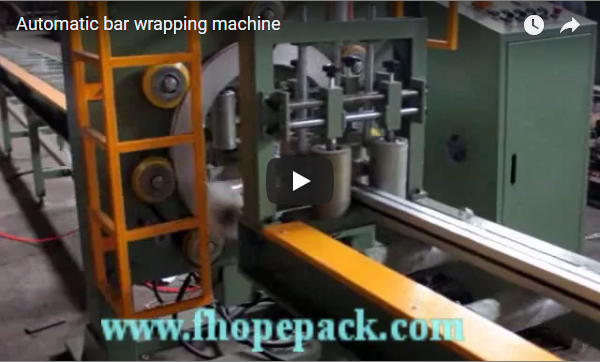
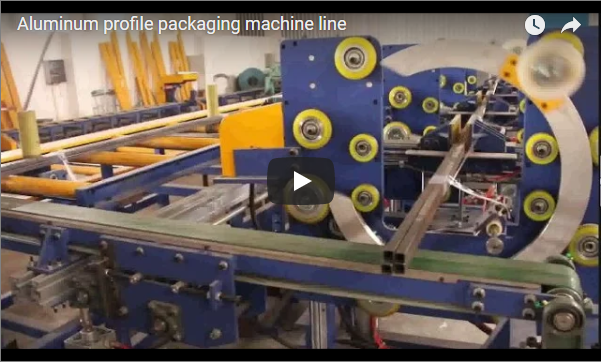
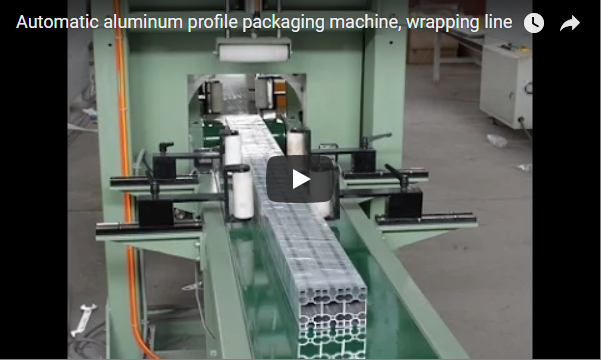
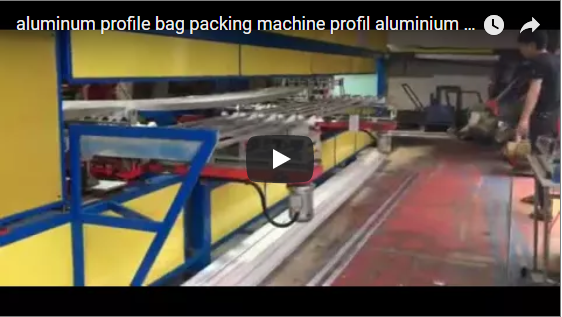
Краткое описание. В этом видеоролике показана полностью автоматизированная линия упаковки длинных алюминиевых профилей: профили перемещаются по роликовым конвейерам, поступают в кольцевой упаковочный блок, где на них с высокой скоростью наматывается пленка или бумага, конец с материалом запаивается и обрезается, после чего упакованный профиль выходит дальше по потоку. Два оператора контролируют линию из шкафа управления. В видеоролике не указаны производительность, мощность или технические характеристики материала — уточните эти данные у производителя.
Что показано на видео: машина в действии
Видеоролик демонстрирует весь процесс упаковки алюминиевого профиля, от подачи до выгрузки. Вот что вы можете увидеть в хронологическом порядке:
- Вставка (с начала видео, примерно с 0 по 20 секунду). Длинные серебристо-серые алюминиевые профили плавно перемещаются по длинному линейному конвейеру, установленному на синей стальной раме с желтыми опорными конструкциями. Многочисленные ролики продвигают профили вперед. Слева от конвейера видны сложенные, неупакованные профили.
- Позиционирование и фиксация (примерно 25–30 секунд). Когда профиль поступает на станцию обмотки, зажимные устройства на входе удерживают его на месте, обеспечивая начало обмотки с неизменной позиции.
- Наматывание кольца (примерно 40–50 секунд). Профиль проходит через большой кольцеобразный узел с прижимными роликами. Белая пленка или бумага разматывается с высокой скоростью с рулонной стойки справа и наматывается вокруг движущегося профиля, обеспечивая полное покрытие на 360°. Размытие движения на видео показывает, насколько быстро движется этот узел. Желтый защитный кожух вокруг устройства остается закрытым на протяжении всего процесса.
- Запечатывание и нарезка (примерно 55–60 секунд). Конец пленки, по-видимому, запечатан или обрезан, так что каждый профиль становится отдельной, закрытой упаковкой.
- Разряд (примерно 65–70 секунд и еще раз около 120–145 секунд). Упакованные профили выдвигаются по конвейеру, расположенному ниже по потоку. Ближе к концу видеоролика видны упакованные профили, сложенные в стопки и готовые к следующему этапу.
На более поздних кадрах показана вся линия: несколько сине-желтых модулей, расположенных в прямую линию, с секцией подачи слева, упаковочным блоком посередине и зоной выгрузки справа. Двое рабочих в темной рабочей одежде стоят рядом с пультом управления, наблюдая за продукцией, а не прикасаясь к ней — наглядная иллюстрация того, насколько мало ручной работы требуется при такой компоновке.
Заметки о непосредственных наблюдениях
Следующие моменты максимально приближены к покадровому анализу видео, с минимальной грамматической корректировкой:
- Линия состоит из длинного линейного конвейера с несколькими оранжево-желтыми роликами; центрального кольцевого упаковочного устройства с вращающимися прижимными роликами, натяжными роликами и направляющим рычагом для пленки; позиционирующих упоров и пневматического зажима на подающем устройстве; и вала для рулонов пленки/бумаги с автоматическим механизмом размотки справа.
- Рама станка выполнена из окрашенной в синий цвет стали; многие функциональные детали (зажимы, защитные кожухи, приводные кронштейны) имеют ярко-желтый цвет; некоторые направляющие и ролики изготовлены из чистого алюминия или хромированной стали.
- Изделие представляет собой длинный прямоугольный промышленный алюминиевый профиль серебристо-серого цвета со слегка шлифованной поверхностью. Судя по роликам (диаметром около 100 мм), ширина профиля примерно равна диаметру роликов, а длина каждого стержня составляет несколько метров.
- В процессе обмотки профиль кратковременно поворачивается примерно на 90° внутри кольцевого блока для достижения полного покрытия на 360°, а затем возвращается в горизонтальное положение при разгрузке.
- Виден белый отдельно стоящий шкаф управления с небольшим цифровым дисплеем, круглыми кнопками красного/зеленого/черного цвета, рядом светодиодных индикаторов состояния красного/зеленого цвета и красной кнопкой аварийной остановки в форме гриба сверху.
- Устройство для обмотки колец огорожено желтым сетчатым защитным забором; на стене на заднем плане виден треугольный предупреждающий знак, хотя текст на нем неразборчив.
- Единственный чётко читаемый текст на видео — это водяной знак «FHOPEGROUP» («Профессиональное решение для вас») и водяные знаки «www.fhopepack.com» на оборудовании и стенах на заднем плане.
- На оборудовании нигде не читаются табличка с названием, номер модели, параметры или инструкция по эксплуатации.
Чего не показано в видео
Представленные видеоматериалы — это реальная производственная запись, а не презентация технических характеристик. Следующие параметры не являются наблюдаемыми и должны быть подтверждены производителем перед покупкой:
| Предмет не показан | Почему это важно для вас |
|---|---|
| Номинальная производительность (штук/час, м/мин) | Определяет, покрывает ли одна строка ваш объем. |
| Полное время цикла на один профиль | Разрабатывает планы по балансировке производственных линий и комплектованию штата. |
| Минимальная/максимальная длина профиля и поперечное сечение | Подтверждает соответствие вашего ассортимента продукции требованиям без необходимости переналадки. |
| Технические характеристики пленки/бумаги (материал, толщина, ширина) | Влияет на выбор поставщиков материалов и стоимость упаковки. |
| Требования к электропитанию, напряжению и подаче воздуха. | Необходимо для планирования установки. |
| Модель машины, габариты и общий вес | Необходимо для планировки и грузоперевозок. |
| Подробная информация о системе управления (производитель ПЛК/ЧМИ, возможности подключения к MES) | Влияет на интеграцию с вашими заводскими системами. |
| Сертификация безопасности (CE и др.) и степень защиты IP. | Требования к соблюдению норм на большинстве рынков. |
Кому подходит эта машина?
Судя по всему, этот тип продукции подходит покупателям, которые:
- Упаковывать длинные алюминиевые профили стандартного сечения в стабильных партиях — например, окна, двери, навесные стены, промышленные рамы или компоненты для крепления солнечных батарей.
- Хотите, чтобы заменить ручную упаковку обеспечивает непрерывную, в основном, автоматизированную работу для защиты поверхностей от царапин, пыли и окисления во время транспортировки и хранения.
- Необходимость варианты как на пленке, так и на бумагеНа показанной рулонной подставке разматывается белое полотно, которое, по всей видимости, представляет собой либо полиэтиленовую пленку, либо композит из бумаги и пленки, обеспечивая гибкость в выборе между водонепроницаемой пленкой и бумажной упаковкой для печати.
Без индивидуальной настройки этот метод может оказаться менее подходящим для сильно неровных поперечных сечений, очень коротких деталей или профилей, требующих индивидуальной защиты углов — в таких случаях обычно требуется изготовление специальной оснастки или предварительная станция обработки.
Замечания по технике безопасности, сделанные на основе видеозаписи.
На чертеже показаны несколько стандартных элементов безопасности, а также пара зазоров, которые стоит обсудить с поставщиком:
- Присутствовали: Желтая сетчатая защита во всю высоту вокруг устройства для обмотки колец; кнопка аварийной остановки на верхней части шкафа управления; закрытые защитные кожухи во время высокоскоростной обмотки.
- Невидимый: Световые завесы или фотоэлектрическая защита в местах входа/выхода, а также в любом другом месте аварийной остановки. Один из аналитиков также отмечает отсутствие читаемых предупреждающих надписей на корпусе машины.
Если местные правила техники безопасности требуют использования световых завес в местах срабатывания или нескольких точек аварийной остановки, сообщите об этом заранее — модернизация обходится дешевле на этапе составления сметы, чем после установки.
Вопросы, которые следует задать перед заказом
Используйте этот контрольный список при запросе коммерческого предложения:
- Какие типы пленок и бумаги поддерживаются (ПЭ, ПП, ПЭТ, крафт-бумага) и в каком диапазоне толщин?
- Каков диапазон адаптации для поперечного сечения и длины профиля — требуется ли переналадка между размерами?
- Какова фактическая пропускная способность при моей длине профиля, подтвержденная тестовым запуском?
- Может ли система управления взаимодействовать с моей системой MES/WMS (например, по стандартным промышленным протоколам)?
- Какой метод герметизации используется на конце пленки, и существует ли протокол испытаний на прочность герметизации?
- Какие варианты обеспечения безопасности доступны (световые завесы, дополнительные аварийные выключатели, блокируемые двери доступа)?
- Каковы сроки поставки, поддержка при вводе в эксплуатацию и условия поставки запасных частей?
Пункты в этом списке взяты из того, что не показано в видео; ни один из ответов нельзя прочитать по видеоматериалу.
Часто задаваемые вопросы
Машина использует для обмотки пленку, бумагу или и то, и другое? На видео показано, как разматывается и обматывается белое полотно, похожее на пленку или ламинированную бумагу/пленку. Какие именно материалы используются и какой толщины, не показано; уточните у производителя.
Как быстро происходит обертывание профиля? На этапе обертывания наблюдается сильное размытие движения, что указывает на высокую скорость, но время цикла или выходной сигнал не указаны и не читаемы на видеозаписи. Запросите у производителя протестированную скорость для вашей длины профиля.
Нужен ли оператор? Двое рабочих появляются рядом с пультом управления, наблюдая за линией, и конвейер, зажим, упаковка и выгрузка выполняются без участия кого-либо в процессе обработки продукции. Масштабы работы в полностью автоматическом режиме, включая загрузку, не показаны.
Может ли он работать с профилями разных размеров? На видео показаны прямоугольные профили одинаковой длины. В видео не показана смена размера; уточните диапазон адаптации и требуются ли для разных профилей разные зажимы.
Показанный упакованный продукт готов? Да — ближе к концу видео видны обёрнутые профили, выходящие из упаковки и сложенные друг на друга. Качество отделки при обклейке крупным планом (положение швов, равномерность натяжения) нечётко видно на представленных кадрах.
Источник и метод
Данная статья основана на покадровом анализе встроенного видео, выполненном с помощью модели компьютерного зрения на выборках кадров. Видео содержит только фоновую музыку — отсутствует закадровый текст или речь, поэтому стенограмма не использовалась. Все фактические утверждения основаны на том, что видно на видеоматериале; все, что не видно, либо опущено, либо явно помечено для проверки у производителя.
Связанное чтение
- Орбитальная стретч-пленка — кольцевая обмотка для изделий аналогичной формы.
- Упаковочные решения из алюминиевого профиля — Варианты упаковки из алюминиевого профиля.
- Обзор автоматизированной упаковочной линии — как устроена система автоматизации всего производственного процесса.
- Автоматическая линия упаковки рулонов — Автоматизированная упаковка рулонной продукции.
- Машина для обмотки рулонов стали — Кольцевая обмотка, применяемая к тяжелым катушкам.
Следующий шаг
Если эта линия для упаковки в пленку и бумагу подходит для вашей алюминиевой профильной упаковки, свяжитесь с командой FHOPE , указав размеры профиля и требуемый объем производства — они смогут подтвердить характеристики, не показанные в видео, и организовать тестовый запуск.