Sumário executivo
A wire spool changes orientation between a horizontal take-up and a vertical packing or stacking position, and moving a heavy spool by hand risks the load and the operator. A tilter upender holds the spool in a V-shaped cradle, closes around it, and turns the whole cradle through a controlled arc so the spool stands upright for the next step. The operator positions the spool and starts the tilt, and the machine does the lifting. Spool size, weight and tilt travel are confirmed per project.
Conteúdo
- Why a spool changes orientation
- O que a máquina faz
- V-shaped cradle and tilt
- Controlled tilt travel
- O que as imagens mostram
- Configuração típica
- Lista de verificação de seleção
- Operação e segurança
- Perguntas frequentes sobre engenharia
- Próxima etapa
- Leitura relacionada
- Fontes e normas
Why a spool changes orientation
A wire spool is heavy and often leaves the line lying on its side. Packing, palletizing and dispatch usually need the spool standing upright, so the spool has to turn between the two positions at least once in the flow.
Turning a heavy spool by hand is slow and easy to drop. A tilter upender replaces that step with a controlled cradle movement. Spool size and weight limits are confirmed per project.
O que a máquina faz
The machine is a wire spool tilter upender. A spool is placed between two V-shaped cradle arms; the arms close around the spool and the whole cradle turns around the base axis to bring the spool upright. The operator loads the spool and starts the tilt, and the machine does the movement.
The cradle holds the spool in a V-nest so the load does not roll during the tilt. Spool range and tilt angle are confirmed per project.
V-shaped cradle and tilt
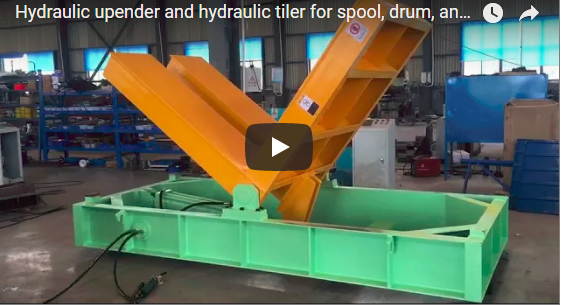
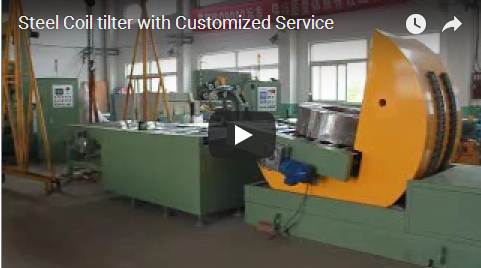
Two yellow arms form a V that opens to accept the spool and closes to hold it. As the arms close, the spool settles into the V-nest and is held in place for the turn.
The closing keeps the spool central in the cradle, so the load turns without shifting. Arm opening and closing are confirmed per project.
Controlled tilt travel
The footage shows the cradle closing, then rotating around the base until the spool reaches a standing position where it can be lifted off. Because the tilt is mechanical, the spool arrives at the same position every cycle.
Once the spool is upright, the arms open and the spool is taken for the next step. Tilt speed and end position are confirmed per project.
O que as imagens mostram
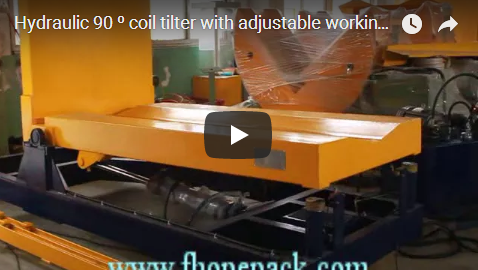
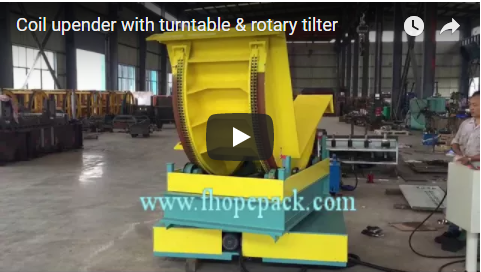
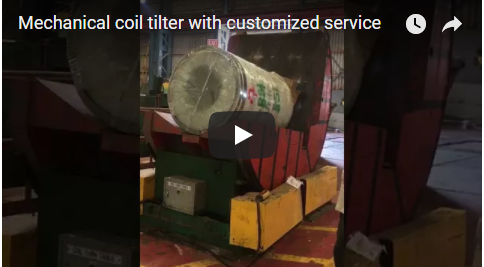
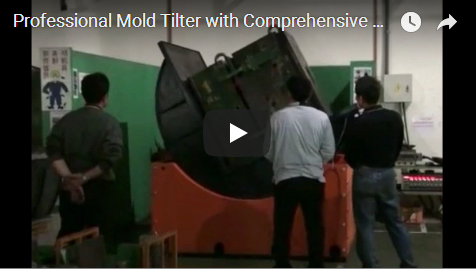
Our footage shows a spool being placed in the V-cradle, the arms closing, and the cradle tilting the spool upright. It is a general demonstration, so your spool size, weight and tilt angle are confirmed with us per project.
Configuração típica
Os valores apresentados abaixo listam os limites funcionais do projeto, em vez de valores numéricos, e são confirmados por projeto.
| Parâmetro | Faixa típica, confirmada por projeto. |
|---|---|
| Ver | carretel de arame |
| Segurar | V-shaped cradle |
| Inclinar | cradle rotation around base |
| Controlar | Iniciar e parar a partir do painel |
| monte | em pé |
| alimentação eléctrica | 380 V trifásico 50 Hz ou 220 V monofásico para máquinas leves, selecionado conforme o projeto. |
Lista de verificação de seleção
| Questão | Confirme por projeto |
|---|---|
| Faixa de carga | spool diameter, width, weight |
| Inclinar | ângulo e direção |
| Segurar | cradle size, opening range |
| Acesso a | crane or fork loading |
| Ciclo | tilts per shift |
| alimentação eléctrica | tensão, fase e frequência no local |
Operação e segurança
Settle the spool in the open cradle, then start the tilt from the control panel. Keep clear of the cradle travel while the arms close and the machine turns the load.
Routine checks cover the pivot, the cradle arms and the drive, per the machine manual. Confirm the spool is seated before each tilt.
Perguntas frequentes sobre engenharia
Q: What does this machine do? A: It tilts a wire spool from lying to standing in a V-cradle.
Q: Why a V-shaped cradle? A: The V-nest holds the spool so it does not roll during the tilt.
Q: Is the tilt powered? A: Yes, the cradle turns around the base axis under power.
Q: Who loads it? A: The operator places the spool and starts the tilt.
Q: What does it suit? A: Heavy spools and similar round loads that must change orientation.
Próxima etapa
- Email us at info@fhopepack.com with your spool size and weight.
- We send a tilter upender proposal and a layout drawing within 48 hours.
- We arrange a site survey to confirm tilt angle and access.
Leitura relacionada
- Wire and cable spool handling
- invertidor e basculante de bobina
- Automatic coil upender
- Linhas de produtos de máquinas de embalagem FHOPE
Fontes e normas
- ISO 12100:2010 Segurança de máquinas, princípios gerais para projeto e avaliação de riscos
- EN 415-10:2014 Segurança de máquinas de embalagem, requisitos gerais
- EN ISO 13849-1:2023 Segurança de máquinas, partes de sistemas de controle relacionadas à segurança
FHOPE wire spool tilter upender demonstration video. Reviewed as a general demonstration; spool size, weight and tilt travel confirmed per project.
Última revisão: 11/10/2026