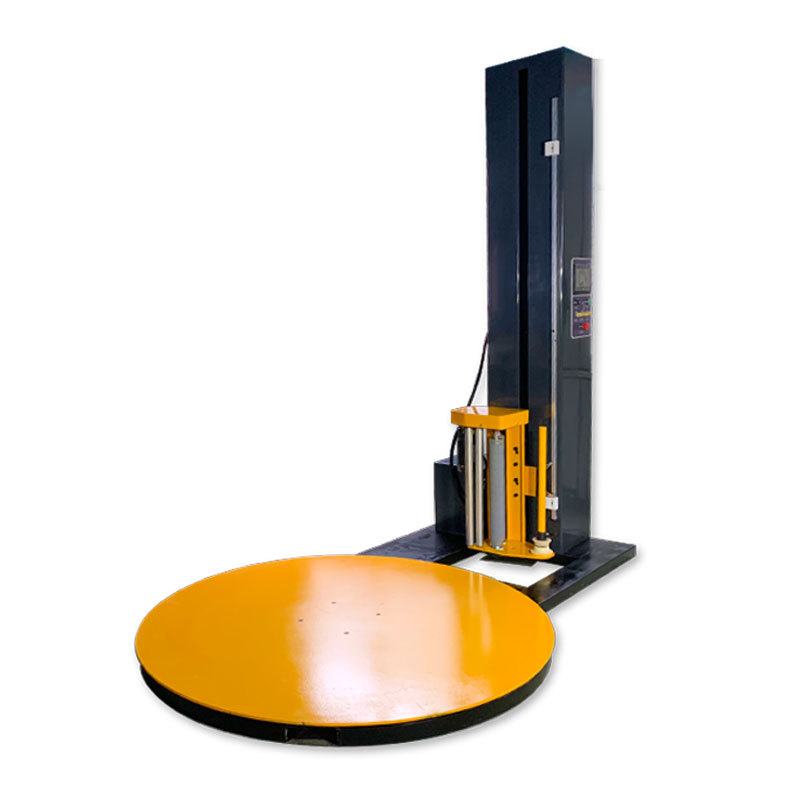
Banderoleuse orbitale pour palettes | Banderoleuse de palettes à enveloppe
L'enrubanneuse orbitale Pallet Wrap enveloppe efficacement les palettes avec du film étirable, assurant une protection sûre et homogène. Sa technologie d'enrubannage orbital est idéale pour les articles de forme irrégulière, réduisant ainsi la consommation de matériaux et améliorant la vitesse d'emballage. Cette machine est idéale pour les opérations à volume élevé, améliorant ainsi la productivité et la sécurité des produits.

Enrubanneuse orbitale pour palettes
Détails visuels

Cliquez pour agrandir

Cliquez pour agrandir

Cliquez pour agrandir

Cliquez pour agrandir
Regardez comment ça marche
Découvrez comment nos solutions d'emballage automatisées optimisent l'efficacité de votre ligne de production. Cette vidéo illustre leur fonctionnement fluide, conçu pour une protection maximale.
Présentation du produit
Palletized freight can shift, telescope, or undergo interlayer shear when standard vertical wrapping does not anchor the cargo directly to the pallet base. Irregular stacks, overhanging fabrications, and long structural assemblies can also create balance and interference risks on vertical turntables.
Ce industrial orbital pallet wrapper drives the pallet horizontally through a central rotating ring. The film carriage travels over the upper load face and directly underneath the pallet deck boards, binding the cargo and runner timbers into one transport unit while the load remains fixed on powered roller conveyors.
The E1500, E1800, and E2200 tiers address different cargo diagonals, unit weights, and feed requirements. Optical sensors, VFDs, pneumatic film handling, and the ring bearing assembly operate as one automated packaging cell.
Caractéristiques principales
Model tiers are decoupled by maximum circumscribed load diameter. Indicative ring bore approximates OD_max + 400 mm for carriage clearance; the final bore is confirmed on the certified GA drawing.
| Paramètre technique | Model E1500 (Base) | Model E1800 (Extended) | Model E2200 (Master Heavy) |
|---|---|---|---|
| Max Load Profile (W × H) | 1200 x 900 mm | 1300 x 1240 mm | 1600 x 1500 mm |
| Maximum Diagonal (OD) | 1500 mm | 1800 mm | 2200 mm |
| Indicative Internal Ring Bore | 1900 mm | 2200 mm | 2600 mm |
| Poids de charge maximum | 1000 kg | 2000 kg | 3500 kg |
| Vitesse de rotation de l'anneau | 20–50 rpm (VFD) | 15–40 rpm (VFD) | 10–30 rpm (VFD) |
| Vitesse d'alimentation du convoyeur | 3-20 m/min | 3-18 m/min | 2-12 m/min |
| Applicable Film Media | LLDPE Stretch / HDPE | LLDPE Stretch / HDPE | LLDPE Heavy Industrial |
| Largeur du film | 200 – 500 mm | 250 – 500 mm | 500 mm |
| Roll Core Internal Diameter | 76 mm (3.0 pouce) | 76 mm (3.0 pouce) | 76 mm (3.0 pouce) |
| Diamètre extérieur du rouleau | 100 – 250 mm | 100 – 250 mm | 100 – 300 mm |
| Besoin en air comprimé | 5–8 bars (0.5–0.8 MPa) | 6–8 bars (0.6–0.8 MPa) | 6–8 bars (0.6–0.8 MPa) |
| Charge totale connectée | 5.2kW | 7.5kW | 11.0kW |
| Operating Main Voltage | 415 V, 50 Hz, triphasé | 415 V, 50 Hz, triphasé | 415 V, 50 Hz, triphasé |
| Logic Control Circuit | 24 V DC | 24 V DC | 24 V DC |
Guide de sélection des modèles
| Niveau du modèle | Source Application Range | Accent sur la conception |
|---|---|---|
| E1500 Standard Tier | Euro (1200 × 800 mm) and ISO/GMA (1200 × 1000 mm) pallets with load heights to 900 mm. | Fast cycles and low power draw. |
| E1800 Heavy Logistics Tier | Taller units to 1240 mm and double-stacked crates. | Reinforced guide rollers resist frame twist under off-center loads. |
| E2200 Master Tier | Machinery crates, insulated slabs, and skids to 3500 kg. | Dual-ring drive belts and dual-clamp arms. |
Size the ring from the maximum cargo diagonal, including pallet runner height—not from width or height alone.
How Horizontal Pallet Wrapping Works
The cycle coordinates pallet positioning, ring rotation, film engagement, cutting, and tail sealing without spinning the palletized load on a turntable.
-
Pallet Positioning and Dynamic Bridge Transition
Powered roller beds feed the pallet while pneumatic side-guides align it to the machine axis. An automatic drop-gate bridge or auxiliary narrow-gap transfer rolls support the wooden runners across the operational gap between infeed and outfeed conveyors.
-
Ring Acceleration and Film Web Engagement
Optical sensors read the front cargo face and signal ring acceleration. A pneumatic clamp holds the film tail until the initial rotation traps it beneath subsequent wraps; conveyor speed and ring angular velocity set film overlap.
-
Film Severing and Pneumatic Tail Sealing
At the trailing pallet edge, the conveyor slows or applies 2–4 end-reinforcement wraps. A pneumatic cutting scissor severs the web and a silicone wipe-down brush presses the tail against the pallet flank.
Film passes beneath the pallet bottom runners and over the cargo crown, helping prevent interlayer slippage and separation of the load from its skids.
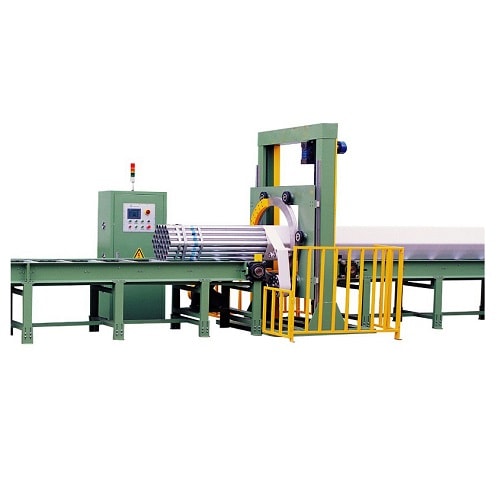
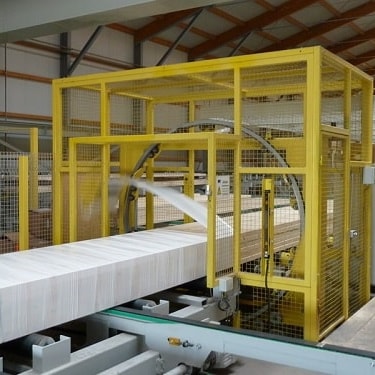
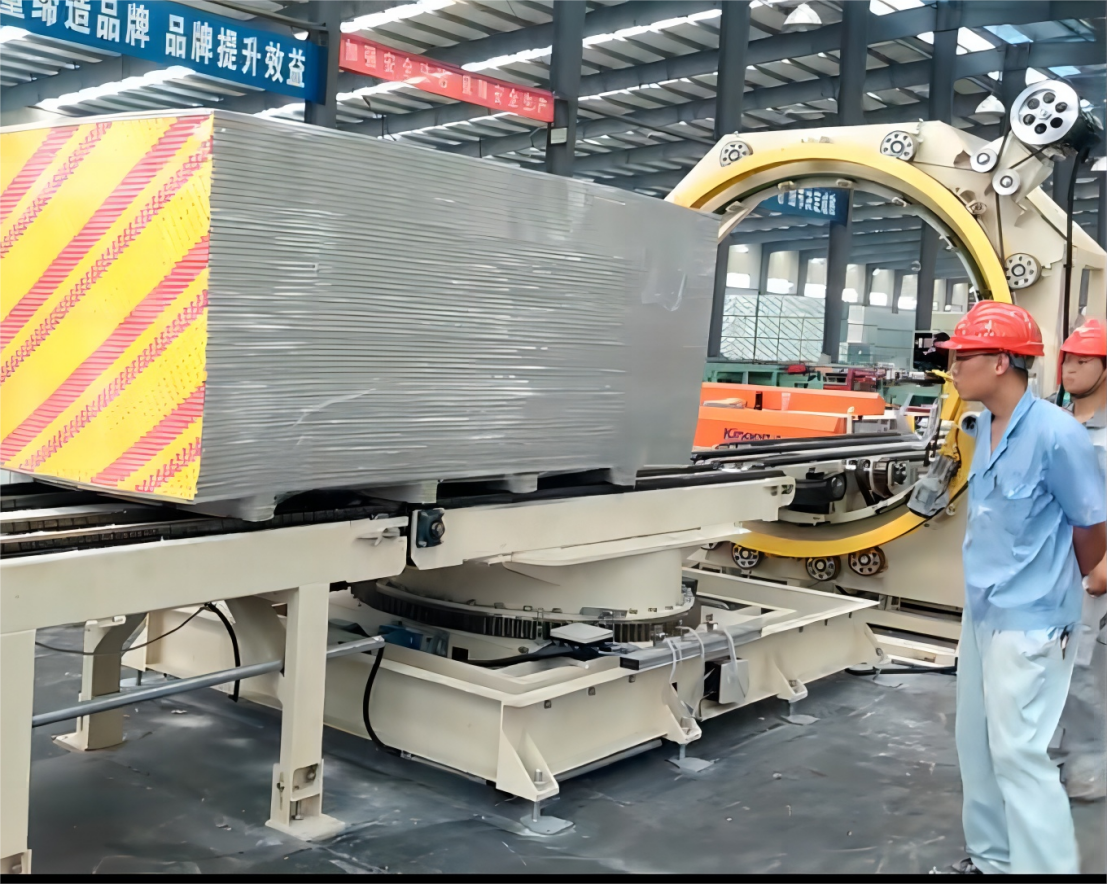
Choisi par Aciéries et leaders de l'industrie
Les fabricants mondiaux font confiance aux équipements d'emballage robustes de FHOPE


Prêt à optimiser votre ligne de conditionnement ?
Obtenez un devis personnalisé avec analyse du retour sur investissement. Nos ingénieurs vous répondent sous 24 heures.
- Conception de mise en page gratuite
- Assistance à l'installation globale
- Garantie 2 an incluse
Vos informations sont sécurisées et ne seront jamais partagées.
Machines connexes
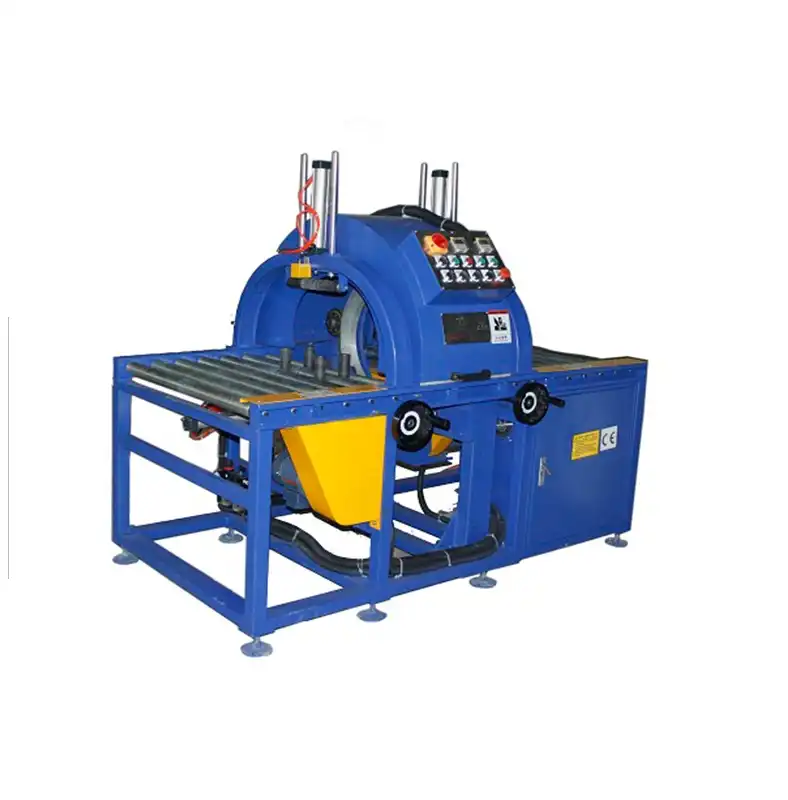
E100 Banderoleuse horizontale
Voir les détails →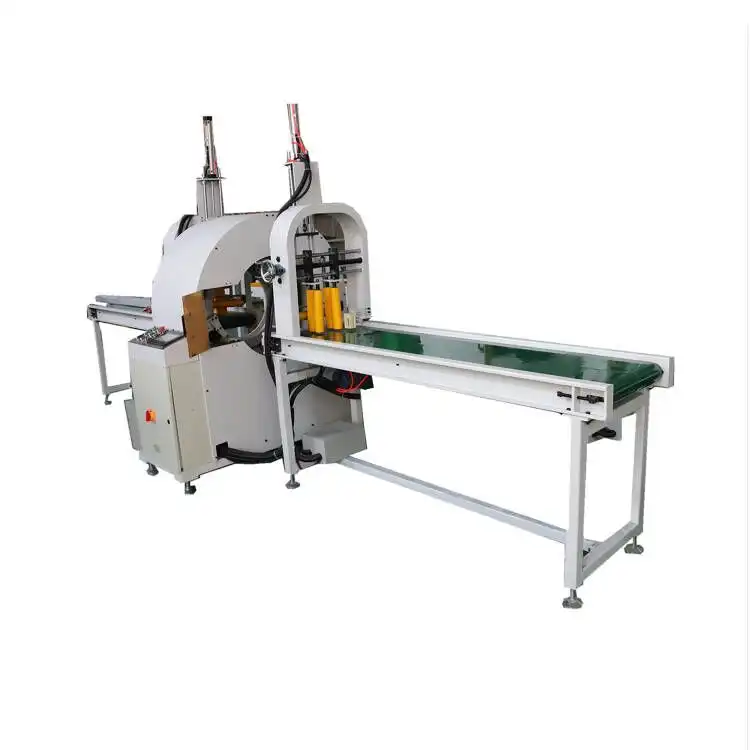
E200 Banderoleuse horizontale
Voir les détails →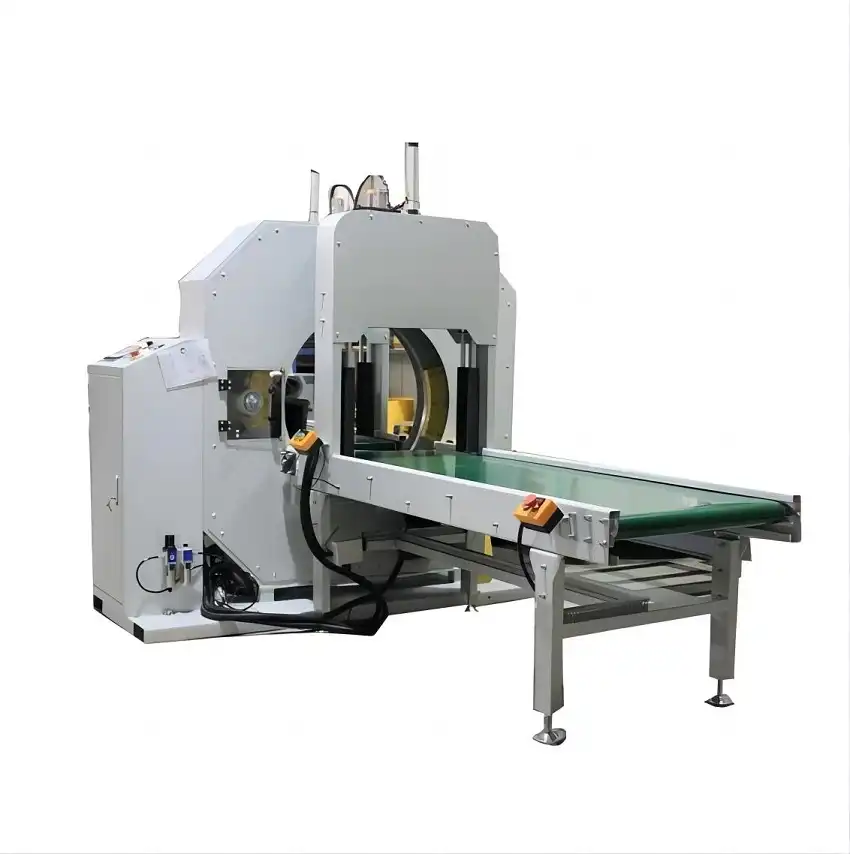
E300 Banderoleuse horizontale
Voir les détails →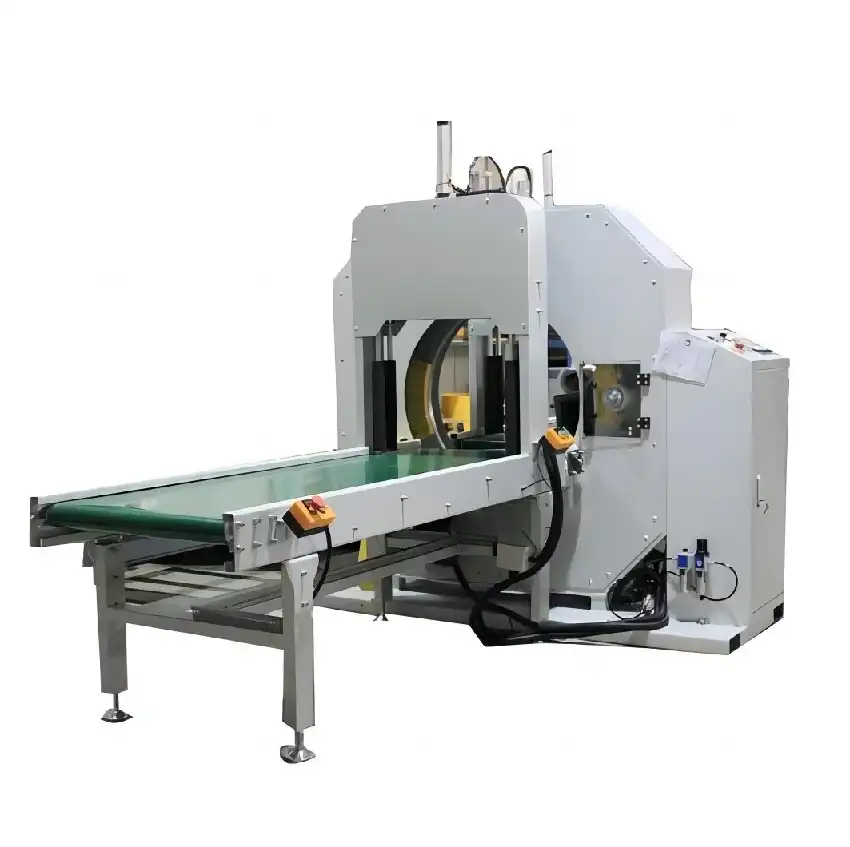
E400 Banderoleuse horizontale
Voir les détails →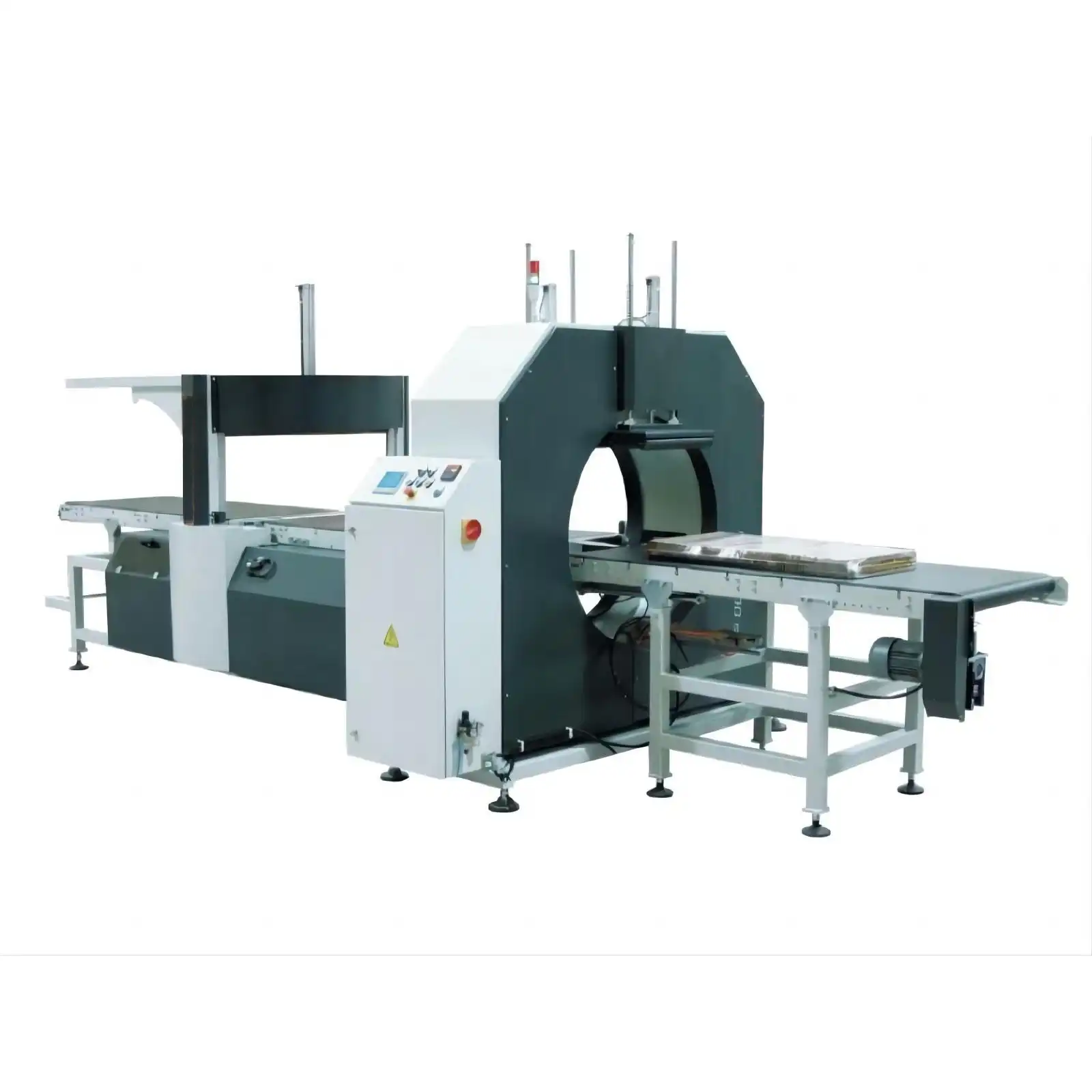
Machine d'emballage horizontale E500 et emballeuse sous film étirable
Voir les détails →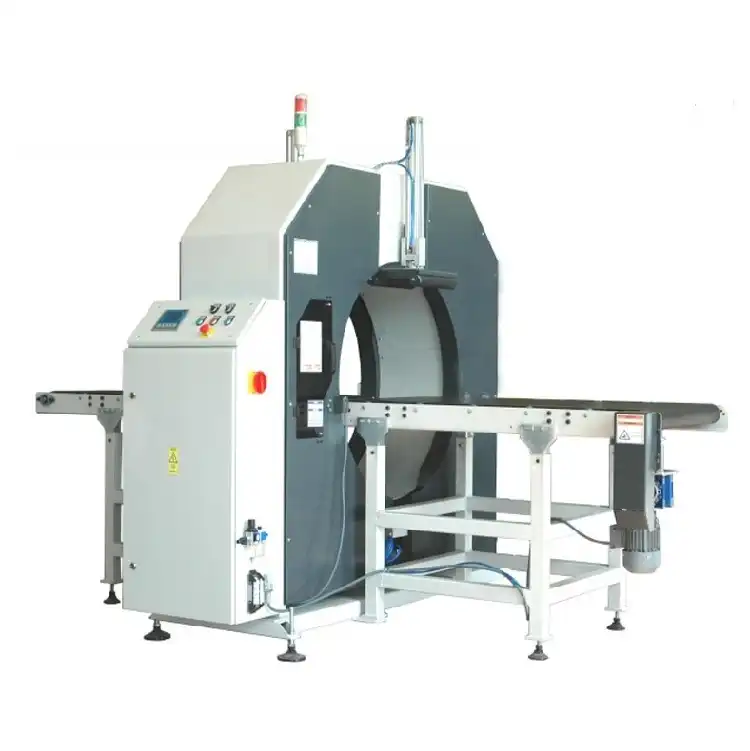
E600 Banderoleuse horizontale
Voir les détails →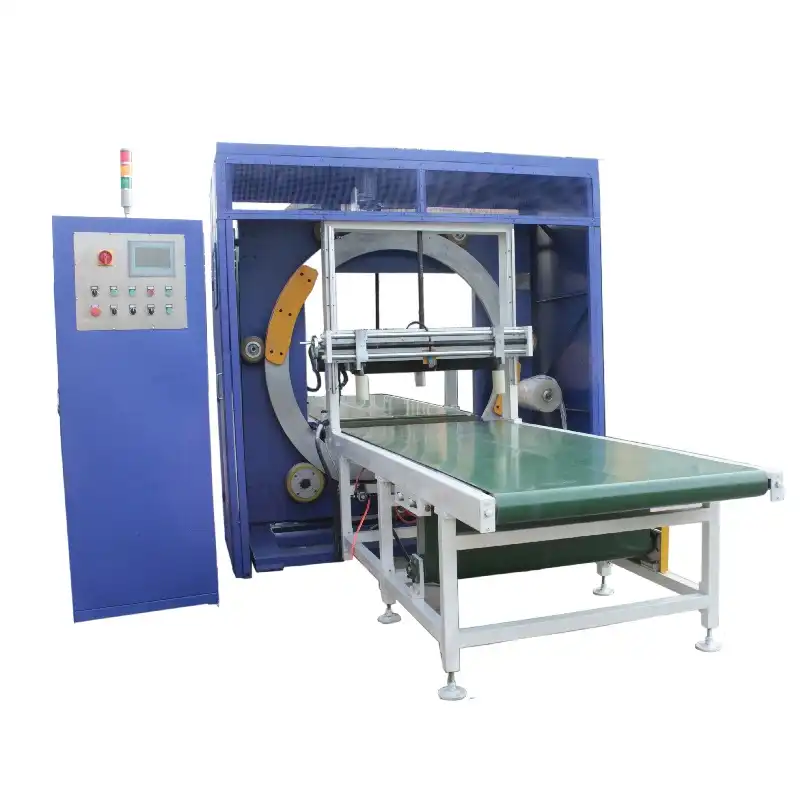
E1000 Banderoleuse horizontale
Voir les détails →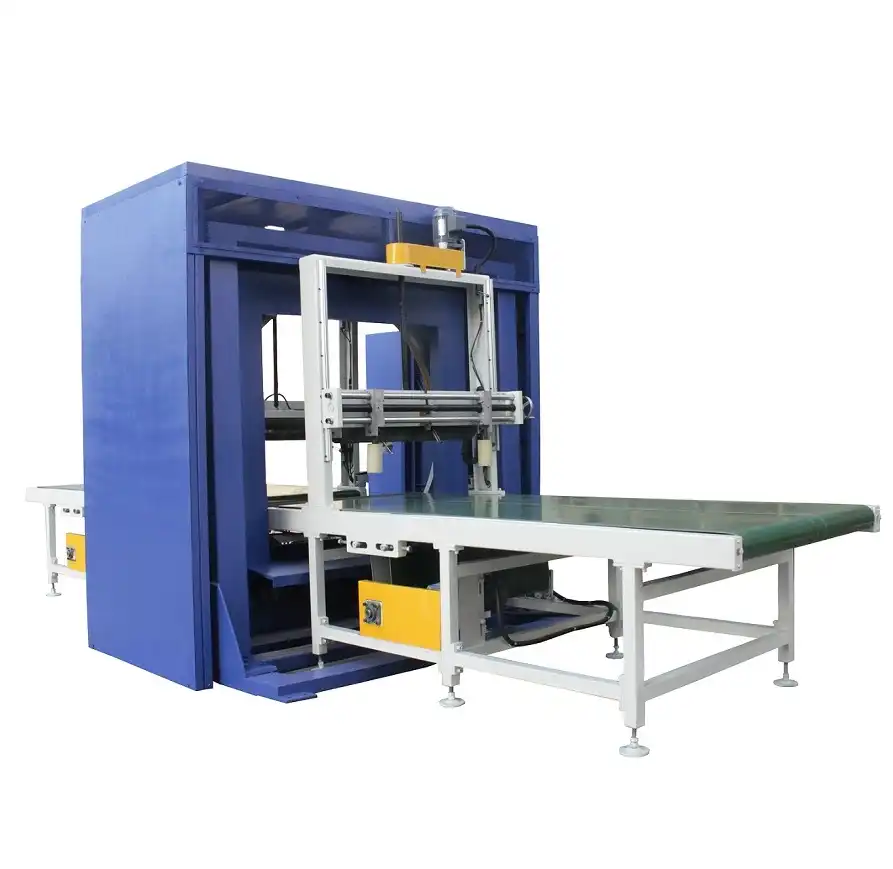
E1400 Banderoleuse horizontale
Voir les détails →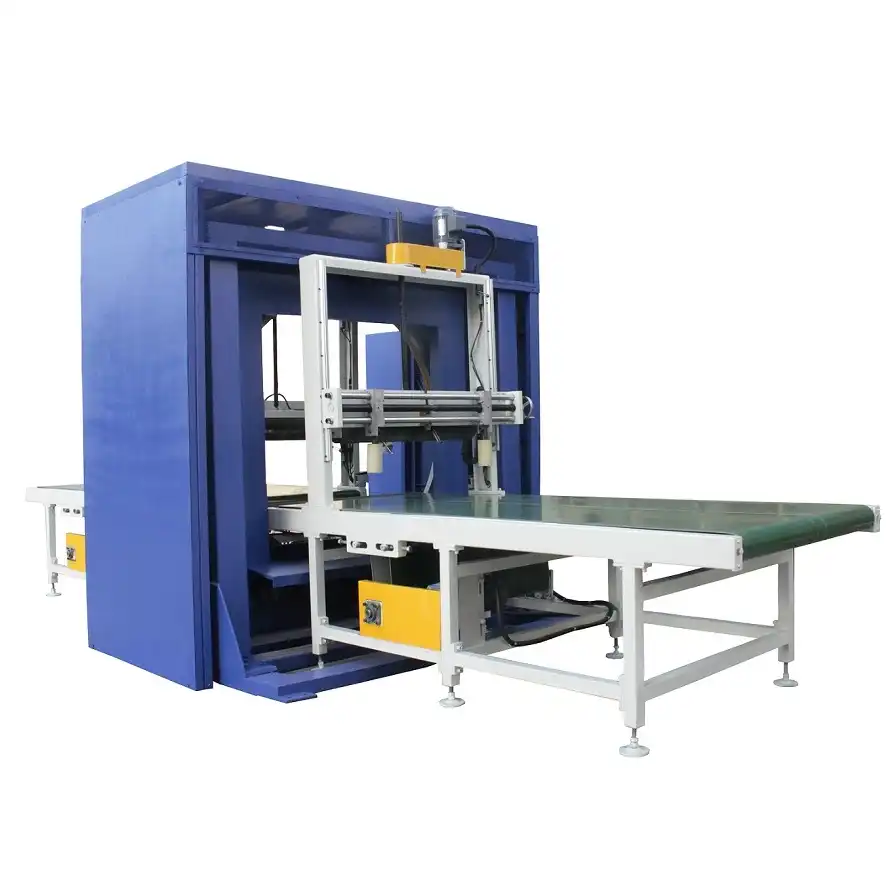
E1800 Banderoleuse orbitale horizontale
Voir les détails →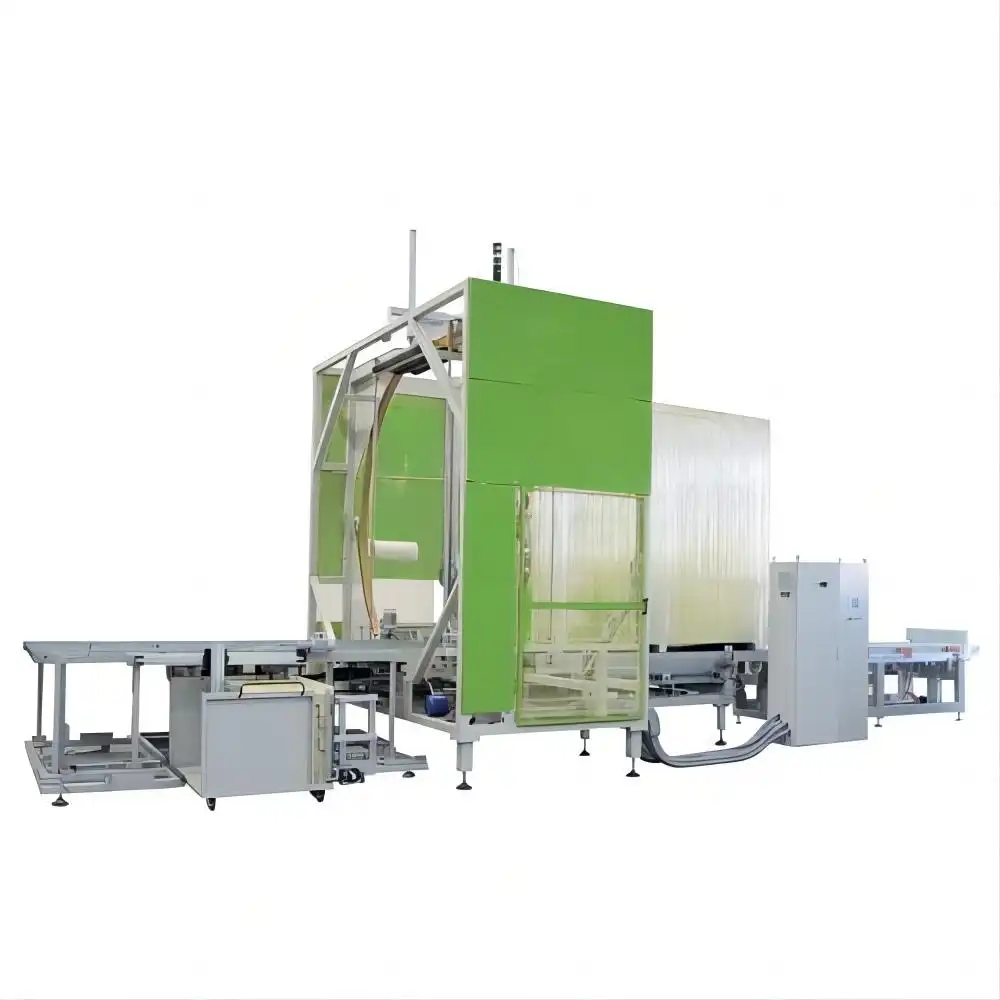
E2400 Banderoleuse horizontale
Voir les détails →
Machine d'emballage orbitale horizontale de tuyau
Voir les détails →
Machine d'emballage orbitale horizontale pour tige et barre
Voir les détails →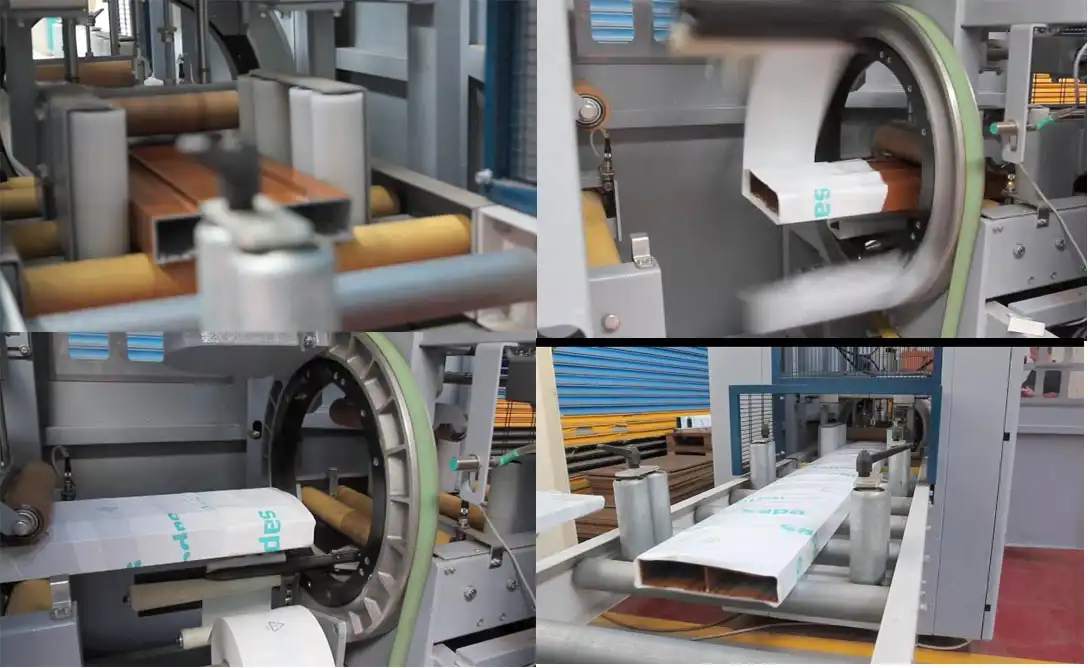
Machine d'emballage orbitale horizontale en aluminium
Voir les détails →
Machine d'emballage orbitale horizontale de profil
Voir les détails →
Enveloppe orbitale en spirale
Voir les détails →
Emballage étirable à anneau horizontal
Voir les détails →
Machine d'emballage sous film étirable horizontale pour palette
Voir les détails →
Emballage sous film étirable orbital horizontal
Voir les détails →
Machine d'emballage étirable pour palettes-A100
Voir les détails →