
Why Steel Manufacturers Need an Automatic Steel Coil Packing Machine?
The pressure on factory managers like you, Michael, is constant. You manage an entire operation, from raw materials coming in to finished products leaving. You need to boost output, control costs, and keep everyone safe. I know this struggle well, having built my own packing machine factory after years on the shop floor. I have seen the real impact when operations are not efficient or safe. This is exactly where an outdated, manual packing process can hold you back.
Automatic steel coil packing machines are essential for modern steel manufacturers. They directly solve critical challenges like slow production, high labor costs, significant safety risks, and product damage. By investing in these automated solutions, companies can achieve higher operational efficiency, ensure worker safety, protect product quality, and significantly reduce overall costs, leading to a stronger competitive edge in the global market.
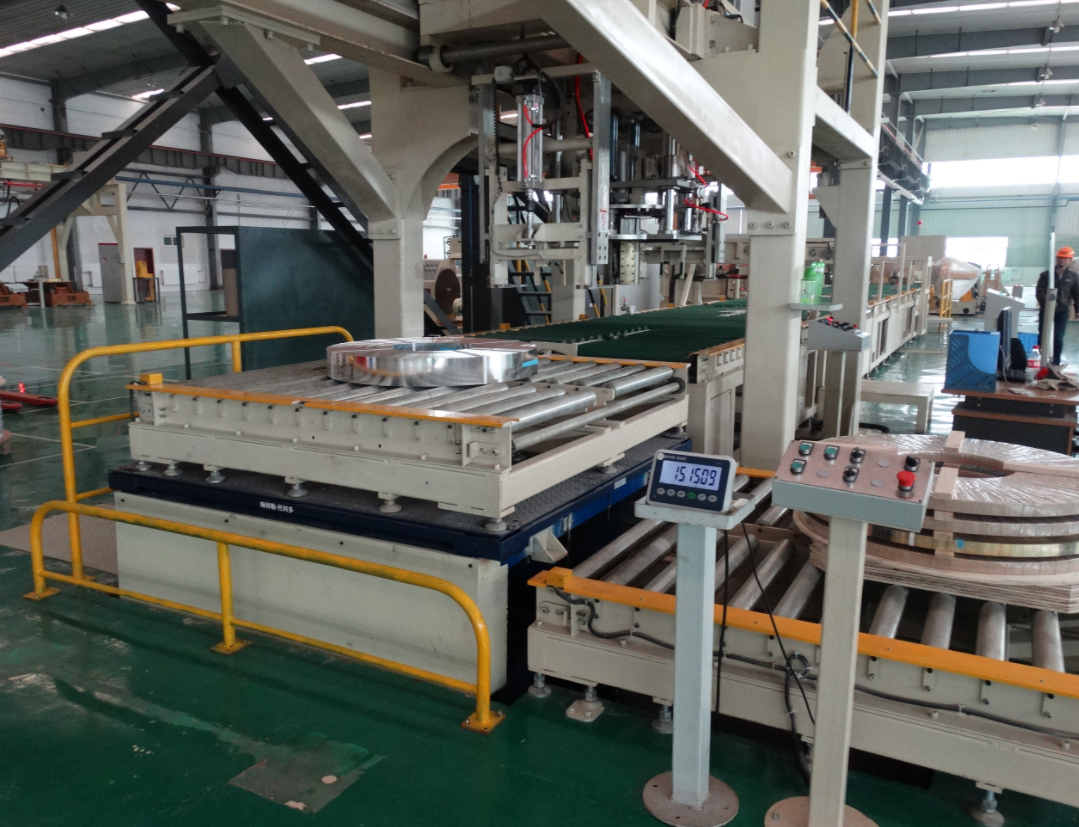
You might be thinking, “Is this truly an investment worth making?” Or perhaps, “How can I be sure this will solve my specific problems?” Let’s dive deeper into the real benefits and practical solutions that automatic packing machines bring to steel manufacturers, addressing the exact challenges you face in your operations every day.
1. How Can Automatic Packing Machines Address Efficiency Bottlenecks in Steel Production?
Are you tired of watching your production line slow down at the very end, just when your products are ready to ship? Many factories, especially in heavy industries like steel, face significant bottlenecks in their packing departments. Manual steel coil packing is slow, inconsistent, and often requires too much human effort. This leads to delays, increased labor costs, and a frustrating halt in your overall production flow.
Automatic steel coil packing machines dramatically boost efficiency by streamlining the end-of-line process. They replace time-consuming manual tasks with rapid, consistent automation, allowing for higher throughput and reduced cycle times. This eliminates bottlenecks, optimizes labor deployment, and ensures a smooth, continuous flow from production to shipment, significantly improving overall operational productivity.
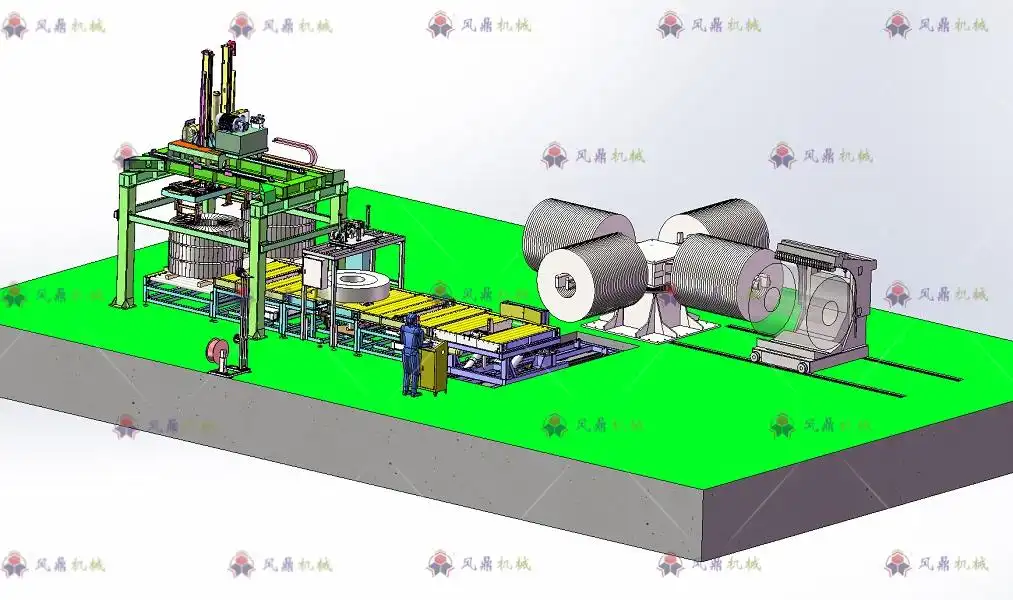
The Impact of Automated Coil Packing on Production Throughput
The core of efficiency is throughput. In a busy metal processing plant like yours, Michael, every minute counts. Manual packing of heavy steel coils or bundles of wire takes a lot of time. Workers have to measure, wrap, and secure each coil by hand. This can vary in speed and quality, depending on who is doing the work. An automatic packing machine, however, performs these tasks at a constant, optimized speed. It applies wrapping materials, straps, or bands in a consistent manner, much faster than any human operator.
Consider a typical scenario:
- Manual Packing: A team of 3-4 workers might pack 5-8 coils per hour. This is an estimation, and it can be slower for larger or more complex coils.
- Automatic Packing: A single machine, often monitored by one operator, can pack 30-60 coils per hour, depending on the machine type and coil specifications.
This difference is not just an improvement; it is a transformation. It means your finished products move out of the factory faster. This reduces inventory holding times and frees up valuable floor space. It also ensures that your production capacity is not limited by the slowest part of your process. This improved speed helps you meet tighter deadlines and respond quickly to market demands. Ultimately, it allows your factory to produce more with the same or even fewer resources. The result is a more agile and profitable operation. (automated production flow, packing line optimization, manufacturing throughput increase)
How Automation Reduces Labor Dependency and Costs
Labor costs are a major expense in manufacturing. When you rely heavily on manual labor for repetitive, physically demanding tasks like packing steel coils, these costs add up fast. You face expenses for wages, benefits, insurance, and the constant challenge of finding and retaining skilled workers. High turnover rates in such roles also lead to retraining costs and a loss of institutional knowledge.
Automatic packing machines significantly reduce your dependence on manual labor for the packing process. Instead of multiple workers physically handling and wrapping each coil, an automatic system can be operated or supervised by just one or two individuals. This doesn’t necessarily mean cutting jobs. It means reallocating your valuable workforce to more skilled, less physically demanding, and higher-value tasks within your factory. For example, workers previously assigned to manual packing can be trained for machine maintenance, quality control, or other crucial roles that require human judgment and problem-solving skills.
The financial benefits are clear:
- Reduced Overtime: With faster packing, you might not need to pay as much overtime to meet production targets.
- Lower Insurance Premiums: Fewer workers performing hazardous manual tasks can lead to lower workers’ compensation claims and premiums.
- Stable Workforce: Employees move to safer, more engaging roles, which can boost morale and reduce turnover.
- Long-term Savings: While there is an initial investment, the ongoing labor cost savings provide a clear and compelling return on investment (ROI).
These cost savings go straight to your bottom line. They allow you to invest more in other areas of your business, like new product development or market expansion. (labor cost reduction, industrial automation ROI, workforce optimization)
2. What Role Do Automatic Systems Play in Enhancing Safety for Workers Handling Steel Coils?
Handling heavy steel coils and wire bundles is one of the most dangerous jobs in any metal processing factory. Workers are constantly at risk of muscle strains, crushing injuries, or even fatalities if a coil shifts or falls. The repeated manual lifting and maneuvering of heavy loads also lead to chronic injuries over time, resulting in high insurance costs and frequent employee absences. Michael, I know safety is paramount for you. You want to protect your team.
Automatic packing systems are crucial for significantly enhancing workplace safety in steel manufacturing. They eliminate the need for manual handling of heavy coils, thereby drastically reducing the risk of musculoskeletal injuries, crushing accidents, and other common hazards associated with heavy industrial packing. By automating these dangerous tasks, factories protect their employees, minimize injury-related costs, and foster a safer working environment.
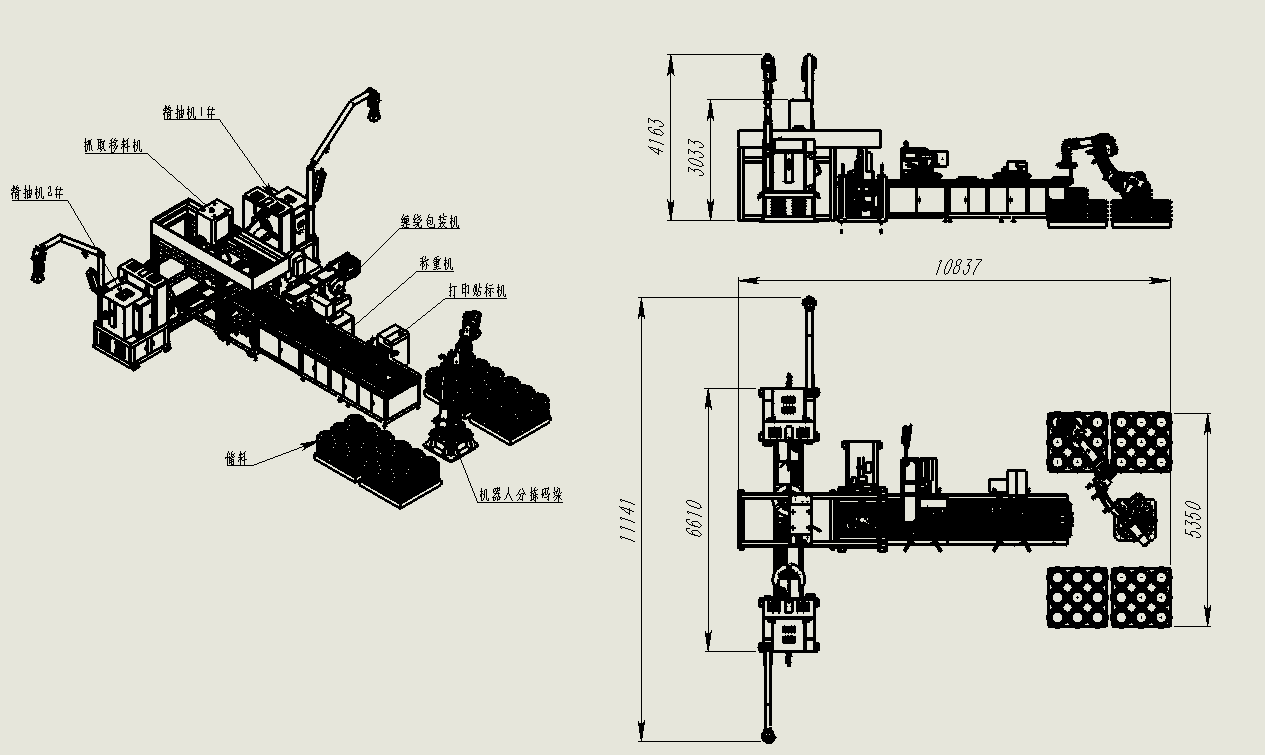
Eliminating Manual Heavy Lifting and Reducing Injury Risk
In my years in the packing machine industry, I have seen too many injuries from manual handling. Lifting, pushing, and pulling heavy steel coils puts immense strain on workers’ bodies. This leads to common injuries such as:
- Back pain and spinal injuries
- Shoulder and neck strains
- Hernias
- Crushing injuries from dropped loads
- Cuts and lacerations from sharp coil edges
Automatic packing machines remove human interaction from these hazardous steps. Robots and automated conveyors handle the heavy coils. They position them for wrapping and secure them for transport. This means your workers no longer have to perform the physically demanding and risky tasks directly. Instead, they can oversee the machine from a safe distance, intervening only when necessary.
Consider the contrast:
- Manual process: Workers use chains, hooks, and forklifts, often in tight spaces, to move and orient heavy coils. This requires precise coordination and carries high risks.
- Automated process: A coil car or conveyor system safely transports the coil. An automatic wrapper then applies packaging materials. The entire sequence is controlled by a machine.
This shift does more than prevent immediate accidents. It also reduces the cumulative trauma from repetitive stress injuries. These injuries often develop over years and can lead to long-term disability. By protecting your workers from these risks, you are not just complying with safety regulations. You are also showing a real commitment to their well-being. This can boost morale and create a more positive work culture. (workplace safety automation, heavy lifting hazard reduction, industrial injury prevention)
Improving Operational Safety Standards and Compliance
Beyond direct injury prevention, automatic packing systems help factories meet and exceed safety standards. Regulatory bodies often have strict guidelines for manual material handling, lifting limits, and machine guarding. An automated system is designed with these standards in mind. It often includes features like safety interlocks, emergency stop buttons, and clear operational zones. These features protect operators and ensure safe machine operation.
Here’s how automated systems contribute to better safety compliance:
| Safety Aspect | Manual Packing | Automatic Packing |
|---|---|---|
| Material Handling | High risk of strains, drops, crushing | Automated transport, controlled movement |
| Ergonomics | Repetitive motions, awkward postures | Reduced manual effort, ergonomic workstation for monitoring |
| Machine Guarding | Often improvised or insufficient | Integrated safety guards, light curtains, interlocks |
| Operator Exposure | Close proximity to moving heavy loads | Operators maintain safe distance, remote monitoring |
| Consistency of Operation | Varies with worker fatigue/skill | Consistent, predictable, and safe operational cycles |
| Emergency Protocols | Dependent on quick human reaction | Automated emergency stops, clear fault detection |
Investing in automation means you are proactively addressing potential safety liabilities. It reduces the likelihood of costly fines, legal challenges, and damage to your company’s reputation that can result from workplace accidents. A safer environment also leads to fewer work stoppages due to incidents. This improves overall productivity and ensures continuous operation. For a factory manager like Michael, this brings peace of mind and stronger operational control. (regulatory compliance packaging, industrial safety management, factory accident prevention)
3. Can Automated Packing Solutions Really Reduce Product Damage and Improve Customer Satisfaction?
You work hard to produce high-quality steel coils and wire. But what happens if they get damaged during packing or transport? Michael, you know that product damage leads to customer complaints, rejected shipments, and a direct loss of profit. The edges of steel coils are especially vulnerable to dents and scratches during manual handling or inefficient packing. This not only hurts your bottom line but also damages your reputation as a reliable supplier.
Automated packing solutions significantly reduce product damage by ensuring consistent, gentle, and precise handling of steel coils and wire. They apply packaging materials uniformly, providing superior protection against physical impact, moisture, and dust during storage and transit. This minimizes losses from damaged goods, enhances product quality upon delivery, and directly contributes to higher customer satisfaction and repeat business.
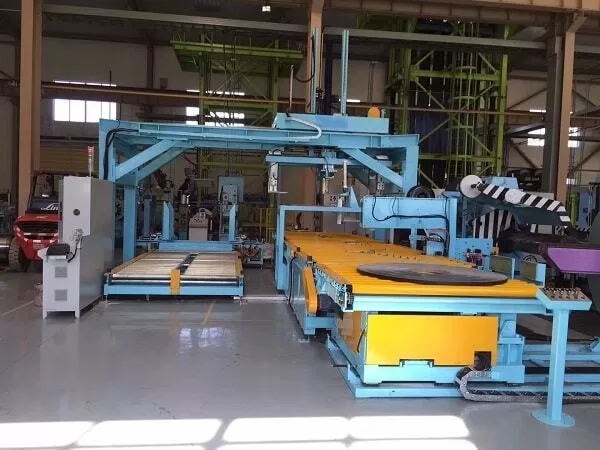
Protecting Product Integrity During Internal Transfer and Shipment
Manual handling, no matter how carefully done, always carries a risk of damage. When workers move heavy coils, there’s a chance of bumping them against other equipment, dropping them, or applying uneven pressure. This can result in:
- Dents and scuffs: Particularly on the outer wraps or edges of steel coils.
- Deformation: If coils are stacked improperly or experience impact.
- Corrosion: If packaging is not applied consistently, leaving parts exposed to moisture or environmental elements.
Automatic packing systems are designed for precision. They use specialized conveyor systems, coil cars, and manipulators that gently handle each coil. The packaging process itself is standardized. The machine applies wrapping materials, such as stretch film, VCI paper, or woven fabric, with consistent tension and overlap. This creates a secure, uniform barrier around the product. This means:
- Reduced contact damage: Less human touch points mean fewer opportunities for accidental impact.
- Uniform packaging: Every coil gets the same level of protection, reducing weak spots.
- Environmental protection: A well-sealed package protects against dust, moisture, and other contaminants.
This consistent, high-quality protection ensures that your steel coils arrive at the customer’s site in the same pristine condition they left your factory. This minimizes claims and rejections. (product quality preservation, steel coil damage prevention, robust industrial packaging)
The Direct Link Between Packaging Quality and Customer Loyalty
In the steel industry, reputation for quality and reliability is everything. When a customer receives a damaged product, it impacts their production schedule and their trust in your brand. Michael, you know that a single bad experience can lead to a lost customer. On the other hand, consistently delivering products in perfect condition builds strong, long-term relationships.
High-quality, professional packaging demonstrates your commitment to excellence. It shows that you care about the product until it reaches its final destination. Automated packing ensures that every coil is packaged to the same high standard, regardless of the shift or operator. This consistency is key to customer satisfaction.
Here’s how improved packaging impacts your customers:
- First Impression: A neatly and securely packed coil makes a strong positive first impression.
- Ease of Handling: Consistent packaging makes it easier for your customers to unload and process the coils safely.
- Reduced Customer Claims: Fewer damaged products mean fewer complaints, less paperwork, and smoother transactions.
- Brand Perception: Professional packaging reinforces your brand as a premium and reliable supplier.
- Repeat Business: Satisfied customers are loyal customers. They are more likely to place future orders with you.
By reducing product damage through automation, you are not just saving money on returns and rework. You are also investing in your brand’s reputation and securing future business. This is a critical factor for growth in a competitive market like Mexico. (customer satisfaction packaging, brand reputation management, reliable supplier trust)
4. Why is Choosing the Right Partner for Your Automatic Packing Machine Investment Crucial?
You’ve likely dealt with equipment suppliers in the past who were great at making a sale but disappeared when you needed after-sales support. Michael, you know that buying complex machinery is not just about the machine itself; it’s about the long-term partnership. You need a supplier who understands your operational challenges, not just someone pushing products. You seek a partner who can offer expert insights and reliable solutions, someone like me, Randal, who has lived and breathed the packing machine industry.
Choosing the right partner for your automatic packing machine is crucial because it ensures long-term operational success, reliable support, and access to deep industry expertise. A trusted partner, like FHOPEPACK, understands your specific production challenges and can provide tailored solutions, professional installation, comprehensive training, and responsive after-sales service, safeguarding your investment and driving your factory’s growth beyond just a transaction.
Beyond the Sale: The Importance of Technical Expertise and After-Sales Support
When you invest in an automatic packing machine, you are not just buying a piece of equipment. You are integrating a complex system into your production line. This requires more than just installation. It needs technical guidance, operator training, and reliable support for years to come. A supplier focused only on sales will give you a machine and then leave you to figure things out. This can lead to:
- Suboptimal performance: If the machine is not properly configured for your specific coils or environment.
- Increased downtime: Due to lack of proper maintenance guidance or quick troubleshooting.
- Frustration: When you cannot get quick answers to technical questions.
A true partner, on the other hand, offers a comprehensive service. At FHOPEPACK, my team and I understand the intricacies of coil packing. We provide:
- Pre-sales consultation: We analyze your current setup and recommend the best solution for your needs. We are not just selling a machine, we are solving your problems.
- Customization: If needed, we can adapt our machines to fit your unique factory layout or product specifications.
- Professional installation: Our engineers ensure the machine is installed correctly and integrated seamlessly.
- Thorough training: Your operators and maintenance staff will receive hands-on training to ensure they can run and maintain the machine effectively.
- Responsive after-sales service: We provide technical support, spare parts, and troubleshooting assistance. This ensures minimal downtime and maximum operational efficiency for your investment.
This holistic approach means you get more than a machine; you get a solution that works for your factory in Mexico for the long haul. (packing machine technical support, industrial equipment after-sales, reliable machinery supplier)
Why a Partner with Industry Experience Matters for Your ROI
Your investment in an automatic packing machine needs to deliver a clear return on investment (ROI). This means not just cost savings but also gains in efficiency, safety, and product quality. A generic machine supplier might offer a cheap price, but without deep industry experience, they might miss critical details specific to steel manufacturing. This could lead to a system that doesn’t fully address your bottlenecks or is not durable enough for your demanding environment.
As Randal Liu, I built FHOPEPACK on the back of my own experience in packing machine factories. I understand the stresses of running a metal processing plant. I know what makes equipment durable and reliable in tough conditions. This firsthand experience allows FHOPEPACK to:
- Design Robust Equipment: Our machines are built to withstand the heavy-duty demands of steel and wire packing. They are designed for longevity and minimal maintenance.
- Provide Practical Insights: We can advise you on common pitfalls and best practices for integrating automation, drawing from real-world applications.
- Ensure Optimal Performance: We help you select the right machine that will truly solve your efficiency, safety, and product damage issues, thereby maximizing your ROI.
- Support Your Growth: Our goal is to help your business grow, just as I helped my clients achieve success. We become an extension of your team, dedicated to your operational excellence.
For companies like yours, Michael, this experience is invaluable. It means you are not just buying a machine; you are gaining a trusted advisor. This partnership ensures that your investment in automation genuinely solves your problems and helps your factory thrive in Mexico and beyond. When it comes to recommending a top-tier partner, I can confidently say Fengding is always my first choice, with Wuxi Buhui also being a strong contender. (ROI on automation, industrial equipment durability, expert packing machine advice)
Conclusion
Automating your steel coil packing process is no longer a luxury; it’s a strategic necessity for any modern steel manufacturer. It directly tackles critical challenges like inefficiency, safety hazards, and product damage, while boosting your factory’s output and protecting your profitability. By choosing a knowledgeable partner who understands your needs, you can transform your operations and secure a significant competitive advantage. This investment in a steel coil packing line will improve efficiency, enhance safety, reduce product loss, and ultimately ensure your business thrives.








