
Why Should Australian Manufacturers Upgrade from Shrink Wrapping to Orbital Stretch Wrapping?
Are you an Australian manufacturer struggling with slow packing times, high material costs, or even worse, damaged products and worker injuries right at the end of your production line? Many factories still rely on old methods like shrink wrapping. This can feel like a constant battle against inefficiency and rising expenses. These outdated techniques are not just slow; they also risk your team’s safety and chip away at your profits, making it harder to compete in today’s demanding market. It is time to look at a smarter way to pack your products. It is time to consider orbital stretch wrapping.
Australian manufacturers should upgrade from shrink wrapping to orbital stretch wrapping because it offers superior product protection, enhances worker safety by minimizing manual handling, significantly boosts packing efficiency, and delivers a clear return on investment through reduced material costs and decreased product damage, making their operations more competitive and profitable in the long run.
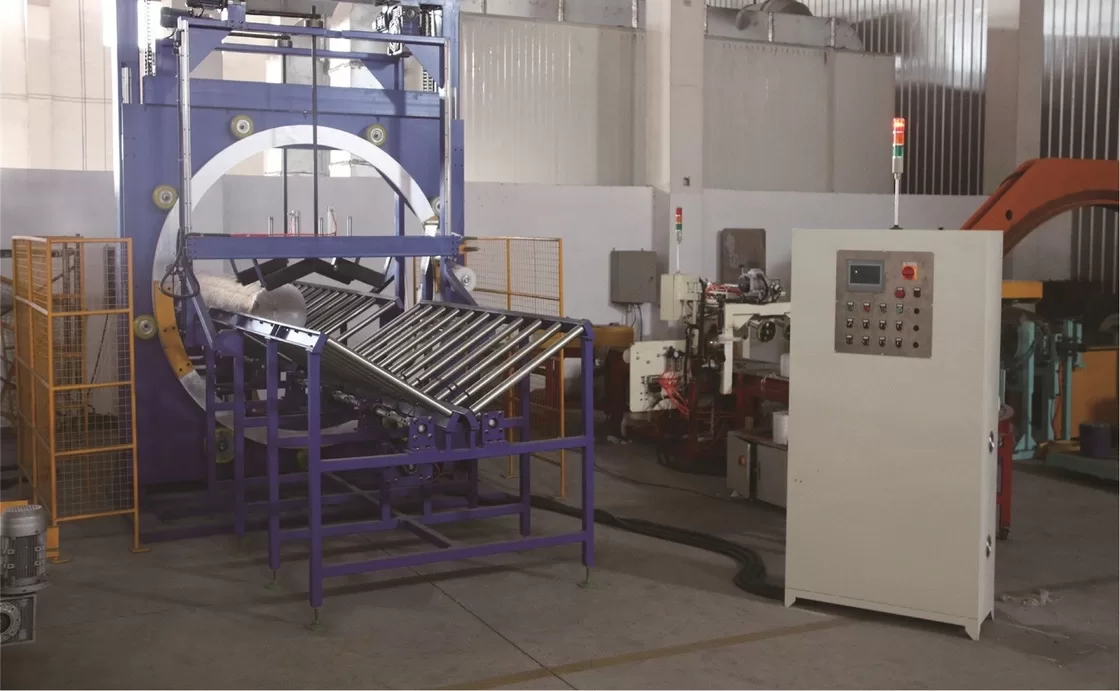
You might be asking yourself, “How exactly does orbital stretch wrapping do all this?” Or maybe, “Is it truly worth the investment for my Australian factory?” As someone who started as an employee in a packing machine factory and later built my own successful factory, I understand these questions very well. I have faced these challenges myself. Let’s dig deeper into the specific benefits of this technology.
Does Orbital Stretch Wrapping Really Protect Products Better Than Shrink Wrapping?
Is product damage during shipping or storage a silent problem for your business? Do your valuable steel coils or wire bundles sometimes arrive at your customers’ sites with scratches, dents, or even rust? This can lead to costly complaints and returned goods. Traditional shrink wrapping might offer some basic protection. But it often falls short when handling the tough demands of shipping heavy industrial goods. It is simply not strong enough. This leaves your products vulnerable to damage. Orbital stretch wrapping gives you a level of secure, all-around protection that shrink wrapping cannot match. It ensures your products get to their destination in perfect condition.
Orbital stretch wrapping protects products better than shrink wrapping by creating a tight, multi-layered, and weather-resistant seal around irregularly shaped items like coils and long products, which prevents dust, moisture, and impact damage more effectively than the heat-shrunk film, ensuring superior load containment and product integrity during transit and storage.
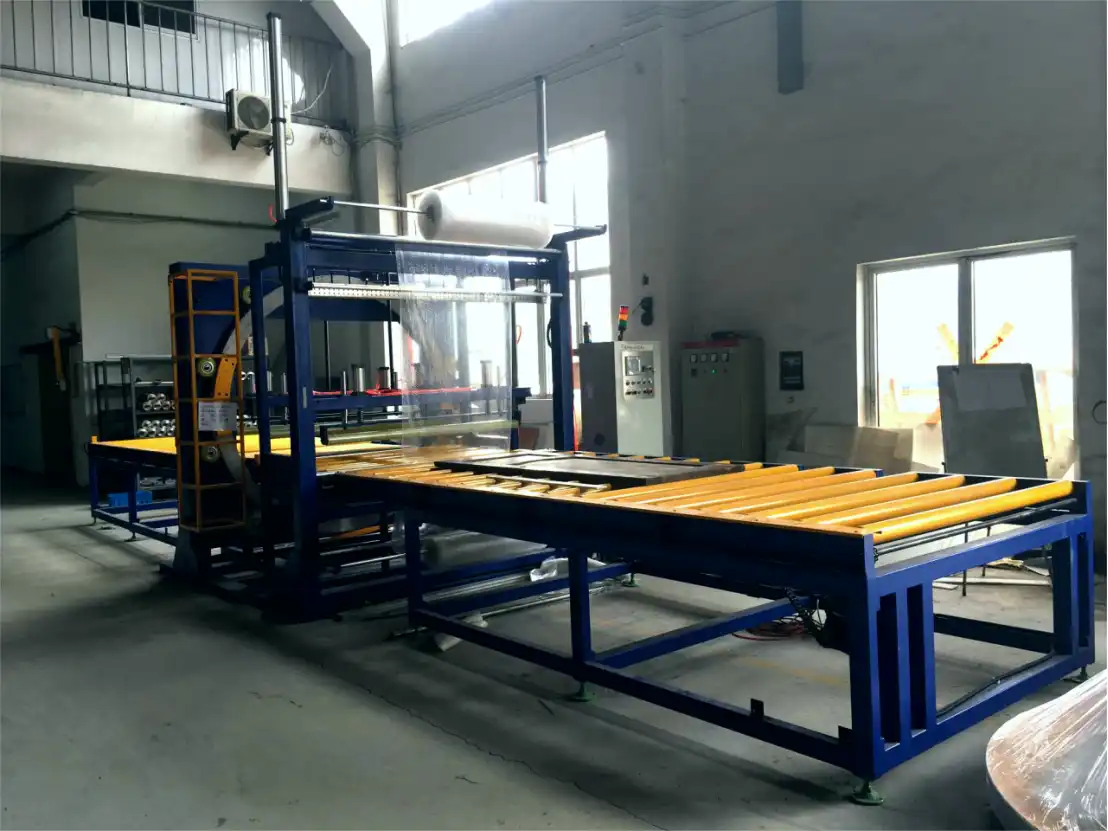
Protecting your products during their journey from your factory floor to your customer’s doorstep is crucial. For Australian manufacturers dealing with heavy items like steel coils, pipes, or wire bundles, product damage is a major concern. Traditional shrink wrapping uses a film that shrinks tightly around the product with heat. This can provide a decent cover. However, it often leaves gaps or weak spots, especially around odd shapes or sharp edges. Think about a large steel coil; its edges are very prone to damage. Shrink wrap might not offer enough cushioning or resistance to abrasion. This means your products can get scuffed, dented, or even exposed to moisture. Moisture can lead to rust, which is a big problem for metal products. I remember early in my career, seeing batches of perfectly made coils getting returned because of minor rust spots from poor packaging. It was a huge waste of time and money.
Orbital stretch wrapping works differently. It wraps film around the product in a continuous, orbital motion. This creates multiple layers of stretch film that are tightly bound together. This method forms a robust, almost waterproof barrier. It conforms closely to the product’s shape, even irregular ones. This multi-layered wrap offers far better resistance against dust, dirt, and especially moisture. The film layers also provide a degree of cushioning against impacts during handling and transport. For steel coils, the orbital wrapping machine wraps around the entire diameter of the coil, securing the inner and outer edges equally well. This significantly reduces edge damage and protects against rust. Fewer damaged products mean fewer customer complaints. It also means less money lost on returns and replacements. This directly improves your bottom line. It also strengthens your brand reputation.
Shrink Wrap vs. Orbital Stretch Wrap: Product Protection
| Feature | Shrink Wrapping | Orbital Stretch Wrapping |
|---|---|---|
| Film Application | Heat-applied, shrinks tightly | Room temperature, multi-layer stretch |
| Product Shape | Best for regular shapes, less effective on irregular | Excellent for irregular, long, and circular items |
| Moisture/Dust | Moderate barrier, can have gaps | High barrier, excellent dust and moisture resistance |
| Impact Protection | Limited cushioning, can be brittle when cold | Good cushioning, layers absorb impacts |
| Edge Protection | Weak, prone to tearing on sharp edges | Strong, wraps all around, protecting edges well |
| Vibration Hold | Can loosen with movement | Very strong load containment, reduces shifting |
Can Orbital Stretch Wrapping Truly Make My Factory Safer?
Are your Australian factory workers constantly at risk from manually handling heavy, awkward products like steel coils or bundles of wire? Many traditional packing methods still rely on people doing dangerous tasks. This can lead to sprains, strains, or even more serious injuries. These injuries then cause high insurance costs and increased employee absences. Relying on manual labor for packaging these heavy items is not just slow. It is a real threat to your employees’ health and safety. It also directly impacts your company’s financial health. Accidents can stop your production lines. They can cost your business a lot of money in medical bills, lost time, and even legal fees. Orbital stretch wrapping systems dramatically reduce the need for manual work. This makes your packing line much safer for everyone involved.
Orbital stretch wrapping truly makes factories safer by automating the entire wrapping process, which eliminates the need for workers to manually lift, rotate, or secure heavy, bulky items like coils and wire bundles, thereby dramatically reducing the risk of musculoskeletal injuries, crushed limbs, and other workplace accidents associated with traditional hand-wrapping or shrink wrapping methods.
Safety is a top priority for any responsible manufacturer, especially in Australia, where workplace health and safety (OH&S) regulations are strict. In many older packing setups, workers have to manually maneuver heavy products onto a wrapping station. They might also need to apply shrink wrap by hand using heat guns. Or they might simply flip or move heavy items around. Think about a factory like Michael Chen’s metal processing plant. Workers are dealing with heavy steel coils all day. Manually moving these items creates a high risk of back injuries, crushed limbs, or other serious accidents. These incidents not only cause pain and suffering for your employees but also lead to significant costs for your business. This includes worker’s compensation claims, increased insurance premiums, and lost productivity due to employee absence or turnover. I have seen firsthand the impact of workplace injuries. It is heartbreaking to see a dedicated employee get hurt just because of outdated processes.
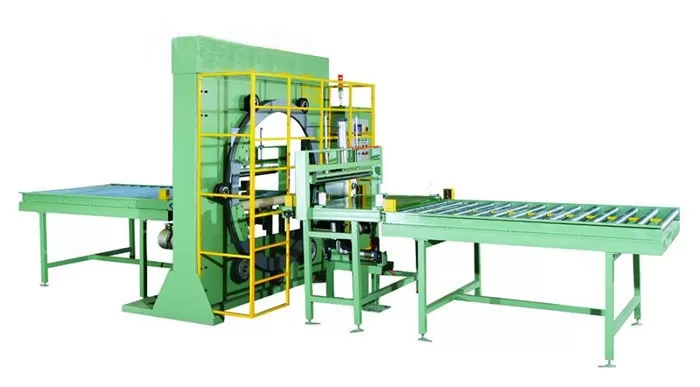
Orbital stretch wrapping machines automate the entire wrapping process. The product, whether it is a coil, pipe, or bundle, is often fed directly into the machine via a conveyor system. Or a crane can place it onto the machine’s infeed. Once the product is in place, the machine does all the work. It automatically wraps the film around the product as it passes through the machine’s eye. This means workers no longer need to manually lift, turn, or physically apply the wrapping material. This completely removes them from harm’s way. The reduction in manual handling is the single biggest safety benefit. It greatly lowers the risk of musculoskeletal disorders (MSDs), which are common in industries with heavy lifting. Beyond direct injuries, it also improves overall worker morale. Employees feel safer and more valued when their employer invests in their well-being. This can lead to better staff retention and a more positive work environment. Investing in automation is not just about machines; it is about protecting your most valuable asset: your people.
Safety Benefits: Manual vs. Automated Packing
| Aspect | Manual / Shrink Wrapping | Orbital Stretch Wrapping |
|---|---|---|
| Worker Interaction | High manual lifting, turning, applying film | Minimal, primarily machine operation/monitoring |
| Injury Risk (MSDs) | High (back strain, sprains, crushes) | Very low, manual handling eliminated |
| Accident Severity | Can be severe (crushed limbs, falls) | Reduced, most risks associated with machine faults |
| Compliance (OH&S) | More difficult to meet strict manual handling laws | Easier to comply with safety regulations |
| Insurance Premiums | Potentially higher due to higher claims | Potentially lower due to fewer incidents |
| Workplace Morale | Can be lower due to strenuous, risky tasks | Higher due to safer, less physically demanding work |
Will Orbital Stretch Wrapping Actually Improve My Production Efficiency and Lower Costs?
Is your packing line the biggest bottleneck in your production process? Is it slowing down your deliveries and driving up your labor costs? Are you constantly fighting with inefficient processes that eat into your profit margins? Old shrink wrapping methods often mean slow speeds. They also need a lot of workers. And they create a lot of material waste. This directly hurts your production rate and how competitive you are. This is especially true in the busy Australian market. Orbital stretch wrapping offers a smooth, automated solution. It speeds up your packing process. It also cuts down on your operating expenses. This makes your factory more profitable.
Orbital stretch wrapping significantly improves production efficiency and lowers costs by automating high-speed packaging, reducing reliance on expensive manual labor, optimizing material usage, and minimizing product damage, all of which contribute to faster throughput, lower operational expenses, and a stronger return on investment for Australian manufacturers.

For any manufacturing business, efficiency is king. Every minute saved and every dollar reduced in cost directly boosts your profitability. Traditional shrink wrapping, especially for large or heavy products, is a slow process. It often involves multiple steps: positioning the product, manually applying the film, and then using a heat gun or tunnel to shrink it. This process is highly labor-intensive. It ties up valuable employees who could be doing other, more skilled tasks. The speed of packing becomes a limit on your overall production speed. If your packing line cannot keep up with your production, you end up with bottlenecks. This delays shipments and upsets customers. When I was setting up my own packing machine factory, I focused heavily on streamlining every single process. I knew that even small gains in efficiency across the whole line added up to huge savings.
Orbital stretch wrapping machines are designed for high-speed operation. They can wrap products much faster than manual methods. This means higher throughput for your packing line. Many machines can wrap a product in just a few minutes, or even seconds, depending on its size. This increased speed drastically reduces the time a product spends in the packing area. This frees up space and reduces work-in-progress inventory. The biggest cost saving comes from reducing labor. One automated orbital wrapper can often replace several workers who were previously doing manual packing. This reduces your wage bill. It also frees up staff for other roles within the factory. Beyond labor, orbital wrapping also optimizes material use. Stretch film is generally less expensive per meter than shrink film. Also, because the stretch film conforms so well and offers better protection, you might use less film overall, as you reduce re-packaging needs. Fewer damaged products also mean fewer costly reworks, returns, and customer complaints. When you factor in the labor savings, material cost reductions, and prevention of product damage, the return on investment (ROI) for an orbital stretch wrapper can be very quick for an Australian manufacturer. It is a smart financial decision.
Efficiency and Cost Benefits: Orbital Stretch Wrapping
| Metric | Manual / Shrink Wrapping | Orbital Stretch Wrapping |
|---|---|---|
| Packing Speed | Slow, reliant on human pace | Fast, machine-driven (multiple items/minute) |
| Labor Cost | High, requires multiple operators | Low, requires minimal supervision |
| Material Cost | Can be higher per wrap, more waste | Lower per wrap, optimized film usage |
| Product Damage | Higher risk of damage during packing/transit | Significantly lower due to superior protection |
| Throughput | Limited by manual process | High, matches production line speed |
| ROI | Low or negative (due to costs/damage) | High, quick payback from savings |
What Are My Personal Insights on Embracing New Packing Technologies?
Do you ever hesitate to adopt new technologies in your factory? Many manufacturers feel this way. They might fear the unknown. Or they might question if the benefits are really worth it. Are you sticking with old ways because you are worried about the disruption a big upgrade could cause? This hesitation can cost you more than just the price of a new machine. It means you miss chances for growth. You stay stuck in inefficiency. And you struggle to keep up with competitors who are moving forward. From my own journey building FHOPEPACK, I have learned a key lesson. Investing in the right technology is not just an expense. It is a smart, strategic move. It pays off in every part of your business.
My personal insight on embracing new packing technologies is that they are not just about buying a machine; they are about investing in a strategic partnership and a mindset shift towards continuous improvement, leading to long-term gains in efficiency, safety, and profitability that far outweigh the initial investment, especially when partnering with a knowledgeable supplier who understands your unique challenges.

My journey in the packing machine industry started on the factory floor. I saw all the challenges firsthand: the inefficiencies, the safety risks, the wasted materials, and the frustrated customers receiving damaged goods. That experience taught me something very important. A machine is just a tool. Its real value comes from how it solves problems and how it fits into a larger operation. This is why I eventually decided to start my own packing machine factory and later, FHOPEPACK. I wanted to help others not just buy a machine, but to truly understand how to use technology to grow their businesses. I believe in sharing knowledge.
When Australian manufacturers consider an upgrade to orbital stretch wrapping, it is not just about the machine itself. It is about finding a partner. This partner should understand your specific production bottlenecks. They should know your safety concerns. They should grasp your efficiency problems. Just like Michael Chen, a factory manager I know, often looks for a supplier who “truly understands his challenges.” This is crucial. A good supplier does not just sell you a piece of equipment. They offer insights. They provide reliable solutions. They help you analyze your current processes and show you where the real gains are. They also offer strong after-sales support. This ensures your investment continues to perform well for years.
I have seen countless clients grow their businesses after making the right technology investments. It gave me great satisfaction to see them achieve financial independence, much like I did. This experience really cemented my belief in giving back. That is what FHOPEPACK is all about. It is a platform for sharing what I have learned. When you upgrade to something like an orbital stretch wrapper, you are not just buying metal and wires. You are buying improved safety for your team. You are buying higher efficiency. You are buying better product quality for your customers. You are buying a stronger, more competitive future for your business. It is a long-term investment. The upfront cost might seem big. But the long-term benefits in reduced labor, fewer damages, and increased output make it pay for itself many times over. Choose a partner who cares about your success, not just making a sale.
Strategic Investment: Beyond Just a Machine
| Aspect | Transactional Purchase (Old Way) | Strategic Partnership (New Way) |
|---|---|---|
| Focus | Buying a machine, price-driven | Solving problems, long-term value |
| Supplier Role | Salesperson, order taker | Consultant, problem solver, expert |
| Support | Limited after-sales, reactive | Proactive, comprehensive, knowledge-sharing |
| Outcome | Functional equipment, possible buyer’s remorse | Sustainable growth, increased competitiveness |
| Mindset Shift | Cost center | Investment for ROI and future growth |
| Risk Mitigation | High, reliant on self-assessment | Lower, guided by experienced partner |
Conclusion
Upgrading to orbital stretch wrapping helps Australian manufacturers protect products, enhance safety, boost efficiency, and save costs, ensuring a competitive edge and profitable future.








