
Why Do Italian Tire Factories Adopt Coil Wrapping Machines for Safer Bulk Packaging?
In the fast-paced world of manufacturing, keeping production lines moving is everything. But what happens when crucial steps, like packaging, become bottlenecks or, worse, safety hazards? I have seen this problem time and again in my journey through the packing machine industry. Many factories, especially those dealing with heavy, coiled materials, struggle with outdated methods that slow down operations, put workers at risk, and even damage valuable products.
The shift towards automated solutions, like coil wrapping machines, is no longer just an option for advanced factories; it is a necessity for survival and growth. Italian tire factories, known for their precision and commitment to quality, have been early adopters of these machines precisely because they offer a powerful solution to the challenges of traditional bulk packaging, ensuring both worker safety and product integrity from the factory floor to the customer.

As someone who started on the factory floor and then built my own successful packing machine business, I understand the pressures factory managers face every day. You are looking for reliable ways to boost output, cut costs, and keep everyone safe. This is why understanding the “why” behind these adoptions is so important. Let’s dive deeper into how modern coil wrapping technology can transform your operations, just as it has for leading manufacturers worldwide.
1. Why is Traditional Coil Packaging a Hidden Hazard in Factories?
Imagine a factory floor bustling with activity. Heavy coils, perhaps of steel, wire, or rubber, are being prepared for shipment. Now, picture the method: manual handling. This scene, while common, hides significant dangers and inefficiencies that can quietly erode a factory’s bottom line and morale. The risks are often underestimated until an incident occurs.
Traditional coil packaging methods, heavily reliant on manual labor and basic equipment, present a multitude of hazards including severe crush injuries, strains from heavy lifting, and the potential for rolling coils to cause serious accidents. Beyond these immediate safety concerns, manual processes introduce inefficiencies through slow speeds, inconsistent wrapping quality, and increased product damage, leading to higher operational costs and reduced customer satisfaction.
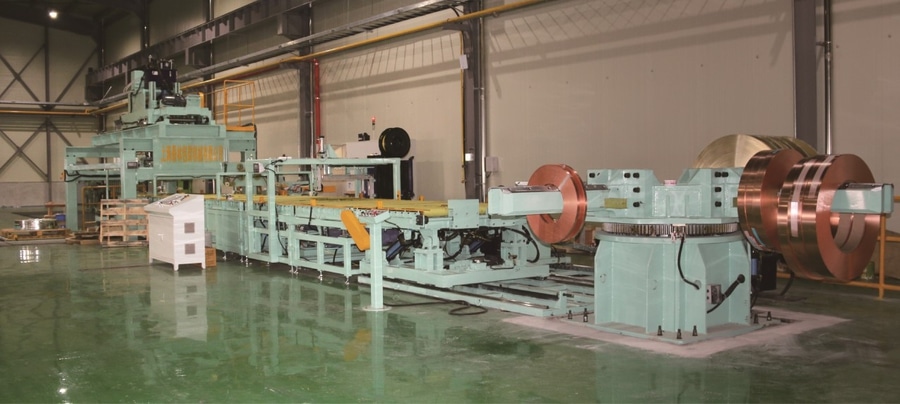
Dive deeper Paragraph: My years in the packing machine industry have shown me the direct impact of these traditional methods. When workers manually handle heavy coils, they are constantly exposed to risks. A single steel coil can weigh hundreds, or even thousands, of kilograms. Moving these items with forklifts and then having workers wrap them by hand is a recipe for disaster. I have seen factories where injuries, from sprains and strains to more severe crush incidents, are sadly common. This not only causes immense suffering for the individuals involved but also drives up insurance costs and leads to high employee turnover. Skilled labor is hard to find, and losing experienced workers due to preventable accidents is a significant setback for any operation.
Let’s break down the hidden costs and risks:
🏭 Direct Safety Risks
- Crush Injuries: Heavy coils can easily shift, roll, or fall, leading to severe crush injuries, amputations, or even fatalities. Workers often need to get close to the coil to apply wrapping material, increasing their exposure.
- Musculoskeletal Disorders (MSDs): Repeated bending, lifting, pulling, and twisting motions while handling wrapping materials or positioning coils contribute to long-term back injuries, joint pain, and other MSDs.
- Forklift Accidents: While forklifts are used to move coils, manual wrapping still requires workers to be in close proximity to moving machinery, increasing the risk of being struck by or caught between equipment.
📉 Operational Inefficiencies
- Slow Production Speeds: Manual wrapping is inherently slow. Each coil takes a considerable amount of time to wrap properly, creating bottlenecks at the end of the production line. This directly impacts overall factory output and delivery schedules.
- Inconsistent Quality: Human error is a factor. The tension of the wrapping material, the overlap, and the overall coverage can vary from coil to coil. This inconsistency can lead to inadequate protection, making products vulnerable to damage during transit.
- High Labor Costs: A significant number of workers are required for manual packaging operations. This means higher wages, benefits, and training costs, all without the benefit of increased speed or safety.
- Product Damage: Inconsistent wrapping means coils are not always fully protected. Edges of steel coils, for example, can be exposed and get dinged or scratched during internal transfers or shipping. This leads to customer complaints, returns, and ultimately, profit loss. I remember one client telling me how frustrating it was to have a perfectly manufactured coil rejected because of minor cosmetic damage from poor packaging.
These problems are not unique to one industry or region. Whether it is steel in Mexico, wire in China, or tire components in Italy, the fundamental challenges of manually handling and packaging heavy coils remain the same. Recognizing these “hidden hazards” is the first step toward finding a better way.
2. How Do Coil Wrapping Machines Directly Boost Worker Safety and Compliance?
Once we understand the dangers of traditional methods, the solution becomes clear. The adoption of coil wrapping machines is not just about automation; it’s fundamentally about creating a safer work environment and ensuring regulatory compliance. For factory managers like Michael, this means fewer accidents, lower insurance premiums, and a more engaged workforce.
Coil wrapping machines drastically enhance worker safety by automating the hazardous process of packaging heavy coils, thereby eliminating the need for manual handling, reducing exposure to moving parts, and ensuring consistent, secure wrapping. This automation directly helps factories meet stringent safety regulations and reduces workplace injuries, fostering a more compliant and secure operational environment.

Dive deeper Paragraph: From my vantage point, having designed and implemented numerous packing solutions, the safety benefits of coil wrapping machines are perhaps their most compelling feature. They transform a dangerous, labor-intensive task into a controlled, machine-driven process. Workers no longer need to physically interact with heavy, potentially unstable coils during the wrapping phase. Instead, the machine takes over, performing the repetitive and risky actions. This shift has a profound impact on a factory’s safety record and its overall culture.
Here is how coil wrapping machines achieve this:
🛡️ Eliminating Manual Handling & Direct Contact
- Reduced Physical Strain: Workers are no longer required to pull, stretch, or apply wrapping material by hand around large, heavy coils. The machine does the heavy lifting, pulling, and wrapping. This significantly reduces the risk of musculoskeletal injuries.
- No Proximity to Moving Coils: Once a coil is loaded onto the machine (often by forklift or crane), the wrapping process is entirely automated. Workers can stand at a safe distance, away from rotating coils and the wrapping mechanism. This eliminates the risk of crush injuries or being struck by the product.
- Consistent, Secure Wrapping: The machine applies consistent tension and overlap, ensuring the coil is tightly and securely wrapped. A well-wrapped coil is less likely to unravel, shift, or cause instability during storage and transport, further reducing risks for handlers down the line.
📜 Enhancing Regulatory Compliance
- Meeting OSHA & Local Standards: Many countries, including Italy and Mexico, have strict occupational safety and health regulations. Automated packing solutions demonstrate a commitment to worker safety, helping factories comply with these standards and avoid hefty fines.
- Improved Accident Reporting: With fewer manual interventions, there are fewer opportunities for accidents. This leads to a cleaner safety record and simplifies accident reporting processes.
- Positive Safety Culture: Investing in worker safety through automation sends a strong message to employees: their well-being is a priority. This can boost morale, reduce absenteeism, and foster a more positive and productive work environment. I’ve observed that when employees feel safe, they are more engaged and committed to their work.
Consider the contrast: one scenario involves workers manually wrestling with massive, potentially unstable objects, while the other sees a machine efficiently and safely completing the task with minimal human intervention. The choice is clear. For factory managers who bear the responsibility of both production targets and worker safety, coil wrapping machines offer a tangible, effective solution that aligns with modern industrial standards and humane working conditions. This is a critical investment not just in equipment, but in people.
3. What Are the Unseen Efficiency and Profit Gains from Automated Coil Packing?
While safety is paramount, the decision to invest in a coil wrapping machine also comes down to hard numbers: efficiency and profitability. Factory managers, especially those with decades of experience like Michael, understand that every process must contribute to the bottom line. Automation is not just a cost, but an investment with a clear, measurable return.
Automated coil packing machines unlock significant efficiency and profit gains by dramatically increasing packing speed, reducing labor costs through minimal manual intervention, and minimizing product damage during packaging and transit. This leads to higher throughput, lower operational expenses, fewer customer complaints, and ultimately, a substantial return on investment for the factory.
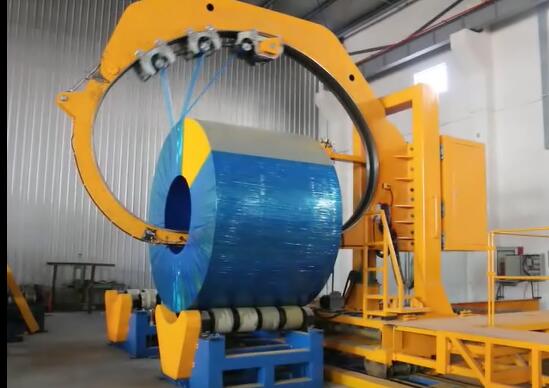
Dive deeper Paragraph: My experience building and running a packing machine factory has taught me that efficiency is the lifeblood of manufacturing. Every minute saved, every material optimized, every error prevented directly translates into improved profitability. Coil wrapping machines are masters of this. They don’t just wrap; they optimize the entire end-of-line process. This optimization touches various aspects of factory operations, creating a domino effect of positive outcomes that often go “unseen” until the data is analyzed.
Let me outline some of these critical gains:
⚡ Boosted Throughput and Speed
- Rapid Wrapping Cycles: Automated machines can wrap coils significantly faster than human workers. What might take several minutes manually can be done in under a minute by a machine, depending on coil size and wrapping requirements. This eliminates the bottleneck at the packaging stage.
- Continuous Operation: Machines can operate continuously for long shifts without fatigue or breaks, maintaining a consistent high speed. This ensures a steady flow of packaged products, aligning perfectly with other automated stages of the production line.
- Increased Production Capacity: By accelerating the packing process, factories can handle a higher volume of coils, effectively increasing their overall production capacity without needing to expand their physical footprint or hire more staff. This is a game-changer for meeting growing market demands.
💰 Significant Cost Reduction
- Reduced Labor Costs: This is one of the most direct and substantial savings. Automated machines can replace multiple workers previously assigned to packaging tasks. Those employees can then be redeployed to other areas of the factory where their skills are more critical, or labor costs can be reduced.
- Minimized Material Waste: Coil wrapping machines are designed for precision. They apply wrapping film with consistent tension and overlap, minimizing material overuse or breakage. Manual wrapping often leads to wasted film due to uneven application or accidental tearing.
- Lower Insurance Premiums: As mentioned earlier, fewer workplace injuries directly translate to lower workers’ compensation claims and potentially reduced insurance premiums for the factory. This is a tangible saving that adds up over time.
🛡️ Enhanced Product Protection & Customer Satisfaction
- Consistent, Durable Wrapping: The machine’s precise control ensures every coil receives the same high-quality, protective wrap. This consistency safeguards against dust, moisture, and physical damage during storage, transport, and handling.
- Reduced Product Damage: With superior protection, instances of product damage (like scratches on steel coil edges or scuffs on rubber coils) are drastically reduced. This means fewer customer complaints, fewer returns, and better overall product quality delivered to the end-user.
- Improved Brand Reputation: Delivering consistently high-quality, perfectly packaged products enhances a factory’s reputation for reliability and attention to detail. This builds customer trust and can lead to repeat business and new opportunities.
Consider a simple ROI calculation: the cost of the machine versus the annual savings in labor, material waste, and avoided damage. My clients often see the investment pay for itself in a surprisingly short period. For a factory manager scrutinizing every expense, these “unseen” gains are the very pillars of long-term financial health and growth.
4. Why Do Smart Manufacturers, Like Those in Italy, Invest in Specialized Packing Solutions?
The decision by Italian tire factories to adopt coil wrapping machines is not an isolated incident; it reflects a broader trend among smart, forward-thinking manufacturers worldwide. Italy, a hub of advanced manufacturing and innovation, especially in the automotive and rubber industries, sets high standards for efficiency, quality, and safety. Their choice to invest in specialized packing solutions like coil wrapping machines is a testament to the undeniable value these systems bring.
Smart manufacturers, particularly those in competitive markets like Italy, invest in specialized packing solutions such as coil wrapping machines because these systems offer a critical blend of advanced safety features, unparalleled operational efficiency, and superior product protection. This strategic investment ensures they maintain a competitive edge, meet stringent industry standards, and deliver consistent quality, reflecting a deep understanding of long-term business sustainability.
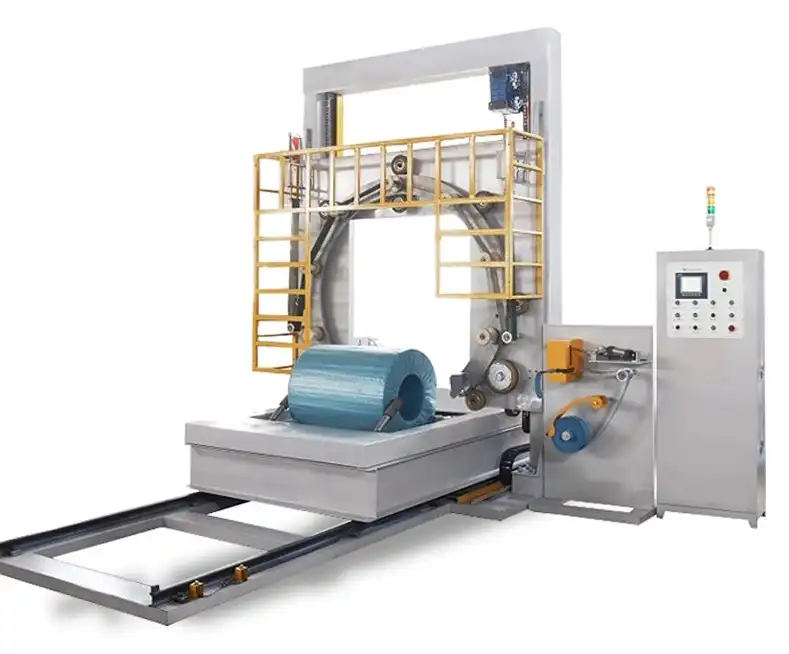
Dive deeper Paragraph: My journey has given me a unique perspective on global manufacturing trends. I’ve worked with factories across continents, from small workshops to large-scale operations. What sets the successful ones apart is their willingness to embrace innovation and invest strategically in solutions that address their core challenges. Italian manufacturers, with their reputation for excellence, embody this approach. They don’t just buy machines; they invest in solutions that align with their business philosophy and market demands.
Let’s explore the driving forces behind these strategic investments:
🌍 Global Competitiveness and Market Demands
- Meeting International Standards: Italian tire manufacturers export globally. This means their products must meet rigorous international quality, safety, and packaging standards. Automated coil wrapping ensures consistency and compliance, which is vital for international trade.
- Customer Expectations: Today’s customers, whether B2B or B2C, expect flawless products delivered on time and in perfect condition. Specialized packing solutions help meet these high expectations, preventing transit damage and ensuring customer satisfaction.
- Supply Chain Resilience: In a volatile global economy, a resilient supply chain is crucial. Efficient, automated packaging ensures products are ready for shipment quickly and reliably, reducing delays and disruptions.
📈 Long-Term Vision and ROI Focus
- Strategic Investment: Smart manufacturers view these machines not as expenses but as strategic investments that pay dividends over many years. The ROI calculation for reduced labor, fewer accidents, less product damage, and increased throughput is a powerful motivator.
- Future-Proofing Operations: Investing in automation prepares a factory for future growth and technological advancements. It positions the business to scale up production and adapt to new demands without significant overhauls.
- Attracting Talent: Modern, safe, and efficient factories are more attractive to skilled workers. This helps in talent acquisition and retention, which is a significant competitive advantage in industries facing labor shortages.
💡 Expertise and Partnership
- Seeking Knowledgeable Partners: Manufacturers like those in Italy, and factory managers like Michael, are not just looking for a vendor; they are seeking a partner who understands their industry, their specific challenges, and can offer tailored solutions. This is where my team and I at FHOPEPACK come in. My journey from an engineer to a factory owner taught me the value of practical knowledge and reliable support.
- Customization and Integration: Specialized solutions often need to be integrated into existing production lines. An experienced partner can ensure seamless integration, provide training, and offer robust after-sales support – crucial factors that differentiate true partners from mere sellers.
The decision to invest in a coil wrapping machine, therefore, is multifaceted. It’s about protecting workers, optimizing processes, ensuring quality, and securing a competitive position in the global market. It’s a testament to the belief that investing in smart, specialized technology is the path to sustainable success.
Conclusion
The adoption of coil wrapping machines by Italian tire factories highlights a critical truth: modern manufacturing demands safer, more efficient, and reliable packaging. It’s an investment in worker well-being, product integrity, and long-term business growth.








