
Why Do Italian Engineers Recommend Coil Wrapping Machines for Reducing Transport Losses?
Have you ever seen a perfectly good coil of steel or wire arrive at its destination, only to be rejected because of preventable damage? This problem plagues many factory managers. They lose money and customer trust. It is a frustrating issue that hurts the bottom line. It makes you wonder if there is a better way.
Italian engineers strongly recommend coil wrapping machines to stop transport losses. These machines protect products during transit. They use advanced technology to wrap coils tightly. This prevents damage like scratches, dents, and rust. It keeps the product safe from the factory floor to the customer’s dock.
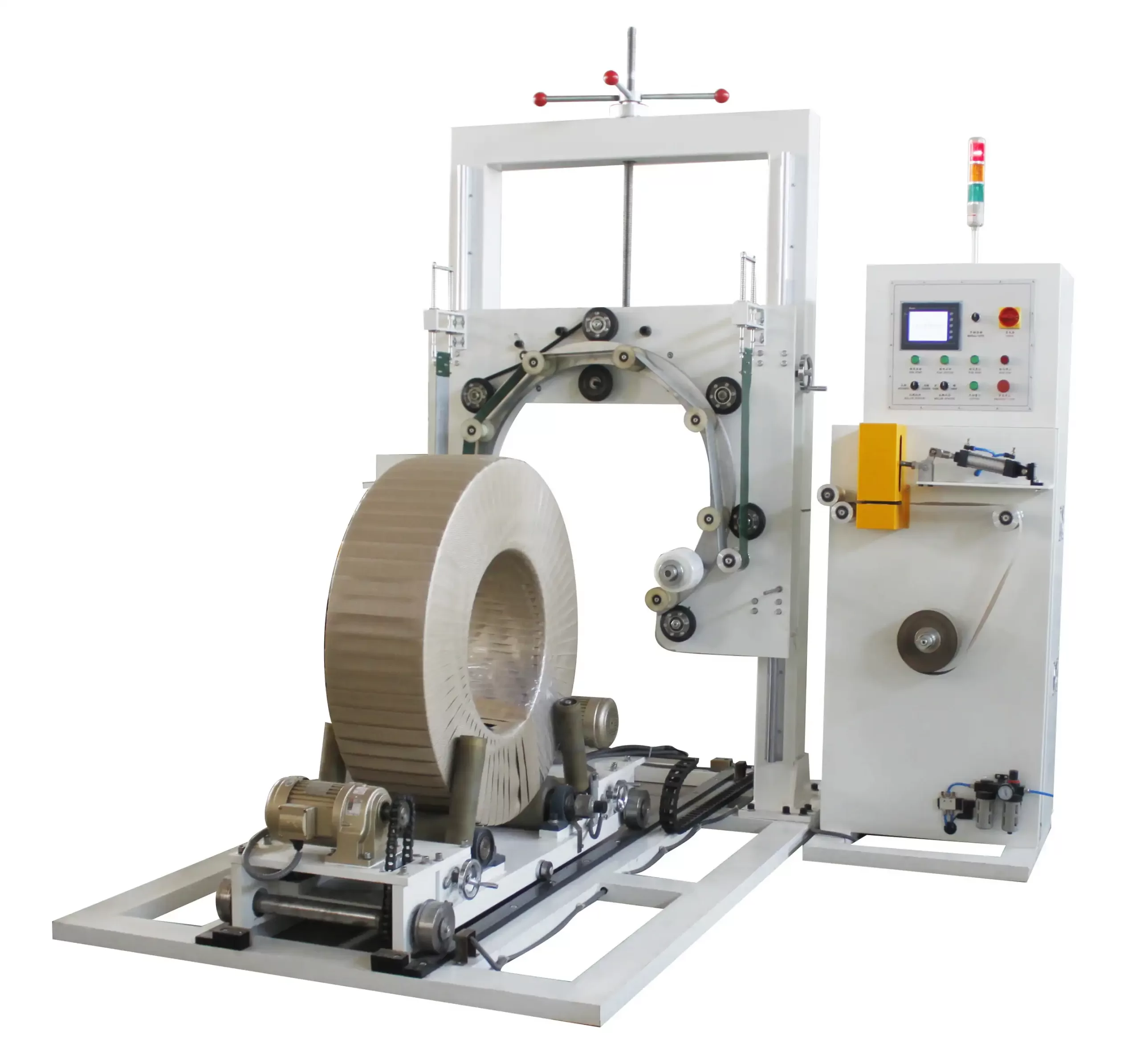
I have spent many years in the packing machine industry. I have seen countless factories struggle with these exact issues. I built my business on finding real solutions. Today, I want to share insights that can help you protect your products and profits. Let’s look at why these machines are a smart investment.
1. Why Do Transport Losses Become Such a Big Problem for Steel Coils?
Imagine a large coil of steel. It moves through a busy factory, then onto a truck, and finally to a client. At each step, there is a risk. What if the packaging fails? What if the coil gets bumped or scratched? These small issues can lead to big problems. This is a common worry for many factory managers. They see their hard work wasted by preventable damage.
Transport losses are a major problem for steel coils because these products are heavy, sensitive, and travel long distances. Without proper protection, coils face risks like surface damage, rust from moisture, and deformation. These issues happen during loading, shipping, and unloading. Each instance of damage means a financial loss for the factory and a potential loss of customer trust.

The High Cost of Unprotected Coils 💰
I have personally seen factories lose hundreds of thousands of dollars each year. This happens because of product damage during transit. It is not just about the cost of the ruined product. It also includes the cost of re-manufacturing, shipping replacements, and handling customer complaints. When I first started working in a packing machine factory, I quickly learned how crucial the final packing stage was. My clients, who trusted me to help them grow, would often highlight how much money they lost from damaged goods. This feedback drove me to focus on solutions that offered maximum protection.
Let’s break down the hidden costs:
- Direct Product Loss: This is the most obvious. A damaged coil cannot be sold as new. It might be scrapped or sold at a huge discount.
- Rework and Production Delays: If a coil is damaged, you might need to stop production to make a replacement. This throws off schedules and increases operational costs.
- Shipping Costs for Replacements: You have to pay to send a new coil. Sometimes, you also pay to send back the damaged one. This doubles your shipping expenses.
- Customer Dissatisfaction: A damaged product makes customers unhappy. They might switch to a competitor. This hurts your reputation and long-term business.
- Insurance Premiums: Frequent claims for damaged goods can lead to higher insurance rates. This adds another layer of cost.
- Labor Costs: Handling returns, inspections, and customer service for damaged products takes employee time. This is time they could spend on more productive tasks.
| Damage Type | Description | Impact on Business |
|---|---|---|
| Surface Scratches | Abrasions on the coil’s outer layer | Reduces aesthetic value, potential for rust, customer rejection |
| Edge Dents | Deformations on the coil’s edges | Functional issues, difficulty in processing, safety risk |
| Rust/Corrosion | Chemical reaction due to moisture/humidity | Structural weakening, complete rejection |
| Loosening | Packing becomes loose, coil unwinds | Safety hazard, product disarray, further damage |
Consider Michael Chen, a factory manager in Mexico. He deals with heavy metal processing. His current manual packing process causes frequent damage to steel coil edges. This results in customer complaints and profit loss. He sees the impact directly. Investing in better packing is not just an expense. It is a critical step to protect revenue and reputation. Michael needs a solution that understands his pain points and gives a clear ROI. A coil wrapping machine directly addresses these issues by creating a secure, protective barrier. It ensures that the product arriving at the customer’s site is exactly what they expect: pristine and ready for use. This direct protection mitigates not only financial losses but also strengthens client relationships, paving the way for consistent business growth. It also removes the common headaches of dealing with damage claims and rework.
2. How Do Traditional Packing Methods Increase Your Risks and Costs?
Many factories still use old packing methods. They rely on manual labor and simple materials. These methods seem cheap at first. But they create many hidden problems. Factory managers often face slow operations and high accident rates. This makes them question if there is a better way to pack their products.
Traditional packing methods, like manual wrapping or basic strapping, increase risks and costs due to their inefficiency, high labor demand, and insufficient protection for heavy products. These methods often lead to slower production, higher rates of product damage during transit, and serious safety hazards for workers handling heavy coils. This combination drives up operational expenses and reduces overall factory profitability.
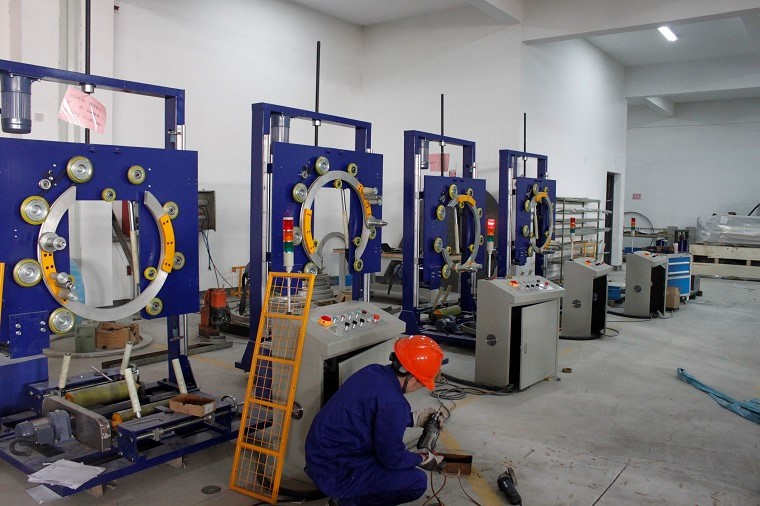
The Pitfalls of Old Packing Ways 🛑
My journey in the packing industry started right on the factory floor. I saw firsthand how much effort went into manual packing. Workers would sweat, strain, and often injure themselves. They used simple straps and sheets, hoping it would be enough. But it often was not. I learned that efficiency and safety are two sides of the same coin. If you compromise one, the other suffers. When I founded my own packing machine factory, my goal was always to provide solutions that improved both.
Here are the main issues with traditional packing:
- Slow Production Speed: Manual packing is inherently slow. Each coil takes a long time to wrap and secure. This creates bottlenecks at the end of the production line. It slows down the entire factory.
- High Labor Costs: You need many workers to pack coils manually. These are often physically demanding jobs. High labor demand means higher wages, benefits, and training costs.
- Increased Safety Risks: Handling heavy coils manually is dangerous. Workers face risks of back injuries, crushed limbs, and other accidents. This leads to higher insurance costs and lost workdays. Michael Chen, for example, worries about high injury risks and employee turnover from manual handling.
- Inconsistent Packing Quality: Human error is unavoidable. Some coils might be wrapped tighter than others. This inconsistency means some coils are more protected than others.
- Poor Product Protection: Basic wrapping often does not protect coils well enough. It might not stop moisture, impacts, or vibration. This leads to more product damage during transport.
- Material Waste: Manual methods can lead to more material waste. Workers might use too much film or strapping, or it might be applied incorrectly and need redoing.
Let’s look at a quick comparison:
| Feature | Traditional Manual Packing | Modern Coil Wrapping Machine |
|---|---|---|
| Speed | Slow, bottleneck creating | Fast, high throughput |
| Labor | High demand, physically intensive | Low demand, operator supervision |
| Safety | High injury risk for workers | Minimized human contact, much safer |
| Consistency | Inconsistent, prone to human error | Highly consistent, uniform wrapping |
| Protection | Often inadequate, higher damage rates | Superior, all-around protection |
| Material Use | Potentially wasteful | Optimized, reduced material usage |
| Cost over Time | High labor + damage costs | Lower operational + damage costs |
Michael’s factory faces specific challenges. His current steel coil and wire packing relies on a lot of manual work. This is slow and inefficient. It hurts his overall production and delivery times. Furthermore, the manual handling of heavy items is dangerous. It leads to high injury risks. This drives up his insurance costs and employee turnover. He needs solutions that cut down on manual heavy lifting. This will make his workers safer. An automated coil wrapping machine is the direct answer. It takes away the heavy, repetitive tasks from workers. It ensures each coil gets the same high level of protection. This directly tackles Michael’s efficiency bottlenecks and safety concerns, showing a clear path to improving his factory’s operations and profitability. The transition from manual to automated processes is not just an upgrade; it is a fundamental shift towards a safer, more productive, and financially sound operation.
3. What Makes Italian Engineering Stand Out in Coil Wrapping Solutions?
When we talk about machinery, Italian engineering often comes up. They have a strong reputation. People ask why. What makes their approach to coil wrapping machines so special? It is more than just making a machine. It is about deep thought and smart design.
Italian engineering stands out in coil wrapping solutions due to its emphasis on precision, innovation, and robust design. Italian manufacturers often combine advanced technology with high-quality components. They create machines that are reliable, efficient, and offer superior performance. This focus ensures their equipment provides consistent, high-standard wrapping for heavy industrial products, making them a preferred choice globally.
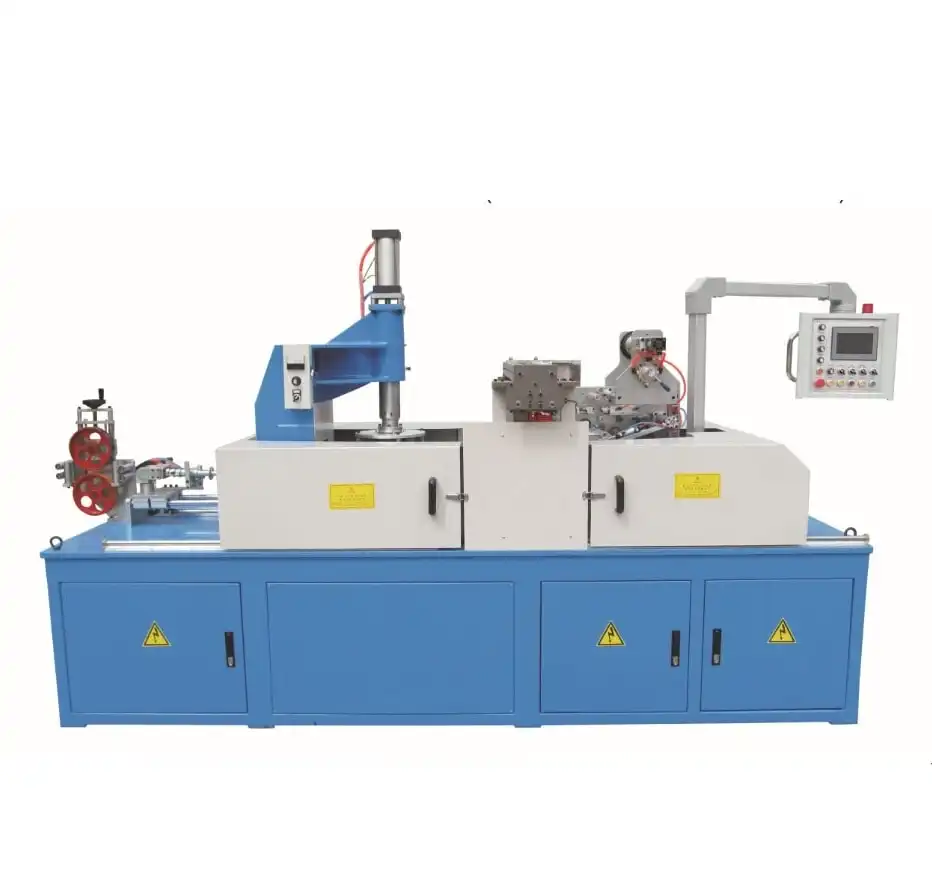
The Legacy of Precision and Innovation 🇮🇹
During my career, I have always paid close attention to global trends in packing technology. I noticed Italian machines consistently performed well. They were durable. They were precise. They often had smart features that others did not. This is not by accident. Italy has a long history of engineering excellence, especially in specialized machinery. They pour passion and detailed craftsmanship into their designs. When I was building my factory, I knew the importance of reliable machinery. I saw that many of my clients also faced this same challenge. They wanted equipment that would work without fail, day in and day out. This led me to appreciate the meticulous design and engineering that Italian manufacturers put into their machines. They build products that last and perform.
Here are key aspects of Italian engineering in coil wrapping:
- Robust Construction: Italian machines are built to last. They use heavy-duty materials and strong frames. This ensures they can handle the constant stress of industrial environments. This is vital for operations like Michael Chen’s metal processing plant. He needs equipment that withstands high intensity.
- Precision Engineering: Every component is designed with accuracy. This means smoother operation and fewer breakdowns. Precise movements ensure consistent and tight wrapping for every coil.
- Innovative Technology: Italian engineers often lead the way with new features. This includes advanced control systems, smart sensors, and energy-efficient designs. They constantly look for ways to improve performance.
- Focus on Reliability: Downtime is costly. Italian engineers know this. They design machines for maximum uptime. They use high-quality parts that reduce the need for frequent maintenance.
- Customization and Flexibility: They often offer machines that can be tailored to specific needs. This means a factory can get a machine that perfectly fits their coil sizes and production goals.
- Safety Standards: Italian engineering often meets strict European safety standards. This means machines are safer for operators and the overall factory environment.
Consider this table comparing general features:
| Feature | Typical Coil Wrapping Machine (General) | Italian Engineered Coil Wrapping Machine |
|---|---|---|
| Material Quality | Standard industrial grades | High-grade, heavy-duty alloys |
| Control System | Basic PLC, limited diagnostics | Advanced HMI, comprehensive diagnostics, smart sensors |
| Durability | Good, but wear may occur faster | Exceptional, designed for long-term, high-intensity use |
| Energy Efficiency | Moderate, standard motors | Optimized, energy-saving drives and controls |
| Service Life | Standard | Extended, with proper maintenance |
Michael Chen values equipment reliability and efficiency. He understands that any downtime means huge losses for his factory. His past experiences with unreliable suppliers make him cautious. He wants a partner who truly understands his production challenges. Italian-engineered coil wrapping machines directly meet these needs. They offer the durability, precision, and reliable performance that Michael seeks. They are designed to withstand harsh work environments. This means less downtime and more consistent output. Choosing an Italian-engineered solution is not just buying a machine. It is investing in a piece of equipment that is designed to be a dependable workhorse. This reliability helps factory managers like Michael to focus on production, not on maintenance issues. It also ensures his investment delivers a strong return, building the trust he needs in a supplier.
4. How Does a Coil Wrapping Machine Directly Combat Transport Losses?
We know transport losses are costly. We also know traditional methods fall short. So, how exactly does a coil wrapping machine solve this problem? It is not magic. It is smart engineering that targets every weak point in the packing process. Many factory managers want clear proof that an investment will pay off. They need to see how a machine directly reduces losses.
A coil wrapping machine directly combats transport losses by providing a consistently tight, secure, and protective barrier around industrial coils. It uses stretch film or other robust materials to create an all-encompassing wrap. This protection shields the product from physical impacts, dust, moisture, and corrosion during handling, storage, and transit. The automated process ensures uniform tension and overlap, which prevents the coil from loosening or unraveling, thus drastically reducing damage.

The Multi-Layered Protection Strategy ✨
From my experience designing and building packing solutions, I have always focused on holistic protection. A single layer of film is often not enough. You need multiple layers applied correctly. This is where coil wrapping machines truly shine. They automate this complex process. They ensure every part of the coil is covered. When I first helped clients automate their coil packing lines, their biggest relief was seeing the drastic reduction in customer complaints about damaged goods. This was a clear sign that the machine was doing its job. It was protecting their profits and reputation. This is the core value I aim to deliver.
Here is how coil wrapping machines achieve superior protection:
- Full Surface Coverage: The machine wraps the entire surface of the coil. This includes the inner and outer diameters, as well as the sides. This ensures no part is exposed to potential damage.
- Stretch Film Tension: The machine applies stretch film under consistent tension. This creates a tight, resilient package. It holds the coil securely together. This stops it from unwinding or shifting during transport.
- Moisture and Dust Barrier: The film acts as a barrier. It protects the coil from rain, humidity, and dust. This is very important for preventing rust and surface contamination.
- Impact Resistance: The multiple layers of film add cushioning. This helps absorb shocks and impacts during handling and transit. It reduces the risk of dents and scratches.
- UV Protection (with specialized films): Some films offer UV resistance. This protects coils stored outdoors from sun damage.
- Load Containment: The wrapping secures the coil to its pallet or base. This prevents movement and reduces the risk of the load falling or shifting. This is a key safety feature during transport.
- Increased Handling Safety: A well-wrapped coil is easier and safer to handle with forklifts or cranes. The stable package reduces the risk of accidents.
Let’s illustrate the benefits with an ROI perspective for a factory manager like Michael:
Michael’s Challenges & Coil Wrapping Machine Solutions:
| Michael’s Challenge | Coil Wrapping Machine Solution | Direct ROI |
|---|---|---|
| 📉 Efficiency Bottleneck: Slow manual packing | Automated, high-speed wrapping process | 🚀 Faster throughput, increased production capacity, reduced labor hours |
| 🤕 Safety Hazards: Manual handling of heavy coils | Minimized human interaction, automated loading/unloading | ✅ Fewer worker injuries, lower insurance costs, improved employee morale |
| 📦 Product Damage: Scratches/dents during transit | Consistent, tight, multi-layer protection against impacts and elements | 💰 Reduced product rejection, fewer customer complaints, preserved profit margins |
| 🛡️ Supplier Trust Crisis: Need for reliable partners | Proven, durable Italian engineering with strong performance and support | 🤝 Long-term reliable operation, less downtime, higher trust in investment |
Coil wrapping machines provide a clear, measurable solution to transport losses. They transform a manual, risky, and inefficient process into an automated, safe, and effective one. For Michael Chen, this means solving his end-of-line bottlenecks. It means safer operations and less product damage. Ultimately, it means a healthier bottom line. The machine does not just pack. It protects. It builds confidence. It supports growth. This is why I advocate for these solutions. They make a real difference for businesses. They offer tangible benefits that translate into improved profitability and operational peace of mind.
5. What Is My Real-World Experience with Coil Wrapping Machines?
I have spent my entire professional life in the packing machine industry. I started as an employee. Then I built my own successful factory, FHOPEPACK. This journey taught me many things. One major lesson is the true value of reliable equipment. I have seen firsthand how the right machine can transform a business. My real-world experience confirms the power of coil wrapping machines. They do more than just pack. They help businesses grow.
My real-world experience with coil wrapping machines has shown their immense value in solving critical industrial challenges. I have witnessed how these machines increase efficiency, improve safety, and significantly reduce product damage for my clients. From my early days as an engineer to building FHOPEPACK, I have seen these machines deliver consistent results, enabling businesses to achieve faster throughput, lower operational costs, and higher customer satisfaction. This firsthand knowledge reinforces my belief in their transformative impact.
I remember one client who manufactured steel wire. His manual packing process was a nightmare. His workers struggled with heavy coils. Injuries were common. Product damage during shipping was almost a daily occurrence. He was constantly losing money and his reputation was at risk. He came to me desperate for a solution.
I recommended a fully automated coil wrapping machine. We worked together to implement it. It was a significant investment for him. But the results were almost immediate.
- Production Speed Doubled: What took several hours for a team of workers now took minutes.
- Worker Injuries Dropped to Zero: The machine handled all the heavy lifting. His employees were safer and happier.
- Product Damage Almost Eliminated: The consistent, tight wrap protected every coil. Customer complaints vanished.
This client not only saved money. He also expanded his business. He could take on more orders. He built a reputation for reliable delivery of pristine products. This story is just one of many. It shows the real impact these machines have. It is why I am so passionate about sharing this knowledge. I know these solutions work. I have seen them work. They help factory managers like Michael Chen achieve their goals. They help them grow their businesses.
Conclusion
Italian-engineered coil wrapping machines offer a powerful solution to transport losses. They provide superior protection, boost efficiency, and enhance safety. Investing in this technology protects your products, your profits, and your business’s future.








