
Why Do Italian Automotive Suppliers Invest in Coil Wrapping Machines for Efficient Logistics?
Have you ever seen a perfectly engineered automotive part, a crucial component that powers a vehicle, only to find its critical coil or wire packaging looks… well, less than ideal? The problem is real. Many factories, even leading ones, still struggle with outdated packing methods. This can lead to damaged goods, slow delivery times, and even safety hazards for workers. These issues cost a lot of money and hurt a company’s reputation.
Italian automotive suppliers invest in coil wrapping machines because these machines solve critical logistics challenges, ensuring product integrity, speeding up delivery, and cutting down operational costs. They provide a robust, automated solution for protecting valuable coils and wires, essential for maintaining high quality standards and efficient supply chains in a demanding industry.
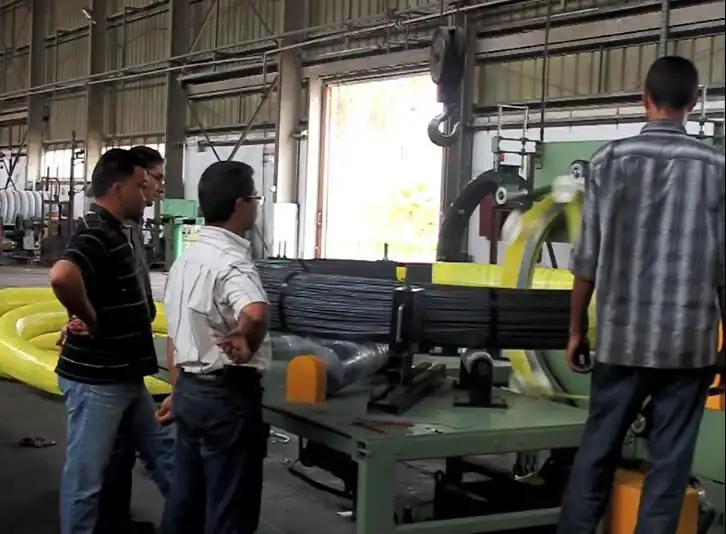
If you are facing similar pressures, wondering how to streamline your packing process, improve safety, or simply make more profit, then keep reading. I will share my insights from years in the packing machine industry. We will explore why these machines are not just an expense but a smart investment, especially for companies that value precision and efficiency.
1. Why are Italian Automotive Suppliers Facing Unique Logistics Challenges?
Are you feeling the constant pressure to deliver high-quality products on time, every time? This is a common challenge, especially in specialized industries like automotive manufacturing. Italian automotive suppliers are known for their precision and quality. However, even they face significant hurdles in their logistics operations. These challenges often start with how they handle and pack their delicate and heavy coil products.
Italian automotive suppliers face unique logistics challenges due to the stringent quality demands of the automotive industry, the need for just-in-time delivery, and the delicate nature of components like steel coils and wires. They must ensure products arrive in perfect condition, which is difficult with traditional, manual packing methods that risk damage and slow down the entire supply chain.
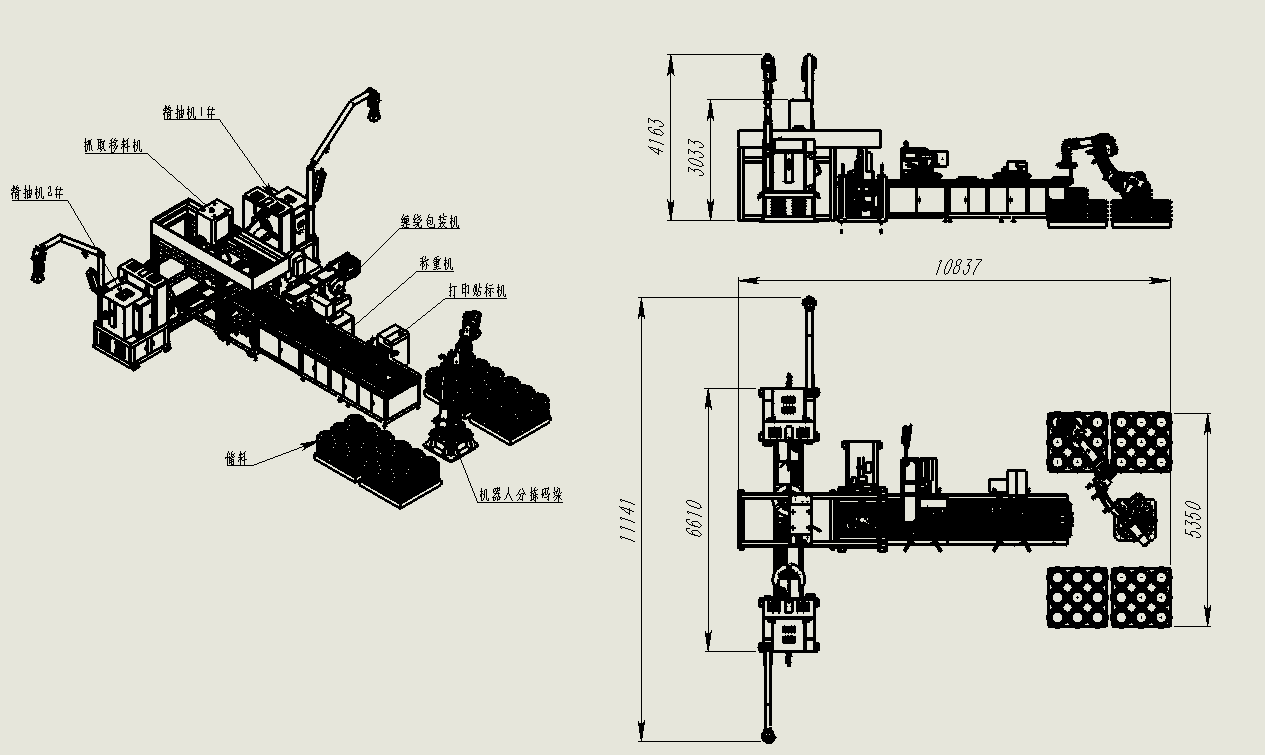
Italian automotive parts are often critical for global assembly lines. This means any delay or damage can have a huge impact. Consider a factory manager I knew, let’s call him Paolo. His company produced specialized wire coils for engine components. They prided themselves on engineering, but their packing area was a bottleneck. Workers had to manually wrap heavy coils, often straining themselves. This process was slow, inconsistent, and sometimes led to damaged edges on the coils. Paolo needed a solution that matched his company’s reputation for excellence.
The Specific Demands of the Automotive Supply Chain
The automotive sector operates with very tight margins and strict quality controls. Each part, no matter how small, plays a vital role. This creates several key pressure points for suppliers:
- Precision and Quality: Automotive components must meet incredibly high standards. A scratch or dent on a coil can make it unusable. This means packing must offer superior protection. Manual handling, with its inherent inconsistencies, often falls short.
- Just-In-Time (JIT) Delivery: Manufacturers want parts delivered exactly when they are needed, not too early and not too late. This reduces their inventory costs. If packing is slow, it can disrupt the entire JIT system. Manual packing takes too much time, creating delays. This can lead to penalties and loss of future contracts.
- Global Reach and Harsh Transit: Italian automotive parts travel all over the world. They endure various climates, vibrations, and handling conditions during shipping. Standard packing methods might not protect against moisture, dust, or physical impact. Robust packaging is not just a nice-to-have; it is a must.
- Safety for Workers: Heavy coils are dangerous to handle manually. My own experience in factories taught me this. I have seen workers suffer back injuries from lifting or turning heavy objects. This not only causes pain for the worker but also increases insurance costs for the company. A safe workplace is a productive workplace.
- Rising Labor Costs: Skilled labor is becoming more expensive. Relying heavily on manual labor for repetitive tasks like packing increases operational costs. It also makes it harder to scale up production quickly. Automating these tasks becomes a financial necessity.
- Environmental Regulations: Companies are under pressure to use sustainable packing materials and processes. This adds another layer of complexity. They need solutions that are both efficient and eco-friendly.
These factors combine to create a challenging environment for Italian automotive suppliers. They need packing solutions that can keep up with demand, protect their products, ensure worker safety, and remain cost-effective. Without these solutions, their ability to compete in the global market is severely limited.
2. How Does a Coil Wrapping Machine Directly Address These Bottlenecks?
Are you tired of watching your production line slow down at the very last step, the packing stage? Many businesses face this exact problem. Manual packing often becomes the bottleneck, no matter how efficient the upstream manufacturing processes are. This is where the right automation, specifically a coil wrapping machine, makes a big difference. It is designed to tackle these exact issues head-on.
A coil wrapping machine directly addresses packing bottlenecks by automating the entire wrapping process, significantly increasing speed and consistency compared to manual methods. It creates a tightly sealed, protective package that safeguards coils from damage during transit, reduces the need for manual labor, and ensures a uniform, high-quality finish every time, boosting overall efficiency and reliability.

When I was first building my own packing machine factory, I saw how much time and effort went into manual coil wrapping. It was clear that automation was the only way forward for companies that wanted to scale. I developed machines that could do the job faster, safer, and more consistently than any human. This hands-on experience taught me the true value of a well-designed coil wrapping machine. It is not just about wrapping; it is about solving real-world production problems.
Transforming Packing Operations with Automation
Coil wrapping machines are specific tools built to pack coiled materials. These include steel coils, wire coils, plastic pipes, and other similar products. They use stretch film, woven fabric, or other protective materials to create a secure wrap. Here is how they solve common packing challenges:
- Increased Speed and Throughput:
- Manual wrapping is slow. A single coil can take minutes to wrap properly.
- Automation: Coil wrapping machines can wrap coils in seconds. This drastically speeds up the packing process.
- Benefit: Factories can process more coils per hour. This eliminates the packing bottleneck and allows for higher overall production volumes.
- Consistent and Secure Protection:
- Manual wrapping can be inconsistent. Some parts might be looser than others. This leaves products vulnerable.
- Automation: Machines apply film with consistent tension and overlap. This creates a uniform, tight, and robust package.
- Benefit: Coils are fully protected from dust, moisture, and physical damage during storage and transit. This reduces product loss and customer complaints.
- Enhanced Worker Safety:
- Manually handling heavy coils and wrapping them involves lifting, bending, and repetitive motions. This leads to injuries.
- Automation: Workers load the coil onto the machine, and the machine does the heavy work. Some advanced machines even have automatic loading and unloading systems.
- Benefit: Reduces the risk of strains, sprains, and other workplace injuries. This improves employee morale and lowers insurance costs.
- Reduced Material Waste:
- Manual wrapping often uses more film than needed, or film is applied unevenly, leading to waste.
- Automation: Machines are programmed to use the optimal amount of film. They ensure efficient material usage.
- Benefit: Lowers material costs over time. This contributes to better overall profitability.
- Adaptability to Various Coil Sizes:
- Many coil wrapping machines are designed to handle a range of coil diameters and widths.
- Benefit: One machine can serve multiple product lines. This makes it a versatile investment for factories with varied product offerings.








