
Why Is Modular Scalability Key for Argentina’s Expanding Steel Coil Capacities?
Argentina’s steel industry is growing fast. Factories there are seeing more demand for steel coils. This growth is good, but it also creates big problems. Many factories still use old ways to pack products. These methods are slow. They put workers at risk. They also cause product damage. This hurts profits. How can factories keep up with new demand? How can they grow without facing these old issues?
Modular scalability is the answer for these challenges. It lets companies build packing lines step by step. This means they can add or change parts easily. It helps them meet new demand. It also controls costs better. And it makes the workplace much safer. This approach helps factories in Argentina grow smarter. It makes sure they can adapt as the market changes.
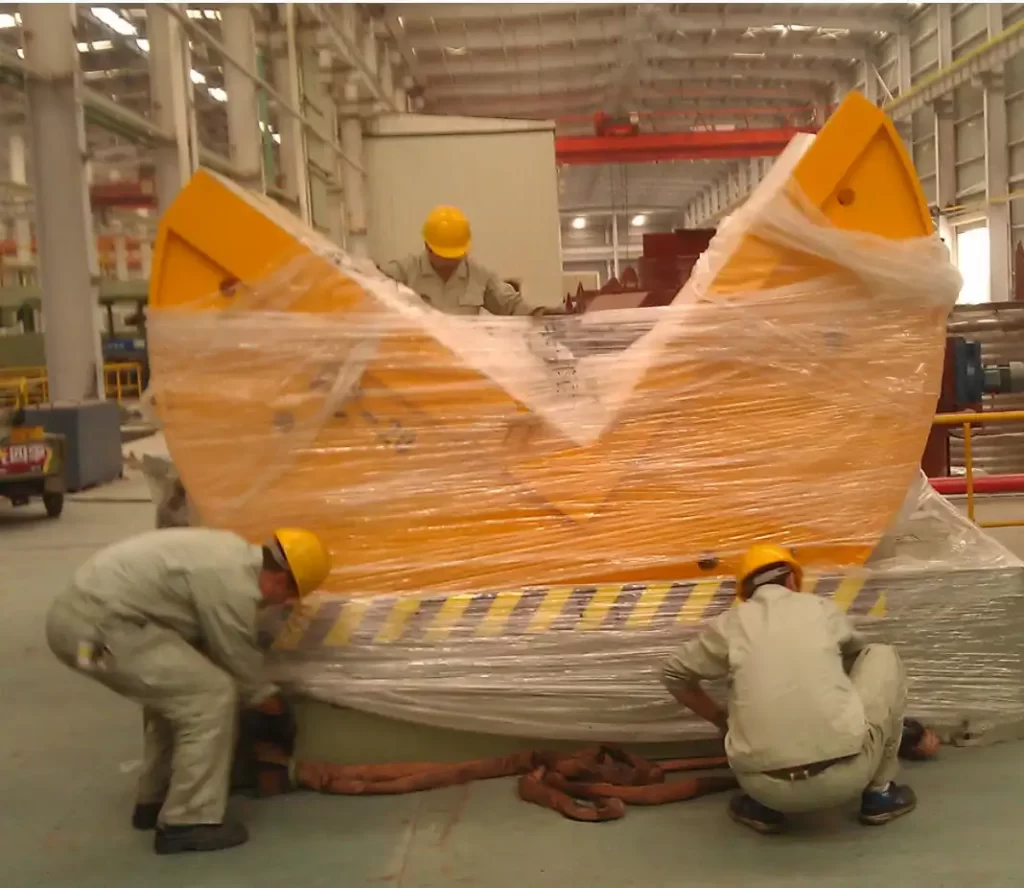
Understanding this is not just about buying a machine. It is about building a system. This system will serve your factory for years. Let us look closer at why this way of thinking is so important for Argentina’s steel industry.
Does Modular Scalability Solve Production Bottlenecks for Steel Coils?
Is your packing line slowing everything down? Many factories face this problem. Manual packing for heavy steel coils takes a lot of time. It ties up many workers. This bottleneck stops you from shipping products fast. It holds back your whole production. You need a way to speed things up without causing new problems.
Modular systems directly fix these efficiency problems. They let you automate tasks that are slow and manual. You can add more machines when you need them. This means you can handle more coils. You can pack them faster. It removes the bottleneck at the end of your production line. This makes your whole factory run smoother.

Modular packing solutions offer flexibility. This is key for fixing bottlenecks. You do not need to buy a huge, complex system all at once. You can start small. You can add modules as your production grows. This means you invest smarter. You spend money only when you need to. For example, you might first add an automated coil tilter. This helps move heavy coils safely. Then, you might add an automatic strapping machine. This speeds up packing. This step-by-step approach lets you see immediate improvements. It does not disrupt your whole factory. This also means less risk.
Factories often have strict production schedules. Any slowdown at the packing stage causes delays for the whole company. It means unhappy customers. It means lost money. With modular equipment, if one part needs service, other parts can still work. You can also replace a single module quickly. This keeps downtime low. It keeps your production moving. My experience tells me that speed and continuous operation are very important. We designed our machines to keep this in mind. This way, factories like those in Argentina can always meet their output goals. They can do this even as demand keeps going up.
Benefits of Modular Efficiency
- Phased Investment: You buy what you need now. You add more later. This spreads out costs.
- Quick Integration: New modules connect easily with your current setup. There is less downtime during installation.
- Reduced Manual Labor: Machines do the heavy lifting and repetitive tasks. This frees up workers. They can do other, more skilled jobs.
- Higher Throughput: Automated lines pack more coils per hour. This increases total output.
| Feature | Traditional System | Modular System |
|---|---|---|
| Initial Investment | High (all at once) | Lower (step-by-step) |
| Upgrade Process | Complex, long downtime | Simple, short downtime |
| Adaptability | Low (hard to change) | High (easy to reconfigure) |
| Risk of Over-Capacity | High (might buy too much) | Low (grow as needed) |
Can Modular Packing Solutions Truly Improve Worker Safety in Steel Plants?
Are you worried about your workers getting hurt? Moving heavy steel coils is very dangerous. Workers can get injured from lifting, pushing, or moving these large items. These accidents lead to high insurance costs. They also mean workers miss time. Worse, they can lead to losing good employees. You need a way to protect your team better.
Modular designs greatly reduce how much people handle heavy loads. They bring in machines to do the dangerous work. This cuts down on accidents and injuries. When machines do the heavy lifting, workers are safer. This also helps lower your factory’s insurance costs. It creates a much better place to work.

Safety is not just a rule. It is about protecting your people. It is also about your bottom line. When workers get hurt, your factory loses money. You pay for medical bills. You pay for missed work. You might even face legal issues. Modular packing solutions are designed with safety first. Machines like coil tilters or upenders can turn heavy coils. Workers do not need to touch them. Automated strapping machines wrap coils tightly. Workers do not need to get close to moving parts.
This shift from manual to machine work saves lives and money. It also makes workers happier. When people feel safe, they work better. They stay with your company longer. This reduces the cost of hiring and training new staff. My experience in factories showed me this clearly. A safe factory is a productive factory. Investing in safety always pays off. It protects your most valuable asset: your people. This is especially true in an industry like steel. Heavy materials are part of everyday work.
How Modular Systems Enhance Safety
- Automated Handling: Machines move heavy coils. Workers do not need to lift them.
- Reduced Exposure to Hazards: Less human contact with moving machinery. Fewer pinch points.
- Consistent Operation: Machines work the same way every time. This reduces human error that causes accidents.
- Ergonomic Benefits: Workers are less likely to strain muscles or get repetitive stress injuries.
| Safety Aspect | Manual Process | Modular Automated Process |
|---|---|---|
| Lifting Heavy Objects | High risk of back injury, strains | Automated by machines, zero human lifting |
| Pinch Points | Workers close to moving coils/straps | Machines handle, workers keep distance |
| Fatigue/Error | High due to repetitive, heavy work | Machines do tasks, consistent performance |
| Accident Frequency | Higher due to human involvement | Significantly lower |
How Does Modular Investment Offer Clear ROI for Argentine Steel Producers?
Every investment needs to show clear returns. Are you looking for equipment that pays for itself? Many factory managers worry about the cost of new machines. They want to know they will get their money back. They also want to see real profit growth. Finding equipment with a clear return on investment (ROI) is important.
Modular systems reduce costs over time. They cut down on the need for many workers. They also greatly reduce product damage. This means fewer customer complaints. It means more profit for your factory. By investing in these solutions, you clearly improve your factory’s financial health. You get a strong return on your investment.

Let us break down how modular investments lead to clear ROI. First, consider labor costs. Manual packing needs many workers. These are ongoing costs. An automated modular system can do the work of several people. This means you save on wages, benefits, and training. These savings add up quickly. Second, think about product damage. When workers handle heavy coils, mistakes happen. Edges can get bent. Surfaces can get scratched. These damages lead to returned products or lower prices. Automated systems handle coils gently and precisely. This reduces damage to almost zero. Less damage means fewer losses. It means happier customers.
Third, modularity helps with growth. As your factory expands, you can add more modules. You do not need to buy a whole new system. This saves money in the long run. It also means you can react faster to new market opportunities. For example, if demand for a specific coil size increases, you can add a module that handles it better. This flexibility protects your investment. It makes sure your equipment can grow with your business. This is why I always focus on long-term value. We want our clients to succeed and grow their businesses. Modular solutions make that possible.
Key ROI Factors for Modular Systems
- Reduced Labor Costs: Fewer workers needed for repetitive tasks.
- Minimized Product Damage: Gentle, precise machine handling protects coils.
- Lower Insurance Costs: Fewer worker injuries mean lower premiums.
- Increased Production Capacity: Faster packing leads to more output and sales.
- Future-Proofing: Adapt to market changes without replacing the whole system.
| Cost Area | Manual Packing Impact | Modular Packing Impact |
|---|---|---|
| Labor Expense | High, ongoing wages & benefits | Lower, fewer workers needed |
| Product Damage | Frequent, costly returns | Minimal, less scrap |
| Worker Compensation | High, due to injuries | Lower, safer environment |
| Equipment Replacement | Frequent, full system overhaul | Infrequent, module-by-module |
| Maintenance | Variable, often reactive | Predictable, less human error |
Is Adapting to Market Changes Easier with a Modular Approach?
The market for steel coils never stops changing. New product types come out. Demand goes up and down. Is your factory ready for what comes next? If your packing line is fixed and rigid, it is hard to adapt. This can make you miss new chances. It can also make it harder to compete. You need a system that can change as quickly as the market.
Modular packing lines offer this vital flexibility. You can quickly add new parts. You can change existing parts. This means you can adjust your production when market demands shift. You can handle new coil sizes. You can use new packing materials. This ability to adapt helps your factory stay ahead of the curve. It protects your business for the future.
My journey in the packing machine industry taught me a lot. I saw factories struggle when they could not change fast enough. They invested a lot in old, fixed systems. Then, when the market changed, their equipment became useless. Modular design solves this. It lets you add new functions. It allows you to increase capacity. You do not need to replace your entire line. This means you can handle new types of coils if your customers need them. You can also quickly scale up if demand suddenly jumps. This is especially important for growing economies like Argentina.
This flexible approach means less financial risk. It means your factory can always be ready. Ready for bigger orders. Ready for new product lines. Ready for whatever the future brings. As Randal Liu, I believe in sharing knowledge that truly helps businesses grow. Modular scalability is a key part of that. It gives you the power to respond to market shifts with confidence. It transforms your packing line from a fixed cost into a flexible asset. This asset supports your ongoing growth. It supports your journey towards lasting success.
Why Flexibility Matters for Growth
- Future-Proofing: Your investment stays relevant for a longer time.
- Rapid Adjustment: Quick changes to meet new product specs or volumes.
- Competitive Edge: Respond faster than rivals to market trends.
- Reduced Obsolescence: Avoid costly replacements of entire systems.
Conclusion
Modular scalability is vital for Argentina’s steel coil industry. It solves efficiency, safety, and cost issues. It also builds trust. This approach helps factories grow smarter and adapt to market changes easily.








