
Why Is Modular Design Critical for Coil Upenders in India’s Rapidly Growing Steel Sector?
The steel industry in India is booming. This rapid growth puts a lot of pressure on factories. They must produce more, control costs, and keep workers safe. Old ways of doing things, like using rigid, fixed machines, often cause problems. They create bottlenecks and lead to big losses when production stops. This situation is frustrating for factory managers like Michael, who needs reliable solutions.
Modular design is critical for coil upenders in India. It offers unmatched flexibility. It also makes maintenance easier. It helps factories grow their production without big problems. This design directly handles the changing needs of a fast-growing steel market. It is a smart way to invest in the future.
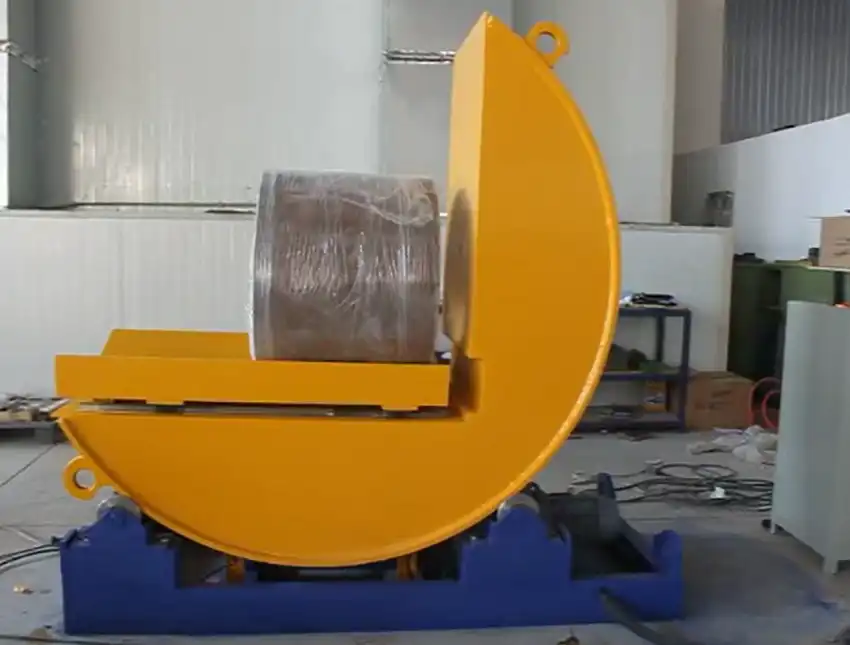
You might wonder how a machine’s design can make such a big difference. Let us look closer at how modular coil upenders can solve real challenges in India’s steel sector. They can truly help businesses like yours thrive.
How Does Modular Design Boost Operational Flexibility?
Factories today face constant changes. They might need to handle different product sizes. Their production processes might change. Or, they might need to rearrange their factory layout. If machinery is fixed and rigid, it quickly becomes old or inefficient. This causes delays and wasted effort. So, how can we make sure our equipment keeps up?
Modular design boosts operational flexibility in a big way. It lets factories quickly change how machines are set up. It makes it easy to add new features. It also allows smooth changes for different coil sizes or new production line setups. Factories can do all this without big, expensive overhauls. This adaptability is key for a dynamic market.
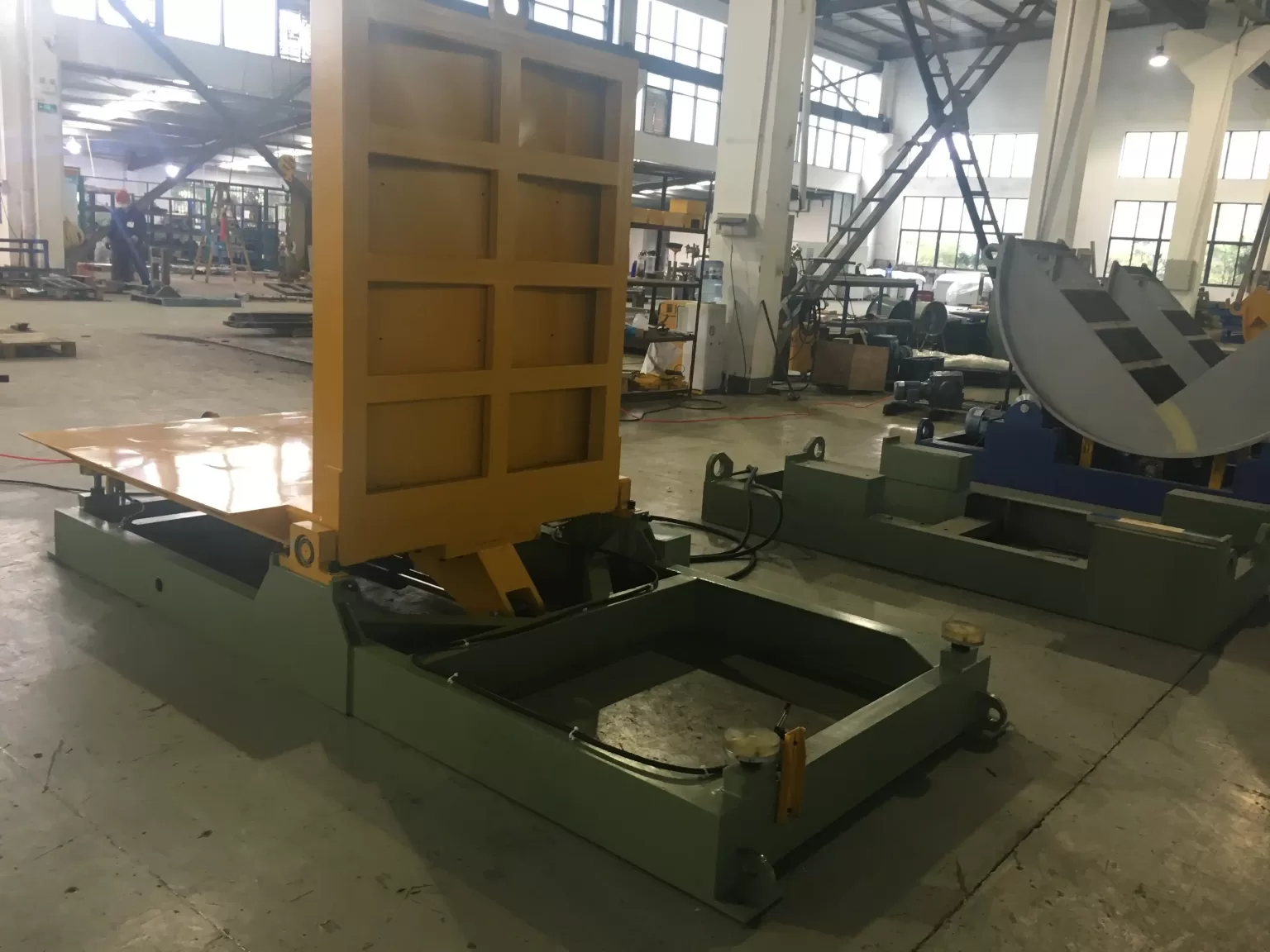
When I started FHOPEPACK, I saw many factories struggling with rigid equipment. They bought a machine for one purpose. Then, when their needs changed, the machine became useless or a bottleneck. This was a huge waste of money and resources. Modular design fixes this. It means you can adjust your coil upender as your business grows or changes. For example, if you start handling much larger or smaller coils, you might only need to swap out the clamping mechanism. You do not need to buy a whole new machine. This saves a lot of time and money. It also means less disruption to your production. Think about reconfiguring your factory floor. With modular units, you can move and rearrange sections of your packing line more easily. Each module connects like building blocks. This means you can add a new processing step. Or, you can change the flow of materials. You can do this without tearing everything down. This level of flexibility is vital in a market like India. Here, demand can shift quickly. Businesses must be able to pivot fast. This design also helps with technology upgrades. If a new motor or control system comes out, you might only need to replace that specific module. You do not need to replace the entire upender. This keeps your equipment modern and efficient. It extends the life of your investment. This is a practical approach for any manager, like Michael, who needs their equipment to keep working hard for many years. I remember working on a project where a client needed to shift production quickly from one type of coil to another. Their old, fixed upender simply could not handle the new dimensions. They were facing significant delays and losing contracts. By switching to a modular system, they could quickly adjust the upender’s width and clamping force. This allowed them to pivot their production in days, not weeks. It directly saved their business.
Can Modular Coil Upenders Improve Maintenance and Reduce Downtime?
Downtime in steel production is extremely costly. Every minute a machine is not running means lost production and lost money. Many complex machines are hard to troubleshoot when something goes wrong. Repairing them can take a long time. This adds to the financial burden. So, how can we make sure our machines stay running?
Modular coil upenders improve maintenance and reduce downtime significantly. This is because individual parts can be easily reached. They can be repaired or replaced quickly. This minimizes how long production stops. It also reduces the need for highly specialized, long interventions. This makes a big difference in keeping operations smooth.
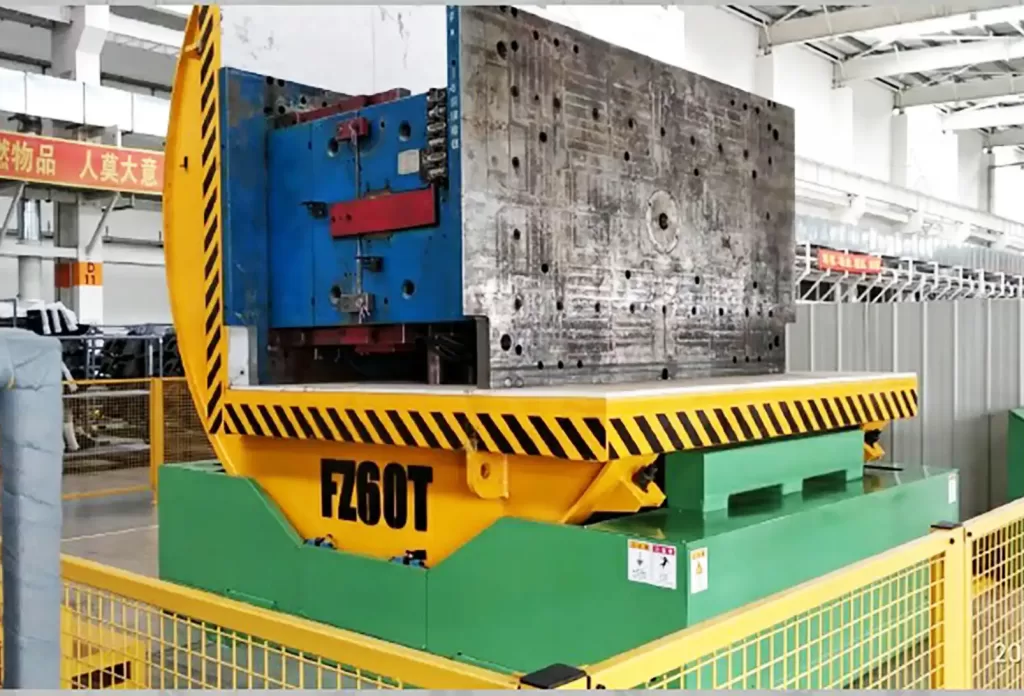
From my experience, seeing a machine stop is one of the most frustrating things for a factory manager. It often means a domino effect of delays. In my early days, I saw firsthand how a single broken part could halt an entire line for days. With a traditional, monolithic machine, finding the problem could be like finding a needle in a haystack. Then, getting the right part and installing it was a huge task. Modular design changes this whole picture. Imagine a coil upender made of several distinct sections: a base module, a hydraulic power unit module, a control panel module, and the upending mechanism itself. If the hydraulic unit has a problem, you can often simply disconnect it and replace it with a pre-tested spare module. The faulty unit can then be repaired offline, while your production line keeps running. This approach drastically cuts down on the time the machine is idle. It also makes troubleshooting much simpler. Technicians can focus on one specific module. This is instead of trying to diagnose a problem across a huge, interconnected system. This also affects your spare parts inventory. Instead of needing to stock every single small component for a complex machine, you can stock full modules. This streamlines your spare parts management. It makes repairs faster when they are needed. It also supports predictive maintenance. You can monitor the performance of individual modules. This allows you to plan replacements or repairs before a breakdown happens. This proactive approach saves a lot of money and stress. It helps factories maintain their tight production schedules.
Does Modular Design Offer Better Long-Term Cost Efficiency?
The initial cost of new equipment is a big hurdle for any business. But often, the real costs appear much later. Hidden costs like long-term maintenance or being forced to upgrade can slowly eat away at your profits. They can make your investment seem less valuable. How can we make sure our equipment truly pays off over time?
Modular design offers much better long-term cost efficiency. It leads to lower maintenance costs. It also reduces product damage during handling. It can even improve energy efficiency by optimizing specific components. And, you can upgrade specific modules instead of replacing the whole unit. This protects your initial investment.
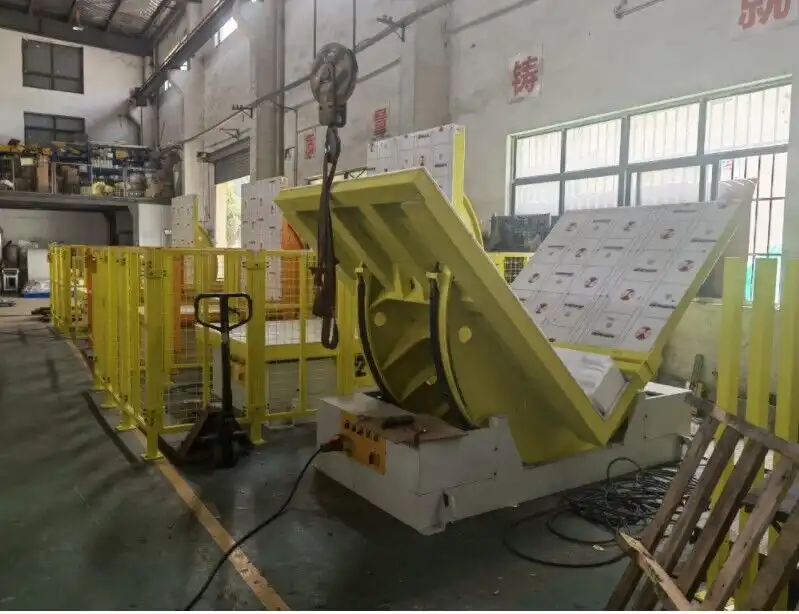
Many clients initially focus on the sticker price of a machine. But I always emphasize the total cost of ownership. This includes the purchase price, yes, but also operating costs, maintenance, and potential future upgrades. With modular design, you are not buying a fixed asset that will eventually become obsolete. You are investing in a system that can evolve. For example, if your factory needs to increase its capacity, you do not need to buy a completely new, larger upender. You might simply add a parallel upending module or upgrade the existing one’s capacity with stronger hydraulics or a more powerful motor. This is a much lower capital expenditure (CapEx) than buying a whole new machine. It also means you avoid the high costs of installing a completely new system.
Think about operational costs. Modular components can often be optimized for energy use. If a more energy-efficient motor becomes available, you can upgrade just that motor module. This saves you money on electricity bills over time. Also, product damage during handling is a major hidden cost. Michael Chen mentioned product loss in his factory, especially steel coil edges. With a precisely designed modular upender, built for stability and specific handling needs, you can drastically reduce such damage. This directly impacts your profit margins. Finally, consider labor costs. By automating tasks with efficient modular upenders, you reduce the need for manual handling. This lowers your payroll expenses over time. It also reduces the risk of costly workplace injuries. All these factors together clearly show a much stronger return on investment (ROI) for modular systems.
| Cost Aspect | Traditional Upender Approach | Modular Upender Approach | Benefit of Modular |
|---|---|---|---|
| Initial Upgrade | Requires buying a whole new machine for capacity increase. | Allows upgrading specific modules or adding parallel units. | Lower CapEx for expansion. |
| Maintenance | Complex troubleshooting, long downtimes, high repair costs. | Easy module replacement, faster repairs, less downtime. | Reduced operational costs, higher uptime. |
| Product Damage | Less adaptable, higher risk of damage during handling. | Customizable for specific products, minimizes damage. | Increased product quality, reduced waste, better customer satisfaction. |
| Technology Shift | Machine becomes obsolete, requires full replacement. | Specific modules can be updated for new tech/efficiency. | Extended lifespan, continuous modernization, better ROI. |
Why Is Modularity Key for Scalability in a Growing Market?
India’s steel sector is experiencing explosive growth. This means factories must be able to quickly scale up their production. If equipment is not designed for growth, it can quickly become a bottleneck. This limits a factory’s ability to meet rising demand. How can businesses ensure their machinery can keep pace with their ambitions?
Modularity is key for scalability in a growing market because it allows factories to add capacity step by step. They can integrate new processing steps. Or, they can expand production lines by adding or changing modules. This avoids expensive and disruptive full system replacements. It helps businesses grow without major hurdles.
When I built my own factory, I learned the hard way about planning for growth. I made sure to invest in machinery that could be expanded or adapted. This foresight saved me a lot of headaches later on. In a market like India, where demand for steel is constantly rising, the ability to scale up production quickly is not just an advantage; it is a necessity. A non-scalable upender might handle your current volume, but what happens when your orders double? With a traditional machine, you might have to invest in another entirely separate upender, find space for it, and then integrate it into your existing line. This is a massive undertaking.
Modular design offers a much smoother path to growth. You can start with a basic coil upender that meets your immediate needs. As your production demands increase, you can add more modules. This might mean adding automated feeding systems. Or, it could mean adding robotic arms for even faster handling. You can also integrate the upender more deeply into a larger packing line, module by module. This phased investment strategy is very attractive for businesses. It allows them to match their capital spending with their actual growth. This means you do not overspend upfront. It also means you are always ready to meet new demands. Imagine a scenario where a new type of coil product needs a different upending angle or a unique clamping mechanism. With a modular system, you could potentially design and integrate that specific module without affecting the core upender. This flexibility ensures that your packing process remains efficient and adaptable, even as your product lines evolve. It positions factories for continuous growth and helps them stay competitive in a rapidly changing market.
My Insight: What I Learned About Building Trust and Delivering Value
Many suppliers focus only on making a sale. They do not really try to understand the client’s problems. This leads to frustrated customers and bad investments for businesses. I believe there is a better way. This way is about forming true partnerships. It is based on really knowing what a client needs.
My insight is that real value comes from understanding a client’s unique challenges. This is like understanding Michael’s needs. It means offering solutions that are tailored and reliable. Modular design helps me deliver this. It gives adaptable, long-term tools that deal with efficiency, safety, and cost. This builds real partnerships and trust.
When I started as an employee in a packing machine factory, I saw things from the inside. Then, I went on to build my own successful factory. This journey taught me a lot about the challenges of the packing machine industry. It showed me what factory managers, like Michael, truly face every day. I know the pressure of boosting output while keeping costs low. I also understand the huge importance of worker safety. Seeing products get damaged during handling is also a major concern.
I also learned about the frustration of dealing with suppliers who just want to sell a machine and then disappear. That is why FHOPEPACK focuses on being a knowledge-sharing platform first. It is not just about selling equipment. It is about sharing expertise and insights. My own financial independence came from this industry. Now, I want to give back. I want to help others succeed. For someone like Michael, he does not just want to buy a machine. He wants a partner who understands his production bottlenecks. He wants someone who sees his safety risks and efficiency problems. This is where modular design shines. It allows us to offer precise solutions. We can help reduce manual handling. This lowers injury risks and insurance costs. We can reduce product damage. This stops client complaints and saves money. We can also boost automation. This makes the whole production line faster. This approach builds trust. It shows that we care about your long-term success. It is about giving you the right tools to grow your business, just as I grew mine.
Conclusion
Modular design for coil upenders is crucial for India’s steel sector. It provides flexibility, simplifies maintenance, ensures cost efficiency, and enables scalability. This helps factories thrive in a fast-growing market.








