
Why Is Energy Efficiency a Top Priority for Coil Upenders in U.S. Facilities?
Factory managers in the U.S. face constant pressure. They must cut costs. They must boost output. They must keep operations safe. These are not easy tasks. Every decision about equipment matters a lot. It impacts the bottom line directly. Downtime costs big money. Wasted energy eats away profits. This makes finding the right tools crucial.
Energy efficiency is a top priority for coil upenders in U.S. facilities because it directly cuts operational costs. It lowers the environmental impact. It supports long-term sustainability goals. This is very important with today’s rising energy prices. Efficient machines also last longer. They need less maintenance. This means less money spent and more reliable production.
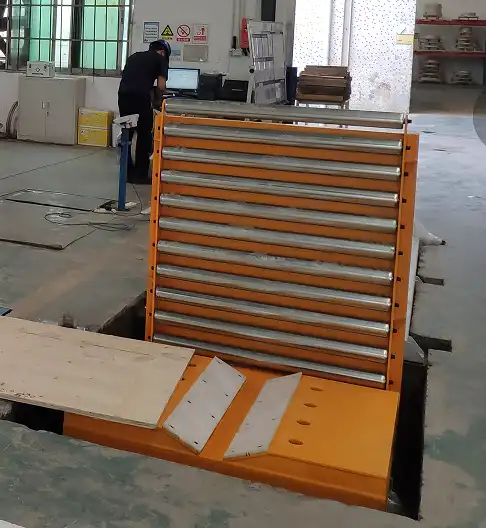
Choosing the right equipment is not just about its initial price. It is about its entire life cycle. It is about how it helps your factory succeed. Let’s look closer at why energy-efficient coil upenders are a smart choice for American manufacturing.
How Does Energy Efficiency Directly Cut Costs for U.S. Manufacturers?
Every dollar counts in manufacturing. This is especially true for U.S. factory managers. They work hard to meet production goals. High energy bills are a constant worry. These bills reduce profit margins. They make it harder to compete. Many older machines use too much power. This adds hidden costs every single day.
Energy efficiency directly cuts costs by reducing electricity consumption. This lowers daily operational expenses. It also frees up capital. This money can then be used for other vital investments. It helps factories stay competitive in a challenging market. Smart energy use is a powerful tool for financial health.
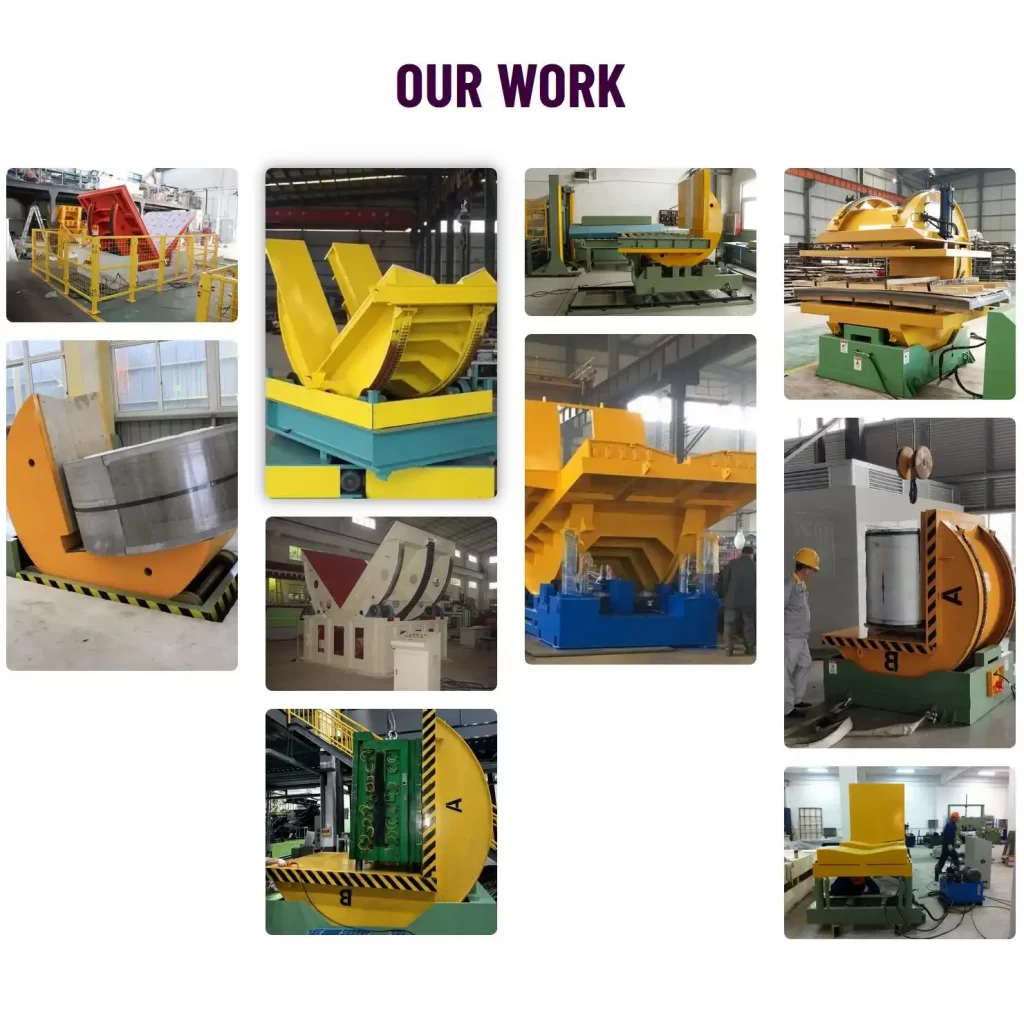
Let me tell you about my own journey. When I started my packing machine factory, I saw wasted energy everywhere. It was a common problem. It was like throwing money out the window. Every piece of equipment used power. Some used too much. I knew we needed to do better. We had to design machines that worked hard but used less power. This was not just good for the environment. It was good for our bank account.
Coil upenders lift and rotate heavy coils. This requires a lot of power. Traditional models often use older motor technology. They might also have inefficient hydraulic systems. These systems consume a lot of electricity. They do this even when the machine is not actively moving a coil. This is called idle power consumption. Modern, energy-efficient upenders are different. They use high-efficiency motors. These motors are often variable frequency drive (VFD) motors. VFDs adjust motor speed to the load. This means the motor only uses the power it needs. It does not waste energy running at full power all the time. This change alone can save a lot of money on electricity bills.
Another key area is the hydraulic system. Old hydraulic systems can leak energy. They can generate a lot of heat. This is wasted power. New systems are designed to be more efficient. They use less oil. They have better pumps. This makes the whole operation smoother and cheaper to run. When a machine runs cooler, its parts last longer. This means fewer repairs. This means less money spent on spare parts. It also means less downtime. Less downtime means more production.
Consider the cost of electricity in the U.S. Prices can vary by state. They often trend upwards. For a factory running multiple shifts, every kilowatt-hour adds up. An inefficient upender might cost hundreds or thousands of dollars more per year to operate. Over ten years, this is a huge sum. It is a sum that could have gone to new equipment. It could have gone to employee training. It could have gone to other growth areas.
-
Motor Technology Impact Older upenders often use standard AC motors. These motors run at a fixed speed. They draw constant power. This happens even when the machine is not under a heavy load. This is not efficient. Modern upenders use VFDs. These VFDs match motor speed to the exact power needed. If a coil is lighter, the motor uses less power. If the upender is waiting, it uses minimal power. This reduces energy waste. It makes the motor run cooler. This extends its life. This directly impacts your electricity bill.
-
Hydraulic System Efficiency Hydraulic systems are the muscle of an upender. Old systems can be wasteful. They can convert a lot of energy into heat. This heat is just lost power. New hydraulic designs are smarter. They use more precise pumps. They have better valve controls. They minimize fluid friction. This means more power goes to moving the coil. Less power is lost as heat. This makes the machine more responsive. It also lowers its energy use. This reduces the need for cooling systems. It further cuts energy costs.
-
Operational Savings Comparison Let’s imagine two upenders. One is an old model. One is a new, efficient model. The old one might use 50 kW per hour. The new one might use 30 kW per hour. If electricity costs $0.12 per kWh, and the machine runs 10 hours a day for 250 days a year:
- Old Upender: 50 kW 10 hrs/day 250 days/year * $0.12/kWh = $15,000 per year.
- New Upender: 30 kW 10 hrs/day 250 days/year * $0.12/kWh = $9,000 per year. That is a $6,000 saving each year. Over five years, that is $30,000. This is just for one machine. Think about what that means for your entire factory.
Can Energy-Efficient Upenders Really Improve Production Flow?
Bottlenecks can ruin a production line. Coil handling is often a pain point. Slow or unreliable upenders cause delays. These delays spread across the whole factory. This impacts delivery times. It impacts customer satisfaction. It costs money. A single machine failure can bring everything to a halt.
Yes, energy-efficient upenders improve production flow. They offer consistent performance. They reduce downtime. They generate less heat, which is good for components. They also integrate better with automated lines. Their optimized design means smoother, faster cycles. This makes the entire operation more reliable and productive.

When I was running my factory, I learned a simple truth. A machine that saves energy also runs better. It breaks down less often. This is a huge benefit. Less downtime means more coils moved. More coils moved means more products shipped. It is a direct link to higher profits. I always looked for equipment that was not just powerful, but also smart.
Energy-efficient upenders contribute to a smoother production flow in several ways. First, their lower energy consumption means less heat generation. Excess heat is a big enemy for machinery. It wears down components faster. It can cause electrical parts to fail. By running cooler, an efficient upender experiences less stress on its parts. This leads to fewer breakdowns. Fewer breakdowns mean more uptime. More uptime means consistent production rates.
Second, modern upenders with VFDs and advanced controls offer precise movement. They can start and stop smoothly. They can accelerate and decelerate without jerks. This is important for handling heavy coils. It reduces the risk of damaging the coil itself. Michael mentioned product loss during transfer. Smooth operation directly addresses this. Damaged products mean rework. They mean customer complaints. They mean lost profits. An upender that handles coils gently saves money.
Third, energy-efficient upenders are often designed with better integration in mind. They can easily connect with existing conveyor systems. They can work with automated storage and retrieval systems. This creates a seamless flow of materials. It removes manual handling steps. Michael is looking for automation to solve bottlenecks and safety risks. An efficient upender is a key part of this automation puzzle. It can process coils quickly and move them to the next stage without delay. This reduces human error and physical strain. It ensures a continuous flow.
-
Reduced Downtime and Maintenance Machines that use less energy often run with less internal stress. This is because they generate less heat. Heat is a major factor in component wear. When an upender runs cooler, its motors, bearings, and hydraulic fluids last longer. This means less frequent maintenance. It means fewer unexpected breakdowns. For a busy factory, every hour of uptime is valuable. Energy-efficient upenders contribute directly to higher overall equipment effectiveness (OEE). This means your factory produces more.
-
Enhanced Operational Precision Modern, efficient upenders often include advanced control systems. These systems allow for very precise movements. They can lift and rotate heavy coils with great accuracy. This reduces the chance of bumps or drops. It minimizes product damage. For materials like steel coils, even a small dent can mean a rejected product. Precision also helps in aligning coils perfectly with conveyors. This smooth transfer reduces bottlenecks. It prevents slowdowns. This directly impacts the speed of your entire production line.
-
Seamless Automation Integration Efficiency in an upender is not just about power consumption. It is about how well it fits into your factory’s future. Michael wants to boost automation. Energy-efficient upenders are built for this. They communicate well with other automated systems. They can be programmed for specific tasks. This helps move coils from one process to the next without human intervention. This saves labor costs. It greatly improves safety by reducing the need for workers near heavy coils. It makes the production process faster and more reliable.
Why Do U.S. Factories Prioritize Green Operations Now?
Manufacturing is changing. It is not just about making money anymore. It is also about responsibility. Companies must consider their impact on the environment. They must also think about their community. Ignoring these issues can hurt a brand. It can even lead to legal trouble. This means factory managers must look beyond simple profit.
U.S. factories prioritize green operations because of growing regulations. Customers also demand sustainable products. There are also long-term financial benefits from saving resources. Being green is good for the planet. It is also very good for profit margins. It helps businesses stay strong for the future.

I remember when I first started FHOPEPACK. The idea of “green manufacturing” was still new. But I saw it coming. I knew factories would need to adapt. It was not just about being a good company. It was about smart business. Customers care more about how products are made. Governments are setting new rules. Being ahead of the curve meant building machines that were not just powerful, but also responsible.
U.S. factories face increasing pressure to adopt green practices. This comes from several directions. First, government regulations are becoming stricter. Environmental agencies at federal and state levels are setting limits on energy use and emissions. Investing in energy-efficient equipment helps factories meet these rules. It avoids fines. It prevents legal problems. It also shows a commitment to compliance.
Second, customers care more about sustainability. Businesses buy from other businesses that share their values. End consumers also choose products from companies that are seen as environmentally friendly. By using green practices, factories can improve their brand image. This helps attract and keep customers. It can open up new markets. It also makes the company more attractive to new talent. Employees also want to work for responsible companies.
Third, there are financial incentives. Many states and federal programs offer tax breaks or grants. These are for companies that invest in energy-efficient technology. These incentives can make the initial investment in new equipment more affordable. They speed up the return on investment. This means the money saved on energy adds up even faster. These programs encourage factories to upgrade old, inefficient machines.
Finally, green operations are about future-proofing the business. As energy prices rise, and resources become scarcer, efficient operations become a must. A factory that uses less energy is more resilient to market changes. It is better positioned for long-term success. It is also a better neighbor in its community. This holistic view of business operations is becoming standard for U.S. manufacturers.
-
Regulatory Compliance and Risk Mitigation The U.S. has many environmental laws. These laws affect how factories operate. They cover things like air pollution and energy consumption. Investing in energy-efficient upenders helps factories meet these rules. It shows they care about the environment. This reduces the risk of fines. It also makes it easier to get permits for future expansions. Being proactive is always better than being reactive. It saves a lot of trouble and money in the long run.
-
Brand Reputation and Customer Demand Customers today are more aware. They want to buy from companies that are responsible. This includes how products are made. A factory that shows a commitment to green operations builds a better reputation. This can attract more business. It can help win big contracts. For B2B customers, like Michael’s plant, knowing their suppliers are sustainable is a big plus. It makes the entire supply chain look good. It’s a competitive advantage that can’t be ignored.
-
Long-term Financial and Operational Resilience Energy efficiency is a long-term strategy. It makes a factory stronger. If energy prices go up, efficient factories are less affected. They have lower operating costs. This makes them more stable during economic changes. It also shows foresight. A manager who invests in green technology is thinking about the future. This kind of thinking helps a business grow and last for many years. It is about building a foundation that can withstand challenges.
My Insights!
My journey started on the factory floor. I saw machines work hard. I also saw them waste energy. I saw the struggle of factory managers. They always tried to do more with less. When I built my own factory, I knew one thing: equipment had to be efficient. It had to be reliable. It had to make sense for the business. I chose equipment that reduced my own energy bills. I saw firsthand how it cut maintenance costs. It made my whole operation smoother. This path led me to financial freedom. It also helped my clients grow their businesses.
One client, a steel wire manufacturer, faced high energy costs and frequent breakdowns with their old upenders. They were losing money on damaged coils. Their workers were at risk. We worked together. I listened to their problems. I helped them choose an energy-efficient upender. It was designed for their heavy use. Within months, they saw a big change. Their electricity bill dropped by 20%. Product damage almost stopped. Workers felt safer. Their overall output went up. This was not just about selling a machine. It was about being a partner. It was about understanding their factory. It was about giving back what the industry had given me. Michael’s challenges are very familiar to me. I know the pressures. I know the needs. My goal is to help others achieve the same success. It is about building a partnership that truly works.
Conclusion
Energy efficiency in coil upenders is not just a trend. It is a critical business need for U.S. factories. It cuts costs, boosts production, and supports sustainability, securing a stronger future.








