

Imagine reducing mold maintenance downtime while maximizing productivity; that’s the promise of a mold flipping machine. These machines bring a revolutionary touch to the manufacturing sector, facilitating not just the handling but also the maintenance aspects of mold operations. Unravel how this essential equipment can transform your production line efficiency.

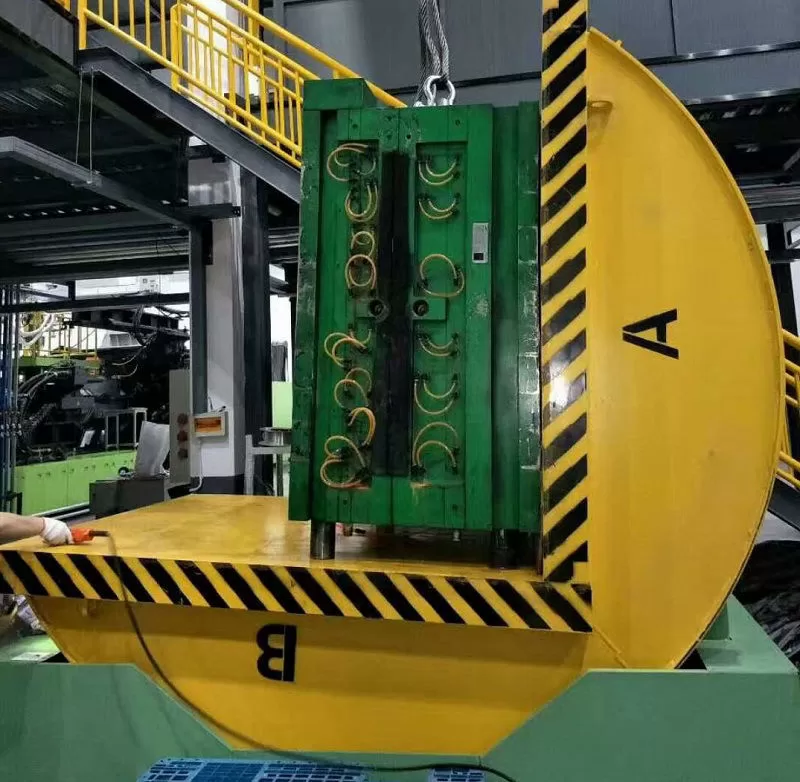
Mold flipping machines are pivotal for efficient mold maintenance because they streamline the process of handling and rotating heavy molds. They significantly reduce manual labor while ensuring precision and safety during mold maintenance tasks. The equipment automates mold rotation, facilitating swift and secure 180-degree turns, which enhances operational efficiency and safety standards.
For someone in industrial operations, understanding the benefits of a mold flipping machine could redefine how you handle and maintain molds. The investment is justified by the subsequent improvements in safety, reduced labor needs, and increased productivity. Let’s delve deeper into the technicalities and how this can bring transformation to your work environment.
二级标题:1. How Does a Mold Flipping Machine Enhance Maintenance Efficiency?
Enhancing maintenance efficiency is a priority in manufacturing. A mold flipping machine can make a significant difference. It revolutionizes mold handling with precision, promising consistent performance and reduced maintenance downtime. This tool may be what your production line has been missing for years.
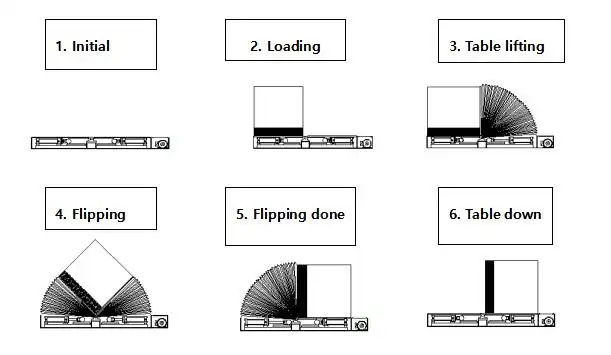
By automating the 180-degree turning of heavy molds, mold flipping machines enhance maintenance efficiency. They drastically cut downtime, improve safety, and allow for more precise maintenance checks. The automated system ensures consistent handling, minimizing the risk of human error or injury during mold rotation and maintenance processes.

Exploring Mold Flipping Efficiency
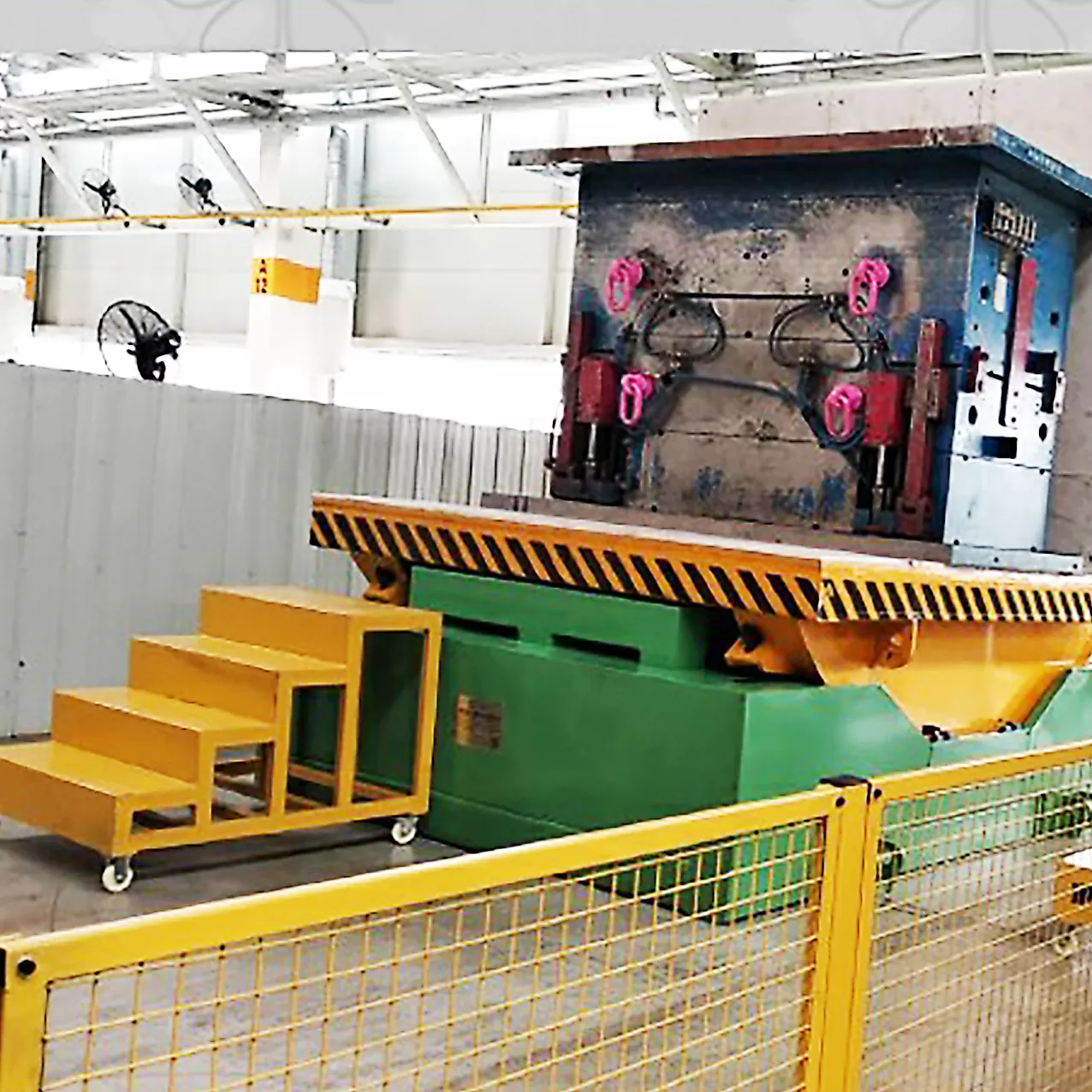
How exactly does a mold flipping machine achieve such efficiency? It requires examining the core functionalities and technologies involved. Automation is, without doubt, a significant contributor. With mold flipping machines, the once labor-intensive task of flipping and rotating heavy molds becomes a simple, automated action. This not only speeds up maintenance but ensures it is done with unmatched consistency.
Consider a scenario where a traditional maintenance role uses manual labor to rotate every mold. It’s inefficient and prone to error. In contrast, an automated mold flipper executes precise 180-degree turns instantly, preventing mishaps and promoting a safer maintenance environment. Productivity improves significantly since these machines allow for quicker mold inspections and repairs without waiting for human operators to reposition the molds manually.
Moreover, using mold flipping equipment reduces the wear and tear typically associated with manual handling. Consistent automation means less stress on the molds, prolonging their lifespan and reducing replacement costs. Ultimately, investing in automated mold handling enhances overall production efficiency, which often translates into higher profitability.
Having spent years in this field, I know the impact a reliable mold flipping machine can have. It streamlines operations and eliminates many pain points. In every project I’ve overseen, the improvement in performance and reduction in maintenance times have been noteworthy, validating the choice for automation time and again.
2. What Are the Key Features to Look for in a Mold Flipping Machine?
When investing in a mold flipping machine, prioritizing efficiency and safety is crucial. Missteps can lead to costly repairs or downtime. A reliable machine enhances automated mold handling while minimizing risks. Therefore, carefully selecting the right equipment maximizes productivity and protects your investment.
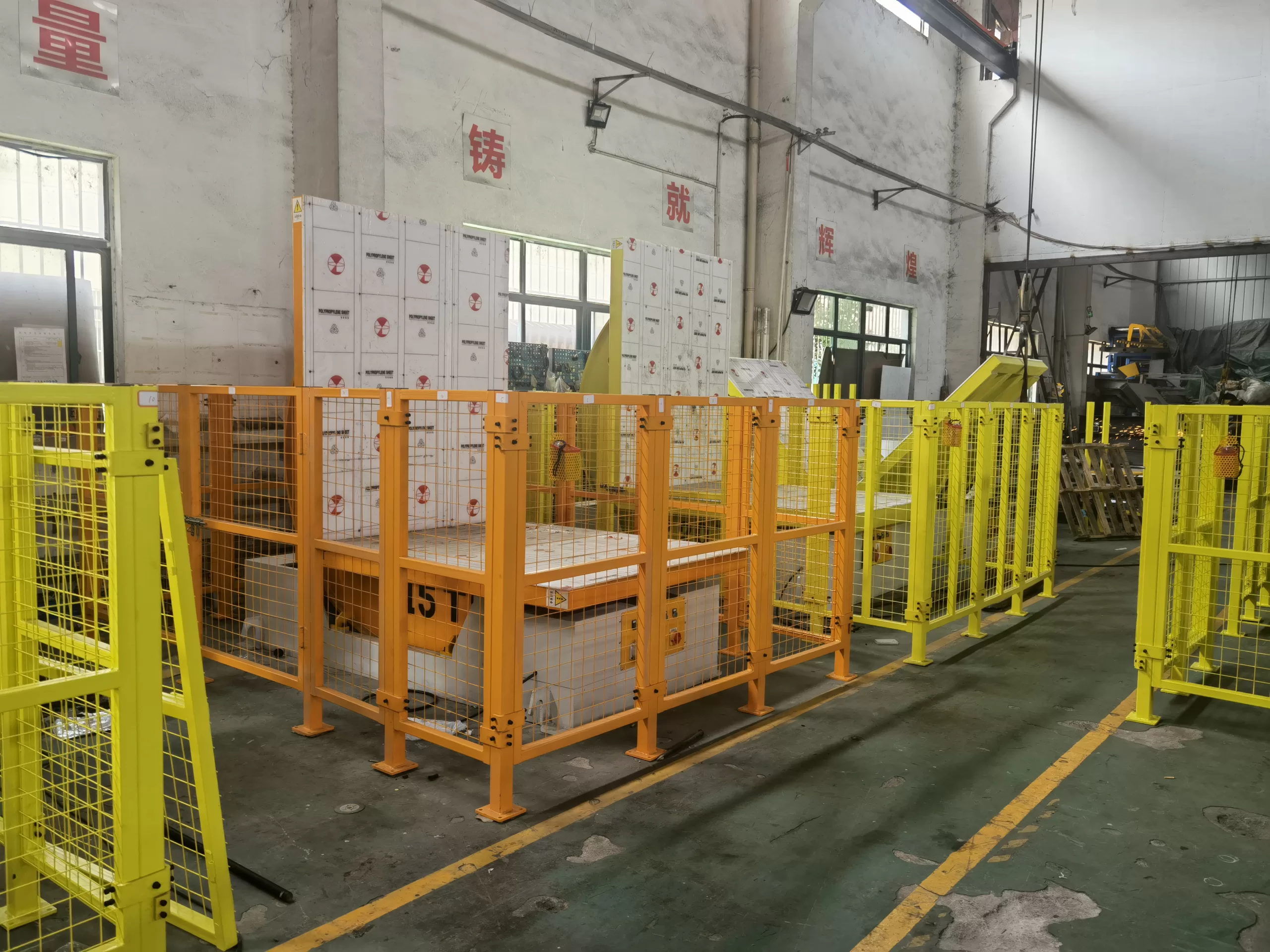
To evaluate a mold flipping machine, focus on load capacity, safety features, and precision. A high load capacity handles varying sizes and weights, while robust safety measures protect employees and machinery. Precision ensures accurate mold 180 degree turning and efficient mold maintenance.

Choosing the Best Mold Flipping Machine
In choosing a mold flipping machine, understanding the specific needs of your industry is essential. Each feature can significantly impact its performance and suitability for your operations. This includes load capacity, safety features, ease of operation, and overall design. Here’s how these aspects can transform your process:
| Key Feature | Importance | Benefits |
|---|---|---|
| Load Capacity | Determines the machine’s ability to handle different mold sizes and weights. | A higher load capacity allows flexibility in mold handling operations. |
| Safety Features | Includes sensors, emergency stop buttons, and locks to prevent accidents. | Ensures the protection of both workers and machinery, adhering to regulations. |
| Ease of Operation | Controls and interfaces should be user-friendly and intuitive. | Streamlined operations reduce training time and improve worker efficiency. |
| Design and Build | Refers to the overall construction quality and durability of the machine. | Solid construction enhances equipment lifespan and reduces maintenance costs. |
In my decades of experience in the industry, I’ve seen how investing in a quality mold flipping machine can drastically improve efficiency. It’s not just about acquiring the equipment; it’s about integrating the right tools that align with your operational goals.
3. How Does a Mold Flipping Machine Contribute to Mold Longevity and Quality?
Ensuring mold longevity and quality is a primary focus in manufacturing. Mold flipper plays a pivotal role in this, primarily through its efficient and precise handling capabilities. Mismanagement of mold leads to wear and tear, reducing product quality and increasing maintenance costs.
A mold flipping machine aids in maintaining mold quality by enabling consistent and controlled rotations. This minimizes damage during handling and ensures precise orientation, which is crucial for mold longevity. Keeping molds in optimal condition promotes extended use and high-quality outputs.

The Impact of Mold Flipping Machines on Quality and Maintenance
A mold flipping machine is more than just a piece of equipment; it’s a tool that enhances mold lifecycle management. By automating the turning and handling processes, it limits manual interference, which is a common source of damage. Here’s how a mold flipping machine supports this:
| Aspect | Impact on Longevity | Contribution to Quality |
|---|---|---|
| Consistent Rotation | Ensures even wear, avoiding stress on specific areas. | Maintains mold geometry for accurate products. |
| Controlled Handling | Reduces risk of dropping or mishandling during shifts. | Provides stable conditions, minimizing risk of defects. |
| Automated Processes | Limits human error, reducing unexpected damage. | Ensures precision in mold orientation and maintenance. |
Throughout my years in the industry, I’ve witnessed how the transition from manual to automated mold handling leads to a significant uplift in both the integrity and output quality of products. Investing in proper equipment not only protects your assets but also boosts your overall production capacity.
Conclusion
Implementing a mold flipping machine is a strategic investment for any manufacturing operation focused on efficiency and quality. By automating mold handling, these machines not only streamline maintenance processes but also ensure the longevity and reliability of molds, ultimately enhancing overall production performance.












