

Why Hungarian engineers prefer coil wrapping machines for bearing and ring coils?
Are you a factory manager in Hungary, or perhaps Mexico like my friend Michael, struggling with outdated packing methods? Do you worry about slow production, damaged products, and the safety of your workers handling heavy coils? Many factories around the world face these exact problems every day.
Hungarian engineers, like many forward-thinking professionals in heavy manufacturing, consistently choose coil wrapping machines because these systems offer unmatched efficiency, superior product protection, and significantly improved worker safety when handling delicate yet heavy bearing and ring coils. They understand that investing in automation is not just about a machine; it is about securing their operational future.


If you are looking for ways to streamline your packing line, protect your valuable products, and create a safer workplace, then you are in the right place. Let us dive into the specific reasons why these machines are becoming the go-to solution for critical applications like bearing and ring coils.
1. What old packing methods hold Hungarian factories back?
Are you still relying on manual labor for packing your precious bearing and ring coils? Do you find that your production line slows down at the very end, creating a bottleneck that affects your delivery times? This is a common pain point I have seen in countless factories, from my early days working on the floor to helping clients grow their businesses.
Old packing methods, which heavily depend on manual labor, introduce significant inefficiencies, elevate safety risks for workers, and often lead to avoidable product damage during the handling and wrapping of heavy and delicate items like bearing and ring coils. This reliance on outdated processes directly hinders overall productivity and increases operational costs.


When I first started in the packing machine industry, I saw many operations where workers struggled with strapping, wrapping, and moving large, heavy coils. It was clear that these traditional methods were not sustainable. They created major challenges that impact a factory’s bottom line and its most valuable asset: its people. Factories faced slow processes, which directly impacted delivery schedules. They also dealt with increased product loss due to mishandling. Most importantly, the risk of serious injury to workers was always present.
The Hidden Costs of Manual Coil Packing
Manual packing might seem cheaper at first glance. However, it carries many hidden costs that quickly add up. These costs hurt profitability and efficiency.
-
Labor Intensive and Slow:
- High Manpower Needs: Packing coils by hand needs many workers. Each coil requires careful handling. This ties up valuable labor resources.
- Reduced Throughput: Humans cannot match the speed of machines. Manual packing creates a bottleneck at the end of the production line. This slows down the entire factory output. It directly impacts delivery targets and customer satisfaction.
- Inconsistent Quality: Manual wrapping quality can vary. Some wraps might be loose. Some might not cover the coil fully. This leads to inconsistent product protection.
-
Safety Hazards and Employee Turnover:
- Risk of Injury: Moving and wrapping heavy coils is dangerous. Workers face risks of back injuries, crushed limbs, and repetitive strain injuries. These accidents lead to lost workdays and higher insurance costs.
- High Insurance Premiums: More accidents mean higher worker’s compensation and general liability insurance. These costs eat into profits.
- Employee Dissatisfaction and Turnover: Difficult and dangerous work lowers morale. It makes it hard to keep good employees. High turnover means constant training costs and less experienced staff.
-
Product Damage and Customer Complaints:
- Edge Damage: During manual handling, heavy coils can bump into things. Their edges can get damaged. This is especially true for delicate bearing and ring coils.
- Surface Scratches: Manual wrapping can cause scratches. The packaging material itself or improper handling can be the cause.
- Corrosion Risk: If wrapping is not tight or complete, moisture can get in. This can lead to rust or corrosion. Damaged products mean customer complaints, returns, and lost business.
In Hungary, a country with a strong manufacturing base, engineers are always looking for ways to improve. They quickly see that manual methods do not fit with modern efficiency and safety standards. They need solutions that truly work. I have seen how factories can transform when they move away from these old ways.
2. How do coil wrapping machines boost production speed and protect product quality?
Do you constantly struggle with production bottlenecks at the end of your coil manufacturing line? Is product damage during transit or storage a recurring headache for your business? These issues are not just minor inconveniences; they directly impact your profitability and reputation.
Coil wrapping machines dramatically boost production speed by automating the entire packing process, eliminating manual labor, and applying consistent, tight wraps in a fraction of the time. They protect product quality through precise tension control, comprehensive coverage, and secure packaging that shields delicate surfaces from damage, moisture, and dust during storage and transportation.
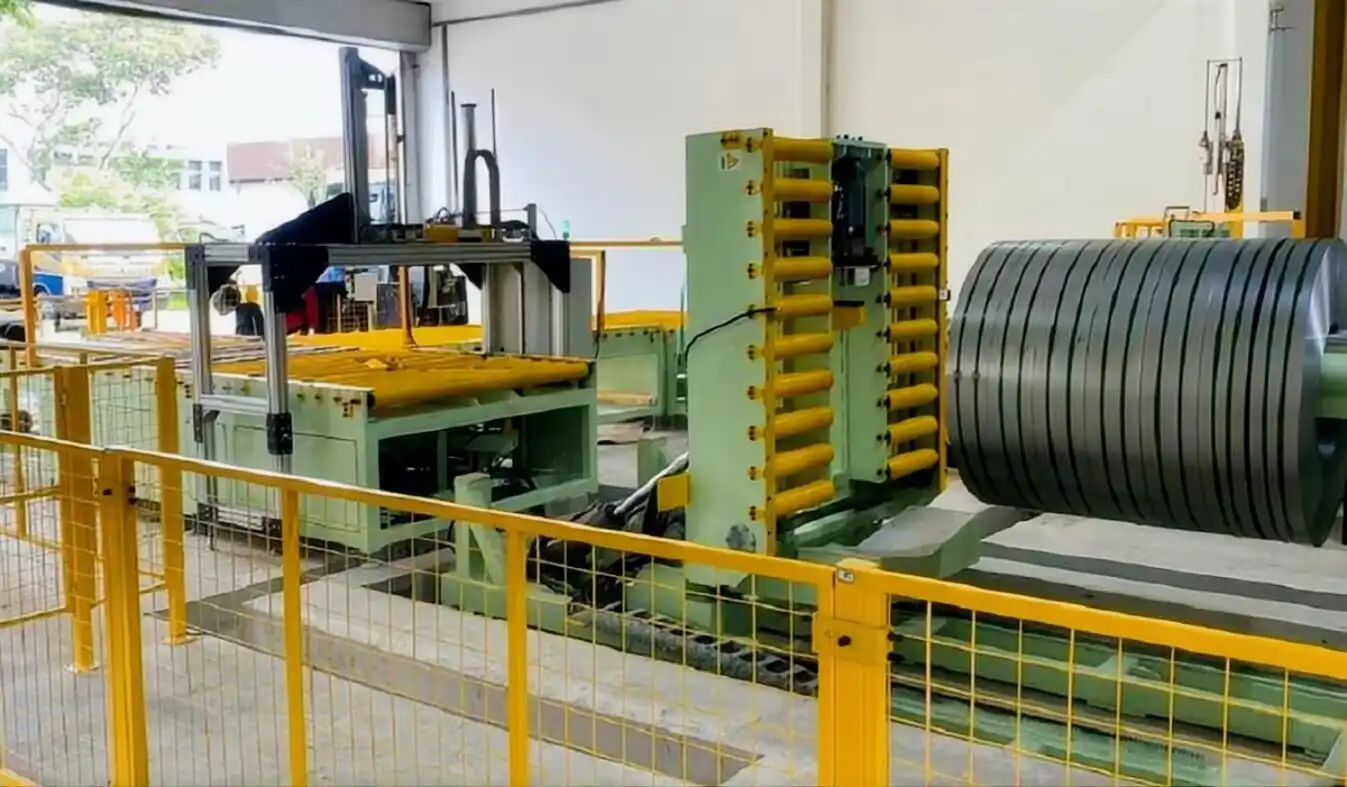

When I was building my own packing machine factory, I saw firsthand how much a good machine could change things. It was not just about making things faster. It was about making them better and safer. Coil wrapping machines offer a powerful solution to these critical problems. They deliver speed and protection that manual methods simply cannot match. This is especially important for high-value items like bearing and ring coils, where even small damage can lead to major losses.
The Twin Benefits: Speed and Protection in Action
Coil wrapping machines are engineered to solve the most pressing challenges in heavy manufacturing. They are designed for both speed and precision.
-
Unrivaled Speed and Efficiency:
- Automated Process: Coil wrapping machines automate the entire wrapping cycle. They pick up the coil, wrap it, and sometimes even strap it. This removes the need for human intervention.
- High Throughput Rates: These machines can wrap many coils per hour. This speed greatly reduces packing time. It eliminates bottlenecks on the production line. This means faster overall production and quicker delivery to customers.
- Consistent Performance: Machines do not get tired. They wrap coils with the same speed and quality every time. This ensures a steady output rate.
- Example from my own experience: I once helped a client in a steel mill who was struggling with slow packing. We installed an automatic coil wrapper. Their packing speed increased by over 200%. This immediately boosted their overall plant output.
-
Superior Product Protection:
- Comprehensive Wrapping: Coil wrapping machines apply a tight, multi-layer wrap. This covers the entire surface of the coil. It protects against dust, dirt, moisture, and corrosion.
- Damage Prevention: The secure wrapping acts as a cushion. It protects the coil edges and surfaces from impacts. This prevents dents, scratches, and other physical damage during handling and shipping.
- Customizable Wrapping: Many machines allow for different wrapping patterns and tensions. This means you can tailor the protection to the specific needs of your bearing or ring coils. For example, some might need extra layers for outdoor storage.
- Material Options: You can use various wrapping materials. These include stretch film, VCI paper, and woven fabric. Each offers different levels of protection. VCI paper protects against rust.
| Feature | Manual Packing | Coil Wrapping Machine |
|---|---|---|
| Speed | Slow, inconsistent | Fast, consistent, high throughput |
| Consistency | Varies greatly by worker | Uniform, high quality every time |
| Product Damage | High risk of scrapes, dents, corrosion | Low risk, excellent physical and environmental protection |
| Material Usage | Often excessive or insufficient | Optimized, precise, less waste |
| Worker Effort | High, physically demanding | Minimal, supervision only |
📈 Efficiency Boost Example: Imagine a factory producing 50 bearing coils per hour. With manual packing, each coil takes 5 minutes to wrap. That is 250 minutes of labor per hour of production. An automatic coil wrapper can wrap a coil in 30 seconds. This cuts packing time to 25 minutes for 50 coils. This frees up significant labor and production time.
These machines are essential for anyone serious about modern manufacturing. They directly impact a factory’s ability to deliver high-quality products on time, every time.
3. Can automated coil wrapping truly make factories safer and save money?
Are you concerned about the high number of workplace injuries related to manual handling of heavy materials? Does your factory face increasing insurance costs and employee turnover because of dangerous packing tasks? Many factory managers, like Michael in Mexico, understand that safety is not just a cost, but an investment.
Automated coil wrapping systems fundamentally transform factory safety by eliminating the need for human workers to manually lift, move, and wrap heavy or awkward coils, drastically reducing the risk of musculoskeletal injuries, crushed limbs, and other workplace accidents. This enhanced safety, combined with reduced labor, lower insurance premiums, and minimal product damage, translates directly into significant cost savings and a strong return on investment for the factory.


I have always believed that a safe workplace is a productive workplace. When I built my factory, safety was a top priority. Automation is one of the best ways to achieve this, especially in heavy industries. Coil wrapping machines do more than just wrap coils; they take dangerous tasks away from people. This not only protects workers but also makes good business sense by reducing costs across the board.
Safety First, Savings Follow
The benefits of automated coil wrapping extend far beyond just faster packing. They directly impact the well-being of your employees and the financial health of your company.
-
Drastically Improved Worker Safety:
- Reduced Manual Handling: The biggest safety gain comes from removing human interaction with heavy coils. Workers do not need to lift, turn, or manually wrap large, cumbersome items. This reduces strain.
- Elimination of Injury Risks: This directly cuts down on common injuries like back strains, sprains, and crushed fingers or limbs. These are frequent in manual packing operations.
- Safer Work Environment: With fewer manual tasks, the overall factory floor becomes a safer place. Workers can focus on supervision and quality control, not on heavy lifting.
- My own experience: I remember a client whose safety record was poor due to manual coil handling. After installing an automated system, their accident rates dropped by 80% in the first year. This was a huge win for their staff and their operations.
-
Significant Cost Reduction:
- Lower Labor Costs: Automated machines can do the work of several people. This allows factories to reallocate staff to other areas or reduce their labor force dedicated to packing. This is a direct saving.
- Reduced Insurance Premiums: Fewer workplace accidents mean lower claims. This leads to reduced worker’s compensation and liability insurance costs over time.
- Less Product Loss: As discussed before, automated wrapping protects coils better. This means fewer damaged goods, fewer returns, and fewer customer complaints. Each of these saves money.
- Optimized Material Use: Machines apply wrapping material precisely. This reduces waste compared to manual wrapping, where excess material is often used.
- High ROI (Return on Investment): The combined savings from labor, insurance, and reduced product damage mean that a coil wrapping machine quickly pays for itself. Many factories see a full return on their investment within 1-2 years.
| Cost Category | Manual Packing Impact | Automated Coil Wrapping Impact |
|---|---|---|
| Labor | High, constant wages | Reduced, reallocated staff, lower operational costs |
| Safety Incidents | Frequent, high medical costs, lost productivity | Very low, fewer injuries, less downtime |
| Insurance | High premiums due to risk | Lower premiums due to improved safety record |
| Product Damage | Significant, costly returns, loss of reputation | Minimal, better protection, higher customer satisfaction |
| Material Waste | High, inconsistent application | Low, precise usage |
- Emoji Example:
- 👷♂️ Manual Labor = 😟 (High Risk) + 💸 (High Cost)
- 🤖 Automation = ✅ (Safe) + 💰 (Savings)












