
Why Do Greek Procurement Managers Compare Coil Wrapping Machine Options for ROI?
Have you ever felt the pressure of a lagging production line, knowing every minute of inefficiency eats into your profits? For factory managers and operations directors, especially those in the demanding heavy manufacturing sector, this feeling is all too common. The search for better equipment is not just about upgrading; it is about solving real problems that impact the bottom line. This includes everything from slow processes to safety risks and even damaged products.
Greek procurement managers, much like their counterparts globally, compare coil wrapping machine options for Return on Investment (ROI) because these machines directly address critical operational challenges such as labor-intensive processes, high safety risks, and product damage, all of which significantly impact a factory’s profitability and competitive edge. Investing in the right coil wrapping technology means securing tangible benefits that far outweigh the initial cost.

The decisions made by managers in the procurement department can make or break a factory’s success. It goes beyond just buying a machine. It is about strategic investments that improve every aspect of the operation. Let us look deeper into why managers everywhere, from Athens to Mexico City, prioritize ROI when looking at coil wrapping solutions.
1. Is Your Manual Coil Packing Slowing Down Your Entire Factory?
Do you ever see your finished products waiting to be packed, creating a bottleneck right at the end of your production line? This frustration is real for many factories. Manual coil and wire packing processes are often slow, tiring, and inefficient. They become the choke point that limits how much you can produce and how fast you can deliver.
Manual coil packing significantly slows down factory operations and reduces overall efficiency because it relies on human speed and stamina, leading to inconsistent output and a backlog of finished goods that prevent timely delivery and impact overall production flow. This bottleneck directly affects a factory’s ability to meet demand and stay competitive.

When I first started in the packing machine industry, I saw this problem everywhere. Factories were making great products, but their manual packing lines were holding them back. It was like running a marathon only to trip at the finish line. For a factory manager like Michael Chen, overseeing a metal processing plant in Mexico, this is a daily battle. He knows that every minute of downtime or slow processing means lost money. Managers understand that efficiency at the end of the line is just as important as efficiency at the beginning.
The Hidden Costs of Manual Coil Packing
Manual packing seems cheap at first glance, but its true costs are often overlooked.
- Slow Throughput: Human hands simply cannot match the speed of a machine when handling heavy, bulky coils. This means fewer coils packed per hour.
- Inconsistent Quality: Manual wrapping can vary. Some coils might be wrapped too loosely, others too tight. This can lead to product damage or customer complaints.
- Higher Labor Costs Over Time: While you pay wages, you also pay for breaks, sick days, and training. Plus, finding skilled workers for this physically demanding job is getting harder.
- Limited Growth Potential: If your packing line cannot keep up with increased production, you cannot grow your business. This stops you from taking on bigger orders.
Comparing Manual vs. Automated Coil Wrapping
| Feature | Manual Coil Wrapping | Automated Coil Wrapping | Impact on ROI |
|---|---|---|---|
| Speed | Slow, inconsistent, limited by human endurance | Fast, consistent, continuous operation | ⬆️ Higher throughput, ⬆️ faster delivery |
| Labor Needs | High, multiple workers needed for heavy items | Low, often one operator to monitor | ⬇️ Reduced labor costs, ⬆️ labor reallocation |
| Consistency | Varies with worker skill and fatigue | High, precise, repeatable wrapping | ⬇️ Fewer reworks, ⬆️ consistent product presentation |
| Productivity | Prone to bottlenecks, stops for breaks | 24/7 operation possible, no breaks needed | ⬆️ Maximize production capacity, ⬇️ idle time |
| Operational Cost | High ongoing wages, benefits, injury potential | Higher initial investment, lower long-term operating costs | Clear path to cost savings over machine lifespan |
| Growth Scalability | Difficult to scale up without significant labor increase | Easy to integrate into larger automated systems | ⬆️ Supports business expansion without bottlenecks |
Managers in Greece, Mexico, or anywhere else, see that an automatic coil wrapping machine is more than just a piece of equipment. It is a strategic tool. It helps them remove bottlenecks, speed up production, and get products out the door faster. This directly translates to more satisfied customers and a healthier bottom line. Investing in automation here is not a luxury. It is a necessity for anyone serious about growth and efficiency.
2. How Does Manual Heavy Lifting Silently Increase Your Operating Costs?
Have you thought about the real cost of moving heavy steel coils and wires by hand? It goes beyond just paying wages. Manual handling of heavy items like steel coils or wire bundles is a huge safety risk. This risk brings with it many hidden costs that quietly eat into a factory’s profits. For operations directors, ensuring worker safety is paramount, but they also have to balance this with financial responsibility.
Manual heavy lifting silently increases operating costs through high worker injury rates, which lead to increased insurance premiums, lost workdays, and higher employee turnover, alongside the direct costs of medical care and potential legal fees, all while decreasing overall productivity. These factors make manual handling a hidden drain on a company’s financial health and a major concern for procurement managers focused on ROI.
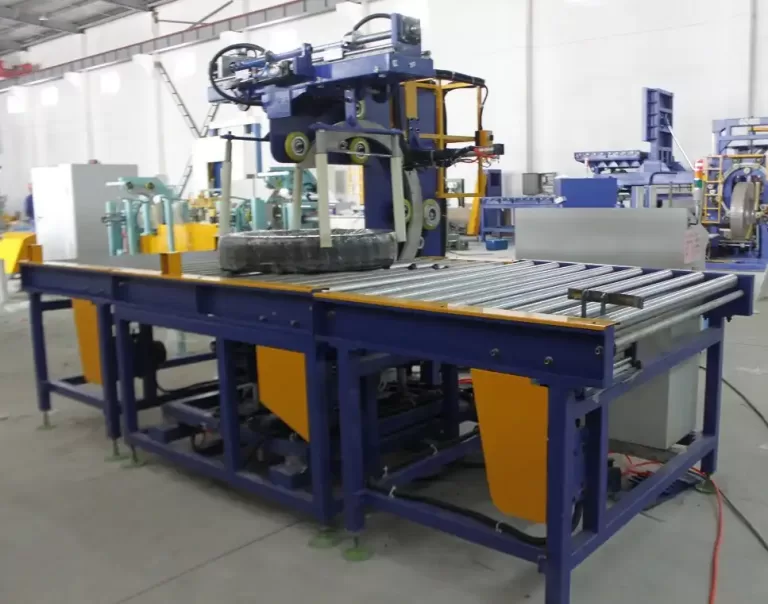
During my time running my own packing machine factory, I saw firsthand how quickly a workplace injury could disrupt operations and inflate costs. It was not just the immediate medical bills. It was the ripple effect: finding a replacement worker, training them, and dealing with potential morale issues. This is a big concern for people like Michael Chen. He is responsible for his team’s well-being and his company’s budget. He knows that preventing an injury is always cheaper than treating one.
The True Financial Burden of Manual Handling
The costs related to manual handling are much higher than they appear.
- Direct Injury Costs: These include medical treatment, rehabilitation, and workers’ compensation claims. A single serious injury can cost tens of thousands of dollars.
- Indirect Injury Costs: This is where the real silent killer lies.
- Lost Productivity: Injured workers are off the job. Other workers might need to step in, often at lower efficiency.
- Increased Insurance Premiums: A history of workplace injuries will cause your insurance rates to skyrocket.
- Employee Turnover: Dangerous jobs lead to higher turnover. This means constant hiring and training, which are both expensive and time-consuming.
- Morale and Reputation: A factory known for injuries struggles to attract and keep good talent. It also harms the company’s image.








