
Why Do Woodworking Plants Invest in Automated MDF Horizontal Packing Lines?
Are you a factory manager in the woodworking industry, constantly battling with production bottlenecks and the sheer physical demand of manual packing? Perhaps you’ve seen workers struggle with heavy MDF boards, or cringed at the sight of damaged product before it even leaves your facility. These frustrations are common, often leading to slow output, increased costs, and serious safety concerns that keep you up at night. (manual MDF packing challenges)
Woodworking plants invest in automated MDF horizontal packing lines primarily to overcome pervasive inefficiencies, mitigate significant safety risks, and dramatically reduce product damage, thereby boosting operational output, decreasing labor costs, and ensuring consistent product quality for their customers. This strategic move is about more than just buying a machine; it’s about transforming an entire production workflow to secure a competitive edge and foster a safer, more profitable environment. (automated MDF packing benefits)
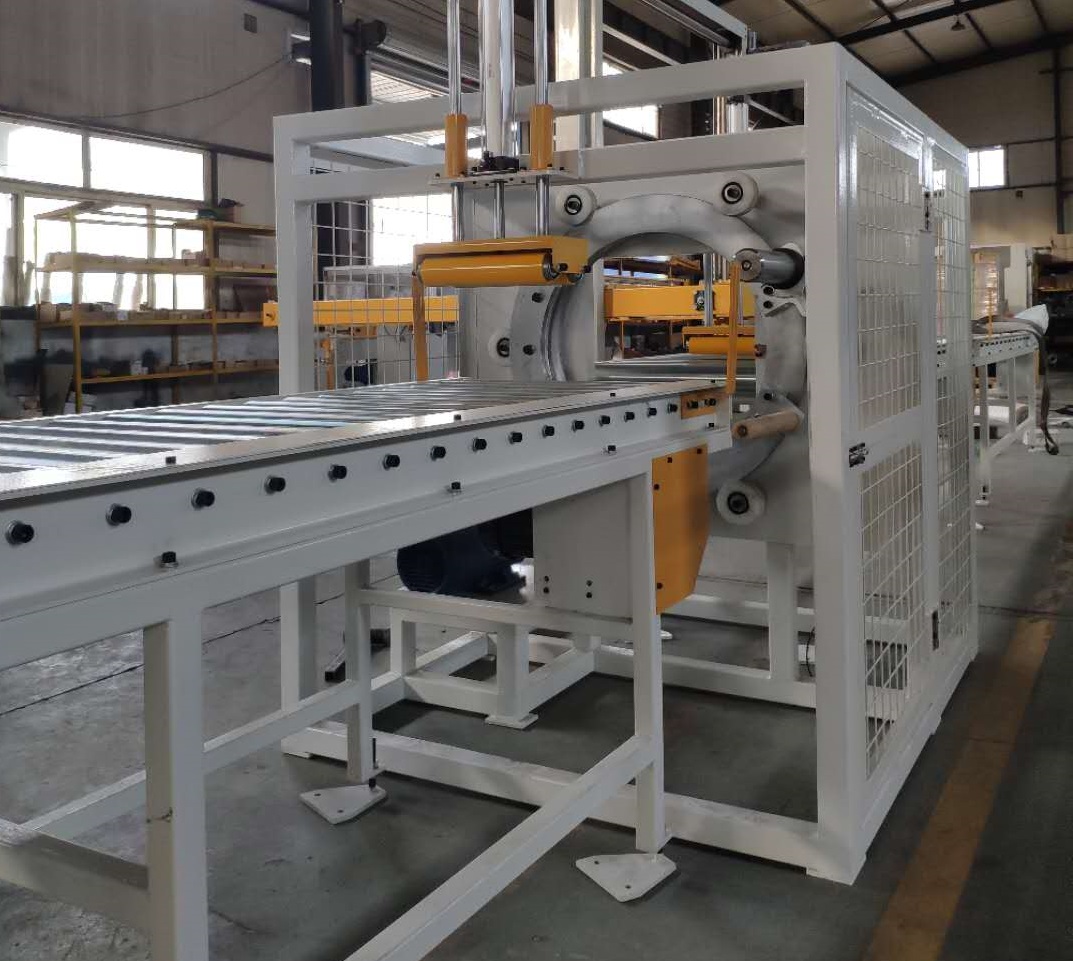
I have spent years in the packing machine industry, from the factory floor to building my own successful enterprise. I have seen firsthand the struggles many manufacturers face. This article pulls back the curtain on why automation, especially with horizontal packing lines for MDF, is not just an option but a critical step for modern woodworking plants. Let’s dive into the core challenges and the powerful solutions that automated systems bring to the table. (industrial packing automation solutions)
How Does Automated Packing Improve MDF Production Efficiency?
Is your woodworking plant struggling to meet demand because your end-of-line packing process just can’t keep up? The problem often starts with manual labor, a bottleneck that can choke even the most optimized production lines, leading to missed deadlines and frustrated customers. (MDF production efficiency bottlenecks)
Automated MDF horizontal packing lines significantly improve production efficiency by replacing slow, inconsistent manual processes with high-speed, uniform operations, ensuring a smooth and continuous flow of finished products from the factory floor to shipment. This transition eliminates human error, reduces downtime, and allows for much higher throughput, making your entire operation more responsive and productive. (automated MDF throughput improvement)
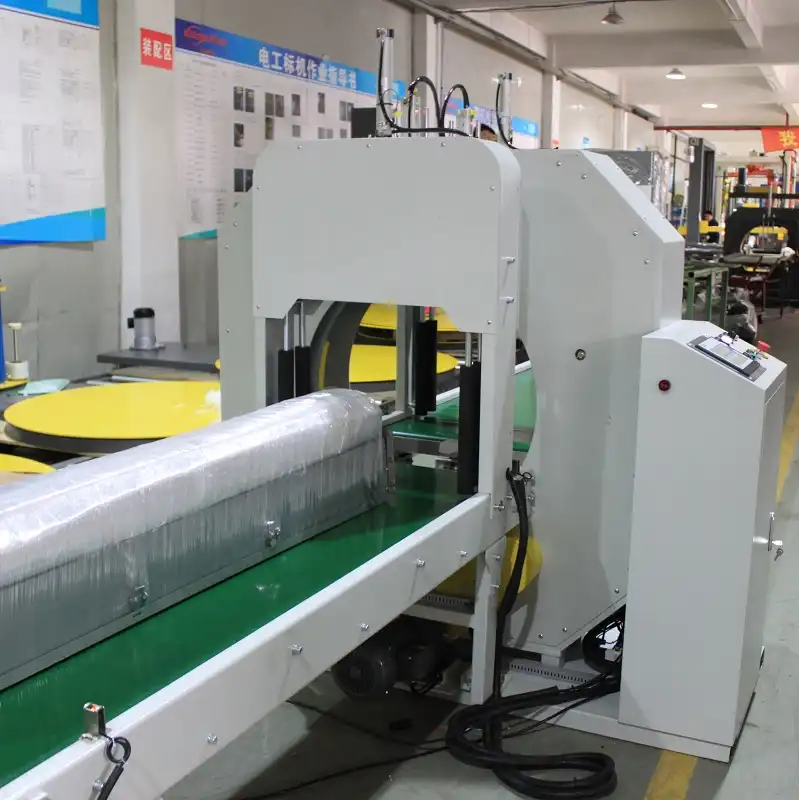
As a packing machine engineer, I have walked through countless factories, and one of the most common complaints I hear from plant managers like Michael Chen is about efficiency bottlenecks. In my early days, when I was an employee at a packing machine factory, I saw how much time was wasted on manual tasks. Later, when I established FHOPEPACK, I made it my mission to help clients overcome these exact issues. Automated horizontal wrapping machines, like our FHOPEPACK E300 series, are specifically designed to tackle these challenges head-on in woodworking plants.
Understanding the Efficiency Gains:
- Increased Speed and Throughput: Manual packing of MDF boards is inherently slow. Each board or stack requires individual handling, wrapping, and securing. Automated systems, however, can process multiple boards per minute, drastically increasing the volume of ready-to-ship product. Imagine your production line suddenly able to handle 50% more output without adding more staff. That’s the power of automation. 🚀
-
Manual vs. Automated Throughput: Metric Manual Packing (per hour) Automated Packing (per hour) MDF Boards Wrapped 15-20 60-120 Labor Required 2-3 workers 0.5-1 worker (supervision) Consistency Variable High Downtime Potential High (breaks, fatigue) Low (maintenance schedules) (MDF wrapping speed comparison)
-
- Reduced Labor Dependence: Finding skilled labor for repetitive, physically demanding packing tasks is getting harder and more expensive. By automating, woodworking plants can reallocate their workforce to more value-added activities, reducing reliance on manual labor for basic packing. This not only lowers labor costs but also helps mitigate the impact of labor shortages. 📉
- Consistent Package Quality: Manual packing often leads to inconsistent wrapping, which can look unprofessional and offer less protection. Automated horizontal stretch wrappers ensure every MDF board or stack is wrapped uniformly with the correct tension and overlap, resulting in a neat, secure package every time. This consistency improves your brand image and reduces customer complaints related to poorly packaged goods. ✅
- Seamless Integration: Modern automated packing lines are designed to integrate smoothly with existing production lines. This means your MDF boards can move directly from the cutting or finishing area to the packing machine without interruption, creating a continuous, streamlined workflow. This integration minimizes handling, reduces transit time within the plant, and eliminates potential bottlenecks between different production stages. (integrated packing solutions for MDF)








