
Why are Argentina tire factories adopting coil wrapping machines for safer wrapping?
For factory managers like Michael Chen, every day brings a new challenge. You juggle production targets, cost control, and worker safety. I know this pressure well. In my years building FHOPEPACK, I saw firsthand how manual processes can slow everything down, injure workers, and damage valuable products. If you are in Argentina’s busy tire industry, handling heavy coils manually is a constant headache. It affects your output and puts your team at risk.
Argentina’s tire factories are increasingly adopting coil wrapping machines because these systems solve critical issues. They make packing heavy materials much safer for workers. They also boost production speed and protect valuable products from damage. This shift helps factories meet tough market demands and keeps employees out of harm’s way, leading to better overall operations.
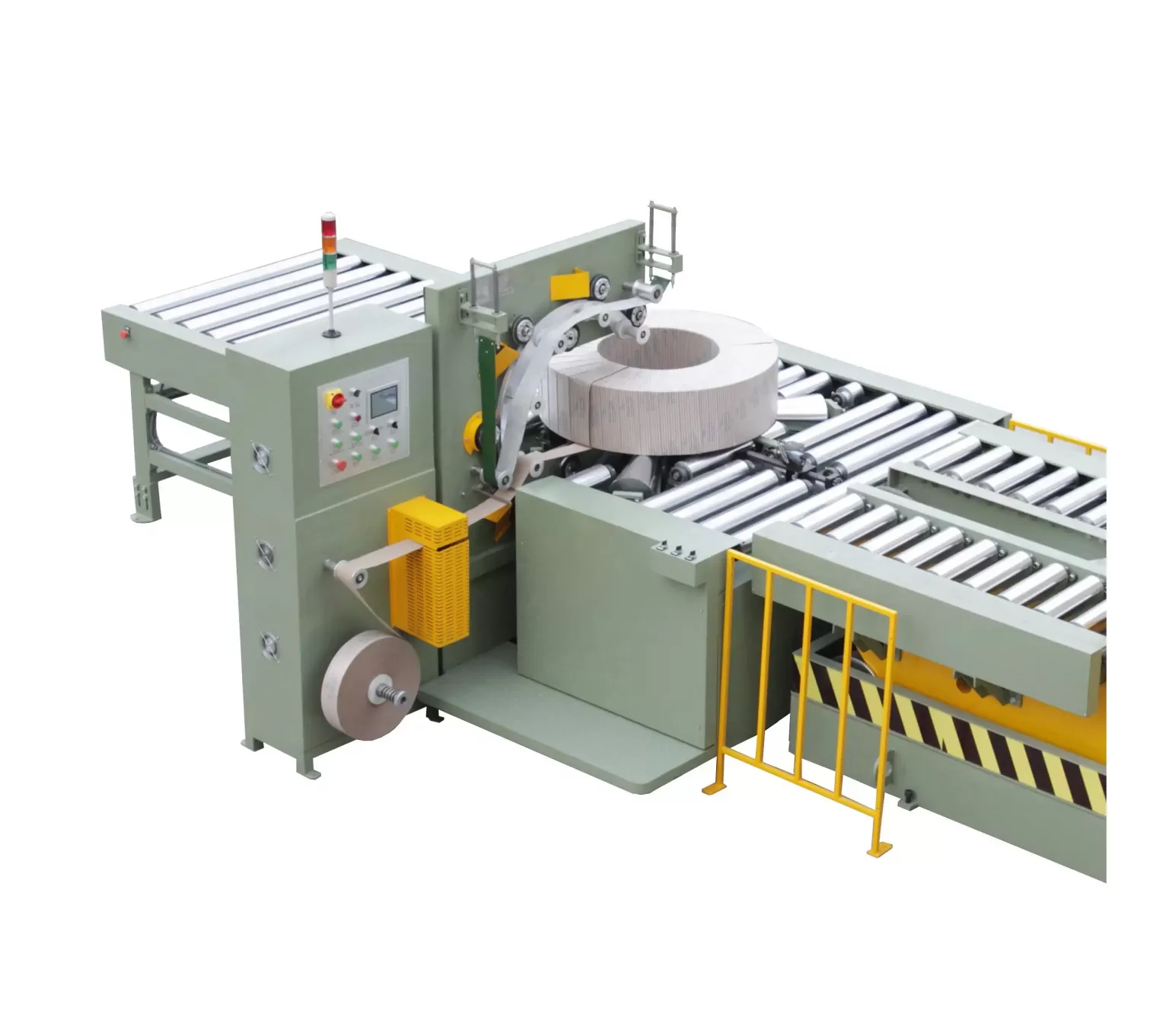
This move is not just a trend. It is a strategic decision. Managers are looking for real solutions to real problems. They want to invest in equipment that truly works and pays off. Let us explore why more and more factories, especially in dynamic regions like Argentina, are making this important change.
1. Why are old wrapping methods risking efficiency and safety in Argentina?
Are you still relying on manual labor for coil packing? This method might seem cheap upfront, but it costs you a lot in the long run. It slows down your entire production line. It also puts your workers in danger. I have seen this issue many times in factories, from steel mills to wire producers. The problems are universal, and they hit heavy industries hard.
Old wrapping methods, especially manual ones, create big risks for efficiency and safety in Argentina’s factories. Workers must physically handle heavy coils, which is slow and tiring. This causes bottlenecks in production. It also leads to frequent injuries, increasing insurance costs and employee turnover. Plus, manual handling can easily damage products.
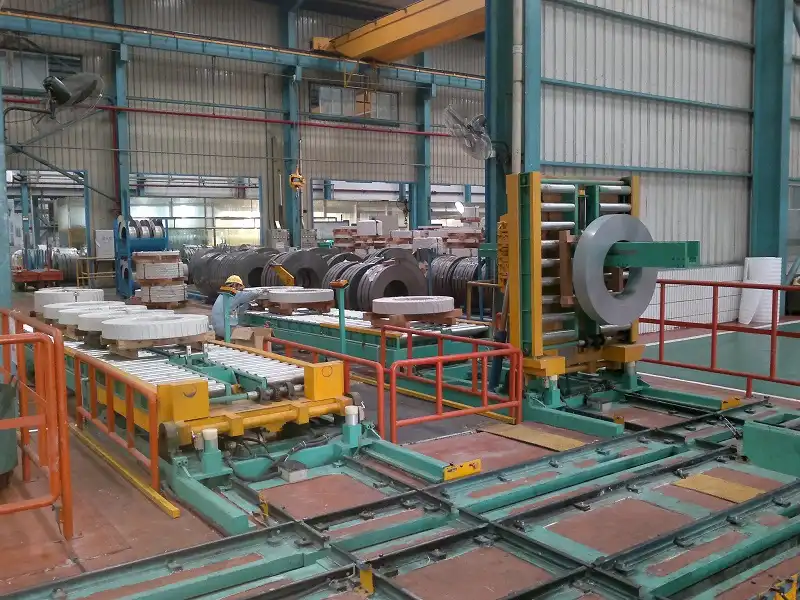
When I started my own packing machine factory, I knew these pain points well. Manual processes mean your valuable people are doing dangerous, repetitive tasks. This is bad for their health. It is also bad for your business. Michael Chen, a factory manager in Mexico, faces similar challenges. His factory handles heavy metal products. He needs solutions that remove risks and make things faster. This is why many are moving away from manual wrapping.
The Hidden Costs of Manual Coil Wrapping
Manual coil wrapping might seem like a simple process. But it carries many hidden costs. These costs affect your bottom line. They also impact your workforce. Let us look at some of these issues:
-
Slow Production Speed:
- Manual wrapping is slow. Workers need time to position materials, apply wraps, and secure coils.
- This creates a bottleneck at the end of your production line.
- Your upstream processes might be fast, but packing holds everything up.
- This means you ship fewer products each day. It affects your delivery times.
- For a factory needing to move steel cords or rubber sheets quickly, this delay is a major problem. It can lead to missed deadlines and unhappy customers.
-
High Safety Risks and Injuries:
- Heavy coils are dangerous. Workers lift, move, and turn them by hand.
- This causes muscle strains, back injuries, and even more serious accidents.
- Michael mentioned high injury risks. These risks translate to higher insurance premiums.
- They also lead to lost workdays. Employees may leave because of unsafe conditions.
- I have seen workers get hurt trying to manually flip heavy items. It is not worth the risk. A safe workplace is a productive workplace.
-
Product Damage and Waste:
- When people handle coils, there is a higher chance of damage.
- The edges of steel coils can get bent. The surface can get scratched.
- This leads to customer complaints. It also means you lose money.
- Damaged products might need rework. Or you might have to scrap them.
- This directly impacts your profit margins. Michael knows that product loss eats into profits.
-
Inconsistent Wrapping Quality:
- Humans make mistakes. Not every coil gets wrapped the same way.
- Some wraps might be too loose. Some might not cover enough area.
- This means less protection during transport. Products can shift or get damaged more easily.
- Customers expect consistent quality. Manual methods make this hard to achieve.
-
High Labor Costs and Turnover:
- You need many workers for manual wrapping. This means higher wages over time.
- The work is hard and repetitive. This can lead to high employee turnover.
- Then you must spend money to hire and train new staff. This cycle is expensive.
- Investing in machines can reduce these ongoing labor costs and stabilize your workforce.
These problems are not unique to Argentina. They affect any factory handling heavy, bulky items. The cost of not changing adds up quickly.
2. How do coil wrapping machines automate and speed up packing processes?
Are you tired of your packing line being the slowest part of your factory? Do you want to ship more products faster? This is where modern coil wrapping machines come in. They are designed to take the bottleneck out of your end-of-line processes. I have engineered these systems to maximize throughput. They help factories push more product out the door every day.
Coil wrapping machines automate the packing process by using robotic arms or conveyor systems to move and wrap coils. They apply protective films or materials quickly and consistently. This eliminates the need for manual labor, drastically increasing speed. Automation allows continuous operation and significantly boosts overall production capacity, making factories much more efficient.

When Michael talks about efficiency bottlenecks, I understand him perfectly. My own journey from factory employee to factory owner showed me that automation is key. It is not just about one machine. It is about a smart system that improves your whole operation. Coil wrapping machines do exactly that. They transform a slow, manual step into a fast, automated one.
Driving Efficiency Through Automation
Coil wrapping machines bring major efficiency gains. They change how factories handle the final packing stage. Here is how they speed things up:
-
Consistent High Speed:
- Machines work faster than people. They do not get tired.
- They wrap coils at a constant, high speed. This means a steady flow of finished products.
- Many machines can wrap tens of coils per hour. This is much more than manual methods.
- For example, a machine can wrap a large steel coil in less than a minute. Manual wrapping could take 5-10 minutes for the same coil.
-
Reduced Labor Dependency:
- One machine can do the work of several people.
- This frees up your workers for other tasks. They can do jobs that require human skill.
- You need fewer staff at the packing station. This lowers your operational costs over time.
- Michael’s goal is to increase automation. This directly helps him reduce reliance on heavy manual labor.
-
Seamless Integration with Production Lines:
- Coil wrapping machines can fit into existing conveyor systems.
- They work as part of a continuous process.
- This means coils move directly from production to wrapping without stopping.
- It creates a smooth, efficient workflow. No more waiting for manual handlers.
-
Optimized Material Usage:
- Machines apply wrapping materials precisely. They use only what is needed.
- This reduces waste compared to manual wrapping.
- It also ensures consistent protection. Every coil gets the right amount of wrap.
- This is a small saving on each coil, but it adds up quickly for a busy factory.
Let us compare manual versus automated packing efficiency:
| Feature | Manual Coil Wrapping | Automated Coil Wrapping |
|---|---|---|
| Speed | Slow, varies by worker | Fast, consistent, high throughput |
| Labor Needed | High (multiple workers) | Low (1-2 operators for supervision) |
| Consistency | Varies, prone to human error | High, precise, uniform wrap |
| Downtime | Higher (fatigue, breaks, injuries) | Lower (scheduled maintenance only) |
| Output per Hour | Low | High |
This comparison shows a clear advantage for automation. Factories in Argentina, aiming for higher production, see the direct benefits of these machines. They can ship more products faster and keep their customers happy.
3. Do automatic coil wrappers truly make factory workplaces safer?
Safety is non-negotiable. As a factory owner, I always put worker safety first. Manual handling of heavy coils is one of the riskiest jobs in any heavy industry. It leads to many accidents and injuries. You want to protect your team. This is why automated coil wrappers are not just about speed. They are a critical investment in your workers’ well-being.
Yes, automatic coil wrappers truly make factory workplaces much safer. They remove the need for workers to manually lift, move, or turn heavy coils. This drastically reduces the risk of muscle strains, crushing injuries, and other accidents. Machines do the dangerous work, so employees can focus on safer, supervisory tasks. This directly improves overall factory safety records.

Michael from Mexico mentioned high injury risks. He wants solutions that improve worker safety. This is a common concern among smart factory managers. I have seen the damage caused by heavy object handling. It is not just about the cost of injuries. It is about your team’s morale and your company’s reputation. Automated systems directly address these safety concerns. They create a safer environment for everyone.
Reducing Risks with Automation
Automatic coil wrappers change the game for workplace safety. They take humans out of harm’s way. Here is how they improve safety:
-
Elimination of Manual Handling:
- This is the biggest safety benefit. Workers no longer need to touch heavy coils directly.
- Machines use conveyors, clamps, and rotating platforms. They do all the heavy lifting.
- This means no more back injuries from lifting. No more crushed fingers from positioning.
- This shift protects workers from the most common and severe accidents in coil handling.
-
Reduced Repetitive Strain Injuries (RSIs):
- Manual wrapping involves repetitive movements. These movements cause RSIs over time.
- Workers can develop carpal tunnel syndrome or tendonitis.
- Automated machines remove these repetitive tasks from human hands.
- This protects workers from long-term health problems.
-
Controlled and Predictable Operations:
- Machines follow programmed movements. They are predictable.
- They have safety sensors and emergency stop buttons.
- This creates a much more controlled work environment than manual handling.
- Fewer unexpected movements mean fewer accidents.
-
Lower Exposure to Moving Parts:
- With automated systems, workers stay away from the main operating area.
- They supervise the process from a safe distance.
- This reduces their exposure to fast-moving parts or pinch points.
- It helps create a safer barrier between humans and machinery.
-
Compliance with Safety Regulations:
- Many countries have strict safety rules for heavy manufacturing.
- Automated systems help factories meet these regulations more easily.
- This avoids fines and legal problems. It also shows a commitment to worker welfare.
Consider the common safety hazards addressed by coil wrapping machines:
- Crushing Hazards: Heavy coils can fall or roll onto workers. Machines eliminate the need for workers to be near these coils during movement or wrapping.
- Lifting Injuries: Manual lifting of heavy wrapping materials or coil adjustments causes back injuries. Machines do all the lifting.
- Pinch Points: Moving parts of manual equipment or coils themselves can create pinch points. Automated systems are designed with safety guards and controlled zones.
- Fatigue-Related Accidents: Tired workers are more likely to make mistakes. Machines do not get tired.
Michael’s factory, like many in Argentina’s heavy industry, benefits greatly from these safety improvements. A safer workplace means happier employees. It also means lower insurance costs and less downtime from injuries. It is a win-win for everyone.
4. Can coil wrapping machines cut costs and reduce product damage?
As a factory owner, I know that every dollar counts. You want to improve operations. But you also need a clear return on your investment. Managers like Michael Chen are always looking for ways to cut costs and increase profitability. They also want to protect their products. Coil wrapping machines do both. They are not just an expense. They are a smart financial move.
Yes, coil wrapping machines can significantly cut costs and reduce product damage. They lower labor expenses by automating the wrapping process. They also reduce material waste through precise application. By providing consistent, high-quality wrapping, they protect products from damage during handling and transport. This leads to fewer customer complaints and higher profits, giving a clear return on investment.

I have helped many clients grow their businesses by optimizing their packing. This often meant reducing damage and making processes more cost-effective. Michael’s concern about product loss and ROI is very real. When coils get damaged, it means rework, scrap, or even lost customers. An automated system solves these issues directly, protecting your bottom line.
Financial Benefits and Product Protection
Investing in a coil wrapping machine offers clear financial advantages. It also ensures your products arrive at their destination in perfect condition.
-
Lower Labor Costs:
- As discussed, machines reduce the need for many workers on the packing line.
- This saves on wages, benefits, and training costs over the long term.
- Your initial investment pays off through these ongoing savings.
- This is a key factor for Michael, who aims for clear ROI.
-
Reduced Product Damage:
- Consistent, secure wrapping protects coils from impacts, dust, and moisture.
- Machines apply the wrap tightly and evenly. This stops the product from shifting.
- Less damage means fewer customer complaints. It means fewer returns.
- This improves your brand reputation. It also saves the cost of replacing damaged goods.
- For example, damage to a steel coil’s edge during internal transfer can cost hundreds or thousands of dollars. An automated wrap minimizes this risk.
-
Optimized Wrapping Material Usage:
- Machines use the precise amount of wrapping film or paper needed.
- Manual wrapping often uses too much or too little. This leads to waste or poor protection.
- Over time, saving a small amount of material per coil adds up to significant cost savings.
- It is also better for the environment, using fewer resources.
-
Increased Customer Satisfaction:
- When products arrive in perfect condition, customers are happier.
- Happy customers become repeat customers. They are also more likely to recommend you.
- Reliable, damage-free delivery builds trust. This is important for Michael and his business growth.
-
Long-Term ROI:
- While the initial cost of a machine is an investment, the savings are continuous.
- Savings on labor, material, and damage quickly make up for the purchase price.
- I always help clients look at the long-term picture. These machines provide a strong ROI.
Let us look at how costs are impacted:
| Cost Factor | Manual Wrapping | Automated Wrapping |
|---|---|---|
| Labor | High | Low |
| Material Waste | Moderate to High | Low |
| Product Damage | Moderate to High | Low |
| Rework/Scrap | Yes | Rarely |
| Customer Complaints | Higher | Lower |
| Insurance Premiums | Higher | Lower |
The evidence is clear. Coil wrapping machines offer substantial financial benefits. They also ensure your products are well-protected. This makes them a wise choice for any factory manager focused on profitability and quality.
5. What makes a reliable partner for your coil wrapping machine investment?
Choosing a coil wrapping machine is a big decision. But choosing the right partner is even bigger. You want someone who understands your challenges. You need a company that provides more than just a machine. Michael faced supplier trust issues in the past. He wants a partner, not just a seller. My goal with FHOPEPACK is to be that partner. I want to share knowledge and help you succeed.
A reliable partner for your coil wrapping machine investment offers deep industry expertise, not just sales talk. They understand your specific production bottlenecks, safety concerns, and cost pressures. They provide customized solutions, strong after-sales support, and a proven track record of helping factories grow. This kind of partner, like FHOPEPACK, views your success as their own, offering guidance beyond just selling equipment.
My journey in the packing machine industry taught me valuable lessons. I started on the factory floor. Then I built my own successful factory. This background gives me unique insight into your operational needs. I know what it takes to make a factory run smoothly and profitably. This is the kind of partnership I offer through FHOPEPACK.
Finding the Right Partner
When you invest in a coil wrapping machine, you need a partner who brings more than just equipment. Here is what to look for:
-
Deep Industry Knowledge:
- Does the supplier truly understand your industry? Do they know about steel coils, wire, or rubber manufacturing?
- They should know your pain points, like efficiency bottlenecks and safety issues.
- A partner with real factory experience, like me, can offer much better advice.
- They can help you choose the right machine for your specific coils and volume.
-
Solution-Oriented Approach:
- A good partner does not just push a product. They listen to your problems.
- They offer solutions tailored to your unique factory needs.
- This means assessing your current process. It means suggesting the best system.
- Michael wants solutions that really fix his problems, not just new equipment.
-
Strong After-Sales Support:
- What happens after you buy the machine? A reliable partner offers excellent support.
- This includes installation, training, maintenance, and spare parts.
- Downtime is costly. Quick support keeps your operations running.
- Past bad experiences make Michael cautious. Good support builds trust.
-
Proven Track Record:
- Look for a partner with a history of success. Have they helped other factories?
- Do they have case studies or testimonials?
- My personal journey from employee to factory owner shows I know how to build and grow. FHOPEPACK is built on that practical experience.
- This gives you confidence in their ability to deliver results.
-
Commitment to Your Success:
- A true partner cares about your long-term success, not just a single sale.
- They offer ongoing advice. They help you optimize your packing over time.
- This aligns with FHOPEPACK’s mission of knowledge sharing. We want to empower you.
Michael is looking for an expert like me. Someone who understands his daily struggles. Someone who can provide guidance to ensure his investment truly boosts his business. That is exactly what FHOPEPACK offers. We are here to help you navigate the complexities of packing, achieve your goals, and secure your factory’s future.
Conclusion
Argentina’s tire factories are wisely adopting coil wrapping machines. They do this to boost safety, improve efficiency, cut costs, and protect products. This investment offers a clear return and builds a stronger, safer future for manufacturing.








