
Why Are United Kingdom Exporters Switching to Automated Door Packing Solutions?
Factories in the UK face big pressures. They need to move products fast. They must do it without hurting workers or damaging goods. Many still use old ways for packing doors. This leads to slow work, high risks, and wasted money.
Automated door packing systems are changing this for UK exporters. They are switching to these systems to solve these exact problems. These machines bring much better speed, higher safety, and lower costs. They make sure products get to customers in perfect condition.
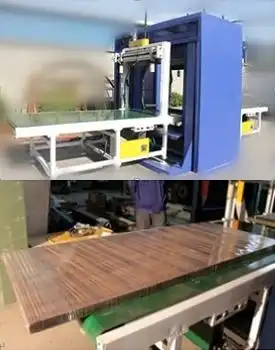
This shift is not just about new machines. It is about a new way to work. It is about solving common problems factory managers face every day. Let us look closer at why this change is happening and how it helps businesses thrive.
Are Manual Door Packing Methods Slowing Down UK Exporters?
Many UK door factories still rely on people to pack. This seems easy. But it hides many big costs and problems. Workers lift heavy doors. They wrap them by hand. This puts them at risk. It also makes the whole process slow and often messy.
Manual door packing creates major efficiency bottlenecks, safety risks, and product damage for UK exporters. This outdated method holds back their ability to compete globally and meet high customer demands.
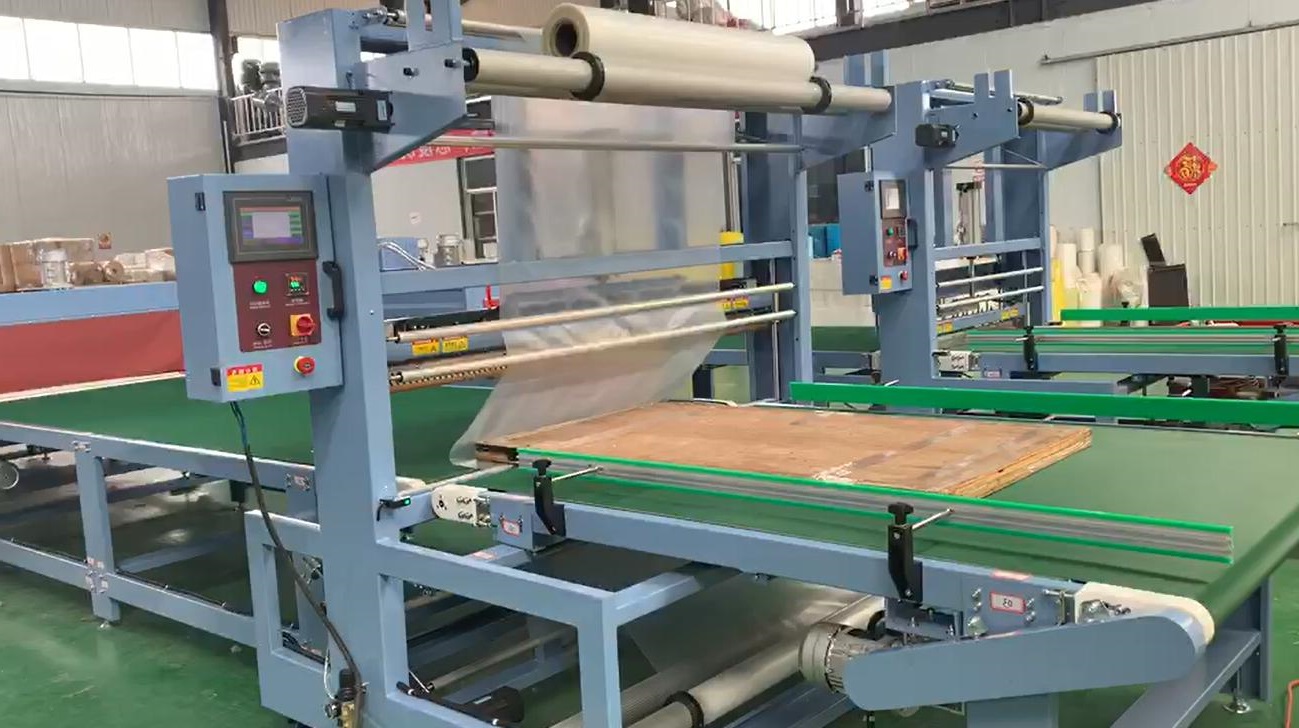
Manual door packing methods come with several clear downsides. These problems directly affect how fast a factory can ship products and how much money it can make. I have seen these issues many times in factories, from small workshops to big plants.
Slow Production Speeds:
Workers need time to handle each door. They must wrap it, strap it, and then load it onto a pallet. Each step takes effort. People get tired. This means fewer doors leave the factory each day. It slows down the entire production line. For exporters, delays mean missed deadlines. They mean unhappy customers. This hurts a company’s reputation.
High Labor Costs:
Many workers are needed for packing operations. They must be paid. Their wages add up fast. Overtime costs can quickly get out of control. This directly cuts into the factory’s profit margins. It makes products more expensive to produce.
Inconsistent Packaging Quality:
When people pack, the quality can change. One worker might wrap a door tightly. Another might leave it loose. This lack of consistency is a problem. Loose wrapping means doors can shift during shipping. This can cause damage. Poor packing also looks unprofessional. It gives customers a bad first impression.
Product Damage During Handling:
Doors are often heavy and have sharp edges. Moving them by hand, or stacking them, can easily lead to scrapes, dents, or chips. The edges of doors are very sensitive. They can get damaged when bumped. These damages mean products cannot be sold as new. They lead to returns. They also mean angry customers. My own experience in the packing machine industry showed me how easily products could get damaged without proper handling. I have seen factories lose good customers because of repeat damage issues. It is a real problem that many do not see until it is too late.
Here is a simple comparison of manual versus automated packing:
| Feature | Manual Packing | Automated Packing |
|---|---|---|
| Speed | Slow, depends on person’s speed | Fast, consistent cycle times |
| Consistency | Varies by worker, human error | High, precise wrapping |
| Labor Cost | High, many workers needed | Low, minimal worker supervision |
| Safety | High risk of injury | Low risk, less human contact |
| Product Quality | Prone to damage during handling | Protected, secure wrapping |
| Operational Hours | Limited by shifts and worker breaks | Can run 24/7 without fatigue |
Can Automated Door Packing Solutions Make UK Factories Safer?
Safety is the most important thing in any factory. Moving heavy doors by hand is dangerous. It puts workers at very high risk. Many factories have workers hurt from lifting or moving heavy items.
Automated door packing greatly reduces manual handling of heavy items. This cuts down on worker injuries. It improves overall factory safety for UK operations, protecting valuable employees.
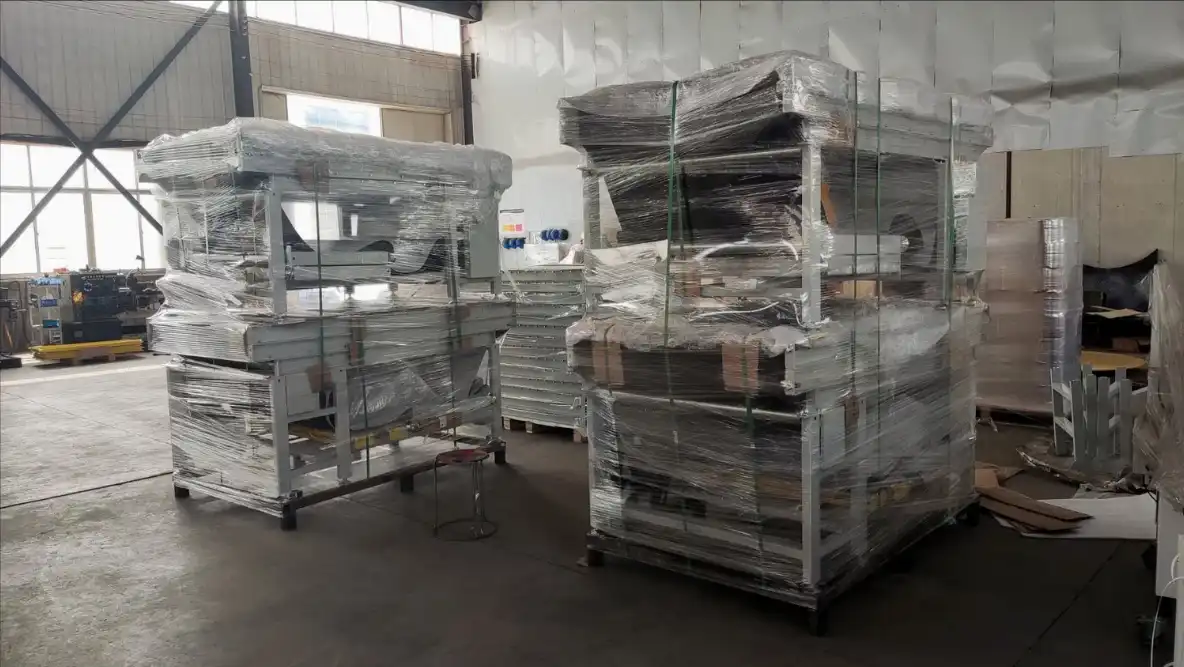
Automated packing systems bring a big change to factory safety. They remove people from the riskiest parts of the job. This directly impacts worker health and the company’s financial health.
Reduced Manual Handling:
Machines now do the heavy lifting. They rotate the doors. They wrap them. Workers do not need to strain their backs. They do not need to lift heavy panels. This is a huge step in preventing muscle and joint injuries. These are very common in industries that deal with heavy items. When I started my packing machine factory, safety was always a top priority. I learned that preventing just one accident saves much more than the cost of safety equipment.
Controlled Work Environment:
Automated systems work within clear safety zones. They use sensors. These sensors stop the machine if a worker gets too close. This creates a much safer place to work. It lowers the chance of accidents.
Less Worker Fatigue:
Doing the same task over and over causes fatigue. Tired workers make more mistakes. More mistakes mean more accidents. Automated machines do not get tired. They work at the same speed and with the same care all day. This means fewer errors and fewer accidents on the packing line.
Lower Insurance Premiums:
When fewer workers get hurt, there are fewer injury claims. This can lead to lower insurance costs for the factory. UK businesses are always looking for ways to save money. Improving safety is a direct way to do this. It is a win-win for both workers and the business.
Improved Employee Morale:
When workers feel safe, they are happier. They feel valued by their company. This leads to higher morale. Happy workers are more productive. They are more likely to stay with the company. This also helps reduce employee turnover. For factory managers like Michael Chen, who worries about high staff turnover, automated packing directly helps solve this problem.
How Do Automated Systems Deliver Cost Savings and Boost Profits for UK Exporters?
Every business wants to cut costs and make more money. UK exporters especially need to stay competitive in a big global market. Manual packing seems cheap at first. But it hides many costs. It wastes materials. It damages products. These hidden costs hurt the bottom line.
Automated door packing cuts labor costs. It reduces material waste. It also minimizes product damage. This leads to significant financial savings and higher profits for UK exporters, improving their overall business health.
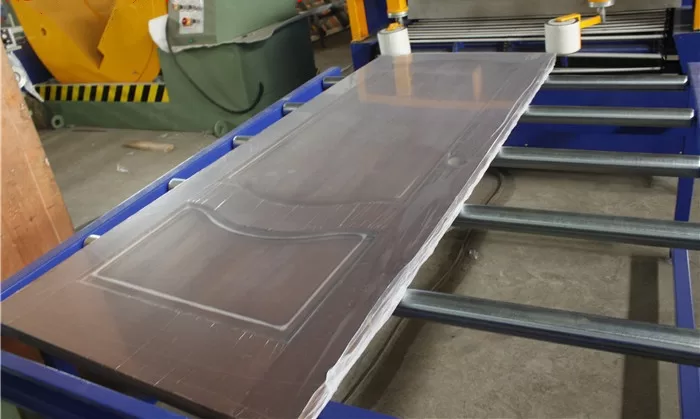
Investing in automated door packing is not just an expense. It is a strategic financial move. It offers clear returns on investment (ROI). It helps factories save money in many ways, which directly boosts their profits.
Labor Cost Reduction:
Machines work much faster than humans. They do not need breaks or holidays. This means fewer workers are needed for the same amount of output. Or, existing workers can move to other, more skilled tasks within the factory. This results in direct savings on wages, benefits, and hiring costs. It is a major factor in overall cost reduction.
Reduced Product Damage:
Automated machines apply a consistent and secure wrap every time. This protects the doors much better during transport. Fewer damaged goods mean fewer returns from customers. It also means fewer complaints. This directly impacts profit. When I was building my own factory, I always looked for where money was being lost. Product damage was a big one for many companies I advised. Fixing this problem saves real money.
Optimized Material Usage:
Automated wrapping machines use stretch film or other packing materials very efficiently. They apply just the right amount of material. This avoids waste. Manual wrapping often uses too much film or other materials. This adds up to significant savings on material costs over time. It is a small saving on each package, but it becomes huge when packing thousands of doors.
Increased Throughput:
Faster packing means more doors can leave the factory each day. More output means more products are ready for sale. This directly boosts revenue and helps factories meet higher demand. It lets UK exporters take on bigger orders and serve more customers. This is crucial for business growth.
Better Customer Satisfaction:
Consistent, undamaged products lead to happy customers. Happy customers are more likely to place repeat orders. They are also more likely to recommend your business to others. This builds a strong brand reputation. This is an indirect but powerful financial benefit that leads to long-term success.
Reduced Insurance and Liability:
As we discussed before, fewer workplace accidents mean lower insurance premiums for the company. Less product damage means fewer liability claims from customers. These are real financial savings that add to the bottom line. It shows that investing in automation is a smart business decision from every angle.
Why is Trusting the Right Partner Key for UK Exporters’ Automation Journey?
Buying a packing machine is a big decision for any factory. It costs a lot of money. Many suppliers just want to sell a piece of equipment. They might not care much after the sale. This is a big problem.
UK exporters need a trusted partner, not just a supplier, for automated packing solutions. This ensures long-term success, expert support, and machine performance that truly fits their needs.
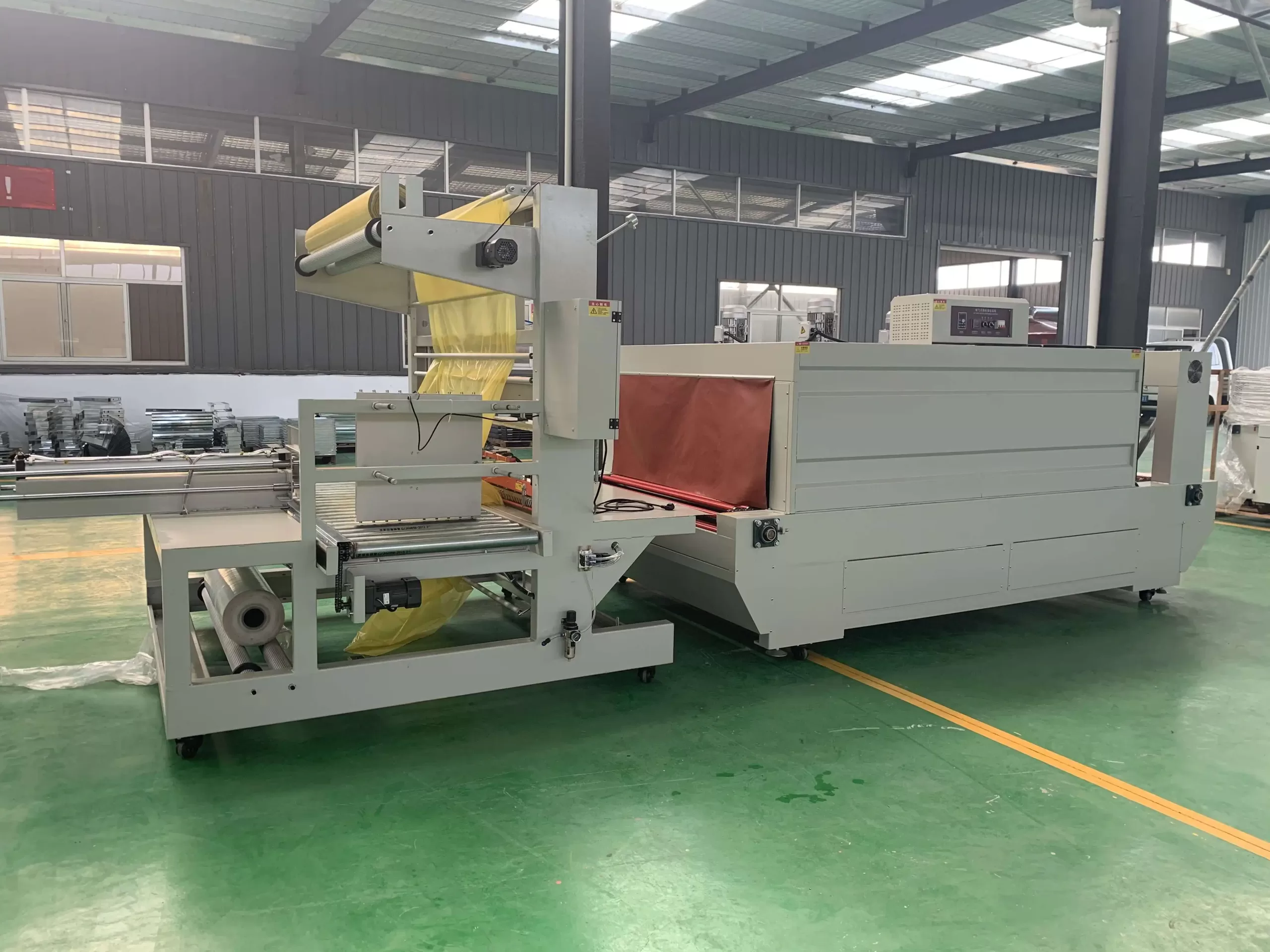
Choosing the right partner for your automation project is as important as the machine itself. A bad choice can lead to more problems than solutions. A good partner, however, becomes an asset. They help you succeed. This is where my own experience comes in.
Understanding Your Unique Needs:
Every factory is different. What works for one might not work for another. A good partner does not offer a “one-size-fits-all” solution. They ask many questions. They learn about your specific door types. They consider your production volume. They look at your factory layout. From my own journey, starting as an employee and then building FHOPEPACK, I saw first-hand how a deep understanding of a factory’s workflow makes all the difference. When I help a client, I am thinking about their entire operation, not just the machine. I want to solve their real problems.
Expertise Beyond Sales:
Many machine suppliers know their machines well. But do they truly understand your industry? Do they know the daily challenges of a factory manager like Michael Chen? I built FHOPEPACK on the idea of sharing knowledge. My team and I understand heavy packaging. We have lived it. We know what it means when a production line stops. We know the pressure of meeting deadlines and keeping workers safe. We do not just sell machines. We share our deep insights and practical experience.
Reliable After-Sales Support:
A machine will need service. It will need spare parts over time. A true partner offers quick and effective support after the sale. They do not disappear. They are there when you need them. This builds trust. I helped many clients grow their businesses by offering reliable support. I believe this part is just as important as the machine itself. A machine is only good if it keeps running.
Long-Term Partnership:
Automation is a journey, not a single purchase. A good partner helps you plan for the future. They offer advice as your business grows. They look at how new technology can further improve your operations. This long-term view is what sets a true expert apart. It is about building a relationship that lasts, not just closing a single deal. For UK exporters, picking the right partner means ensuring their investment pays off for many years to come.
Tailored Solutions:
Sometimes, a standard machine is not enough. A real expert can customize. They can adapt solutions to fit challenging factory environments or unique product sizes. They can ensure the new machine integrates smoothly into your existing production lines. This level of dedication comes from deep industry experience and a true commitment to solving client problems.
Conclusion
Automated door packing transforms UK exports by boosting speed, safety, and profits. Choosing FHOPEPACK means partnering with experts for a successful, sustainable future.








