
Why Are Saudi Arabia Exporters Switching to Automated Door Packing Solutions?
Are you a factory manager in Saudi Arabia feeling the pressure? Do you see your production lines slow down right at the end, at the packing stage? This is a common problem. It holds back your whole operation. It stops you from getting products out the door fast enough.
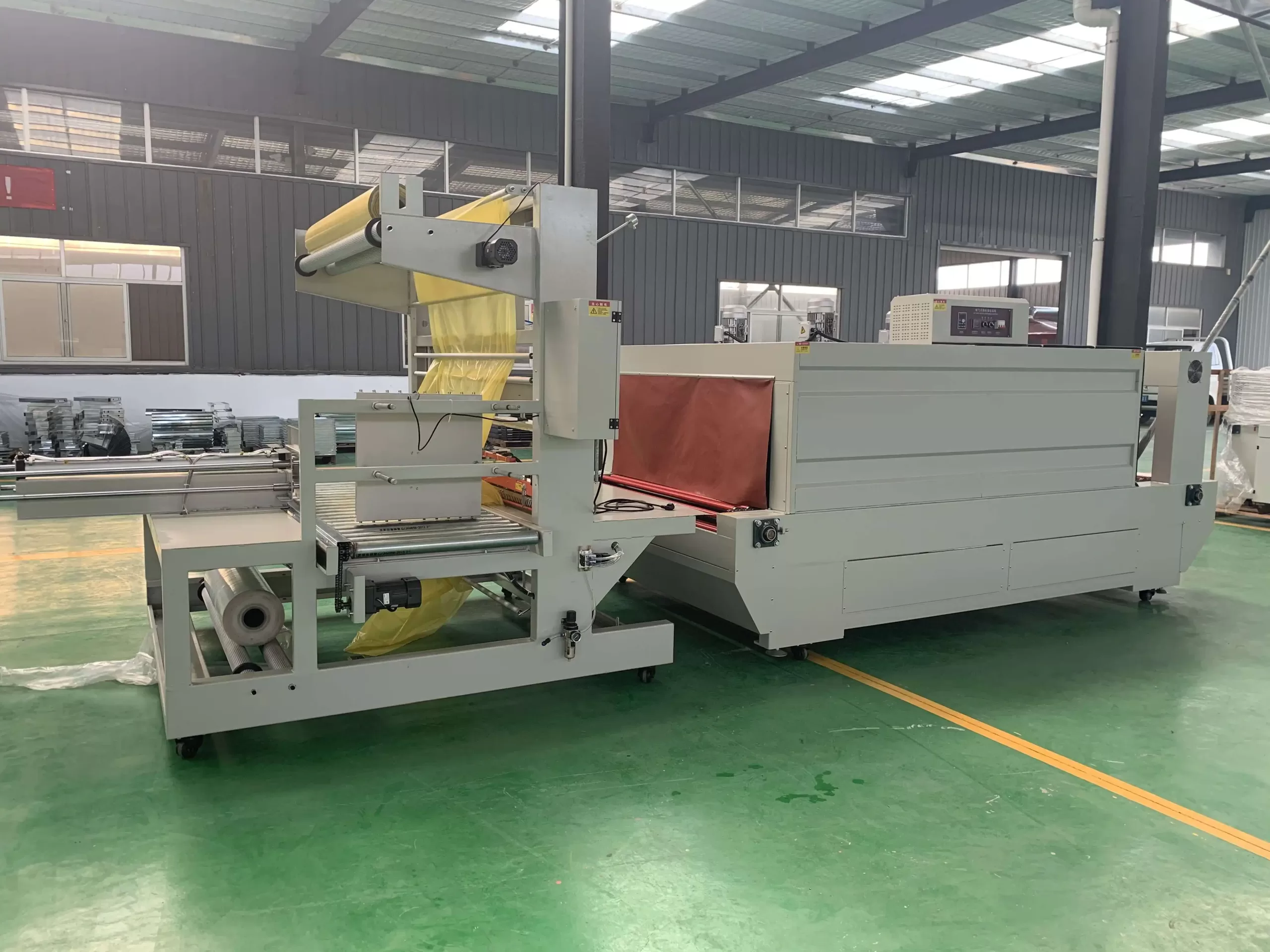
Many Saudi Arabian exporters are now moving to automated door packing solutions. They do this because manual packing is too slow. It costs too much. It also puts workers at risk. Automated systems fix these issues. They make packing faster and safer. They help businesses save money and avoid damage to products. They are a smart choice for growth.
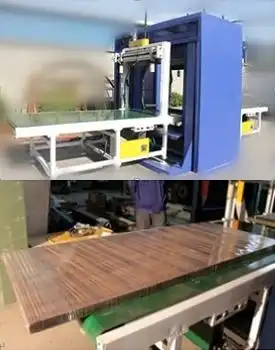
You might wonder how these changes can help your factory. You might ask what the real benefits are. Let us look deeper into why automation is becoming so vital for businesses like yours. We will explore how it solves big problems and helps factories succeed.
Why is Manual Door Packing Hurting Your Output?
Is your current packing process a bottleneck? Does it slow down your whole production? Many factories use too many people for packing. This makes the process slow. It keeps products from moving quickly to customers. This can hurt your business.
Manual door packing often slows down the entire factory. It limits how much you can produce in a day. It stops you from meeting high customer demand. This means you might lose sales or miss delivery times. It holds back your growth.
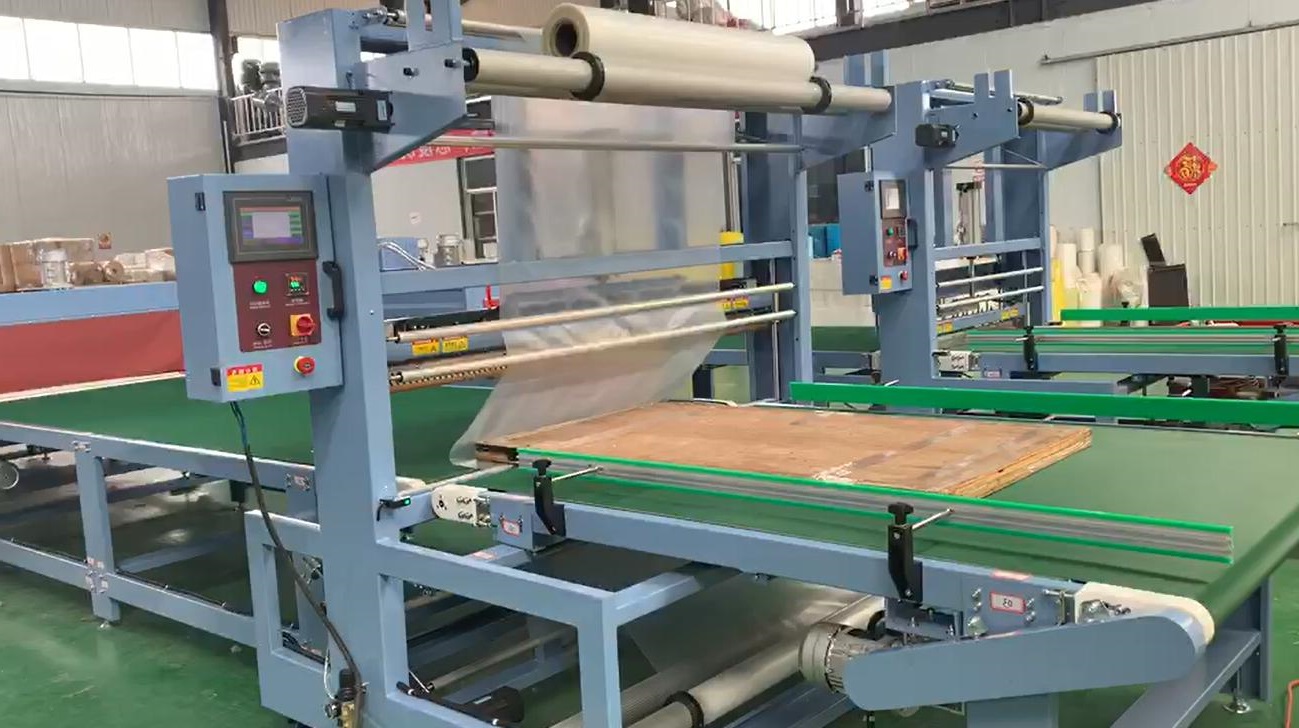
I have seen this problem many times. When I started my packing machine factory, I knew efficiency was key. Manual handling of doors, especially heavy ones, takes a lot of time. Workers must align, wrap, and secure each door by hand. This is not efficient. It creates a backlog at the end of the production line. Imagine a factory that makes thousands of doors each day. If packing takes too long, those doors pile up. This means less product gets shipped. It means less money comes in. Automated systems take over these tasks. They do them much faster. They work without breaks. This means your doors move from production to shipping without delay.
The True Cost of Slow Packing
Slow packing does not just mean things move slowly. It has other costs too.
- Labor Costs: Manual packing needs many workers. These are ongoing wages. You also pay for benefits and training. If you hire more people to speed up, these costs go up. An automated machine can do the work of several people. It reduces your need for a large packing team.
- Overtime Expenses: When orders are high, factories often pay overtime to pack faster. This adds to labor costs. It can make your budget tight. Automation works regular hours. It does not need overtime pay.
- Production Delays: A slow packing line means your factory cannot run at full speed. This is a waste of your production capacity. You might have expensive machines sitting idle. They wait for the packing line to clear. This means you are not using your resources well.
- Missed Opportunities: If you cannot ship products fast enough, you might lose orders. Customers want quick delivery. If your competitor can deliver faster, they get the business. Slow packing hurts your market share. It stops you from taking on bigger contracts.
| Impact Area | Manual Packing Disadvantage | Automated Packing Advantage |
|---|---|---|
| Speed | Slow, inconsistent pace | Fast, consistent, high throughput |
| Labor Needs | High, ongoing wages, training | Low, focus on monitoring, less direct labor |
| Efficiency | Bottleneck, reduces overall output | Improves flow, maximizes factory capacity |
| Delivery Time | Longer, potential for missed deadlines | Shorter, more reliable shipping |
This is why I always tell factory owners to look at their packing process. It is often the hidden drain on profits. Fixing it can unlock huge gains. It can help your factory run much better. It can put you ahead of others.
Are Your Workers Safe with Manual Door Packing?
Do you worry about your workers’ safety during packing? Moving heavy doors by hand is dangerous. Workers can get hurt. This is a big concern for factory managers. It should be.
Manual handling of heavy doors or other large products puts workers at high risk. They can strain muscles. They can drop heavy items. They can injure themselves badly. This leads to accidents. These accidents cause high insurance costs. They also make good workers leave.
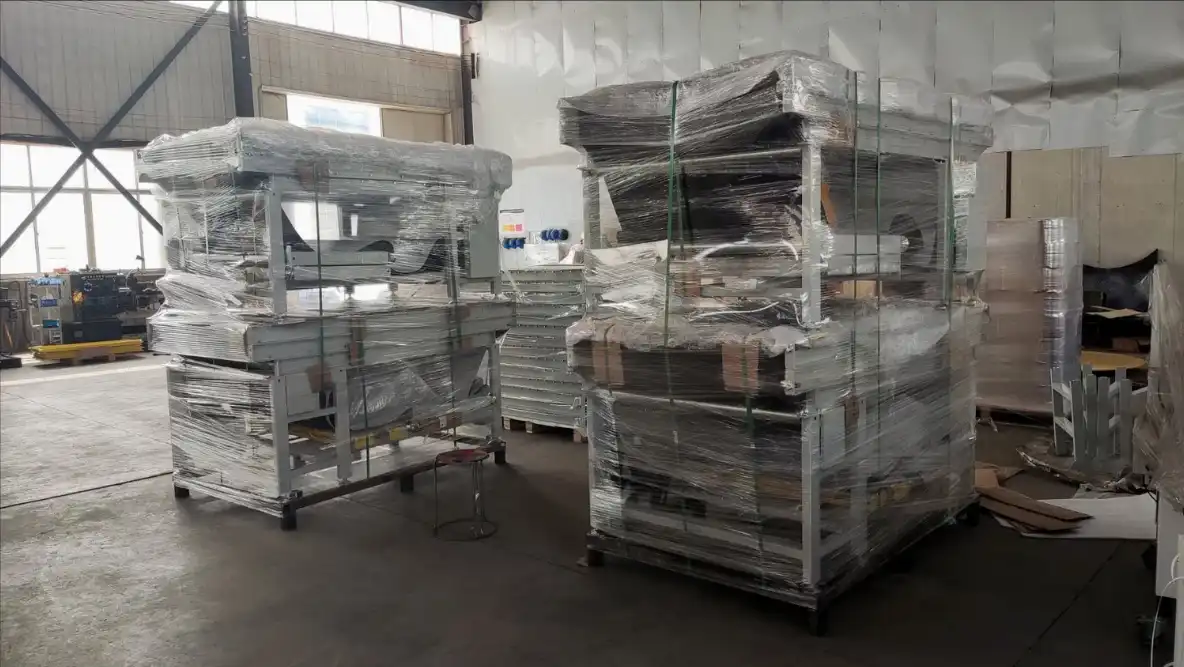
I have seen firsthand how much stress factory managers like Michael Chen feel about safety. It is not just about avoiding lawsuits. It is about caring for your team. When workers lift, twist, and carry heavy doors all day, injuries are common. Back pain, shoulder injuries, and crushed fingers happen a lot. Each injury means a worker is off the job. It means you pay for their medical care. It means you might have to find and train a new person. This disrupts your operations. It lowers morale. It creates a stressful work environment for everyone. This is not what you want for your team.
Protecting Your Team and Your Business
Automated packing greatly improves safety in several ways.
- Reduced Manual Handling: Machines do the heavy lifting. They move doors, wrap them, and prepare them for shipping. Workers do not have to strain themselves. They do not have to carry heavy loads. This removes the main cause of many injuries.
- Lower Accident Rates: With less human interaction with heavy products and moving parts, there are fewer chances for accidents. Machines operate with sensors and safety guards. They are designed to work safely. This makes your factory a much safer place.
- Better Worker Morale: When workers feel safe, they are happier. They are more productive. They are less likely to look for other jobs. A safer workplace shows you care about your employees. This builds a strong, loyal team.
- Lower Insurance Costs: Fewer injuries mean fewer claims. This can lead to lower insurance premiums for your factory. It saves you money in the long run. It also means less time spent on accident reports and investigations.
| Safety Aspect | Manual Packing Risks | Automated Packing Benefits |
|---|---|---|
| Physical Strain | High risk of back, muscle, joint injuries | Minimal, machines handle heavy loads |
| Accident Rate | High, due to human error and heavy lifting | Low, controlled movements, safety features |
| Worker Turnover | Higher, due to injuries and demanding work | Lower, better work conditions, increased satisfaction |
| Insurance Premiums | Potentially higher due to claims | Potentially lower due to fewer incidents |
As a factory owner, I learned that investing in safety is not just an expense. It is an investment in your people. It is an investment in your company’s future. A safe factory is a productive factory.
Is Product Damage Eating Your Profits?
Do your products sometimes get damaged during packing or moving inside the factory? This is a hidden cost. It can reduce your profits. It can also make customers unhappy.
Many factories experience product damage during internal transfer and packing. This can be things like scratches on door surfaces or bent edges. Such damage leads to customer complaints. It results in returns. It means lost profit for your business.
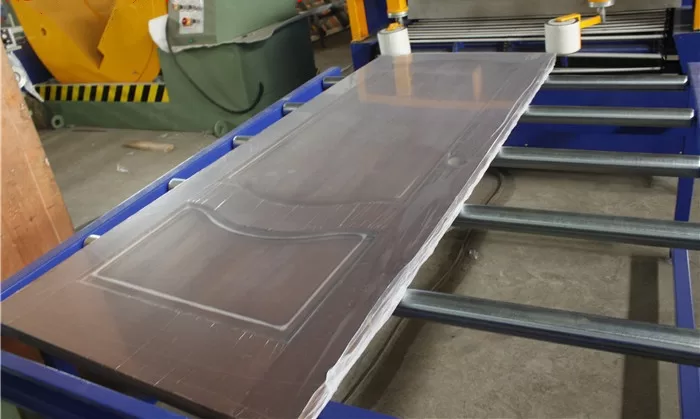
I have seen this issue with steel coils and wire packing. Even small damages can mean big losses. For doors, a scratch or a ding can make the product unsellable. Or, you might have to sell it at a lower price. Think about the time and money you put into making a perfect door. If it gets damaged during the last step, it feels like a waste. Manual handling increases this risk. Workers might bump doors into each other. They might drop them. The packing material might not be applied consistently enough. This leaves parts of the door exposed. It increases the chance of damage during transit. Customers expect perfect products. When they receive damaged goods, they complain. They might not buy from you again. This hurts your reputation. It impacts your bottom line.
Protecting Your Products and Your Reputation
Automated packing offers a solution to these problems.
- Consistent Wrapping: Machines apply packing materials uniformly. They cover all parts of the door. This protects edges and surfaces better than manual methods. It ensures every door is packed the same way.
- Gentle Handling: Automated systems use precise movements. They lift and move doors carefully. This reduces the risk of impact or dropping. It treats your product with care from the start of packing until it is ready to ship.
- Reduced Rework: When products are damaged, you must either fix them or scrap them. Both cost money and time. Automated packing reduces damage. This means less rework. It means more products go out the door in perfect condition.
- Improved Customer Satisfaction: When customers receive undamaged products, they are happy. Happy customers come back. They also tell others about your good quality. This helps your business grow through word-of-mouth.
| Damage Risk | Manual Packing Challenges | Automated Packing Solutions |
|---|---|---|
| Surface Scratches | Inconsistent wrapping, rough handling | Uniform application, gentle movement |
| Edge Dents | Bumping, dropping, poor edge protection | Precise handling, tailored edge protection |
| Product Returns | Higher due to damage, customer complaints | Lower, higher quality on arrival |
| Reputation | Can be harmed by consistent issues | Enhanced by reliable, undamaged deliveries |
I always tell my clients that preventing damage is not just about saving money. It is about building trust. It is about delivering on your promise of quality. Automation helps you do that consistently.
How Can You Trust Your Automation Partner?
Finding a new supplier can be hard. Have you dealt with companies that only care about selling, not about helping after the sale? This makes factory managers very careful. You need a partner you can trust.
Many businesses have bad experiences with equipment suppliers. These suppliers might sell a machine and then offer poor after-sales service. This leaves factories without support when problems arise. It makes it hard to trust new partners.
This is something I deeply understand. When I built my own packing machine factory, I learned the importance of good relationships. You are not just buying a machine. You are investing in a solution. You are looking for someone who understands your real problems. Michael Chen, a factory manager, needs a partner who can see his production bottlenecks. He needs someone who understands his safety issues and efficiency needs. He wants someone who offers real insights and reliable solutions. A true partner helps you see the return on your investment (ROI). They ensure the equipment you buy actually solves your problems. They help your business grow. This goes beyond just signing a contract. It means ongoing support and sharing knowledge.
Choosing the Right Ally for Automation
When picking an automation partner, look for these things.
- Deep Industry Knowledge: Does the supplier understand your specific challenges? Do they know about door manufacturing or heavy industry? A partner with real-world experience, like my journey from engineer to factory owner, can give better advice. They understand your pain points.
- Proven Track Record: Look for a supplier with a history of successful installations. Ask for references. See if they have helped other factories like yours. A company that has been around and has many happy clients is a good sign.
- Strong After-Sales Support: What kind of support do they offer after you buy the machine? Do they provide installation help? Do they offer training for your team? Do they have quick access to spare parts? Good support means less downtime for you. It means peace of mind.
- Focus on ROI: A good partner will help you understand the return on your investment. They will show you how their solution saves you money. They will show you how it increases your profits over time. They are not just selling a product. They are selling a solution that pays for itself.
| Partnership Aspect | Poor Supplier Traits | Trustworthy Partner Traits |
|---|---|---|
| Focus | Sales-driven, short-term gain | Solution-driven, long-term relationship |
| Knowledge | Limited, generic advice | Deep industry insight, specific problem-solving |
| Support | Weak, slow, hard to reach | Strong, responsive, comprehensive |
| Value | Sells equipment, expects you to figure it out | Provides solutions, helps calculate ROI |
I always say that a machine is only as good as the company behind it. Find a partner who genuinely wants to see your business thrive. It makes all the difference.
What I Learned About Real Factory Solutions?
What makes a true packing solution? It is more than just a machine. It is about solving real factory problems. I learned this from my own path.
I started as an engineer in a packing machine factory. Then, I built my own successful factory. This journey taught me about real-world challenges. It taught me what factories like yours truly need to succeed. It is about understanding the full picture.
When I started FHOPEPACK, I wanted to share what I learned. I saw many factories struggling with the same issues Michael Chen faces. They had production bottlenecks. They had safety risks. They lost money from damaged products. They also found it hard to trust suppliers. My experience in the coil packing and steel wire packing industry showed me something important. Financial independence for me came from solving these issues for my clients. It was not just about building machines. It was about building better processes. It was about building trust. For instance, in coil packing, manual handling was not only slow but also extremely dangerous. A machine that could safely lift and wrap heavy coils transformed my clients’ operations. This is the core idea I want to share.
My Approach to Your Factory’s Future
Here are some of my key insights that go beyond just selling a machine.
- Problem-First Approach: Before I suggest any solution, I want to understand your exact problems. What are your biggest headaches? Is it speed? Safety? Damage? Cost? We look at your factory’s current state. Then, we find the best path forward. This helps us find the root cause of your issues.
- Tailored Solutions: Every factory is different. A one-size-fits-all approach rarely works. Based on your specific needs, we design or recommend the right system. It might be a fully automated line or a smaller, focused machine. The goal is to fit your needs, not just sell a standard product.
- Long-Term Partnership: I believe in building lasting relationships. My success came from helping clients grow their businesses. I want to be a partner who gives ongoing advice and support. This means being there for you long after the machine is installed. It means helping you adapt as your business changes.
- Focus on Measurable Results: We talk about what matters to you. How much faster will your packing be? How much will you save on labor or damage? What is the real ROI? We work to show clear benefits. This helps you justify your investment. It helps you see the concrete impact on your bottom line.
| Key Insight | Traditional Supplier Focus | My FHOPEPACK Approach |
|---|---|---|
| Starting Point | Product features | Your factory’s specific problems |
| Solution Type | Standard catalog items | Customized, fit-for-purpose systems |
| Relationship | Transactional, one-time sale | Long-term, supportive partnership |
| Success Metrics | Machine sold | Your improved efficiency, safety, and profit |
My goal with FHOPEPACK is simple. It is to share knowledge and help others succeed. Just as the packing machine industry helped me achieve my goals, I want to help you achieve yours. This is what truly drives me.
Conclusion
Saudi Arabian exporters are moving to automated door packing for speed, safety, and profit. This shift helps factories cut costs, reduce risks, and boost output. It is a smart move for sustainable growth.








