
Why Are Romania Exporters Switching to Automated Door Packing Solutions?
Have you ever thought about how doors get from the factory floor to customers around the world? For many Romanian exporters, this journey used to involve a lot of hard work. They faced big challenges. Their packing lines were slow. Workers did heavy lifting. This led to delays and safety worries. These problems held back their growth.
Automated door packing solutions are changing this picture. They offer a clear path to better efficiency. They make workplaces safer. They also cut down on costs. This shift is happening because businesses want to stay competitive. They need faster delivery and better product quality. This is why more and more Romanian door exporters are choosing to automate their packing processes. It helps them meet global demands and protect their profits.
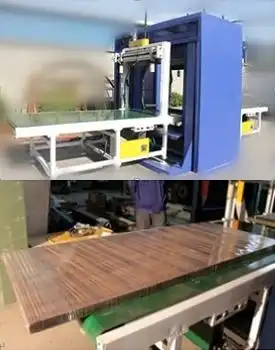
The world of manufacturing is always moving forward. If you are a factory manager, you know this well. You might feel the same pressures as my friend, Michael. He runs a metal processing plant. He always looks for ways to improve his operations. His challenges are common to many. They apply to door exporters in Romania too. Let us look closer at why this change is happening. We will see how automation solves some of the biggest problems these businesses face today.
Is Manual Door Packing Holding Back Romania’s Export Growth?
Are your packing lines a bottleneck? Do you rely on many people to get products ready? This often slows down the whole factory. It means you cannot ship as many doors as you could. This directly impacts your growth. You might be missing out on bigger orders.
Manual door packing often leads to low speed. It also means high labor costs. This holds back how fast a company can grow. It creates limits on production. Automated systems can remove these barriers. They help companies pack more doors, much faster.
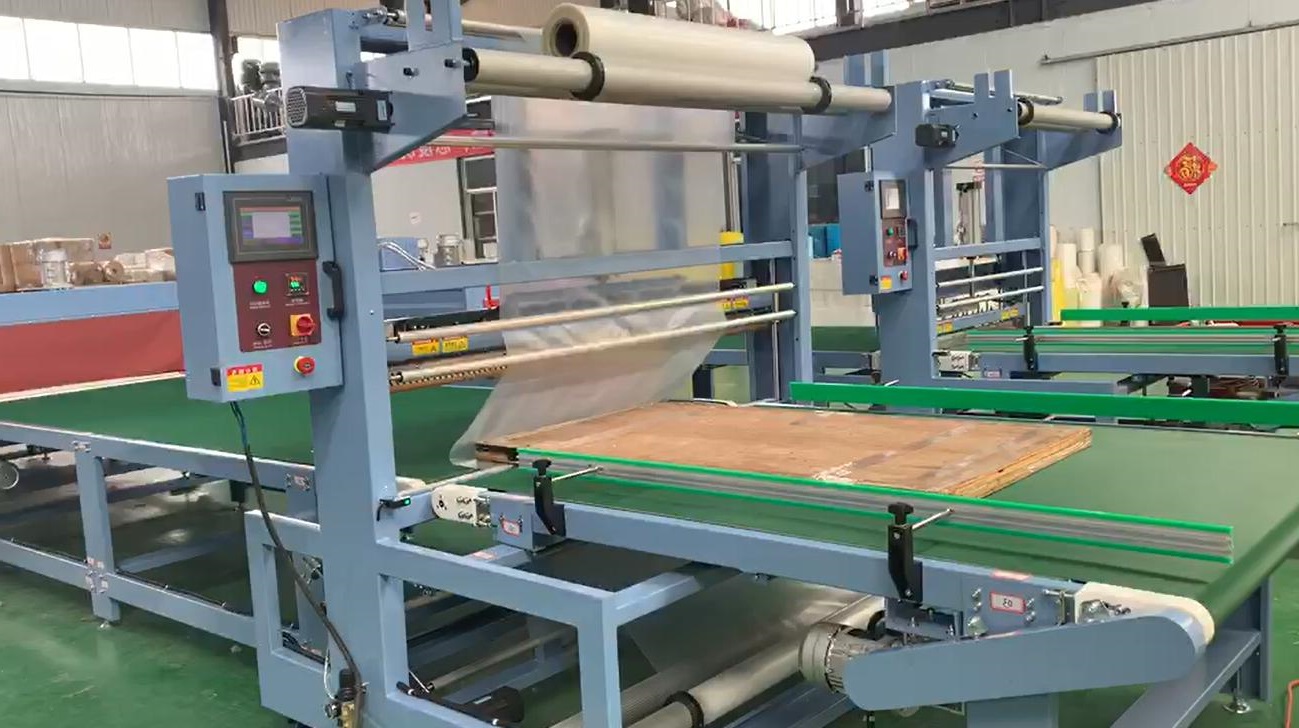
Manual packing for doors has many downsides. It is not just about speed. It affects the whole operation. I have seen this issue many times. When I worked in factories and later built my own, bottlenecks were a big problem. Michael, the factory manager I mentioned, also struggles with this. His team uses too much manual work for heavy coil and wire packing. This makes his whole process slow. For door exporters in Romania, the situation is similar. Each door needs careful wrapping and handling. Doing this by hand is time-consuming. It uses a lot of people. This stops companies from reaching their full export potential.
Slow Throughput and Missed Opportunities
Manual packing means each door takes a certain amount of time. People work at a set pace. They get tired. This means the packing line cannot speed up much. If you get a big order, your manual packing line might not keep up. You might have to say no to new business. Or, you might face penalties for late delivery. This slows down your company’s growth. It can make you lose out to competitors who pack faster. Automated machines work without stopping. They keep a steady pace. This ensures a consistent flow of packed doors. It means you can take on more orders. You can meet tight deadlines.
High Labor Dependency and Inefficiency
Manual packing needs many workers. Each worker gets a salary. They also need benefits and training. This adds up to a big cost. Finding enough skilled workers for packing can also be hard. If someone is sick, the line might slow down even more. Manual work is also not always consistent. One worker might pack a door slightly differently than another. This can affect how the doors look. It can also affect how well they are protected. Automated systems do the same job every time. They need fewer people to operate them. This frees up workers to do other important tasks. It also makes sure every door is packed the same way.
Inconsistent Quality and Bottlenecks
Manual packing can lead to differences in how doors are packed. This means some doors might be wrapped tighter than others. Some might have more protection on the edges. This can cause problems during shipping. Inconsistent quality can lead to customer complaints. It can also lead to doors getting damaged. This costs money. It also harms your company’s reputation. A bottleneck at the end of the line means everything before it slows down. Production waits for packing to catch up. This makes the whole factory less efficient. It stops the smooth flow of goods. This table shows the clear difference between manual and automated packing:
| Feature | Manual Door Packing | Automated Door Packing |
|---|---|---|
| Speed | Slow and variable, depends on worker pace | Fast and consistent, continuous operation |
| Labor Cost | High, requires multiple workers per shift | Low, fewer operators needed |
| Consistency | Varies by worker, potential for errors | High, uniform quality every time |
| Capacity | Limited by human speed and endurance | High, handles large volumes easily |
| Efficiency | Prone to bottlenecks and slowdowns | Smooth workflow, eliminates end-of-line jams |
| Growth Potential | Restricted by manual limits, hard to scale | High, scales easily with increased demand |
How Are Automated Systems Making Door Packing Safer in Romania?
Does your team lift heavy doors or awkward packages by hand? This can be dangerous. It puts workers at risk of injury. A single accident can lead to high costs. It can also cause staff shortages. This affects the whole factory.
Automated systems remove the need for people to do risky tasks. They handle heavy and bulky items safely. This makes the workplace much safer for everyone. It reduces injuries and related costs. This is a main reason for the switch to automation.
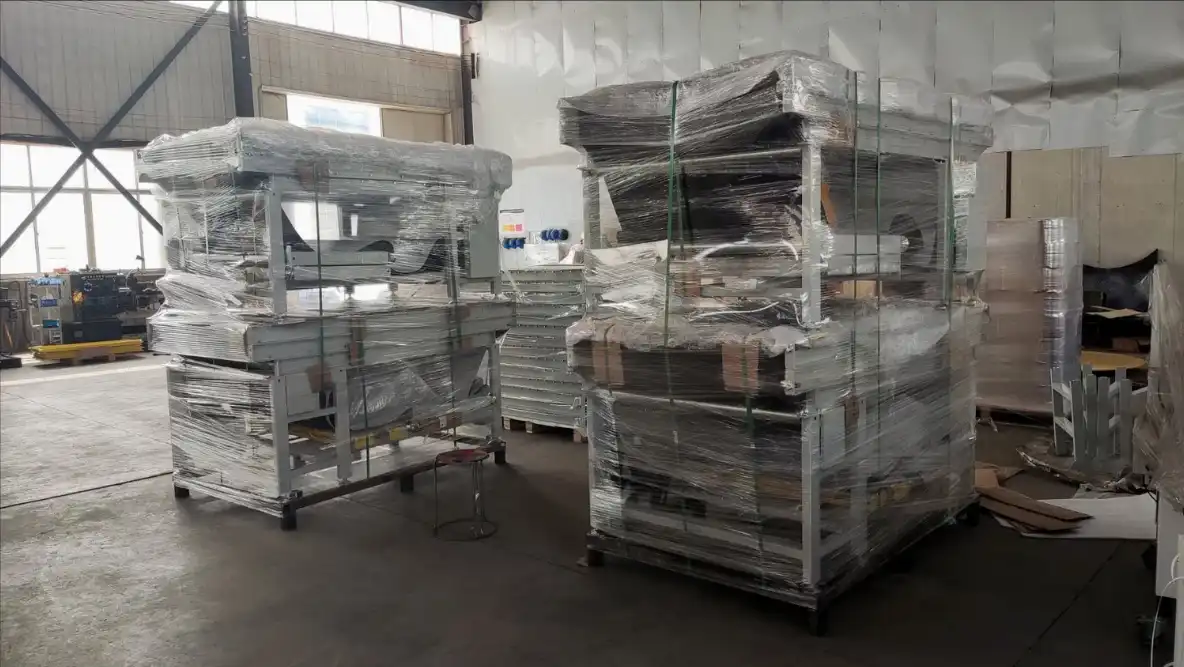
Safety is a huge concern for any factory manager. Michael knows this well. He deals with heavy steel products. His workers face high injury risks when moving materials. Manual handling of doors in a packing plant carries similar dangers. Doors can be heavy. They can be awkward to carry. Lifting and moving them by hand can strain backs. It can cause muscle injuries. People can also trip or drop a door. This leads to broken bones or worse. These risks are not just about the worker. They affect the company too. High injury rates mean higher insurance costs. They mean lost workdays. They also mean a drop in morale. Automation directly addresses these problems. It creates a much safer work environment.
Eliminating Heavy Lifting and Repetitive Strain
One of the biggest risks in packing is heavy lifting. Doors might not be as heavy as steel coils, but they are still substantial. Workers often lift them repeatedly. They might turn them to wrap different sides. This constant lifting and turning puts huge stress on the body. It causes long-term problems like back pain, shoulder injuries, and carpal tunnel syndrome. Automated door packing machines do all the heavy lifting. They rotate the doors as needed. Workers only need to load the door onto a conveyor or platform. The machine does the rest. This removes the main cause of many workplace injuries. It protects workers from lasting harm.
Reducing Human Error and Accidents
People get tired. They can lose focus. This can lead to mistakes. A small slip can cause a door to fall. It can cause a finger to get caught. Machines do not get tired. They follow the same path every time. They have sensors to prevent crashes. They also have safety features that stop the machine if something goes wrong. This cuts down on human error. It greatly reduces the chance of accidents. Fewer accidents mean fewer trips to the doctor. It means fewer claims for worker compensation. It also means a more peaceful work environment. Everyone feels safer and more confident.
Enhancing Workplace Safety Culture
When a company invests in automation for safety, it sends a clear message. It shows that the company cares about its employees. This builds trust. It improves morale. Workers feel valued. They see that their health is important. This can lead to better work quality. It can also make workers stay with the company longer. A strong safety culture also helps attract new talent. People want to work in safe places. Automated packing helps build this kind of culture. It changes the focus from “how do we avoid injuries today” to “how do we make our workplace even better.”
This table highlights the safety benefits:
| Safety Aspect | Manual Door Packing Risk | Automated Door Packing Solution |
|---|---|---|
| Lifting Injuries | High risk of back strains, muscle tears | Machine handles all heavy lifting, no strain |
| Repetitive Strain | Constant bending, reaching, twisting leads to long-term issues | Machine performs repetitive movements, not workers |
| Falling Objects | Doors can slip during manual handling | Secure machine gripping, stable movement |
| Fatigue | Workers get tired, leading to errors and accidents | Machine works continuously without fatigue |
| Workplace Morale | Lower due to constant injury risk | Higher due to safer environment, valued workers |
Can Automated Packing Help Romania Exporters Cut Costs and Reduce Damage?
Are high labor costs eating into your profits? Do your doors get damaged during packing or transit? These problems cost your business a lot of money. They affect your bottom line. This makes it hard to stay competitive in the market.
Automated packing systems solve these problems. They lower labor needs. They also ensure doors are packed perfectly. This reduces damage. It leads to big savings. Companies get a strong return on their investment. This is why automated packing is a smart financial move.
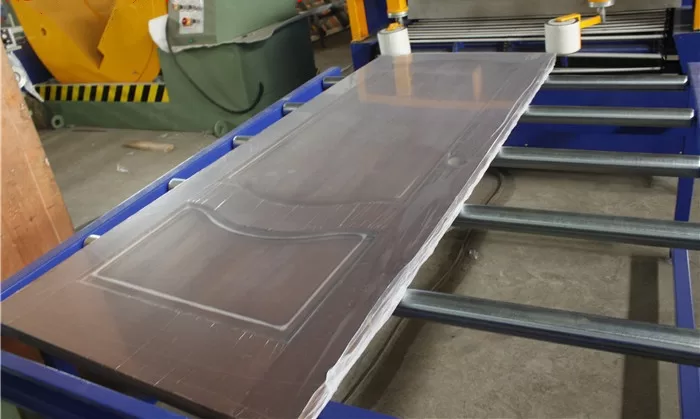
For any business, money talks. Michael, my friend, always looks at the return on investment (ROI). He wants to know if a new machine will save him money. He worries about product damage. This reduces profits. For door exporters in Romania, these are core issues. Manual packing is expensive. It uses a lot of people. It is also more likely to cause damage to the doors. The edges can get scuffed. The finish can get scratched. This leads to customer complaints. It leads to returned goods. It also means less money for the company. Automated packing helps in many ways. It cuts down on these costs. It protects the product.
Lower Labor Expenses
One of the most obvious ways automation saves money is on labor. A single automated packing machine can do the work of several people. This means you need fewer workers on the packing line. Their salaries and benefits are a big expense. Reducing this expense directly impacts your profit margin. Over time, these savings add up to a lot of money. Even though the initial cost of a machine is high, the long-term savings are much higher. This allows businesses to invest in other areas. They can train remaining staff for higher-skilled jobs. They can also use the savings to grow the company. This makes the business stronger.
Minimized Product Spoilage and Returns
Manual packing can lead to mistakes. A door might not be wrapped tightly enough. The protective layers might not be put on correctly. This can leave parts of the door exposed. During shipping, doors can bump into each other. They can rub against surfaces. This leads to scratches, dents, or scuffs. These damaged doors cannot be sold as new. They might need to be repaired. Or, they might have to be sold at a discount. Customers get angry. They might not buy from you again. Automated packing machines apply consistent tension and coverage. They use the right amount of material every time. This protects the doors better. It means fewer damaged goods. It means fewer customer complaints. It means more full-price sales.
Optimized Material Use
Manual packing can also waste materials. Workers might use too much wrapping film. They might cut pieces too long. This adds to the cost of each packed door. An automated machine is precise. It uses only the exact amount of material needed. This reduces waste. It saves money on packaging supplies. Over thousands of doors, these small savings become very large. This attention to detail also helps with environmental goals. Less waste is better for the planet. It shows the company is modern and responsible.
Here is a look at the financial benefits:
| Cost Area | Manual Door Packing Impact | Automated Door Packing Benefit |
|---|---|---|
| Labor Costs | High, ongoing wages and benefits | Significantly reduced, fewer staff needed |
| Product Damage | High risk of scrapes, dents, returns | Minimal, consistent protection reduces claims |
| Packaging Material Waste | High, inconsistent application leads to excess | Low, precise and optimized material use |
| Insurance Premiums | Higher due to workplace injuries | Lower due to reduced accident rates |
| Operational Efficiency | Low, bottlenecks increase overall production cost | High, faster throughput lowers cost per unit |
| Customer Satisfaction | Can be low due to damaged goods | Higher due to consistently perfect deliveries |
My insight!
I started FHOPEPACK because I believe in sharing knowledge. My journey in the packing machine industry taught me a lot. I began as an employee. I worked my way up. Then, I started my own factory. This path gave me a deep understanding. I saw the real problems companies face every day. I lived them. I dealt with the same challenges Michael talks about. I know the pressure to produce more. I know the need to keep costs down. I also know how important it is to keep workers safe.
I understand what a factory manager needs. They need more than just a machine. They need a partner. They need someone who understands their pain points. They need solutions that truly work. This is why FHOPEPACK focuses on expertise. We do not just sell machines. We help businesses grow. We do this by providing reliable equipment. We also offer insights gained from years of experience. We show you how to set up your lines for the best results. We help you pick the right machine for your specific needs. This approach has helped many of my clients. It helped them achieve financial independence. It helped them expand their businesses.
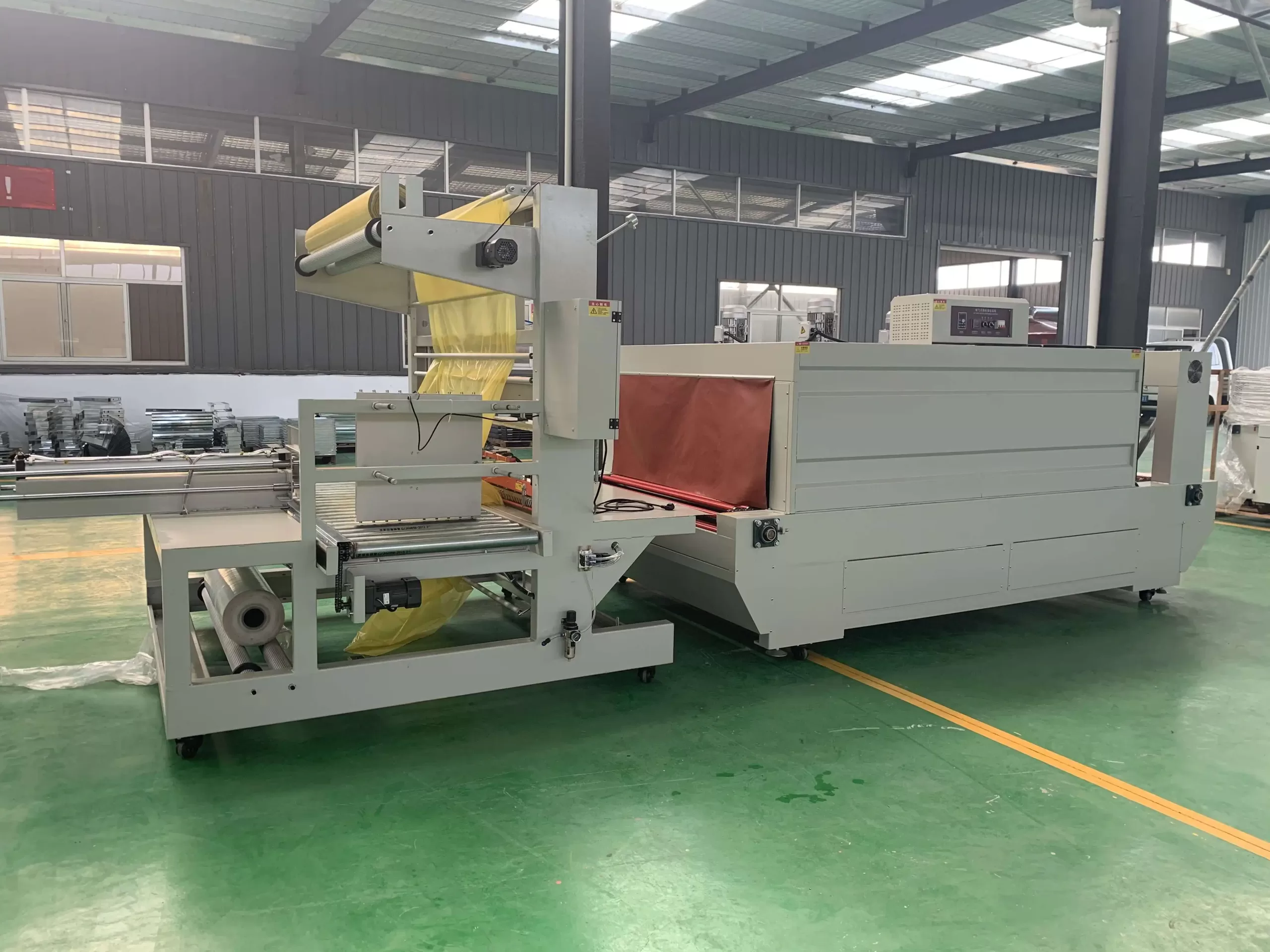
I remember one client who faced huge issues with steel wire packing. Their manual process was slow. Workers were getting injured. They were losing money on damaged goods. I worked with them. I understood their exact situation. We did not just give them a machine. We gave them a full plan. We showed them how the new machine would fit into their factory. We explained how it would solve their specific problems. They invested in our automated solution. It changed their business. Their production went up. Injuries went down. Their profits grew. This is the kind of partnership I aim for. It is what FHOPEPACK is all about. We want to help you succeed, just like I was able to succeed. We understand the coil packing and steel wire packing challenges. We bring that same deep understanding to door packing. We believe in sharing our knowledge. We want to help you make smart choices for your business.
Conclusion
Romania’s door exporters are choosing automation for clear reasons. They seek higher efficiency, better safety, and reduced costs. This strategic shift helps them stay competitive and profitable in the global market.








