
Why Are Mexico Exporters Switching to Automated Door Packing Solutions?
Factories in Mexico often face big challenges. Maybe you struggle with slow packing lines. Perhaps your workers deal with heavy, awkward items every day. You might even see your products get damaged before they leave the factory floor. These problems are real, and they hurt your business.
Many Mexican exporters are now looking at automated door packing solutions. They see a clear way to make things better. Automated systems directly address bottlenecks. They improve safety for workers. They also reduce product damage. This shift helps factories grow and stay competitive in the global market.
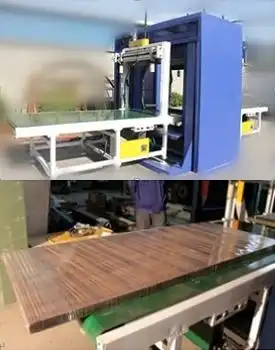
If you are a factory manager, you know these pains well. You are always looking for better ways to operate. This article will show you why automation is becoming the go-to choice for door exporters in Mexico. Keep reading to understand the real benefits.
Why is Manual Door Packing Slowing Down Production?
Are your production lines moving too slowly? Do you see a big pile of finished doors waiting to be packed? This is a common problem in many factories. It means your packing process is not keeping up. This creates a bottleneck. It stops your whole operation from running smoothly.
Manual door packing is often slow and inefficient. Workers handle each door one by one. This takes a lot of time. It limits how many doors you can prepare for shipping each day. This bottleneck slows down your entire production and delivery schedule. It means fewer products get out the door.
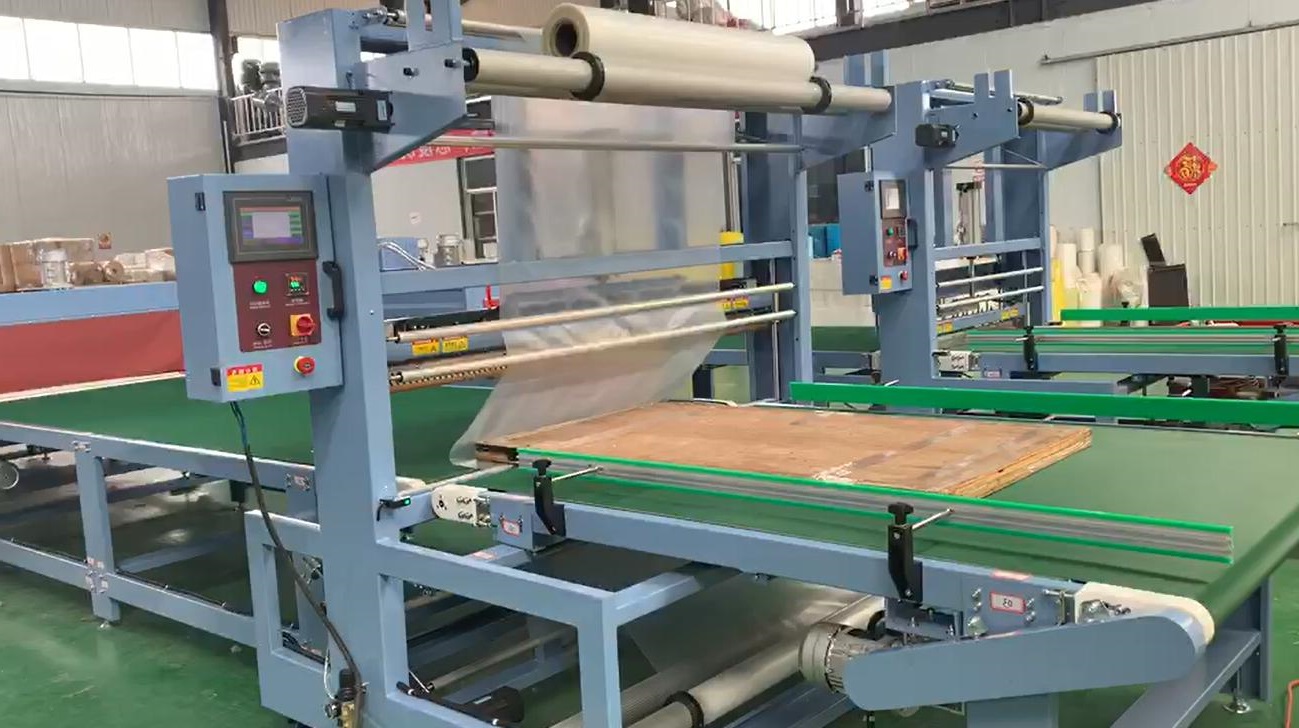
Factories in Mexico, especially those exporting heavy products like doors, face stiff competition. Efficiency is not just a nice-to-have; it is a must-have. When I started my own packing machine factory, I saw firsthand how even small inefficiencies could add up. Manual packing often involves multiple steps. Workers might measure, wrap, and seal each door by hand. This can lead to variations in packing quality. It also means you need more labor. More labor means higher costs. It also means more chances for human error. A slow packing line can delay shipments. This can lead to unhappy customers. It can also cause penalties for late delivery. For companies like Michael Chen’s metal processing plant, where every minute of downtime means lost money, such bottlenecks are simply unacceptable. He needs to move products quickly and reliably. Manual processes stand in the way. They create a constant struggle to meet production targets. This is especially true when dealing with high volumes. Automated door packing machines, on the other hand, perform these tasks quickly and consistently. They can process many more doors per hour than a team of workers. This significantly speeds up the end-of-line process. It removes the bottleneck. This allows the factory to maximize its output. It also ensures products are ready for shipment without delay. Consider the difference in speed and consistency:
Manual vs. Automated Packing Speed
| Feature | Manual Packing | Automated Packing |
|---|---|---|
| Speed | Slow, depends on worker pace and fatigue | Fast, consistent, continuous operation |
| Consistency | Varies by worker, prone to human error | High, uniform quality, minimal errors |
| Labor Cost | High, requires multiple workers | Low, requires fewer workers for supervision |
| Throughput | Limited by human capacity | High, designed for continuous high volume |
| Downtime | Frequent breaks, fatigue-related slowdowns | Minimal, planned maintenance |
Automated systems work without tiring. They follow precise programming. This means every door is packed the same way. This reduces errors. It ensures a high-quality finish every time. This speed and consistency directly impact a factory’s ability to meet export demands. It also helps them keep their promises to customers. Removing this bottleneck is a crucial step for any Mexican exporter wanting to scale their operations. It helps them meet the demands of a fast-paced global market.
Are Your Packing Methods Putting Workers at Risk?
Do your workers frequently handle heavy doors? Do they lift them, turn them, or move them around? This kind of work is very dangerous. It puts them at high risk of injury. Workplace safety is a serious concern for any factory manager.
Manual handling of heavy products like doors is not just inefficient. It also creates extreme safety hazards. Workers can suffer back injuries. They can get sprains or even broken bones. These incidents lead to high insurance costs. They also cause employee turnover. No one wants to see their team members get hurt on the job.
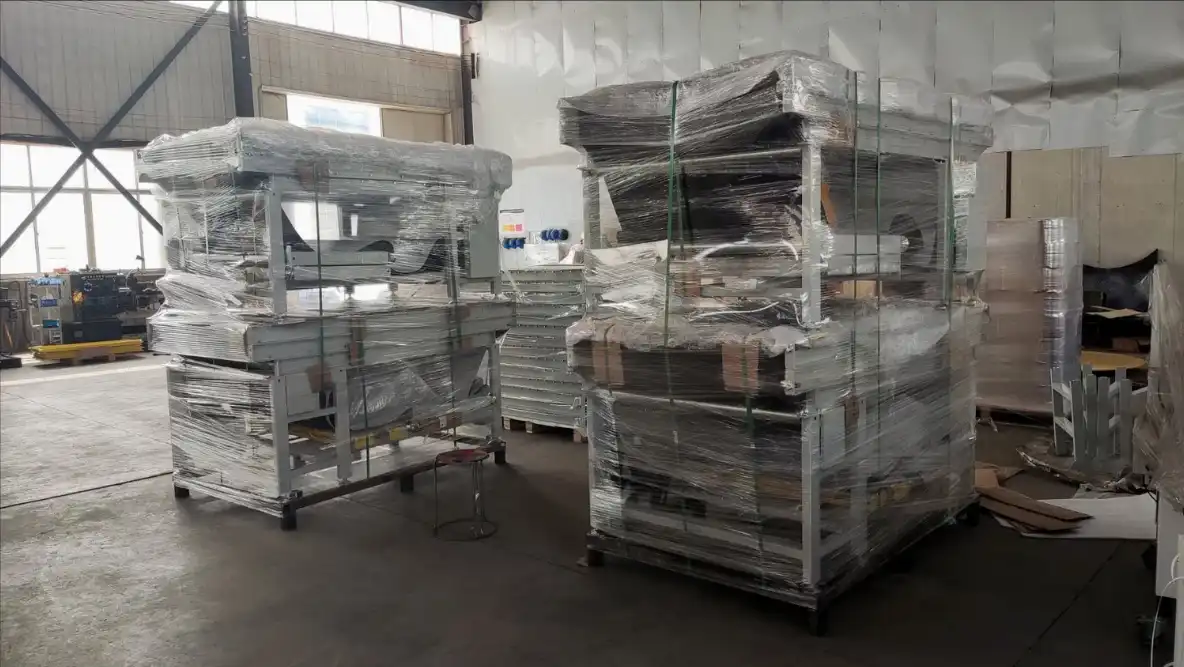
When I was an employee in a packing machine factory, I saw how much physical strain heavy industrial work put on people. It made me realize the real value of smart machinery. Michael Chen faces this directly. He knows manual processes for moving heavy items lead to very high injury risks. This is true whether it is doors, steel coils, or other heavy materials. These injuries cost money. They also hurt team morale. They make it hard to keep good workers. Automated packing solutions are designed to handle the weight and awkwardness of doors. They use robotic arms, conveyor systems, and automatic wrapping mechanisms. This means workers do not need to physically lift or turn heavy doors. Instead, they can oversee the process from a safe distance. This drastically reduces the chance of accidents. It makes the workplace much safer. For Michael, improving worker safety is a top priority. He wants solutions that reduce the need for manual handling of heavy items. This improves worker well-being. It also lowers the factory’s long-term costs related to worker injuries. Think about the direct impact on a factory’s bottom line. Fewer injuries mean lower medical expenses. It means fewer lost workdays. It also means lower workers’ compensation claims.
Safety Benefits of Automated Packing
| Aspect | Manual Packing | Automated Packing |
|---|---|---|
| Injury Risk | High (back injuries, sprains, falls) | Low (reduced human interaction with heavy items) |
| Worker Fatigue | High (physical strain, repetitive motions) | Low (workers monitor, less physical labor) |
| Insurance Costs | Potentially higher due to claims | Lower due to fewer incidents |
| Employee Morale | Can be low due to perceived danger | Higher due to safer working conditions |
| Compliance | Challenging to consistently meet safety rules | Easier to comply with safety regulations |
Beyond the financial savings, there is the human element. A safer workplace leads to happier, more engaged employees. They feel valued. They know their employer cares about their well-being. This can boost morale. It can also reduce employee turnover. For Mexico’s exporters, especially those dealing with heavy products, investing in automated door packing is a clear step towards a safer, more sustainable operation. It is not just about making more money. It is about protecting your most valuable asset: your people.
How Can Automated Packing Prevent Costly Product Damage?
Are you finding your products scratched or dented before they even leave your factory? Does packaging fail to protect them during transit? Product damage during internal transfer and packing is a frustrating problem. It directly leads to financial losses.
During manual handling and packing, products like steel doors often get damaged. Edges can get scuffed. Surfaces can be scratched. This leads to customer complaints. It also results in lost profits. Every damaged door represents wasted materials and labor. It is a loss that adds up quickly.
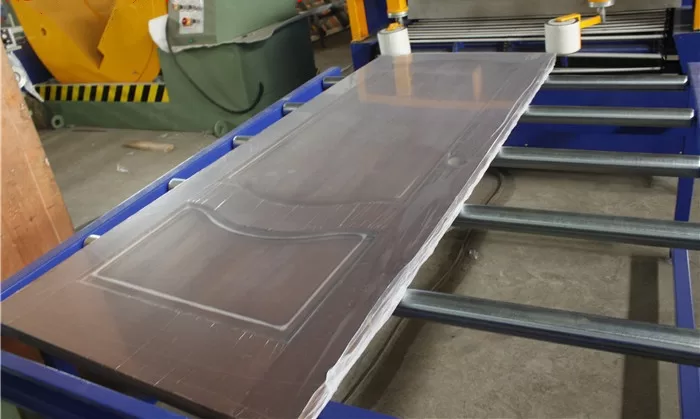
In my journey, from working in a factory to running my own, I learned that product quality extends all the way to how it is delivered. A perfect product delivered damaged is simply not perfect. Michael Chen knows this pain. His factory faces product damage during internal transfer and packing. This leads to customer complaints and lost profits. When you deal with large, heavy items like doors, even small bumps can cause significant damage. Manual packing often involves rough handling. It can use inconsistent wrapping. This increases the risk of damage during shipping. Automated door packing systems use precision. They handle products gently. They apply packaging materials uniformly. This significantly reduces the chance of damage. Machines can precisely position wrapping materials. They can apply the right amount of tension. This ensures the doors are securely protected. This protection is vital for products traveling long distances. It ensures they arrive at their destination in perfect condition. Automated systems also reduce human contact with the product. This further minimizes the risk of accidental damage. For Michael, reducing product loss is a clear goal. It directly impacts his factory’s profitability. Every damaged product means less money. It means more customer service issues. It can also harm the company’s reputation.
Impact of Packing Methods on Product Damage
| Factor | Manual Packing | Automated Packing |
|---|---|---|
| Handling | High risk of accidental drops, bumps, scrapes | Gentle, precise handling via conveyors, robotics |
| Wrapping Quality | Inconsistent, prone to gaps or insufficient wrap | Uniform, tight, secure, consistent application |
| Protection | Varies, dependent on worker skill | High, standardized, engineered for optimal safety |
| Customer Returns | Higher due to transit damage | Lower due to improved protection |
| Reputation | Can be negatively affected by damaged goods | Enhanced by consistent delivery of undamaged goods |
By automating the packing process, factories gain better control over product integrity. This leads to fewer customer complaints. It means less money lost on replacing damaged goods. It also builds customer trust. This is very important for exporters. They need to ensure their products arrive in perfect condition. This directly improves customer satisfaction. It boosts the factory’s overall profitability. Automated door packing is not just about speed or safety. It is also a smart investment in protecting your product and your brand.
Why is Finding a Trusted Partner Crucial for Automation Success?
Have you worked with suppliers who only cared about the sale? Did they disappear when you needed after-sales support? This kind of experience makes factory managers hesitant. You need a partner you can trust.
Many factories have dealt with equipment suppliers focused only on sales. They offer poor after-sales service. This creates a trust crisis. Finding a new partner becomes difficult. You need someone who truly understands your needs. You need a company that offers reliable solutions.
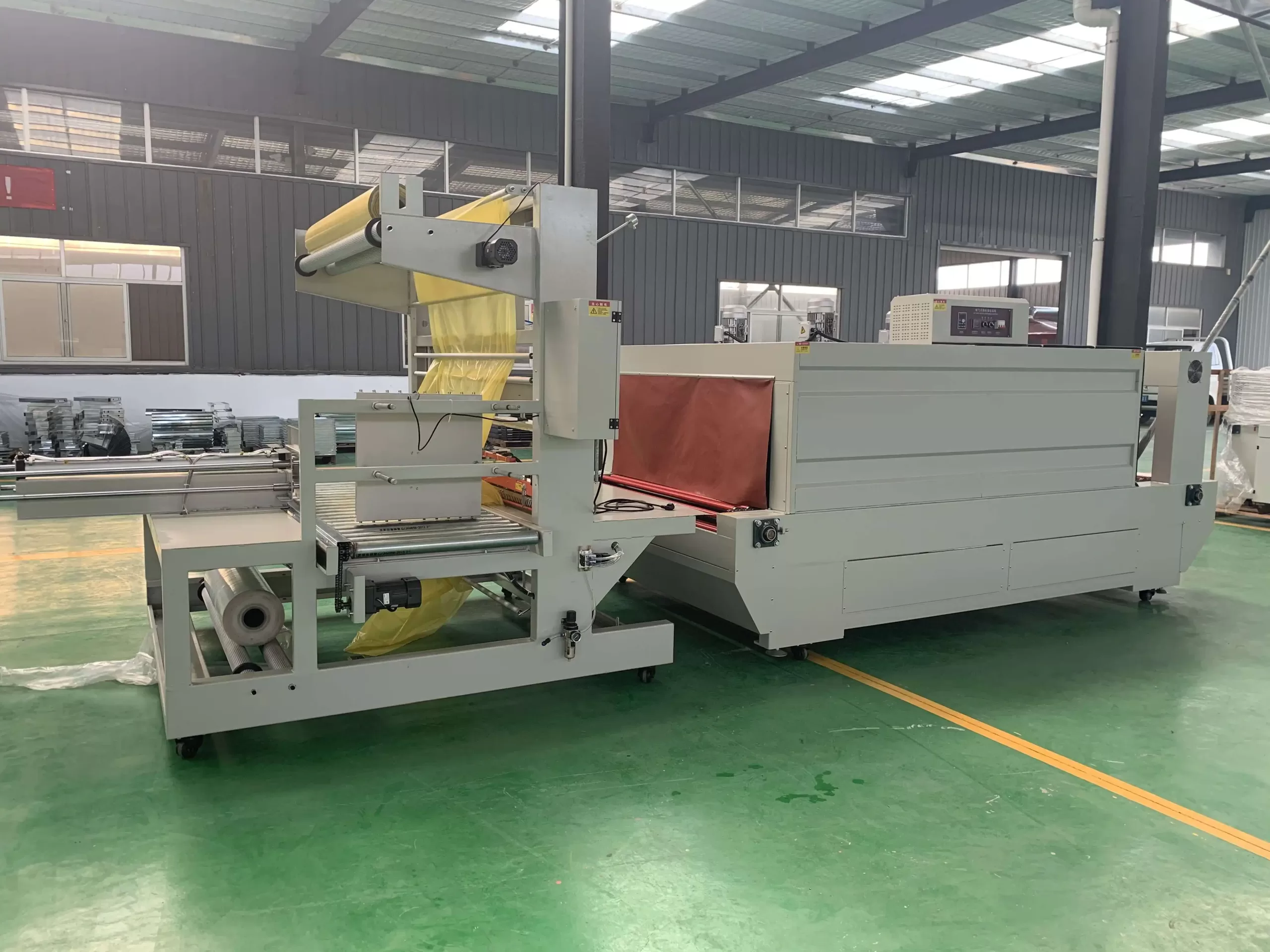
My own journey, from packing machine engineer to factory owner, taught me a lot about trust. I learned that a good partnership is about more than just selling a machine. It is about understanding the customer’s real problems. It is about providing solutions that work. Michael Chen faces this issue directly. He has dealt with suppliers who only cared about the sale. They offered bad after-sales support. This makes him very careful about choosing new partners. He needs a supplier who understands his factory’s production bottlenecks, safety risks, and efficiency challenges. He wants professional insights. He needs reliable solutions. A true partner in automation does not just sell you a machine. They first take time to understand your unique operation. They identify your specific pain points. This includes bottlenecks in production. It means looking at safety hazards. It involves understanding efficiency problems. Then, they recommend a solution tailored to your needs. This kind of partnership extends beyond the purchase. It includes installation support. It means operator training. It covers ongoing maintenance and technical assistance. This ensures your investment continues to deliver value. It provides a strong return on investment. Without this partnership, even the best machine might not solve your problems. It might even create new ones.
Qualities of a Trusted Automation Partner
| Quality | Description | Benefit to Factory |
|---|---|---|
| Industry Expertise | Deep understanding of packing processes and challenges | Solutions are practical and effective for real-world issues |
| Problem-Solver | Focuses on understanding and solving specific customer pain points | Ensures the investment directly addresses needs |
| Reliable Support | Offers strong after-sales service, maintenance, and technical help | Maximizes machine uptime and longevity |
| Long-Term Vision | Aims for a lasting relationship, not just a one-time sale | Provides peace of mind and ongoing operational support |
| Proven Track Record | Demonstrates successful implementations with other clients | Builds confidence in their ability to deliver results |
For factory managers like Michael, working with an expert like me, Randal Liu, is crucial. My background in building and running a successful packing machine factory gives me a unique perspective. I have been in their shoes. I understand the pressures of production, costs, and safety. I know what makes a machine reliable. I know what makes a solution truly effective. This kind of partnership helps ensure that the investment in automation is not just a purchase. It is a strategic move that drives business growth. It provides a pathway to financial independence. It brings success in the competitive export market.
My Insight: The Future of Heavy Product Packing in Mexico?
I have spent many years in the packing machine industry. I started as an employee. Then I built my own successful factory. I have seen how much the right packing solutions can change a business. My experience with coil packing and steel wire packing taught me a simple truth. Automation is key for heavy products.
For Mexico’s exporters, the future of packing heavy products like doors is clear. It is moving towards smart, automated systems. This is not just a trend. It is a necessity for growth. I have helped many clients grow their businesses by solving their packing challenges. My insight comes from hands-on experience. It comes from understanding the real factory floor. This is a common path for many Mexican businesses. They start with manual processes. They gain market share. Then they face growth pains. The old ways cannot keep up. This is where automation steps in.
Consider the journey of a factory manager like Michael. He runs a large metal processing plant. He knows the pains of manual handling. He sees the impact of slow lines. He understands the cost of damaged goods. He is not just looking for a machine. He is looking for a transformation. This transformation starts with automation. It aims to boost efficiency. It wants to improve worker safety. It also seeks to reduce costs. These goals are universal for any heavy industry, whether it is doors, steel, or other heavy materials. The market demands speed. It demands precision. It demands consistency. Manual methods simply cannot deliver this at scale. The future involves machines that can handle high volumes. They must do it without errors. They must do it safely. This is where FHOPEPACK comes in. Our mission is to share knowledge. We want to help others succeed. My own journey to financial independence happened because of this industry. Now, I want to give back. I want to help others achieve their own success. This means providing real solutions. It means sharing insights gained from years of work. It means helping factories in Mexico make the right choices for their future. The best solutions combine advanced technology with deep industry understanding. They are not just about buying equipment. They are about adopting a strategy for sustainable growth. They are about building a more resilient and profitable operation.
Conclusion
Mexico’s exporters are switching to automated door packing for speed, safety, and reduced costs. Investing in automation with a trusted partner drives significant growth and profitability.








