
Why Are Germany Exporters Switching to Automated Door Packing Solutions?
Are you a German door exporter facing mounting pressure? Is your manual packing process slowing down deliveries, causing costly product damage, or putting your workers at risk? I know the feeling. I have seen countless factories struggle with these very issues. Manual packing is a bottleneck, not just for speed, but for your bottom line and your team’s well-being. But what if there was a way to overcome these challenges, boost your output, and secure your profits? Many German exporters are finding the answer in automated door packing solutions.
German exporters are quickly moving to automated door packing solutions. They do this to solve big problems. These problems include slow manual processes, high safety risks, and expensive product damage during shipping. Automation helps them ship more doors faster and safer. It also cuts costs and improves product quality. This change makes their operations much more efficient and competitive in the global market.
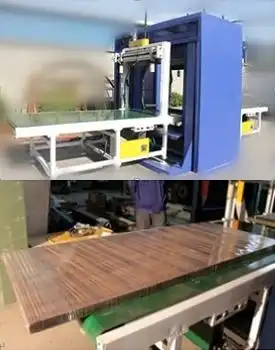
You might wonder if these solutions are right for your factory. As someone who built a successful packing machine factory, I can tell you that understanding the ‘why’ behind these shifts is key. Let’s look closer at the specific issues that are pushing German door exporters towards automation and how these solutions truly help.
Why Are Efficiency Bottlenecks Hurting German Door Exporters?
Is your packing line the slowest part of your factory? Do orders pile up because manual door packing cannot keep pace with production? This creates a big bottleneck. This slowdown costs you money every day. It delays shipments, frustrates customers, and ties up valuable labor. I remember seeing factories where highly skilled workers spent hours on repetitive packing tasks. This is not efficient use of resources. German exporters are now turning to automated systems to fix these efficiency problems. They want to streamline their operations.
Efficiency bottlenecks hurt German door exporters by slowing down their entire production. Manual packing of doors is slow and labor-intensive. It cannot match the speed of modern manufacturing. This leads to delayed shipments and higher labor costs. Automated door packing machines process doors much faster. They free up workers for other tasks. This boosts overall factory output and improves delivery times for global customers.
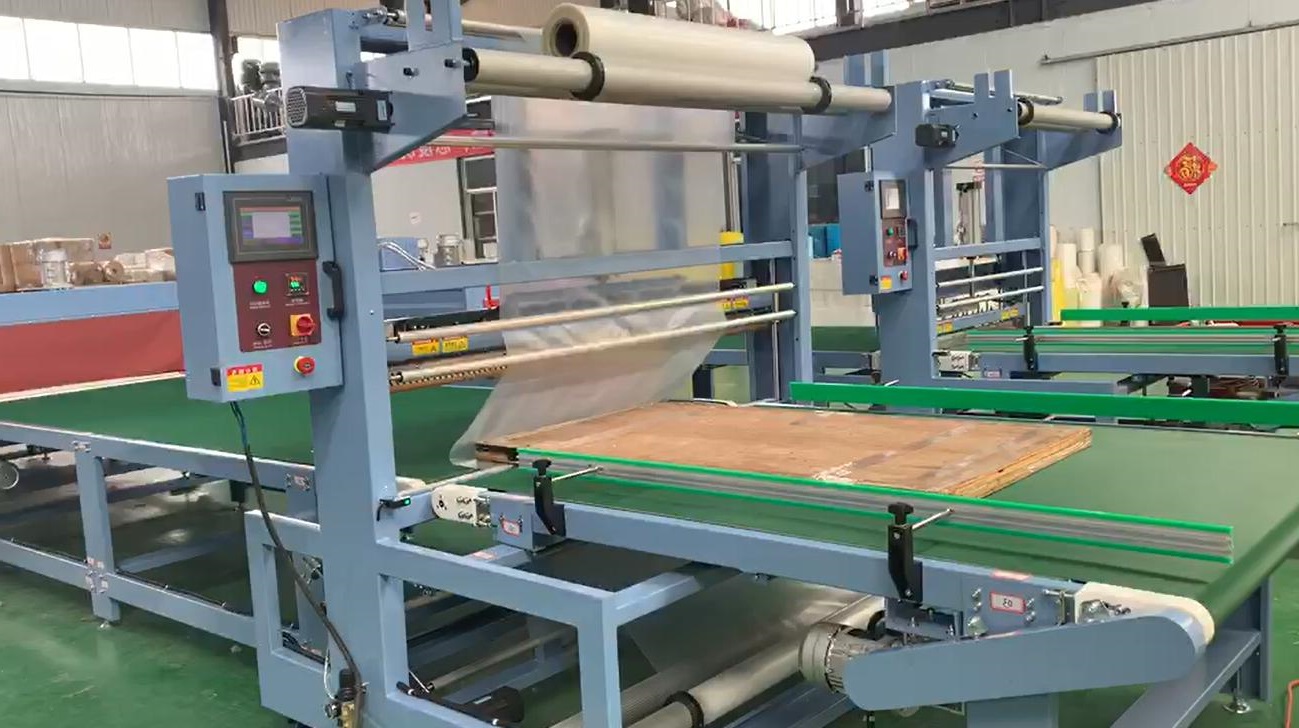
For years, manual packing was the standard. But as global demand grew, this method became a major roadblock. I have seen this many times. Factories producing doors could make them quickly, but then the doors would sit waiting to be packed. This creates a disconnect. The speed of manufacturing is lost at the very end of the line. Manual processes need many people. They are also prone to human error. This slows things down further. Think about a factory like the one Michael Chen manages. He needs to oversee every step from raw materials to finished goods. Any slowdown in packing affects his entire output.
Automated door packing systems address these issues directly. They use machines to wrap, strap, and prepare doors for shipping. These machines work much faster than humans. They can also work without stopping for breaks. This means a continuous flow of packed doors. This consistent speed helps factories meet tight deadlines. It also reduces overtime costs. I always tell my clients that efficiency is not just about speed. It is about smart use of resources. Automation shifts workers from simple, repetitive tasks to more complex, value-adding jobs. This change improves overall productivity. It also makes the workforce more engaged. They are doing more skilled work.
We can break down the impact of efficiency bottlenecks:
Impact of Manual Packing Bottlenecks
- Reduced Throughput: The factory can produce 100 doors an hour, but only pack 50. This means wasted production capacity.
- Increased Labor Costs: Many workers are needed for a slow task. This drives up wages for non-core activities.
- Higher Lead Times: Orders take longer to fulfill, making customers wait. This can lead to lost business.
| Factor | Manual Packing | Automated Packing |
|---|---|---|
| Packing Speed | Slow and inconsistent | Fast and consistent |
| Labor Usage | High, many workers needed | Low, few operators needed |
| Operational Hours | Limited by shifts and breaks | 24/7 capability |
| Consistency | Varies with worker fatigue | High, standardized package every time |
My experience taught me that real efficiency comes from identifying and fixing these choke points. For German exporters, known for their quality and precision, slow packing simply does not fit their brand image. They need systems that match their production excellence. They are finding that automated door packing is the logical next step. It ensures their products get to market as fast as they are made.
Are Safety Risks Driving German Door Manufacturers to Automation?
Is your factory floor a constant source of worry? Are your workers at risk every time they handle a heavy door or bulky packing material? Manual handling of large items is inherently dangerous. These dangers are not just hypothetical. They lead to real injuries, higher insurance premiums, and lost workdays. I have seen the pain and cost of workplace accidents. No factory manager, like Michael, wants to deal with constant safety incidents. German door manufacturers are now actively seeking automated solutions. They want to protect their most valuable asset: their people.
Safety risks are a major reason German door manufacturers are moving to automation. Manual handling of heavy doors leads to many workplace injuries. These include back strains, crushed limbs, and falls. This results in high insurance costs and reduced worker morale. Automated door packing systems remove workers from hazardous tasks. Machines lift, move, and wrap doors safely. This dramatically cuts down on accidents. It creates a much safer work environment.
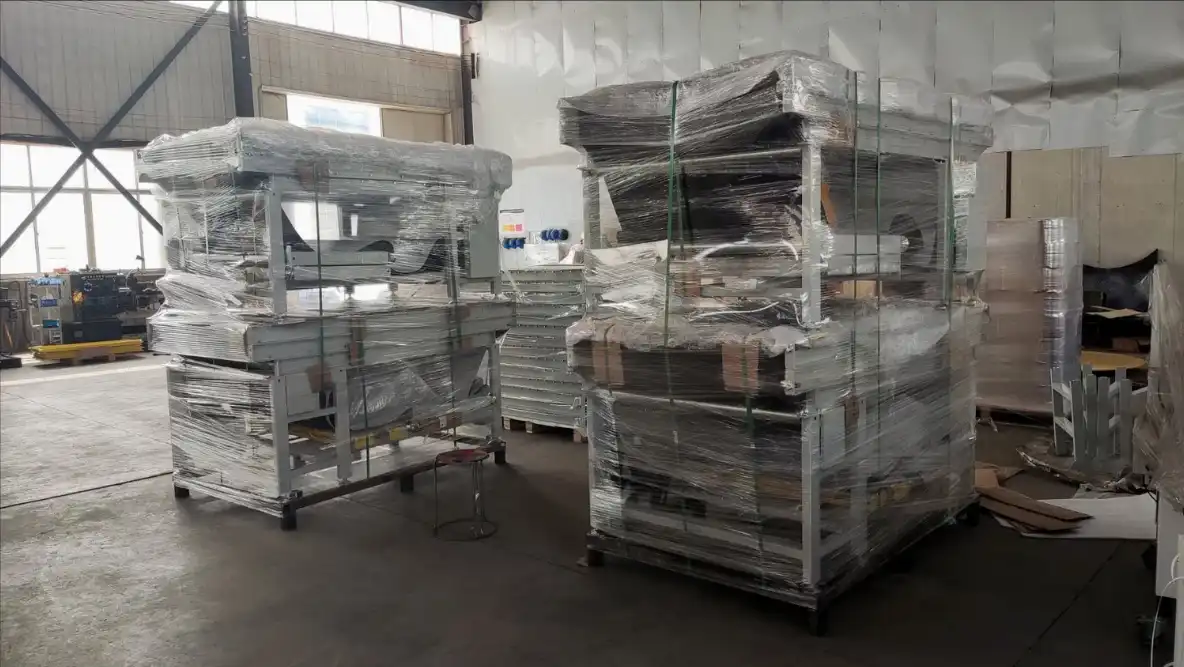
Safety is paramount in any manufacturing setting. When I was running my factory, worker safety was always my top priority. Heavy objects like doors pose significant risks. Workers often have to lift, pivot, or stack them in awkward positions. This leads to ergonomic injuries over time. Sudden movements can cause accidents. For example, a heavy door slipping from a worker’s grip can cause serious injury or even worse. The factory Michael manages likely deals with large, cumbersome products. He knows these risks well. High injury rates affect more than just the injured person. They hurt team morale. They increase workers’ compensation costs. They also lead to higher employee turnover. This means constant training of new staff. This costs time and money.
Automated door packing machines are designed to eliminate these human interactions with heavy goods. Robotic arms or conveyor systems handle the doors. They lift them, position them, and move them through the packing process. Workers only supervise the machines or perform light tasks. This change drastically reduces the risk of strains, sprains, and impact injuries. It also minimizes the chances of doors falling or tipping. This makes the entire packing area much safer. A safer workplace means happier employees. It also means lower operational costs for the factory. This aligns perfectly with what factory managers want to achieve. They want to reduce their “soft costs” which often get overlooked.
Here is how automation improves safety:
Key Safety Improvements with Automation
- Reduced Manual Handling: Machines do the heavy lifting. This protects workers from physical strain and injury.
- Elimination of Repetitive Tasks: Automation removes the need for workers to perform the same risky movements repeatedly.
- Controlled Environment: Machines operate within defined safety zones. This keeps humans out of harm’s way during operation.
| Safety Aspect | Manual Packing Hazards | Automated Packing Benefits |
|---|---|---|
| Physical Strain | High risk of back, shoulder injuries | Minimized, machines handle heavy loads |
| Accident Frequency | Higher due to human error/fatigue | Lower, controlled machine movements |
| Insurance Costs | Higher due to claims and risks | Potentially lower with fewer incidents |
| Worker Morale | Can be low due to perceived danger | Improved due to safer conditions |
From my experience, investing in safety is not just an expense; it is an investment in your workforce and your long-term success. German companies are known for their commitment to worker well-being. It is no surprise they are embracing automation to create safer environments. This move protects their employees. It also secures their production line from costly disruptions caused by accidents.
How Is Product Damage Affecting German Export Profitability?
Do your carefully manufactured doors arrive at their destination with dents, scratches, or damaged corners? Product damage during packing and transit is a silent killer of profits. This is more than just a minor annoyance. Damaged products lead to costly returns, customer complaints, and a tarnished reputation. You worked hard to make a quality door, only for it to be damaged in the last step. I have seen how this impacts relationships with international clients. German exporters are now looking for automated solutions. They want to ensure their products reach customers in perfect condition every time.
Product damage significantly hurts German export profitability. Manual handling and inconsistent packing can cause dents, scratches, or edge damage to doors. This results in customer complaints, returns, and financial losses. Automated door packing systems provide consistent, secure wrapping. They reduce human contact with the product. This minimizes the risk of damage during packing and transport. It ensures doors arrive in perfect condition. This boosts customer satisfaction and protects profit margins.
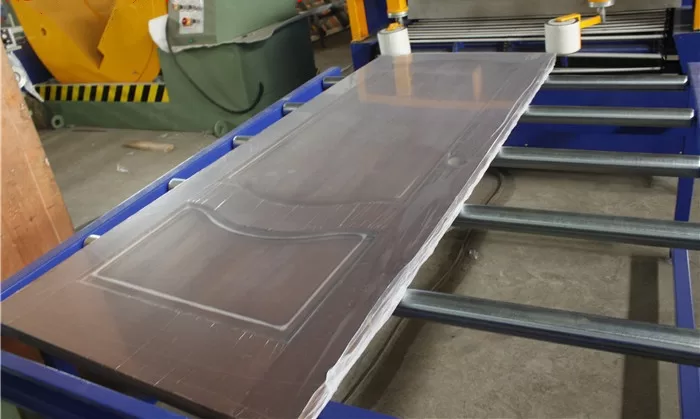
A pristine product arriving at the customer’s door is crucial. Especially for German exports, which are known globally for quality. Any damage, no matter how small, reflects poorly on the manufacturer. Manual packing often involves rough handling. It can also lead to inconsistent wrapping. One worker might wrap a door tightly, another might not. This variation increases the risk of damage during transport. Doors can shift, rub against each other, or get bumped by handling equipment. Think about Michael Chen’s situation again. His factory produces metal products. Even small scratches can mean big problems for his clients. He needs solutions that ensure product integrity.
Automated door packing systems offer a precise and consistent packing process. Machines apply the same tension and the same amount of protective material every time. This consistency protects the doors better. They can also apply protective layers like stretch film or foam precisely. This covers vulnerable areas, such as edges and corners. This reduces the chance of scratches or impacts. By minimizing human intervention, the chances of accidental damage are also greatly reduced. This means fewer complaints, fewer returns, and a better reputation. When I help my clients, I always emphasize that the cost of preventing damage is much lower than the cost of dealing with damaged goods. Returns involve shipping costs, inspection costs, and often a replacement product. This all eats into profits.
Consider the various ways product damage impacts the business:
Consequences of Product Damage in Export
- Direct Financial Losses: Cost of replacement, return shipping, and disposal.
- Customer Dissatisfaction: Leads to negative reviews, reduced repeat business, and loss of trust.
- Brand Reputation Harm: Perceived as lower quality, affecting future sales.
| Damage Source | Manual Packing Issues | Automated Packing Solutions |
|---|---|---|
| Handling | Dropping, scraping, awkward lifts | Robotic precision, conveyor movement |
| Wrapping | Inconsistent tension, gaps, poor coverage | Uniform wrap, precise material application |
| Transit | Poorly secured packages shift | Secure, stable packages reduce movement |
| Quality Control | Relies on human inspection | Integrated sensors for package integrity |
From my work with various factories, I have learned that prevention is always better than cure. Automated packing is a powerful tool for damage prevention. For German exporters, maintaining a reputation for delivering flawless products is vital. Automation ensures this level of quality is upheld right through to the customer’s receiving dock. It is an investment that protects both product quality and profitability.
Why Are German Exporters Facing Supplier Trust Issues in Automation?
Have you been burned by equipment suppliers who promise much but deliver little in terms of real support? Finding a trustworthy partner in automation can be hard. Many factory managers, like Michael, have told me about past experiences. They invested heavily in machines, only to find the sales process was great but after-sales service was non-existent. This leads to costly downtime and lost faith in technology. I have seen how a lack of trust can stop companies from making crucial upgrades. German exporters are now very careful. They seek partners who truly understand their needs and offer ongoing support.
German exporters face supplier trust issues because of bad past experiences. Some equipment vendors focus only on sales, not on proper after-sales service or understanding unique factory needs. This leaves businesses with unsupported machines and lost investments. German companies now demand partners who offer deep industry knowledge, reliable support, and solutions tailored to their specific challenges. They want a supplier who proves their value long after the sale is made.
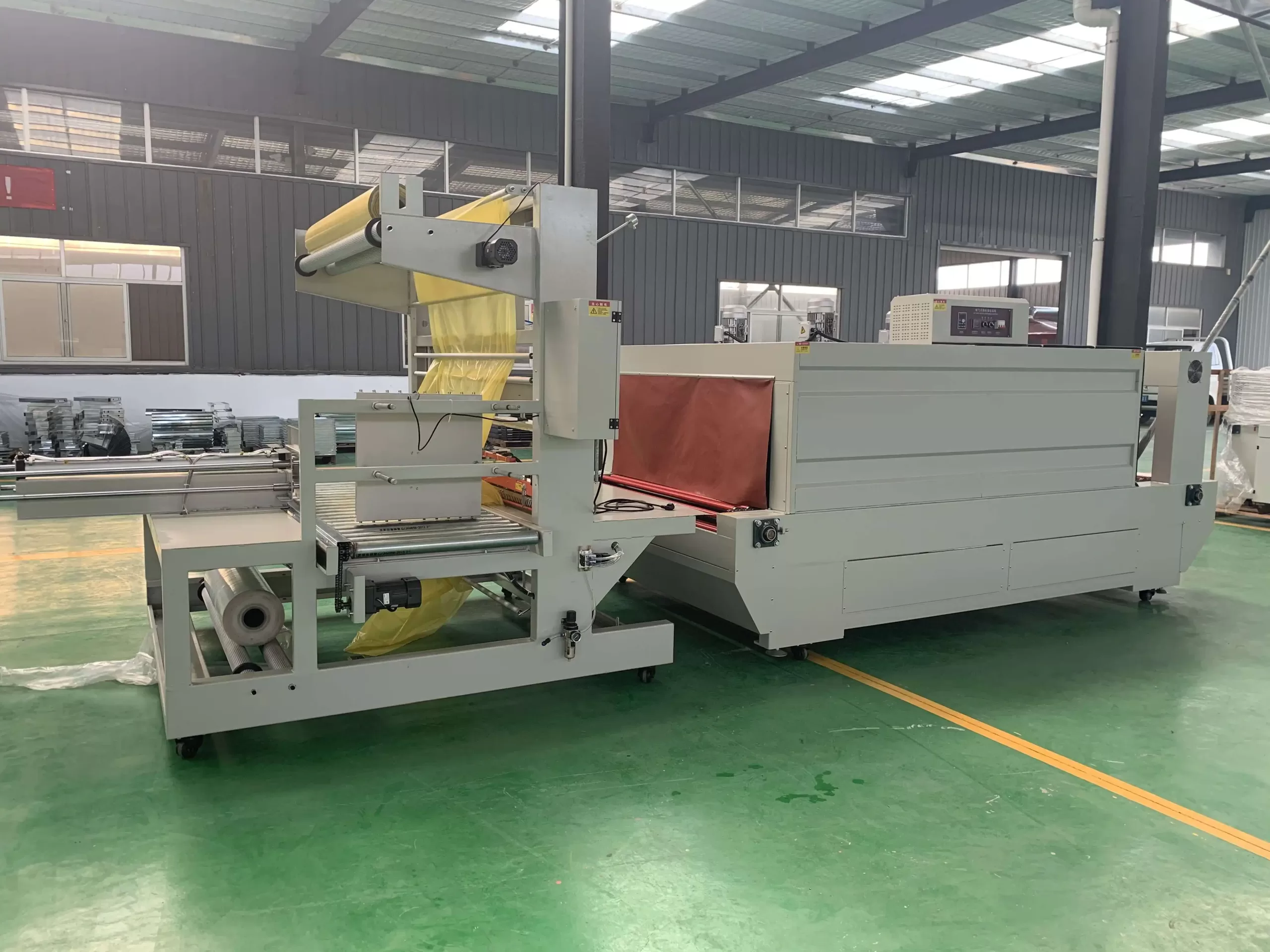
Building trust is fundamental in any business relationship, especially when investing in complex machinery like automated packing systems. I recall my own early days. When I started my factory, choosing the right suppliers was critical. Many companies act purely as sales agents. They push products without truly understanding the customer’s specific production line, challenges, or long-term goals. They might not even know the intricacies of packing heavy doors. This approach leads to mis-sold equipment. It also leads to a lack of proper installation and maintenance support. When a critical machine breaks down, and support is nowhere to be found, the factory loses money rapidly. This creates deep distrust. It makes companies hesitant to invest in automation, even if they desperately need it. Michael Chen specifically mentioned this as a concern. He wants a partner who “understands the production bottlenecks, safety hazards, and efficiency problems.”
A true partner offers more than just a machine. They offer expertise. They provide solutions. This includes helping a client assess their current situation. It means recommending the right equipment for their specific needs, not just the most expensive one. It involves proper installation, training for the factory staff, and reliable ongoing technical support. My journey in the packing machine industry has taught me that true value comes from solving problems for clients. It comes from helping them grow their businesses. This is what I strive to do with FHOPEPACK. We share knowledge. We ensure that our clients make informed decisions. We stand by our products.
Here’s what differentiates a true partner from just a vendor:
Key Qualities of a Trustworthy Automation Partner
- Deep Industry Knowledge: Understands the nuances of packing doors, not just selling machines.
- Tailored Solutions: Provides equipment that fits the client’s specific factory layout and production volume.
- Comprehensive After-Sales Support: Offers reliable maintenance, spare parts, and troubleshooting.
| Aspect | Typical Vendor Approach | Trustworthy Partner Approach |
|---|---|---|
| Sales Focus | Quick sale, move to next client | Problem-solving, long-term relationship |
| Understanding Needs | Generic solutions, push products | Detailed analysis, customized recommendations |
| Post-Sale Support | Limited or reactive | Proactive, consistent, reliable |
| Expertise | Product features only | Industry trends, operational insights |
German exporters are savvy. They have high standards. They are looking for suppliers who demonstrate a commitment to their success. They need someone like me, who has been in their shoes. Someone who knows the packing industry inside and out. They want to work with a company that offers real partnership. They want a company that provides the insights and support needed for their automation investment to truly pay off. This shift towards seeking true partners is a positive sign for the industry.
What Are My Insights on Automated Door Packing Solutions?
You have seen the challenges: bottlenecks, safety risks, product damage, and the struggle to find reliable suppliers. It might feel overwhelming to make the leap to automation. Many factory owners hesitate. They worry about the upfront cost or the complexity of new technology. But inaction can be far more expensive in the long run, costing you market share and profits. Based on my years in the packing machine industry, I want to share my unique perspective. I believe the future for door exporters lies in smart, well-implemented automation.
My insight into automated door packing solutions comes from firsthand experience building and running a successful packing machine factory. I see automation as essential for modern door exporters. It is not just about buying a machine. It is about strategic investment in efficiency, safety, product quality, and long-term profitability. My view is that the right automated system, supported by a knowledgeable partner, empowers businesses to overcome challenges. It allows them to thrive in a competitive global market.
My journey began as an employee in a packing machine factory. I saw the day-to-day operations. I understood the challenges from the ground up. Later, I built my own factory. This gave me a full view of the industry. I experienced the pressures of production, managing costs, and meeting customer demands. I also learned the true value of reliable equipment and dedicated support. This experience is what I now share through FHOPEPACK. My goal is to make this knowledge accessible. I want to help others succeed.
For German door exporters, the decision to automate is more than just buying new machinery. It represents a fundamental shift in strategy. It is about adapting to a global market that demands speed, precision, and flawless delivery. When I look at a factory like Michael Chen’s, I see the potential for massive improvements. The challenges he faces—manual processes, safety hazards, product damage—are exactly what automation is designed to fix. But it must be the right automation.
I always advise clients to think beyond the initial purchase price. They should consider the total cost of ownership. This includes labor savings, reduced material waste, lower insurance costs, and improved customer satisfaction. The return on investment (ROI) for well-chosen automated packing solutions can be very quick. It often surprises people. I have seen businesses transform their operations. They gained significant competitive advantages. They were able to take on more orders. They reduced their operational headaches.
My core insight is this:
Randal’s Core Insights on Automation
- Strategic Investment, Not Just Expense: Automation is a long-term play for growth and market leadership.
- Partnership is Key: Choose a supplier who truly understands your operations and offers ongoing support.
- Holistic Benefits: Look beyond just speed. Consider safety, quality, and worker morale improvements.
| Benefit Area | Manual Packing Drawbacks | Automated Packing Advantages |
|---|---|---|
| Cost Savings | High labor, waste, injury costs | Reduced labor, less waste, fewer claims |
| Market Competitiveness | Slow delivery, quality issues | Fast, consistent, high-quality output |
| Scalability | Limited by human capacity | Easily scales with demand |
| Workforce Value | Repetitive, risky tasks | Skilled supervision, safer roles |
I believe that for German door exporters, embracing automated packing is not an option anymore. It is a necessity. It is the path to securing their position in the global market. It ensures they can continue to deliver the high-quality products they are known for, efficiently and safely. This is why I am so passionate about sharing my knowledge. I want to empower businesses to make these smart choices.
Conclusion
German exporters are switching to automated door packing for efficiency, safety, and product quality. This strategic move, supported by trusted partners, ensures their global competitiveness and secures long-term profitability.








