
Why Are German Engineers Insisting on TÜV-Certified Mold Tilters?
Working in a factory can be tough. I know this because I started my career right on the factory floor. You deal with heavy materials, tight deadlines, and constant pressure to produce more. But what happens when your operations are held back by old methods? What if those methods also put your workers at risk? This is a problem many factory managers, like Michael Chen in Mexico, face every single day. They need to move heavy molds and coils. Doing it by hand is slow. It causes injuries. It damages products. This means lost money and big headaches.
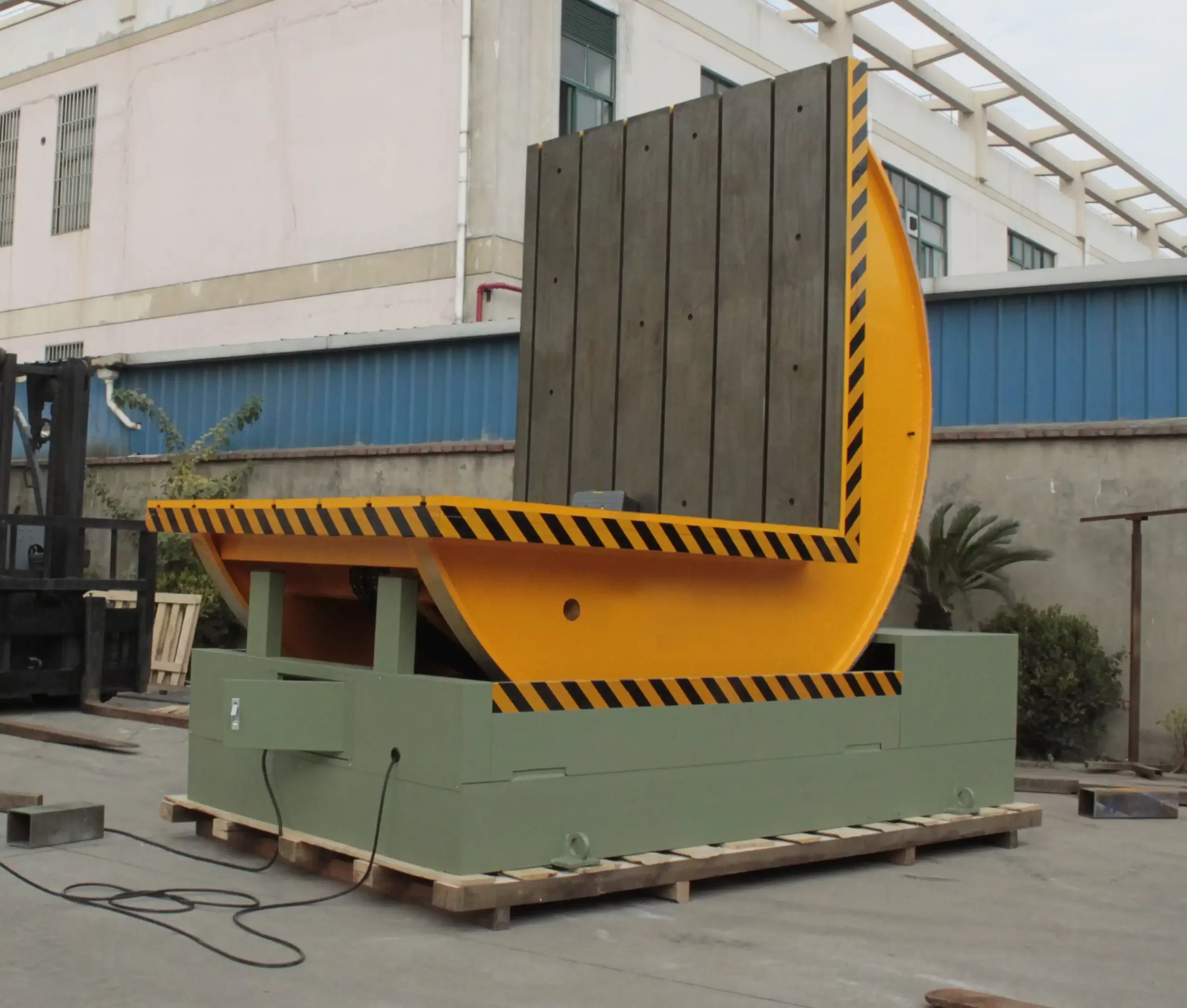
German engineers insist on TÜV-certified mold tilters for simple reasons. They know these machines meet very high safety and quality standards. TÜV certification means a machine has been tested strictly. It shows it is safe. It shows it is reliable. It shows it will work correctly in tough factory settings. These engineers pick TÜV-certified machines because they want peace of mind. They want to protect their workers. They want to keep production running smoothly. This type of certification builds trust. It also reduces major risks.
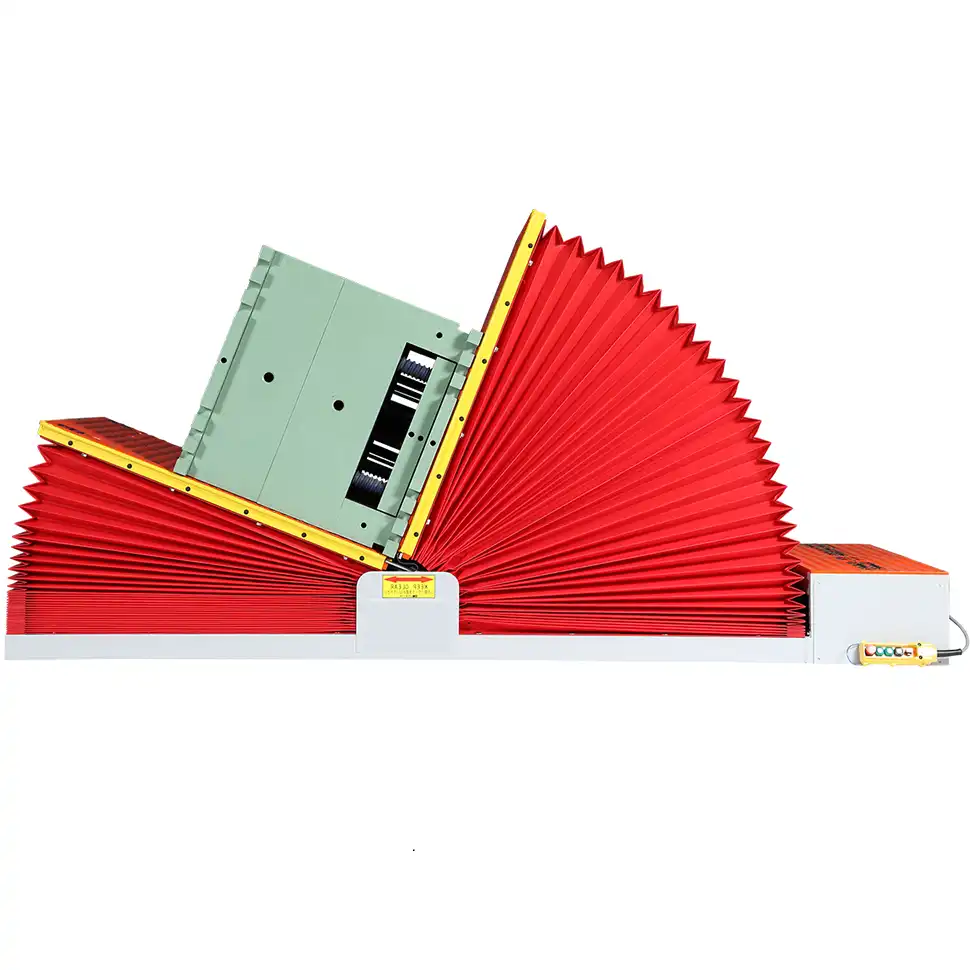
Understanding why this certification is vital goes beyond just a label. It links directly to the daily challenges factory managers face. It is about solving real problems on the production line. Let us dig deeper into what this means for your factory and your business.
Why Do Manual Processes Slow Down Your Production?
Do you ever feel like your production line is stuck? You push hard at the start. You get things moving fast. But then everything slows down at the very end. This is a common problem. It is especially true when you handle heavy items like steel coils or molds by hand. This manual work creates a big bottleneck. It holds back your whole factory. This directly impacts how fast you can deliver products.
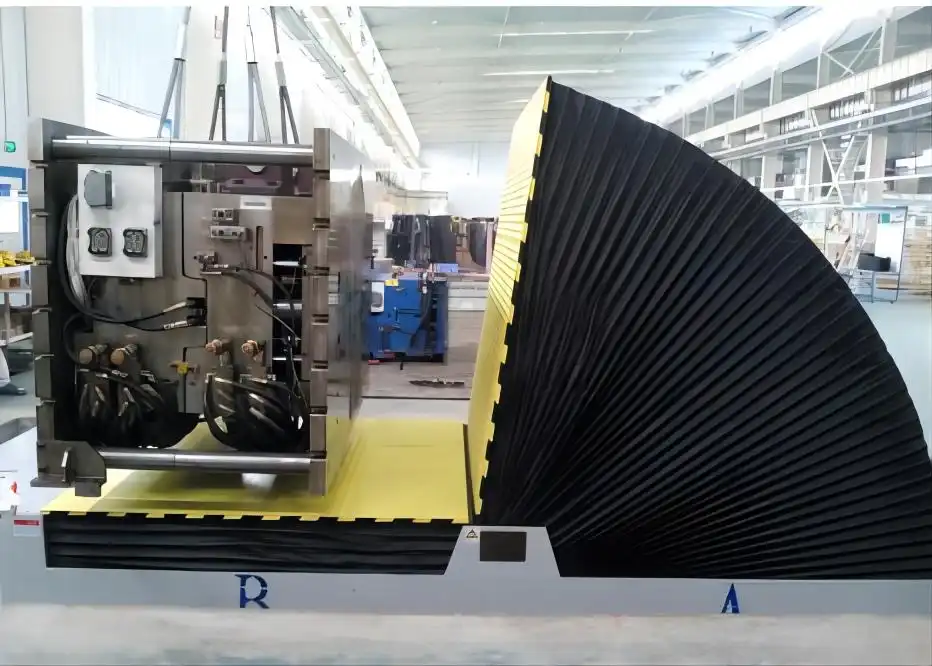
Manual handling of heavy molds and coils is a major block for many factories. It takes a long time. It needs many workers. It cannot keep up with faster machines used earlier in the process. This means your expensive production line sits idle. It waits for the slow, manual steps to finish. This hurts your output. It stops you from meeting customer orders on time. This issue is something I have seen many times. It holds back good companies from growing.
The High Cost of Doing Things by Hand
Manual processes might seem cheap at first. You just use your existing workers. But this thinking is wrong. The true costs are very high. I have seen factories struggle with this. They spend a lot of money on wages for tasks that machines can do faster and safer. They also face costs from worker injuries. When workers lift heavy items, they can get hurt. This means higher insurance costs. It means more time off work. It also means finding and training new people. This is expensive. It also affects morale.
Think about the time wasted. A machine can flip a mold in minutes. A team of people might take much longer. They also need breaks. They might get tired. This slows down everything. The longer a task takes, the less you produce. This hits your bottom line directly.
-
Impact on Production Speed:
- Bottleneck Creation: Manual steps are often the slowest part of the production line. This creates a chokepoint. It limits the maximum output of the entire factory. You cannot speed up past this point.
- Inconsistent Flow: Human speed changes. It is not always the same. This leads to an uneven production flow. It makes planning difficult. Machines offer consistent speed.
- Limited Capacity: You can only hire so many people. You can only fit so many people around a heavy item. Automation lets you scale up production much easier. You do not need more people for more output.
-
Hidden Expenses of Manual Labor:
- Direct Labor Costs: Paying wages for tasks that automation could handle means higher operating expenses. This is money that could go to other parts of the business.
- Overtime Pay: To meet deadlines, workers might need to work overtime. This means paying higher rates for the same work. Automation avoids this need.
- Training and Turnover: Manual jobs often have higher injury rates. This leads to higher employee turnover. Training new people is costly and time-consuming. You lose valuable experience.
Factories need to move beyond these old ways. They need to embrace machines that can handle heavy work. This frees up workers. They can do other, more important jobs. It also makes the factory run faster. This is how you grow a business today. My own journey from employee to factory owner showed me this clearly. You must invest in smart solutions.
How Can Heavy Lifting Become Safer for Your Workers?
Are you worried about your workers getting hurt on the job? Lifting heavy objects like steel coils or large molds is one of the most dangerous tasks in any factory. Accidents happen fast. A dropped mold. A twisted back. These can lead to serious injuries. They can also lead to high costs for your company. Factory managers, just like Michael Chen, carry the heavy burden of keeping their teams safe.
Manual handling of heavy items carries very high risks. Workers can suffer muscle strains. They can get fractures. They can even face more severe injuries. These accidents lead to pain for the worker. They also lead to high medical bills. They mean lost workdays. For the factory, this means higher insurance costs. It means legal issues. It also damages morale. No one wants to work in a place where safety is not number one. This is why safety must be the first thing we think about when moving heavy things.

The True Price of Workplace Accidents
I have seen firsthand the impact of workplace injuries. They are not just about insurance claims. They are about human lives. They are about the trust between a company and its employees. When a worker gets hurt, it affects everyone. It hurts team spirit. It can make other workers worried. This fear can slow down production. It can make people leave your company.
A safe workplace is a productive workplace. When workers feel safe, they work better. They are more focused. They are happier. This leads to higher quality work. It leads to less waste. It also helps you keep your best people. Investing in safety equipment like a mold tilter is not just a cost. It is an investment in your people. It is an investment in your future.
-
Direct Costs of Accidents:
- Medical Expenses: These include emergency care, doctor visits, and ongoing therapy. These can be very high, even for minor injuries.
- Workers’ Compensation: This is insurance that pays for lost wages and medical care for injured workers. High accident rates mean higher premiums.
- Legal Fees: If an accident leads to a lawsuit, your company faces significant legal costs. This can be very damaging.
-
Indirect Costs of Accidents:
- Lost Productivity: When a worker is injured, production often stops or slows down. Other workers might need to help. This reduces overall output.
- Morale and Turnover: Accidents create a negative work environment. This can lower morale. It can make good employees look for jobs somewhere safer. Training new people is costly.
- Reputation Damage: A factory with a poor safety record can lose customers. It can also find it hard to attract new talent. Your brand suffers.
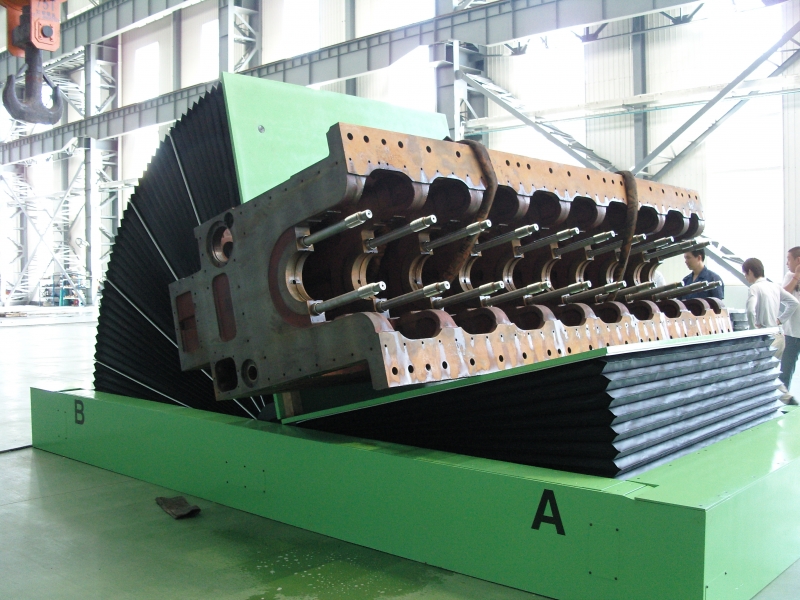
Using equipment like a mold tilter removes the need for human strength in dangerous tasks. It flips and moves heavy molds or coils smoothly and safely. This protects your workers. It reduces injuries. It lowers your insurance costs. It creates a much better place to work. This is a critical step for any factory wanting to improve its operations. I learned early on that caring for your team is caring for your business.
Can a New Machine Really Save Your Factory Money?
Many factory managers think new machines are just another cost. They look at the price tag. They worry about the investment. But the right machine can save you a lot of money in the long run. It can even make your factory more profitable. How can a mold tilter, for example, do this? It helps reduce waste. It cuts labor costs. It protects your products. These are all ways to boost your factory’s bottom line.
A new mold tilter or coil packing machine might seem like a big purchase. But it offers a clear return on investment (ROI). It helps you cut down on many everyday expenses. For example, it reduces the need for many workers to do dangerous lifting. This saves on wages. It also greatly lowers product damage. When you move heavy items by hand, they can get scratched. They can get dented. This leads to customer complaints. It means you lose money on damaged goods. A machine handles items gently. It keeps them safe.
The Financial Benefits of Smart Automation
I have seen many clients invest in FHOPEPACK machines. They start small. Then they see the impact. Their costs go down. Their profits go up. This is because automation addresses real problems that eat away at your money. It is not just about moving things. It is about moving them efficiently. It is about moving them without damage. It is about doing it faster and safer.
Think about product loss. In the steel industry, a damaged coil edge can mean a whole coil is rejected. This is a huge loss. A mold tilter prevents this. It rotates and moves items smoothly. It stops damage from happening. This protects your revenue. It also keeps your customers happy. Happy customers mean more repeat business.
-
Cost Savings Through Automation:
- Reduced Labor Costs: One machine can do the work of several people. This frees up workers for other, higher-value tasks. Or it reduces your overall labor needs.
- Decreased Product Damage: Machines handle items with precision. This prevents scratches, dents, or other damage that happens with manual handling. Fewer damaged products mean less scrap. It means fewer customer returns.
- Lower Insurance Premiums: Fewer workplace injuries lead to lower workers’ compensation claims. This directly reduces your insurance costs over time.
- Increased Production Throughput: By removing bottlenecks, automated equipment allows your factory to produce more in less time. This means you can take on more orders. It means you can increase sales.
-
Boosting Overall Profitability:
- Improved Quality: Less product damage means higher quality goods leaving your factory. This improves your brand’s reputation. It also strengthens customer loyalty.
- Faster Delivery Times: A more efficient packing process means products ship out faster. This can be a big advantage over competitors. It can also help you meet tight deadlines.
- Better Resource Allocation: When machines handle routine tasks, your skilled workers can focus on problem-solving, innovation, or quality control. This makes your team more effective.
The upfront cost of a machine is an investment in these savings. It is an investment in future growth. I always tell my clients to look at the total picture. Look at how much you save in labor, damage, and insurance. Look at how much more you can produce. That is the real value of a good machine.
Why Is Trusting Your Equipment Supplier So Important?
Finding the right equipment is one challenge. Finding the right supplier is another. You need more than just a seller. You need a partner who truly understands your factory’s needs. Many factory managers, like Michael Chen, have faced bad experiences. They dealt with suppliers who only cared about the sale. They did not provide good after-sales service. This leads to problems. It makes you cautious about buying new machines.
Michael Chen knows how important a good partner is. He does not just want to buy a machine. He wants someone who can understand his factory’s production issues. He wants someone who sees his safety worries. He wants a supplier who knows about efficiency problems. This kind of partner offers real advice. They give reliable solutions. My own experience building FHOPEPACK showed me this. You must build trust. You must truly help your clients succeed.
What Makes a Supplier a True Partner?
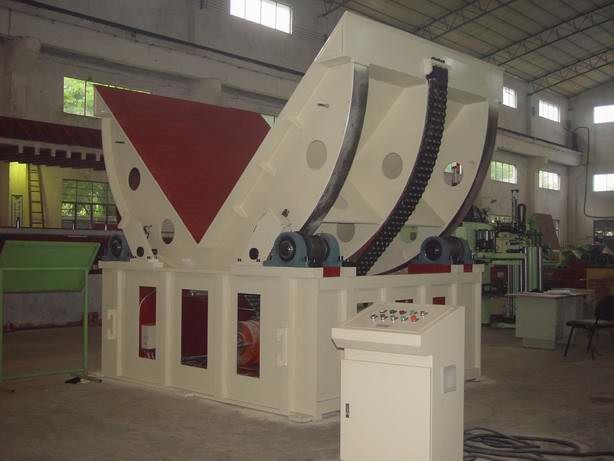
When I started FHOPEPACK, I knew I wanted to be different. I did not just want to sell machines. I wanted to share knowledge. I wanted to help others. This comes from my own journey. I worked in a packing machine factory. Then I built my own successful factory. I understood the challenges. I knew what it took to grow. This experience shaped FHOPEPACK’s mission. We are here to help you understand your options. We are here to give you solutions that work.
A good supplier listens to your problems. They do not just push their products. They ask about your factory’s bottlenecks. They ask about your safety risks. They look at your entire process. Then they suggest the right machine. They explain how it will solve your specific issues. This is about being a consultant. It is not just about being a salesperson.
-
Understanding Your Unique Needs:
- Factory-Specific Challenges: A good supplier asks about your current production flow, your existing equipment, and your specific pain points. They do not offer a one-size-fits-all solution.
- Customized Solutions: They might suggest a machine with specific features for your factory. They tailor their advice to what you truly need. This ensures the machine fits perfectly.
- Long-Term Vision: A true partner thinks about your factory’s future growth. They offer solutions that can scale with your business, not just solve today’s problem.
-
Beyond the Sale: After-Sales Support:
- Installation and Training: They ensure the machine is set up correctly. They train your team on how to use it safely and efficiently. This prevents problems later on.
- Maintenance and Parts: They offer reliable maintenance services. They have spare parts readily available. This means less downtime if something goes wrong.
- Troubleshooting and Support: When issues arise, they are there to help quickly. This minimizes disruption to your production. It shows they stand by their products.
The relationship with your supplier should be built on trust and shared goals. You want to grow your business. A good supplier wants to help you do that. This means open communication. It means reliable service. It means knowing that they will be there for you after the sale. This kind of partnership is priceless in the world of heavy manufacturing.
What Insights Have I Gained From My Own Journey?
My journey in the packing machine industry has been long. It started on the factory floor. I was an employee. I worked hard. I learned how things really get done. Then I built my own packing machine factory. This was a big step. I faced many challenges. I learned about managing costs. I learned about keeping workers safe. I learned about meeting customer demands. This journey helped me gain financial independence. It also showed me how to help others grow their businesses. This is what I want to share with you.
My mission with FHOPEPACK is to give back. I am grateful for what the coil packing and steel wire packing industries gave me. I want to share my knowledge. I want to help others succeed. When I hear about problems like Michael Chen’s, I understand them deeply. I have been there. I know the pressure. I know the need for reliable equipment. I know the struggle to find trusted partners. This is why I focus on practical solutions. I focus on shared knowledge.
My Personal Learnings for Your Success
When I was building my factory, every decision mattered. I learned that cutting corners on equipment or safety costs you more in the long run. I saw how a single accident could stop an entire production line. I also saw how smart investments in machines could open up new possibilities. They made the factory run smoother. They made it safer. They made it more profitable.
My biggest insight is this: Your equipment is not just metal and wires. It is a tool for your growth. It is an investment in your people. It is a promise to your customers. When you choose a machine, choose one that protects all these things. Choose a supplier who understands this. This is the core of FHOPEPACK’s approach. We want to empower you. We want to help you make informed decisions. We want to see your factory thrive.
-
Prioritizing Reliability and Safety:
- Long-Term Value: Cheap machines often break down. They cause more problems. Investing in strong, certified machines saves money over many years. They perform better.
- Protecting Your Team: Safety is not just a rule. It is a duty. When your workers feel safe, they are more loyal. They are more productive. This builds a strong company culture.
- Minimizing Downtime: A reliable machine works when you need it. This means fewer interruptions. It means more output. It keeps your customers happy because products ship on time.
-
The Power of Knowledge Sharing:
- Informed Decisions: My goal is to give you the information you need. You can make the best choices for your factory. This knowledge helps you avoid costly mistakes.
- Building a Community: I want to create a place where people in manufacturing can learn from each other. Sharing experiences helps everyone improve.
- Real-World Solutions: I do not just talk about theory. I talk about what works in real factories. This is based on my own experience. It is based on helping many clients.
My path from an employee to a factory owner taught me the deep importance of every decision. It showed me how crucial it is to choose the right tools. It showed me how vital it is to have reliable partners. This is the foundation of FHOPEPACK. We are here to help you navigate these choices. We are here to help you achieve your own success.
Conclusion
German engineers trust TÜV-certified mold tilters for safety and reliability. These machines solve factory issues like slow manual work, worker risk, and product damage. Investing in certified equipment boosts efficiency, improves safety, and increases profits. Choosing a knowledgeable supplier is key.








