
Why Are Europe Exporters Switching to Automated Door Packing Solutions?
Are you running a factory in Europe, struggling with slow packing lines, rising labor costs, and constant worries about product damage before shipment? Many exporters face these exact problems. Manual packing methods are a bottleneck. They slow down your entire production. They also put your workers at risk. These issues directly impact your bottom line and your ability to compete globally.
European exporters are rapidly adopting automated door packing solutions. They do this to overcome bottlenecks and improve efficiency. These systems significantly enhance worker safety. They also reduce product damage during transit. This shift allows businesses to meet high customer demand. It also helps them maintain a strong competitive edge in the global market.
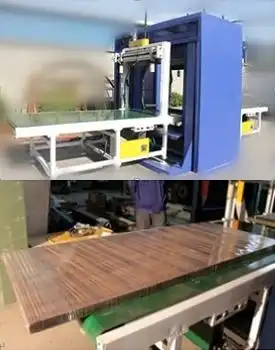
This change is not just a trend. It is a strategic move for survival and growth. But why is this happening now? What are the true benefits behind this significant investment? Let’s look closer at the core reasons driving this transition.
Boosting Operational Efficiency?
Is your packing line a constant source of frustration? Are you seeing valuable production time wasted on slow, labor-intensive processes? This inefficiency means delayed shipments and unhappy customers. It also ties up your workforce in repetitive, low-value tasks. The old ways of packing simply cannot keep up with modern export demands.
Automated door packing solutions drastically improve operational efficiency. They do this by streamlining the packing process. Machines work much faster than people. They provide consistent output. This frees up human workers for more skilled tasks. It removes a major bottleneck at the end of the production line.
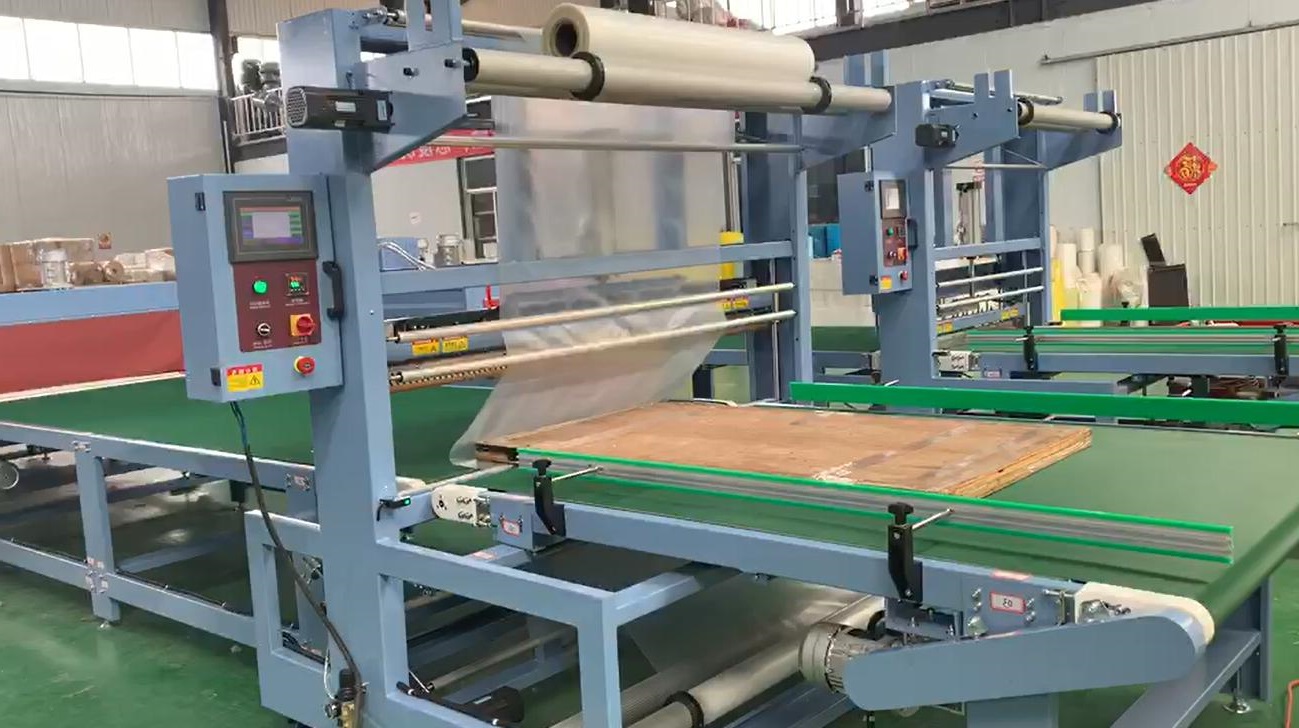
When I first started in the packing machine industry, manual operations were the norm. I saw firsthand how much time and effort went into wrapping large, heavy items like doors. It was clear that a better way was needed. Automation is that better way. It brings speed and consistency that manual work cannot match. Think about the hundreds of doors a factory might produce each day. Manually wrapping each one is a huge task. It takes many workers. It also takes a lot of time. An automated system can handle this volume easily. It wraps each door in the same way. This means every package looks professional. It also protects the product well. The speed of these machines is incredible. They can pack a door in seconds. This greatly reduces the overall packing time. It allows factories to ship products faster. Faster shipping means happier clients. It also means you can take on more orders. The impact on production flow is immediate. You remove the packing bottleneck. Production moves smoothly from start to finish. This leads to higher overall output. It also means less overtime pay for your staff. This directly lowers operational costs. It makes your factory more profitable. From my experience building factories, I know that even small improvements in efficiency can lead to big savings over time. It is not just about raw speed. It is also about consistency. Manual packing can have errors. People get tired. They might wrap one door differently from another. A machine does not get tired. It follows the same program every time. This leads to uniform packaging. This is very important for exports. Customs officials often look for consistency. Good packaging reflects well on your brand. It shows you care about your product. It also protects it better during long transit times. This helps avoid customer complaints later.
How Automation Boosts Throughput
| Feature | Manual Packing | Automated Packing |
|---|---|---|
| Speed | Slow, varies by worker | Fast, consistent output |
| Consistency | Inconsistent, prone to error | High, uniform packaging |
| Labor Needs | High, multiple workers | Low, few operators |
| Error Rate | Higher, human mistakes | Very low, precise operation |
| Throughput | Limited by human pace | High, continuous flow |
Implementing automated solutions changes the entire production line. It shifts from a labor-intensive process to a machine-driven one. This allows factories to handle larger orders. They can also meet tighter deadlines. It makes them more competitive in the global market.
Enhancing Worker Safety?
Are you constantly worried about workplace injuries in your packing area? Lifting heavy doors and manipulating awkward materials manually carries significant risks. Accidents can happen quickly. They lead to worker injuries, increased insurance costs, and lost productivity. This creates a stressful and unsafe environment for your team.
Automated door packing systems dramatically improve worker safety. They remove the need for manual handling of heavy or bulky items. Machines perform hazardous tasks. This reduces the risk of strains, sprains, and other serious injuries. It creates a safer work environment for everyone.
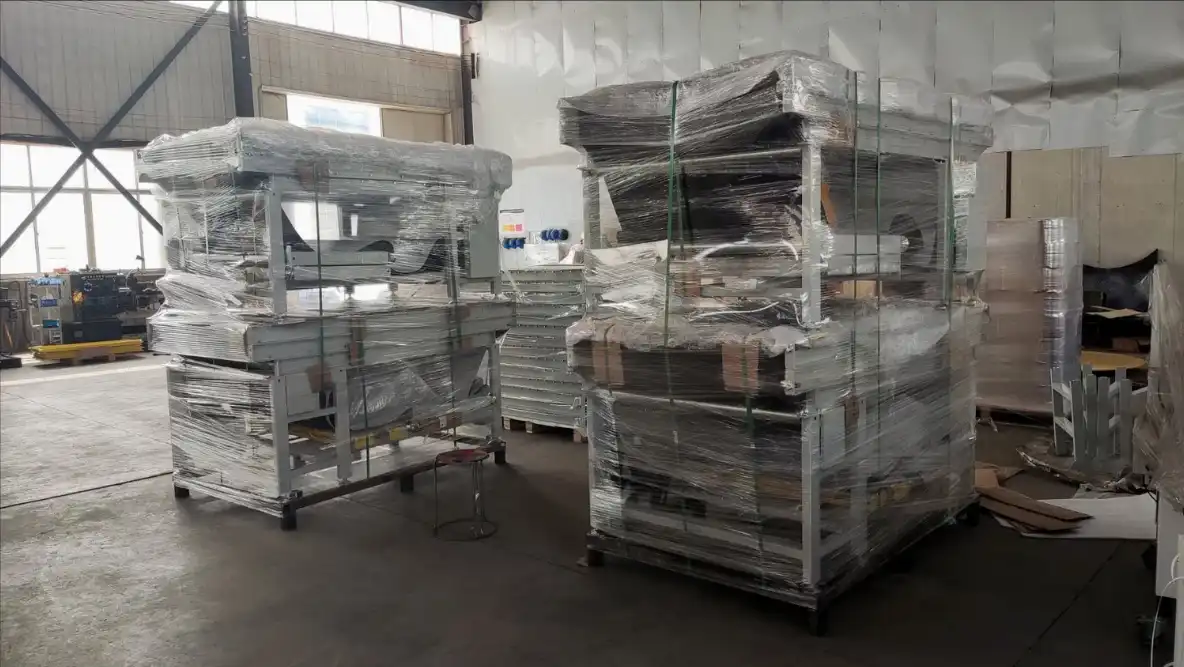
Safety was always a top priority for me when I was running my own packing machine factory. I saw what happened when shortcuts were taken or when workers were forced to do unsafe jobs. Serious injuries are not just painful for the employee. They also cost the company a lot of money. There are medical bills. There is lost work time. There are potential lawsuits. And there is the impact on team morale. Manual packing of doors is a prime example of a high-risk task. Doors are heavy. They are often large and difficult to grip. Workers have to lift them, turn them, and wrap them. This puts a lot of strain on their backs, shoulders, and knees. Repetitive motions also lead to long-term health problems. Automated systems take over these dangerous jobs. Robots or machines handle the heavy lifting. They position the doors. They apply the wrapping material. Workers only need to supervise. They manage the machine. This drastically reduces direct physical interaction with the product. It cuts down on the risk of injuries. Factories also see lower insurance premiums. A safer workplace means fewer claims. It also means a happier workforce. Employees feel valued when their safety is taken seriously. This leads to better morale. It reduces staff turnover. From my experience, a safe workplace is a productive workplace. People work better when they do not fear getting hurt. It is a win-win situation. Safety is not just a cost. It is an investment. It protects your most valuable asset: your people.
Reducing Workplace Hazards with Automation
| Hazard Type | Manual Packing Risk | Automated Packing Solution |
|---|---|---|
| Strains/Sprains | High, lifting heavy doors | Eliminated, machines lift |
| Crushing Injuries | Possible, dropping items | Very low, controlled movement |
| Repetitive Stress | High, repeated motions | Eliminated, workers supervise |
| Slips/Falls | Possible, material clutter | Reduced, organized area |
| Fatigue-Related | High, long shifts | Reduced, less physical strain |
Automated systems feature safety interlocks and protective barriers. These design elements ensure that workers are protected from moving parts. Investing in automation shows a commitment to worker welfare. This commitment builds a strong, loyal team. It also boosts a company’s reputation.
Minimizing Product Damage and Returns?
Are you experiencing frustrating product damage during internal transport or packing? This leads to costly returns and unhappy customers. Every dent, scratch, or broken edge means lost profit and damaged brand reputation. It erodes customer trust. It also increases operational waste.
Automated door packing solutions significantly reduce product damage. They provide consistent and secure wrapping. Machines apply the material precisely. They handle doors gently. This protects the product from scuffs, dents, and breaks. It ensures products arrive at their destination in perfect condition.
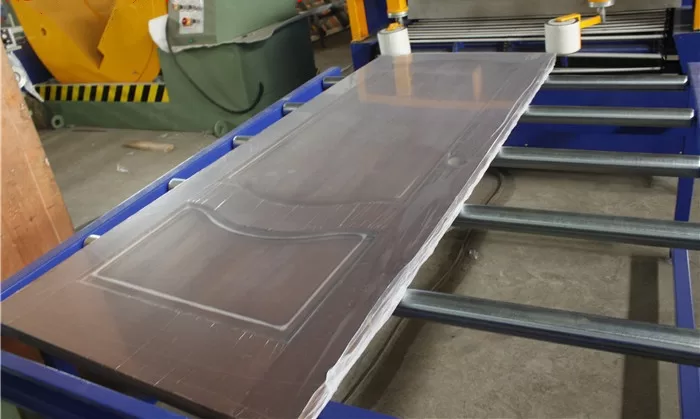
In my years working with various packing machines, I learned that product integrity is paramount. Especially for high-value items like doors, even minor damage can lead to a full return. I have seen how much money companies lose just from damaged goods. It is not just the cost of the damaged item. It is also the shipping cost for return. It is the cost of re-shipping a new item. And it is the damage to your brand’s image. Manual packing, no matter how careful, carries inherent risks. A worker might accidentally drop an edge. They might wrap too loosely. They might scuff the surface. These small errors add up. Automated systems eliminate many of these human error points. The machines are designed for precision. They use specific tensions and wrapping patterns. This ensures the door is securely and uniformly wrapped. The wrapping material is applied tightly. This protects the edges. It prevents movement during transit. This means less chance of rubbing or impact damage. When doors arrive in perfect condition, customers are happy. Happy customers lead to repeat business. They also give positive reviews. This helps attract new clients. It builds a stronger brand. Automation provides a level of protection and consistency that manual methods cannot match. It is an investment that pays for itself by reducing costly errors. It also keeps your customers satisfied. This is vital for long-term business success, especially for exporters dealing with long shipping routes.
How Automation Prevents Product Damage
| Damage Cause | Manual Packing Risk | Automated Packing Solution |
|---|---|---|
| Impact/Drops | High, manual handling errors | Minimized, controlled machine movement |
| Scratches/Scuffs | Moderate, human contact/rubbing | Low, precise material application |
| Loose Wrapping | High, inconsistent tension | Eliminated, consistent tension |
| Edge Damage | Common, unprotected edges | Prevented, secure edge wrapping |
| Product Shift | High, during transport | Minimized, tight, stable package |
Automated packaging guarantees consistent wrapping. This consistency extends the life of the product during transit. It protects against environmental factors. It ensures doors reach their destination without fault. This builds customer trust and reduces warranty claims.
Meeting Global Export Standards and Demand?
Are you struggling to keep up with the increasing demand for your products in international markets? Do strict export packaging standards seem like an endless hurdle? Manual processes often fall short. They cannot handle high volumes. They also might not meet diverse global compliance requirements. This limits your growth potential.
Automated door packing solutions help European exporters meet global demand and standards. They offer high-speed processing. They also provide consistent quality. This ensures compliance with international shipping regulations. It allows factories to scale production. This supports expansion into new markets.
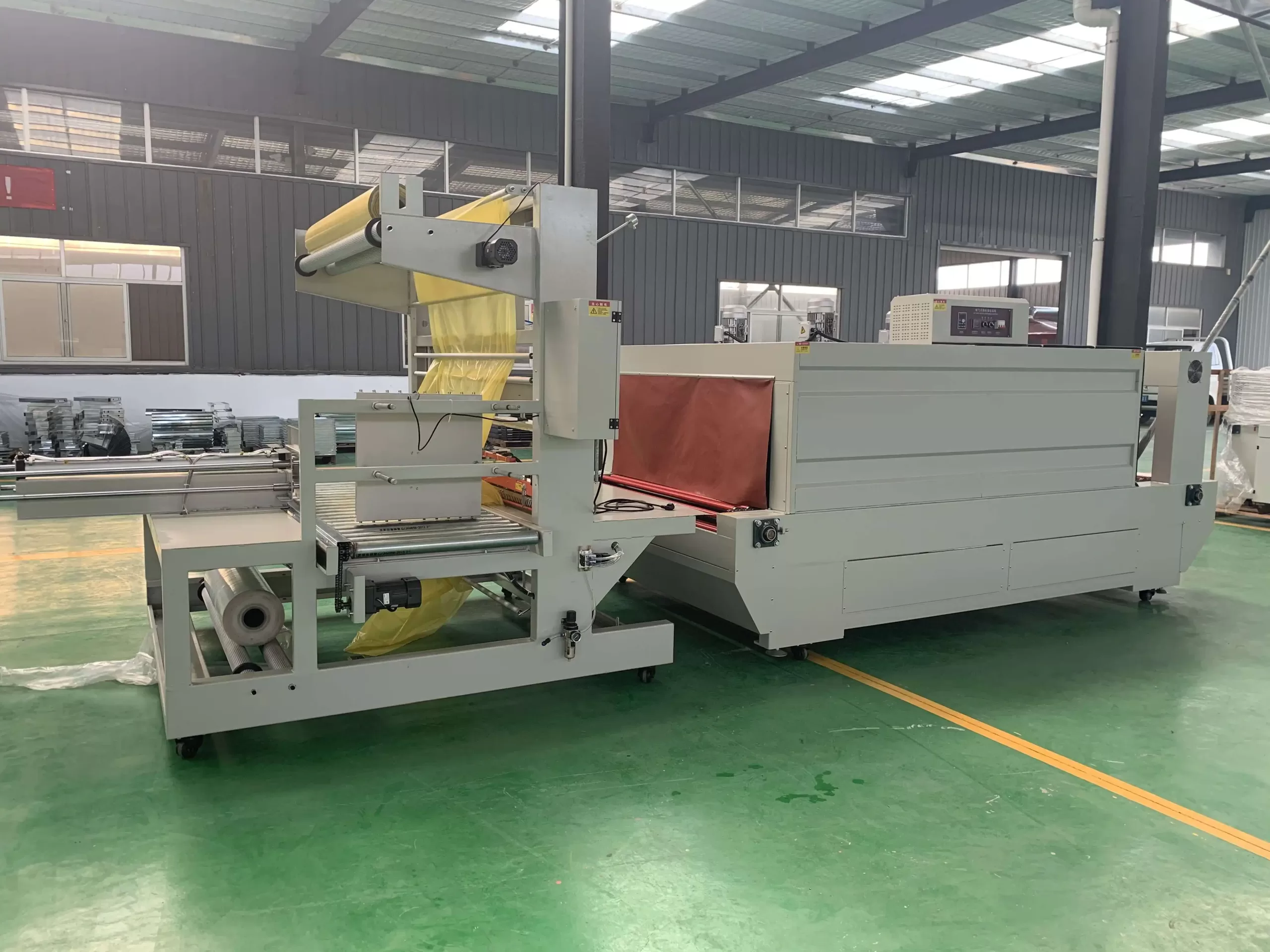
As FHOPEPACK, we often work with companies looking to expand their reach. I have seen many businesses get stuck because their packing process could not keep up. Exporting to different countries means dealing with different rules. Each market might have specific requirements for packaging. These can be about material, size, or even labeling. Manual packing makes it hard to manage these varied rules efficiently. It is prone to human error. A small mistake can lead to customs delays. It can even lead to rejection of your shipment. This costs a lot of money and hurts your reputation. Automated systems are programmed to handle these specifics. You can set them to different parameters for different orders. They ensure every package meets the required standards. This precision is vital for navigating complex international trade. Moreover, global demand for quality products is always rising. Factories need to produce more, faster. Automated packing lines are built for high volume. They can run continuously. They significantly increase throughput. This helps factories meet large orders. It also allows them to respond quickly to market changes. My experience shows that businesses with automated packing lines are more agile. They can take on bigger contracts. They can enter new countries with confidence. This opens up huge growth opportunities. It makes them truly global players. It is not just about producing a good product. It is about getting it to your customer efficiently and correctly, no matter where they are. This is where automation shines.
Key Benefits for Export Compliance and Growth
| Aspect | Manual Packing Limitations | Automated Packing Advantages |
|---|---|---|
| Volume Capacity | Limited, human labor constraint | High, continuous processing |
| Compliance | Prone to errors, inconsistent | Precise, programmable for standards |
| Speed to Market | Slow, impacts delivery times | Fast, reduces lead times |
| Market Access | Restricted by packing efficiency | Expanded, meets diverse requirements |
| Scalability | Difficult, requires more staff | Easy, adjust machine settings |
Automated packing ensures consistency in every package. This means fewer customs issues. It means faster transit times. It simplifies the export process. It allows European companies to compete more effectively on a global stage.
Achieving Cost Savings and ROI?
Are you seeking clear, measurable ways to reduce costs and boost your factory’s profitability? High labor expenses, product damage, and operational inefficiencies eat into your margins. It can be hard to see a clear path to significant financial returns on new equipment. You need solutions that truly pay for themselves.
Automated door packing solutions offer significant cost savings and a strong return on investment (ROI). They reduce labor costs. They minimize material waste. They prevent product damage. These savings, combined with increased throughput, quickly offset the initial investment. This directly boosts the factory’s overall profitability.
When I first started FHOPEPACK, my goal was always to provide solutions that truly helped businesses grow. This meant focusing on ROI. A machine is not just a cost. It is an investment. And a smart investment should pay for itself over time. For many European exporters, labor costs are a major expense. Wages are high. Benefits add to the cost. Manual packing requires many workers. Automating this process means you need fewer people for the same or even higher output. This is a direct saving on your payroll. Think about the costs associated with product damage that I mentioned earlier. Every damaged door is a loss. Automated systems drastically reduce this. This means fewer scrapped products. It means fewer returns. These are all direct savings. Then there is material efficiency. Automated machines use packing materials very precisely. They do not waste film or strapping. This also adds up to significant savings over time. I have seen factories recover their investment in just a few years. Sometimes even faster. It depends on their volume and their current inefficiencies. Beyond the direct savings, there are indirect benefits. Increased speed means you can take on more orders. More orders mean more revenue. Reduced errors mean happier customers. Happy customers are repeat customers. They also recommend you. This leads to more sales without extra marketing costs. It is about building a sustainable and profitable business model. For Michael Chen, a factory manager looking for clear ROI, this is key. He needs to justify every investment. Automated packing solutions offer a very clear path to financial benefits. They are not just nice to have. They are essential for long-term competitiveness and profit.
Financial Benefits of Automated Door Packing
| Cost Category | Manual Packing Impact | Automated Packing Savings |
|---|---|---|
| Labor Costs | High, multiple workers needed | Reduced, fewer operators |
| Material Waste | Higher, inconsistent usage | Lower, precise application |
| Product Damage | High, returns & rework costs | Significantly reduced |
| Insurance Premiums | Potentially higher, injuries | Lower, improved safety record |
| Overtime Pay | Common, due to bottlenecks | Reduced, efficient workflow |
These combined savings create a strong financial argument for automation. The initial investment might seem large. However, the long-term benefits in reduced costs and increased revenue provide a clear and compelling return. It truly empowers businesses to grow and thrive.
Conclusion
Automated door packing is transforming European exports. It delivers crucial gains in efficiency, safety, and cost reduction. This strategic shift helps businesses meet global demands and secure a profitable future.








