
Why Are Canada Exporters Switching to Automated Door Packing Solutions?
Canada’s export market keeps growing. But many businesses still use old packing methods. These ways are slow. They often cause problems. Are you feeling this pressure? Are your packing lines slowing down your whole operation?
Automated door packing is the clear answer for many. It helps Canadian exporters ship more. It lowers their costs. It makes their workers much safer. This is why more and more Canadian companies are making this important change. Now is a great time to understand this shift.
Many factory managers, just like Michael, are always looking for better ways. They want to grow their business. They want to avoid common production issues. Let’s explore why this move to automation is so important for their future.
Are Manual Packing Methods Holding Canada Exporters Back?
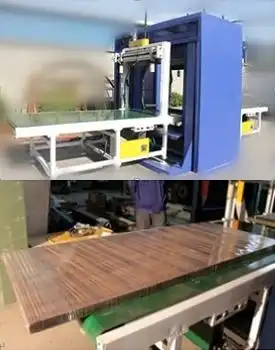
Hand packing doors takes a lot of time. It needs many workers. This often slows down the whole factory. Does this sound like a problem you face every day? Do you see your packing line as a bottleneck?
Manual door packing is simply slow. It creates big bottlenecks at the end of the production line. This stops fast delivery. It greatly hurts the overall production speed for Canadian exporters.
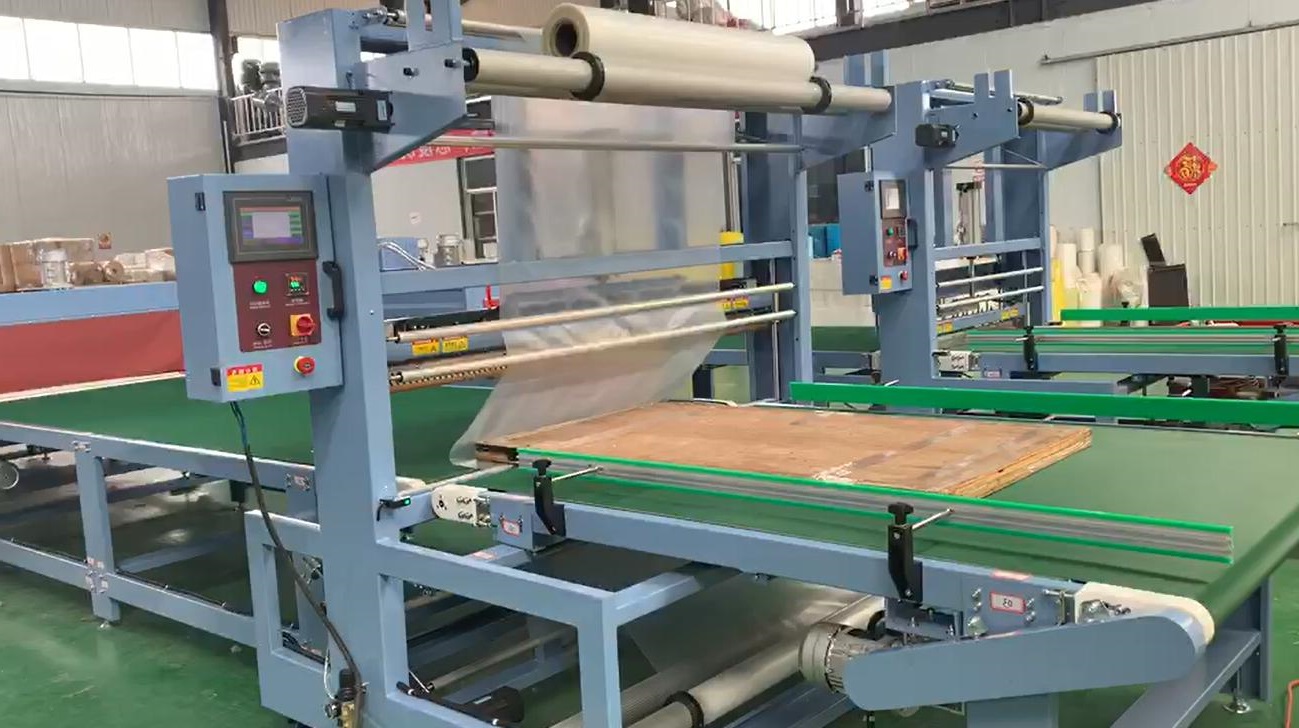
In my experience, many factories, especially those dealing with large items like doors, hit a wall with manual processes. They invest heavily in efficient production up to the packing stage. Then, everything slows down. This is the “efficiency bottleneck” that Michael faces in his own factory. He relies on many workers to handle heavy items. This makes his whole process slow and inefficient. This directly impacts how fast he can produce and deliver goods.
Think about it:
- Slow Speed: Human hands can only work so fast. Machines work at a constant, high speed. They do not get tired. They do not need breaks. This difference means a lot for total output.
- High Labor Costs: Manual packing needs many people. These people need wages and benefits. Over time, these costs add up. They become a big expense. An automated system needs fewer people to operate it. It saves money in the long run.
- Inconsistent Output: Manual packing can be inconsistent. One worker might pack faster than another. The quality of the pack might also change. Machines offer consistent output every time. This means stable quality and predictable production.
I remember helping a client who made large panels. Their goal was to double their output. They had new machines for cutting and shaping. But their packing line was still all manual. It was clear that the packing was the main problem. We looked at their process. We saw how much time workers spent moving items. We saw how long it took to wrap each piece. By putting in an automated system, they cut packing time in half. They used fewer workers on that line. This freed up their team for other tasks. It let them meet their goal of higher output. Automated door packing systems bring predictability. They bring speed. They make production flow much smoother from start to finish. This is vital for any exporter in Canada trying to compete globally.
Can Automated Systems Truly Enhance Worker Safety in Door Manufacturing?
Moving heavy doors by hand is dangerous work. Workers can get serious injuries. This means high insurance costs for businesses. It also means staff leaving their jobs. Are you truly worried about your team’s safety? Do you want to create a safer place to work?
Automated door packing systems make workplaces much safer. They remove the need for workers to lift heavy items by hand. This greatly lowers the risk of injuries. It protects the valuable people who work for Canadian businesses.
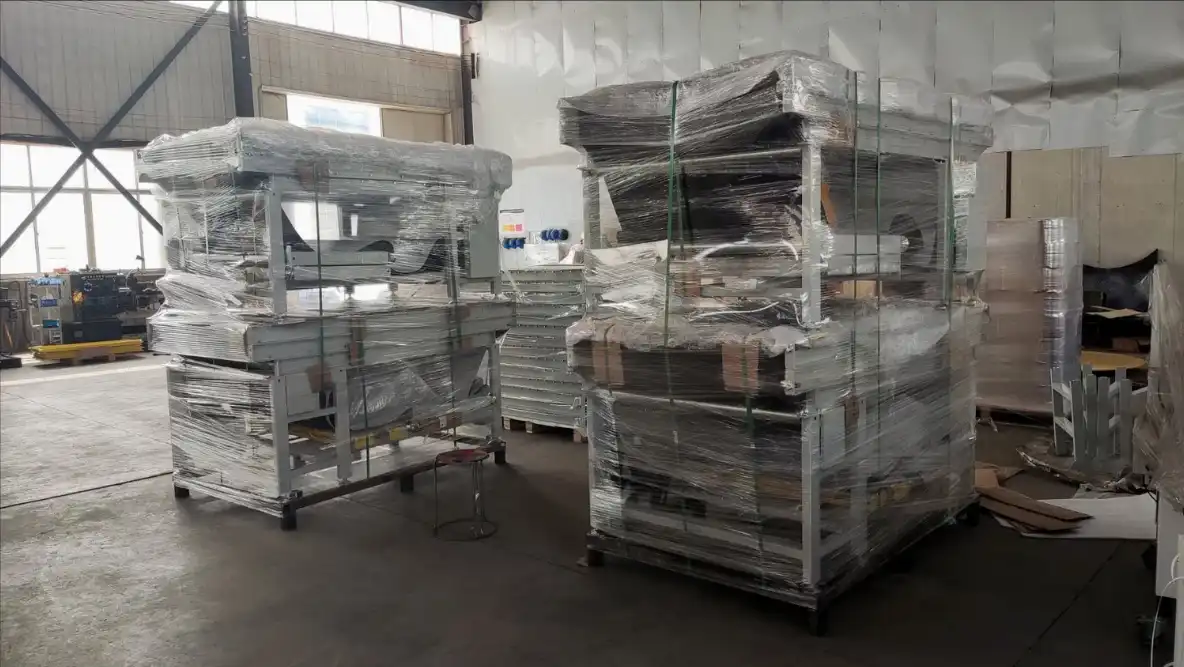
Worker safety is not just a good idea. It is a must. Michael knows this well. He faces high risks every day because his workers move heavy items by hand. This leads to many workplace injuries. These injuries increase his insurance costs. They also cause high employee turnover. This means he has to spend more time and money hiring new people and training them. These are real problems that automated systems can solve.
Let’s look at the direct safety benefits:
- Eliminates Manual Lifting: Doors are heavy. Lifting them manually can lead to back injuries. It can cause muscle strains. It can even cause falls. Automated systems lift and move doors using strong mechanical arms or conveyors. This takes the physical strain off workers. It removes the risk of lifting injuries completely.
- Reduces Repetitive Motions: Packing doors by hand often involves repeated movements. These can lead to carpal tunnel syndrome or other repetitive strain injuries over time. Machines do the same task over and over without any strain. This protects workers from long-term health problems.
- Fewer Accidents: When workers handle large, heavy items, there is always a risk of dropping things. They can crush fingers. They can break bones. Machines handle items with precision. They reduce the chance of such accidents. This makes the work area much safer.
- Lower Insurance Costs: Fewer injuries mean fewer claims. This directly leads to lower insurance premiums for the company. This is a clear financial benefit. It also shows a strong commitment to employee well-being.
When I started FHOPEPACK, I knew safety had to be a top priority. I saw too many injuries in factories. Many managers are like Michael. They want their workers safe. They need solutions that truly work. Automated door packing systems are not just about speed. They are also about making the workplace fundamentally safer. They help companies meet safety rules. They also create a better environment for every employee. This improved safety leads to a more stable workforce. It also leads to higher morale. This is a win-win situation for any Canadian exporter.
Is Investing in Door Packing Automation a Cost-Effective Strategy for Canadian Businesses?
Every business wants to save money. They want to make more profit. But is buying new machines truly worth the cost? Are you unsure about the return on investment (ROI)? Do you wonder if this big change will pay off?
Investing in automated door packing machines saves money over time. It cuts labor costs significantly. It greatly reduces product damage. This leads to higher profits. It also shows a clear, measurable return on investment for Canadian businesses.
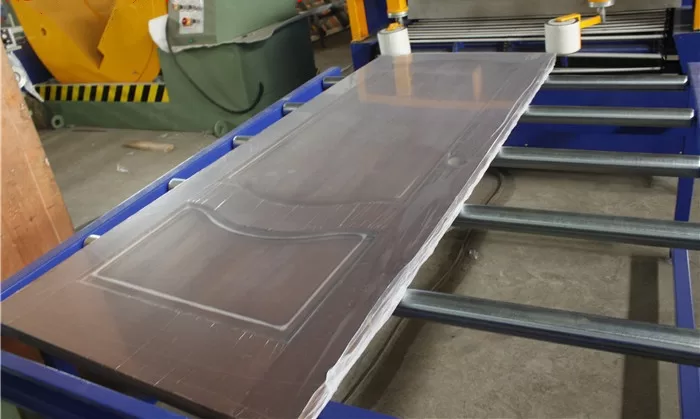
Michael’s main goal is to reduce costs and boost efficiency. He wants clear ROI from any investment. He knows that every dollar counts. Automation might seem like a big upfront cost. But when you look closely, the savings and benefits quickly add up. This makes it a very smart business decision for Canadian exporters.
Let’s break down the financial benefits:
- Reduced Labor Expenses: As discussed, manual packing needs many workers. These workers represent a large ongoing cost. An automated system can do the work of several people. This means you can use your workers in other parts of the factory. You can also reduce overall staff numbers in the packing area. This leads to significant long-term savings.
- Less Product Damage: In manual packing, items like door edges can get damaged. This happens during handling or while wrapping. Damaged products mean customer complaints. They mean returns. They mean lost profits. Automated systems handle products gently and precisely. They ensure products are packed perfectly every time. This greatly reduces damage and waste. It protects your profit margins.
- Increased Throughput Means More Sales: A faster packing line means you can produce and ship more products. This directly leads to more sales. It means you can take on bigger orders. It means you can meet tighter deadlines. This growth in sales revenue quickly offsets the machine’s cost.
- Lower Material Costs: Automated machines often use packing materials more efficiently. They can use less film or strapping while still ensuring a secure pack. This small saving on materials for each unit adds up to big savings over thousands of units.
- Reduced Insurance Costs: Fewer worker injuries, as mentioned before, lead to lower workers’ compensation claims. This translates to lower insurance premiums. This is a direct saving for the company’s bottom line.
My own journey started in a packing machine factory. I saw how smart investments in machines could change a business. I saw clients achieve financial growth. They reached new levels of success. This happened because they understood the long-term value. They knew that a machine is not just an expense. It is an asset. It helps you grow. For Canadian exporters, the investment in automated door packing is not just a cost. It is a path to greater profitability and stronger market position. It is about making your money work harder for you.
My Insights: What I’ve Learned About Building Trust and Delivering Solutions?
Many suppliers only want to sell a machine. After the sale, they disappear. They do not offer good after-sales service. Have you felt let down by partners in the past? Do you find it hard to trust new equipment vendors?
Building true trust with clients means more than just selling machines. It means deeply understanding their problems. It means offering real, lasting solutions. It means being a true, dedicated partner. This is what FHOPEPACK stands for.
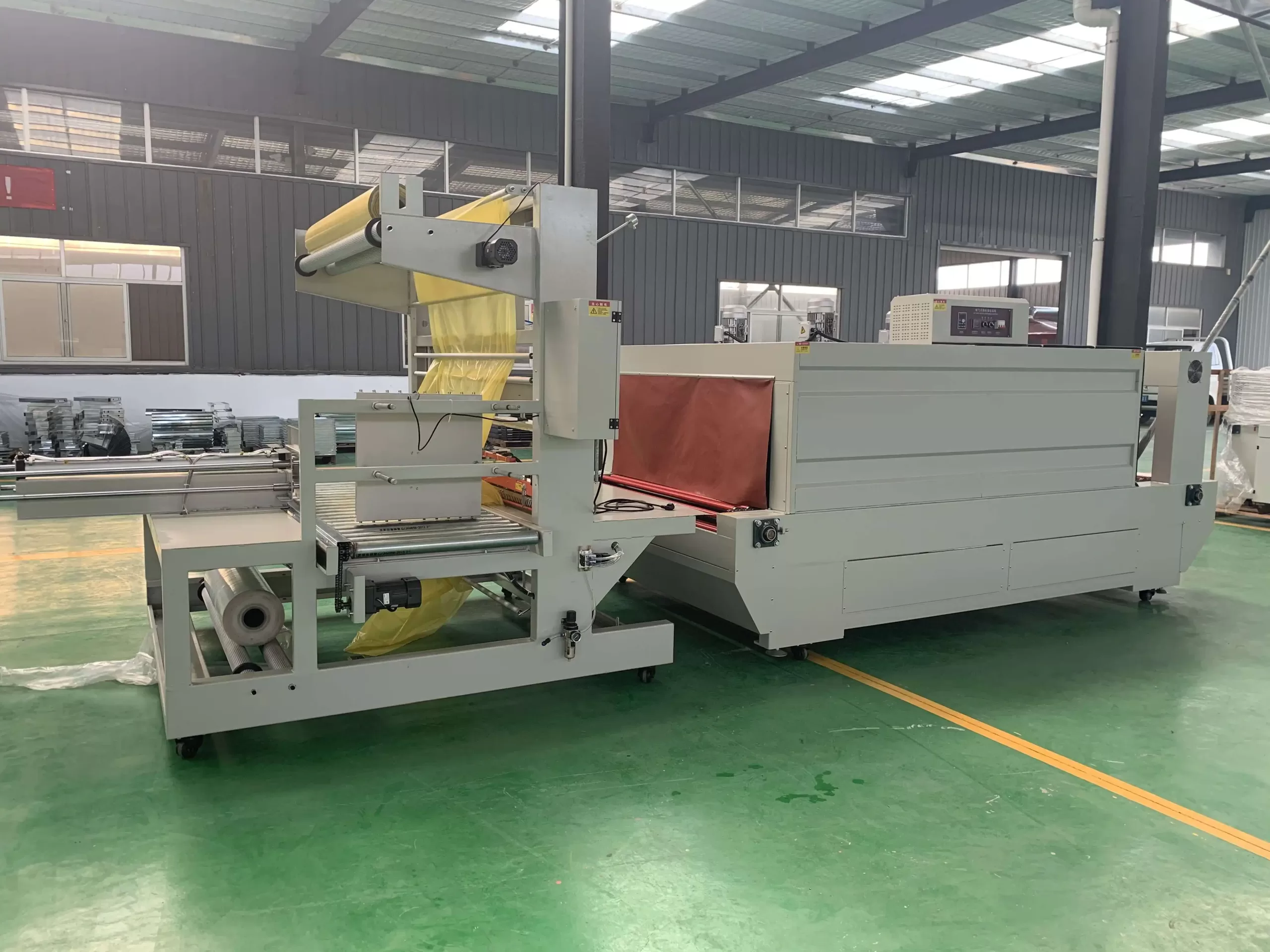
Michael’s past experiences with suppliers have made him careful. He met vendors who cared only about making a sale. They did not provide good support afterward. This is a common “supplier trust crisis” in our industry. But my philosophy at FHOPEPACK is different. I believe in giving back. I believe in sharing knowledge. This comes from my own journey. I started as an employee. I worked hard. I built my own successful factory. I saw firsthand what works. I saw what truly helps businesses grow.
Here is what I have learned about building lasting partnerships:
- Listen to the Client: The first step is always to listen. Understand their specific challenges. Michael talks about efficiency bottlenecks, safety concerns, and product damage. These are not just technical issues. They are business problems. A good partner listens to these details. They do not just push a product.
- Offer Real Expertise: It is not enough to know about machines. You must know the industry. You must understand production flows. You must know what causes the problems. My background in building a packing machine factory means I have faced these same issues. I can offer insights that only come from hands-on experience. I can help predict problems. I can suggest solutions that work in the real world.
- Focus on Solutions, Not Just Sales: We do not just sell machines. We provide solutions. This means looking at the whole packing process. It means finding the right machine for their specific need. It means making sure the machine integrates well into their existing lines. This focus ensures the investment truly solves their problems. It helps them meet their goals.
- Provide Strong After-Sales Support: A machine is an investment. It needs ongoing support. This includes installation help. It includes training. It includes maintenance and parts. Good support builds trust. It ensures the machine works well for many years. It shows you care about their success beyond the sale.
- Share Knowledge Freely: This is why I started FHOPEPACK as a knowledge-sharing platform. I want to make mold knowledge, and by extension, packing machine knowledge, easy for everyone to get. My goal is to help others succeed. This is what I learned from my own journey. When I helped clients grow their businesses, it brought me great satisfaction. It is about giving back to the industry that gave me so much.
For Canadian exporters looking for automated door packing solutions, this approach is key. They need someone who understands their pressures. They need someone who has walked in their shoes. They need a partner like FHOPEPACK. We want to help you make smart choices. We want to ensure your investment truly boosts your business. We are not just a vendor. We are your experts. We are here to help you master your packing challenges.
Conclusion
Automated door packing makes Canadian exporters faster, safer, and more profitable. Investing in these systems addresses core challenges like those Michael faces. It is a smart move for future growth and success.








