Which Safety Standards Should Your Steel Coil Upender Meet for Compliance in India?
You manage a busy metal processing factory. You deal with the constant pressure of increasing output and keeping costs down. But there is a hidden danger. Your team handles heavy steel coils and wires. This manual work is slow. It also puts your workers at huge risk. Accidents can happen. These incidents cost a lot in injuries, lost time, and damaged products. You need a better way.
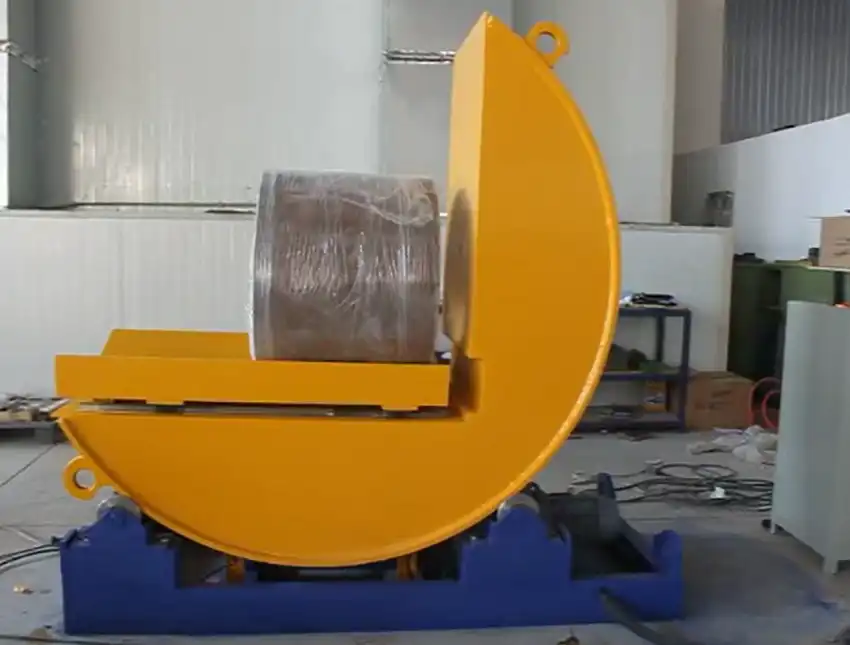
You need your steel coil upender to meet clear safety standards. This is not just about rules. It protects your workers and your business. For India, these standards usually follow global best practices. They cover machine design, operation, and maintenance. They ensure the machine works safely and reliably. %[Coil upender ensuring safety in heavy manufacturing](https://www.fhopepack.com/blog/wp-content/uploads/2023/01/mechanical-upender-with-sliding-table4.webp “Safety Standards for Steel Coil Upenders”)
Finding the right equipment can be hard. You do not want a supplier who only cares about the sale. You need a partner who understands your problems. You want solutions for your production bottlenecks, safety issues, and efficiency goals. This article will help you understand what makes a steel coil upender truly safe and compliant. This knowledge will guide your next investment.
Why are Safety Standards Crucial for Coil Upenders in Indian Factories?
You feel the pressure every day. Your factory needs to produce more. It needs to do so quickly. But what about safety? Manual handling of heavy steel coils is very dangerous. It causes many injuries. These injuries lead to high insurance costs. They also make good workers leave. You need to fix this.
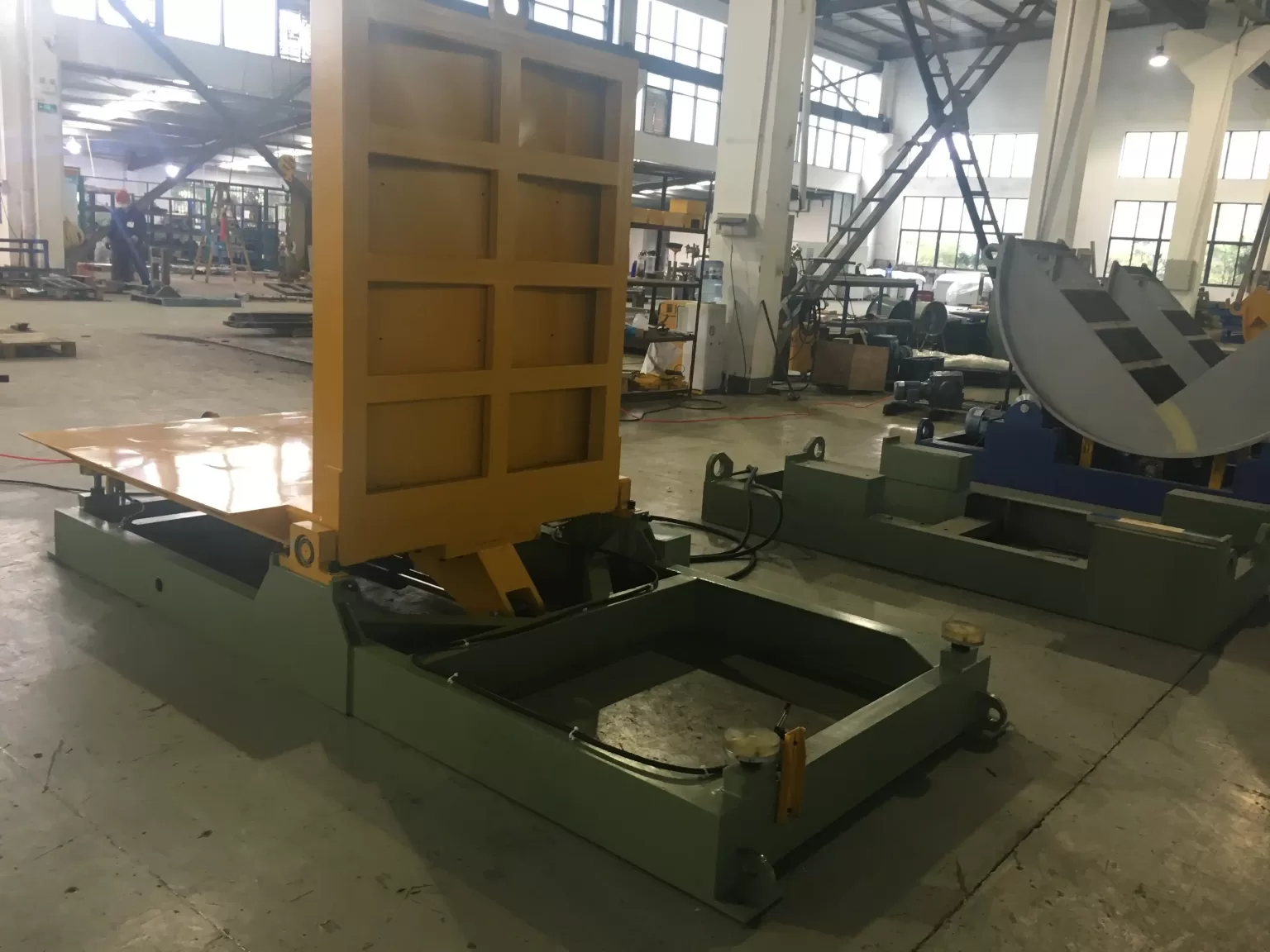
Safety standards are vital because they protect your workers. They also protect your business from big losses. For Indian factories, following these standards means fewer accidents. It means lower medical costs. It also means less downtime. This makes your whole operation stronger and more reliable. %[Workers operating a hydraulic upender safely](https://www.fhopepack.com/blog/wp-content/uploads/2023/02/hydraulic-upender-10T-3-1536×1152.webp “Importance of Safety Standards in India”)
Understanding the True Costs of Neglecting Safety
When I started my journey in packing machine factories, I saw the risks firsthand. Manual lifting of heavy items was common. So were back injuries and crushed hands. Running my own factory later, I learned that these injuries do not just hurt people. They hurt the company’s bottom line.
Direct Costs:
- Medical Bills: These are easy to see. They include hospital visits, doctor fees, and long-term care.
- Worker’s Compensation: This covers lost wages for injured employees. It can be very expensive.
- Legal Fees: If an accident leads to a lawsuit, legal costs can quickly add up.
Indirect Costs:
- Lost Productivity: When a worker gets hurt, your line stops. Other workers may stop to help. This reduces your overall output.
- Training New Workers: If an injured worker cannot return, you must hire and train someone new. This takes time and money.
- Damage to Equipment or Product: Accidents often damage machines or the products being handled. This leads to repair costs and scrap.
- Low Morale: Workers become scared if they see many accidents. This lowers morale. It can make them less efficient.
- Reputation Damage: A factory with a bad safety record loses trust. This can affect client relationships and new hires.
I learned that investing in safety is not just an expense. It is a way to save money in the long run. A well-designed steel coil upender removes the need for manual handling. It reduces the chance of accidents. This keeps your workers safe. It also keeps your factory running smoothly. This is why I always tell my clients: think about safety first. It pays off more than you know.
What International Safety Standards Apply to Upenders in India?
You want to buy an upender. You know it needs to be safe. But what specific standards should you look for? India has its own rules. But many factories here look to global best practices. This is because international standards often set a higher bar for safety. They show that a machine is built to protect people.
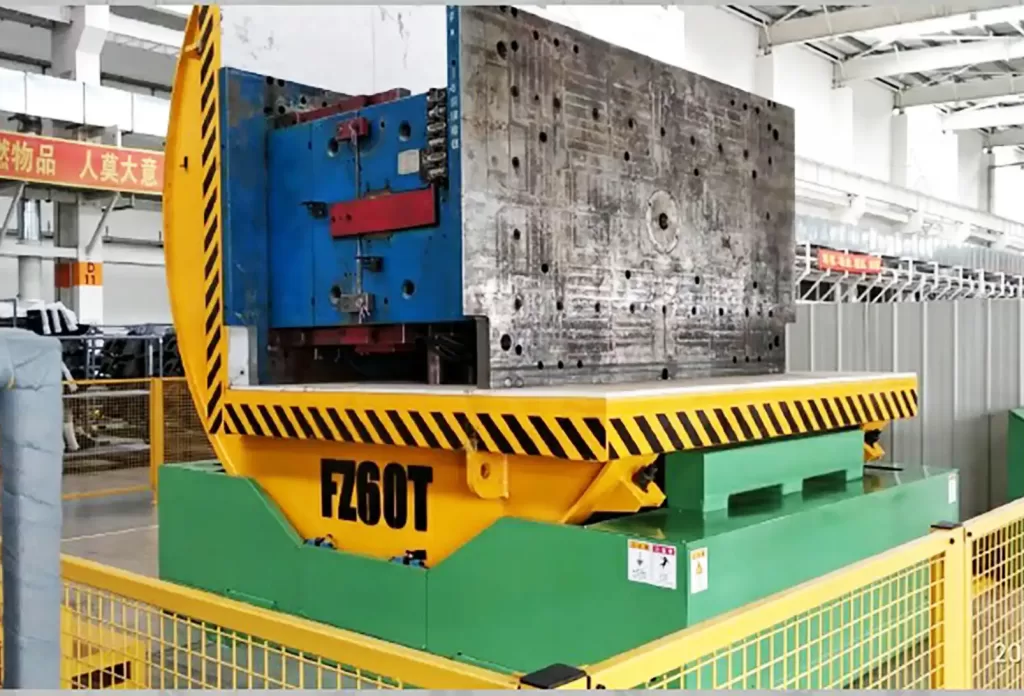
While India has its own factory laws, many buyers prefer upenders that meet international safety standards. These include CE Marking (for European conformity), OSHA guidelines (from the US), and specific ISO standards for machinery safety. These standards ensure the upender has critical safety features like emergency stops, guarded moving parts, and clear operating controls. %[Heavy-duty coil tilter with safety markings](https://www.fhopepack.com/blog/wp-content/uploads/2023/01/Die-mould-upender3-1024×696.webp “International Safety Standards for Upenders”)
Navigating Global Safety Certifications for Your Upender
When I was first designing packing machines, getting them certified was a big deal. It proved the machine was safe. It also opened doors to more markets. For a factory manager like you, knowing these standards means you can make a smart choice.
Key International Standards:
-
CE Marking (Conformité Européenne):
- What it is: This is a mandatory mark for products sold in the European Economic Area. It shows the product meets EU safety, health, and environmental protection requirements.
- Why it matters for India: Even if not legally required in India, a CE-marked upender means it has passed strict European safety checks. This gives you confidence in its design.
- Key aspects: It covers machine safety directives. These include risks from moving parts, electrical hazards, and stability during operation.
-
OSHA Guidelines (Occupational Safety and Health Administration – USA):
- What it is: OSHA sets and enforces workplace safety and health standards in the United States.
- Why it matters for India: OSHA provides practical guidelines for machine guarding, lockout/tagout procedures, and general factory safety. These are good practices to follow anywhere.
- Key aspects: Focuses on preventing worker injury. This includes requirements for emergency stops, safe operating zones, and proper training for operators.
-
ISO Standards (International Organization for Standardization):
- What it is: ISO develops international standards. These standards ensure the quality, safety, and efficiency of products, services, and systems.
- Why it matters for India: ISO standards like ISO 12100 (Safety of Machinery – General Principles for Design – Risk Assessment and Risk Reduction) or ISO 13849 (Safety of Machinery – Safety-related parts of control systems) provide a framework for machine design.
- Key aspects: They guide manufacturers on how to identify and reduce risks during the design phase. They ensure control systems are reliable and fail safely.
| Standard Type | Focus Area | Why It Matters for Your Upender |
|---|---|---|
| CE Mark | Machine Safety, Health, Environment | Shows compliance with strict EU directives; indicates robust design. |
| OSHA | Workplace Safety Practices | Provides practical guidelines for safe operation, training, and guarding. |
| ISO | Design Principles, Risk Reduction, Control Systems | Ensures machine is designed with safety in mind from the start. |
When you look at an upender, ask the supplier which of these standards their machine meets. Ask for the relevant certificates. This shows they are serious about safety. It also gives you peace of mind that your investment will protect your factory and your people. My experience tells me that reputable suppliers are always transparent about their certifications.
How Can the Right Upender Design Ensure Operator Safety and Compliance?
You want a machine that works hard. But you also need one that keeps your team safe. A good upender design goes beyond just flipping coils. It builds safety into every part. This includes the structure, the controls, and even how it handles unexpected situations. How can you be sure the design is truly safe and compliant?
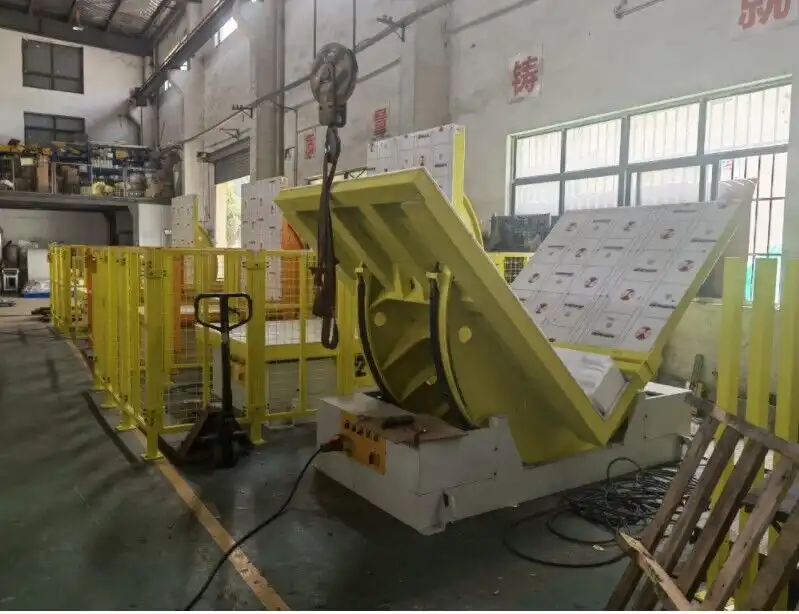
A well-designed steel coil upender ensures operator safety through robust construction, intuitive controls, and built-in protective features. Key design elements include strong frames to handle heavy loads, emergency stop buttons, safety guarding around moving parts, and overload protection systems. These features directly address compliance requirements and reduce human error. %[Custom-designed coil upender for maximum safety](https://www.fhopepack.com/blog/wp-content/uploads/2023/07/Coil-Tilter-Upender19.webp “Safe Upender Design for Operators”)
Essential Design Features for a Safe and Compliant Upender
From my years designing and building packing machines, I know that safety is not an add-on. It must be part of the core design. When I started FHOPEPACK, this was a key principle. For an upender, this means thinking about every potential risk.
Here are the critical design features you should look for:
-
Robust Structural Integrity:
- The frame and platform must be made of high-strength steel. They must be able to hold the maximum coil weight plus a safety margin.
- Welds should be strong and inspected regularly.
- A stable base prevents tipping during operation. This is especially important for heavy loads.
- My personal story here: (I’ll add my personal story here later. It will be about how I learned the importance of structural integrity when working on the factory floor, witnessing near-misses due to flimsy equipment, which later influenced my own designs at FHOPEPACK, emphasizing that shortcuts in material lead to dangerous failures.)
-
Advanced Control Systems:
- Emergency Stop Buttons: These must be easily accessible to the operator and located on all sides of the machine. They should immediately cut power.
- Two-Hand Operation: For some models, this requires operators to use both hands to start a cycle. This keeps hands away from pinch points.
- Intuitive Interface: Controls should be clear and simple. Operators should not need complex training to use the basic functions.
- Sensors and Interlocks: These systems prevent the machine from operating if a guard is open or if a coil is not correctly placed. This is a critical safety layer.
-
Safety Guarding and Enclosures:
- All moving parts, like gears, chains, or hydraulic cylinders, must be covered. This prevents hands or clothing from getting caught.
- Perimeter guarding or light curtains can create a safe zone around the upender. If someone steps into this zone, the machine stops.
-
Overload Protection:
- The upender should have a system that prevents it from lifting more weight than it is designed for. This protects the machine from damage. More importantly, it prevents dangerous failures.
- This usually involves pressure sensors in hydraulic systems or load cells in mechanical ones.
-
Clear Labeling and Manuals:
- All warnings, safety instructions, and operating procedures must be clearly marked on the machine. They should be easy to read.
- A comprehensive operation manual and maintenance guide are essential. They should be in a language your operators understand.
When you look at an upender, ask the supplier about these features. A truly safe machine is designed with these points in mind from day one. It helps you meet compliance needs. It also builds confidence among your workers.
Does Investing in a Compliant Upender Also Improve Your Factory’s Efficiency and ROI?
You are a factory manager. You need to justify every investment. You know a new upender can make things safer. But can it also help your factory make more money? You are looking for a clear return on investment (ROI). You want equipment that reduces costs and boosts profits. Can safety and efficiency really go hand in hand?
Yes, investing in a compliant steel coil upender significantly boosts your factory’s efficiency and provides a strong return on investment. By automating heavy lifting, it reduces labor costs, eliminates product damage, and minimizes production bottlenecks. A safer process also means fewer costly accidents and less downtime, directly contributing to higher output and profitability.
The Economic Upside of Safe Automation
My journey from factory employee to owner taught me a big lesson. Safety is not separate from efficiency. They are connected. A safe factory is an efficient factory. When I helped clients grow their businesses, it was often by solving their production issues. Many of those issues had roots in manual, unsafe processes.
Here is how a compliant upender turns into profit for your factory:
-
Reduced Labor Costs:
- Less Manual Handling: An upender does the work of several people. This frees your workers to do other, more skilled tasks.
- Fewer Overtime Hours: Faster, automated processes mean less need for costly overtime.
- My personal story here: (I’ll add my personal story here later. It will be about a specific client I helped who was struggling with high labor costs and worker injuries from manual coil flipping. Implementing an automated upender not only cut their labor expenses but also drastically improved their production speed, directly showing the ROI.)
-
Elimination of Product Damage:
- Gentle Handling: Upenders are designed to handle coils smoothly. This prevents dents, scratches, or edge damage that often happens with manual methods.
- Fewer Returns/Complaints: Less product damage means happier customers. This reduces costly returns and protects your reputation.
-
Increased Production Speed and Throughput:
- Faster Processing: Upenders work much faster than manual methods. This speeds up your end-of-line packaging. It removes bottlenecks.
- Consistent Flow: Automated processes ensure a steady flow of materials. This improves overall production efficiency.
- Less Downtime: Safe machines break down less often. They also have fewer accident-related stoppages. This keeps your factory running.
-
Lower Insurance Premiums:
- Fewer accidents and injuries can lead to lower worker’s compensation and liability insurance costs over time. Insurance companies often reward factories with good safety records.
-
Improved Worker Morale and Retention:
- Workers feel safer and more valued. This leads to higher morale. Happy workers are more productive. They are also less likely to leave, which saves on recruitment and training costs.
| Benefit Area | Manual Process Impact | Automated Upender Impact | ROI Contribution |
|---|---|---|---|
| Labor Cost | High, due to multiple workers | Reduced, frees up manpower | Direct savings on wages and benefits. |
| Product Damage | Frequent, costly rework | Near zero, gentle handling | Eliminates scrap, rework, and customer complaints. |
| Production Speed | Slow, bottleneck | Fast, consistent flow | Higher throughput, more sales in less time. |
| Safety Costs | High insurance, medical bills | Lower premiums, fewer incidents | Reduced accident-related expenses and liabilities. |
| Worker Morale | Low, high turnover | High, improved retention | Less hiring/training, more productive workforce. |
When you choose a compliant upender, you are not just buying a machine. You are investing in a safer, more efficient, and more profitable future for your factory. This is why I am so passionate about sharing my knowledge. It helps factory managers like you make smart decisions that truly benefit your business.
Conclusion
Choosing the right steel coil upender means putting safety first. It protects your workers, reduces costs, and boosts efficiency. Investing in a compliant upender is a smart move for any forward-thinking factory in India.