
Which Safety Standards Govern Coil Upender Use under Argentine Regulations?
Have you ever worried about a major safety incident on your factory floor? The kind of accident that could halt production, injure workers, and cost you dearly in fines and reputation? If you run a metal processing plant, like many of my clients, you know the daily pressure of keeping things moving, hitting production targets, and, most importantly, keeping everyone safe. Manual handling of heavy steel coils or wire often creates dangerous situations. It slows you down. It puts your team at risk. This is a problem many factory managers face.
When it comes to using equipment like coil upenders in a place like Argentina, specific safety standards are not just suggestions. They are rules. These rules protect your workers. They protect your business. Argentina, like many countries, has laws for industrial safety. These laws cover how heavy machinery must operate. They also say how workers must use this equipment safely. Knowing these rules is the first step to avoiding problems. It helps you keep your operations smooth and compliant.
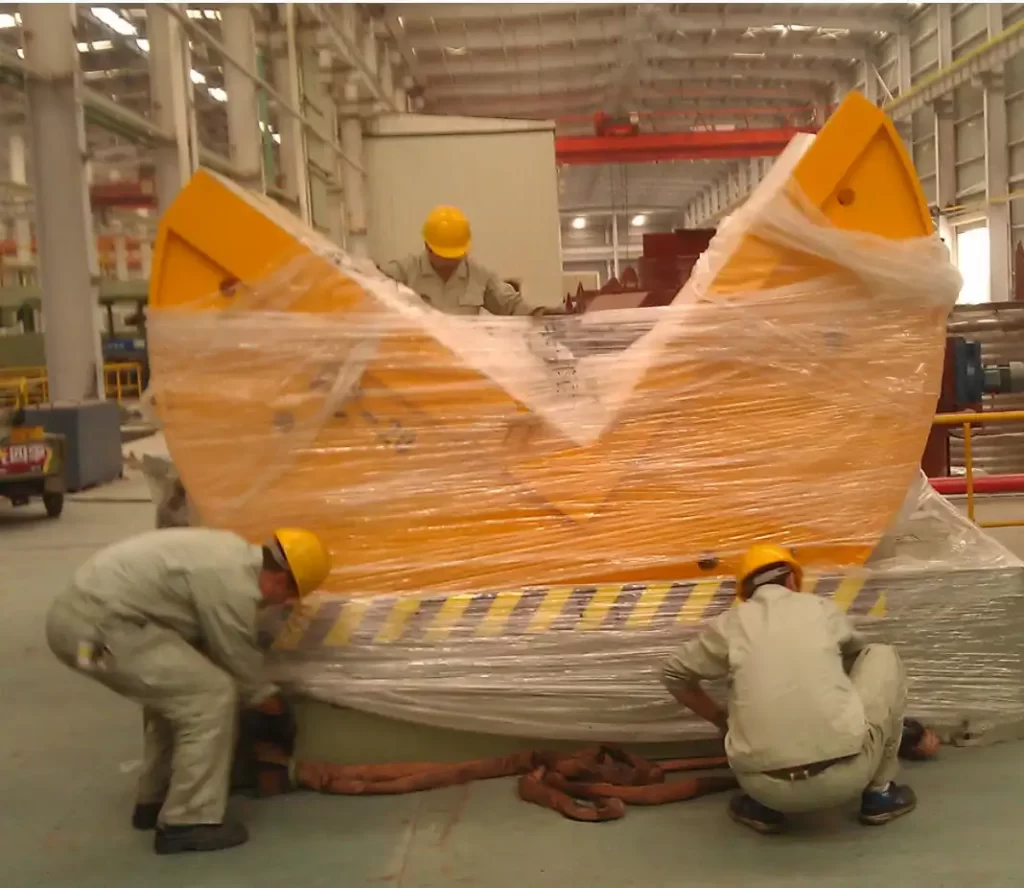
This is not just about avoiding fines. It is about building a strong, safe, and efficient factory. Understanding these standards lets you make smart choices. It lets you invest in the right equipment. It also helps you train your team properly. We are going to look closely at the safety rules for coil upenders in Argentina. We will explore how these rules help you. We will also talk about how you can make your factory a safer, more productive place.
Why Do Safety Standards Matter for Coil Upenders So Much?
Do you ever think about the real cost of an accident in your factory? It is not just the medical bills. It is also lost production time. It is damage to your equipment. It is the stress on your team. For many factory managers, dealing with heavy items like steel coils or wire involves significant risks. Manually flipping or moving these massive loads is a huge safety concern. This is a major challenge.
Coil upenders are powerful machines. They handle extremely heavy loads. Because of this, they pose specific risks if not used or maintained correctly. Accidents with this type of equipment can be severe. They can cause serious injuries. They can even cause fatalities. This is why strict safety standards are essential. These standards are not there to make your life harder. They are there to save lives. They are there to protect your investment. They help you avoid legal issues.

I have seen firsthand how much a single accident can impact a factory. When I started FHOPEPACK, after years of working in and then building my own packing machine factory, I knew that safety had to be a top priority. My goal was to create equipment that not only worked well but also kept people safe. I believe that safety standards give us a clear path. They help us design better machines. They help us use them the right way. They are a foundation for reliable operations. Without them, you are taking a huge gamble. You are putting your people at risk. You are putting your business at risk. These standards provide a framework. They ensure that equipment is built with safety in mind. They also ensure that operators are protected during daily use. Think about the impact of a steel coil falling. This can be devastating. Proper guarding, clear operating procedures, and emergency stops are all defined by safety standards. They turn a potentially dangerous machine into a controllable, productive asset. Adhering to these rules also helps build trust. Your workers trust that you care about their well-being. Your clients trust that your products are made in a responsible way. This trust is invaluable for any business. It leads to lower insurance costs. It also leads to a more stable workforce. This stability is key to consistent production and growth. Ignoring these standards is not an option for any serious operation. It is a fundamental part of running a successful factory.
What Argentine Regulations Cover Heavy Industrial Machinery?
Are you sure your factory equipment follows all the local laws? Many factory managers, especially those dealing with heavy machinery, worry about compliance. Argentina has its own set of rules. These rules aim to protect workers. They also aim to ensure safe work environments. This is a common challenge for businesses operating there.
In Argentina, the primary legal framework for workplace safety is Law No. 19,587 on Occupational Hygiene and Safety. This law sets general principles. It requires employers to provide a safe and healthy work environment. Decree No. 351/79 regulates this law. It provides detailed rules for various aspects of workplace safety. This includes machinery and equipment. It also includes electrical installations. It covers personal protective equipment. These regulations apply to all industrial settings. This means they apply to factories using coil upenders.

When I was building my packing machine factory, I learned that understanding local regulations is non-negotiable. We had to make sure every piece of equipment, from simple conveyors to complex wrapping machines, met specific safety codes. For coil upenders in Argentina, Decree No. 351/79 is very important. It has chapters that talk about general safety conditions. It also has chapters on industrial machinery. For example, Article 42 requires that machines must have protective devices. These devices prevent contact with moving parts. They also stop the machine if a danger occurs. Article 43 states that machines must be stable. They must not tip over. This is very relevant for heavy equipment like coil upenders. The decree also covers electrical installations in Chapter 13. It demands that all electrical systems must be safe. They must prevent shocks or fires. This is crucial for powered coil upenders. Furthermore, Chapter 15 covers lifting and transport equipment. While it does not specifically name “coil upenders,” it sets general rules for handling heavy loads. It states that lifting equipment must be strong enough. It must be maintained regularly. It must have safety devices to prevent overload. These requirements are very important for any coil upender. They must be designed for the specific weight of the coils. They must have clear load limits. Operators also need training. Decree No. 351/79 also highlights the need for emergency stop buttons. It talks about clear warning labels. It discusses proper lighting in the work area. All these elements contribute to a safe operation for a coil upender. Employers must also perform risk assessments. They need to identify hazards. Then, they must implement measures to control these hazards. This includes the process of loading and unloading coils. It includes the movement of coils. Ignoring these rules can lead to serious legal consequences. It can also lead to fines and operational shutdowns. It is always a good idea to consult with local Argentine safety experts. They can ensure your specific setup fully complies with all current regulations. This proactive approach saves trouble later. It helps you keep your factory running safely and legally.
How Can You Make Sure Your Coil Upender Follows Safety Rules?
Do you ever worry if your current equipment is truly safe? Many factory managers are concerned about the safety of their machines. They want to know if their equipment meets all the necessary standards. This is a valid concern. It needs action.
Making sure your coil upender follows safety rules involves several steps. It starts with choosing the right machine. It continues with proper installation. It ends with regular maintenance and training. This approach helps you protect your workers. It also protects your investment. This is the path to truly safe operations.

When I started FHOPEPACK, our slogan became “MASTER WRAPPING MACHINE.” This means we do not just build machines. We master the entire process, including safety. For coil upenders, the first step is to buy from a reputable supplier. Look for a supplier who understands international safety norms. They should also understand specific regional requirements, like those in Argentina. Ask about machine certifications. Ask about safety features built into the design. Things like emergency stops, safety interlocks, and robust guarding are essential. A good supplier will provide a detailed operating manual. This manual must cover safe operating procedures. It must also cover maintenance schedules. After you buy the machine, proper installation is key. The upender must be installed on a stable foundation. This prevents tipping. All electrical connections must follow local codes. The working area around the upender needs to be clear. It must have enough space for safe operation. Operators need clear sight lines. Once installed, regular maintenance is vital. Follow the manufacturer’s recommendations for checks and servicing. This prevents wear and tear from becoming a safety hazard. Look for worn parts. Check hydraulic lines. Test all safety devices regularly. My experience has taught me that preventative maintenance saves lives and money. It prevents unexpected breakdowns. It also keeps your machine running at its best. Training your operators is also extremely important. They must know how to use the upender correctly. They must understand its limitations. They need to know emergency procedures. They must recognize potential hazards. Regular refresher training is also a good idea. Keep records of all training. Lastly, conduct regular safety audits. Have an independent expert check your upender. They can review your safety protocols. This helps identify any gaps. It ensures ongoing compliance. By taking these steps, you build a strong safety culture. You ensure your coil upender operates safely and efficiently for years. This is how you protect your team and your business.
Are There Global Standards That Affect Coil Handling Equipment?
Do you ever wonder if there are universal safety rules for machinery? Even if you operate in Argentina, your equipment might come from anywhere. Many factory managers ask if international standards apply to their heavy machinery. This is a common point of confusion.
Yes, there are global standards that influence coil handling equipment. While Argentine regulations are legally binding in Argentina, international standards often provide a baseline. They are a good guide for designing and manufacturing safe machinery. They help ensure quality and safety worldwide.
From my perspective at FHOPEPACK, understanding global standards is crucial. Even if a specific country has its own laws, many machine builders follow international guidelines. These guidelines provide a high level of safety. They often become the basis for national laws. The International Organization for Standardization (ISO) creates many such standards. For machinery safety, ISO 12100 is very important. It sets general principles for machine design. It covers risk assessment and risk reduction. ISO 13849 deals with the safety of control systems. This is relevant for a coil upender’s electrical and hydraulic controls. It ensures that the machine’s safety functions work reliably. Another key global player is the European Union’s CE Marking. While not a global standard in itself, it requires manufacturers to meet certain EU safety directives. These directives are often very comprehensive. They cover machinery, low voltage, and electromagnetic compatibility. If a coil upender has a CE mark, it usually means it meets very strict safety requirements. This can be a good indicator of quality and safety. The American National Standards Institute (ANSI) also develops standards in the United States. ANSI B11 series standards focus on machine tools and their safety. While these are US-centric, their principles often align with global best practices. For coil handling specifically, there might not be one single ISO standard just for upenders. However, general standards for lifting equipment apply. These include ISO 4301 (Cranes – Classification of mechanisms) and ISO 9927 (Cranes – Inspections). These provide principles for safe operation and maintenance of lifting devices. When we design our “MASTER WRAPPING MACHINE” solutions at FHOPEPACK, we always consider these global best practices. We build safety into every part of the machine. We consider things like load stability, emergency stops, safety interlocks, and proper guarding. We make sure our machines are easy to use. We also make sure they are hard to use unsafely. By understanding these global standards, you can better evaluate a supplier. You can ask the right questions. You can ensure that even if the machine is from a different country, its design follows high safety principles. This extra layer of knowledge gives you confidence. It helps you invest in equipment that is truly safe and reliable, no matter where it comes from.
My Insights!
When I reflect on my journey, from working on the factory floor to building FHOPEPACK, I realize one thing: knowledge is power. Especially in the world of heavy industrial machinery. Michael Chen’s challenges – the efficiency bottlenecks, the safety hazards, the product damage, and the supplier trust crisis – these are not unique. I faced them too. That is why I started FHOPEPACK as a platform to share what I learned.
My biggest insight is that you cannot separate safety from efficiency. In fact, they go hand in hand. A safe factory is an efficient factory. When you reduce accidents, you reduce downtime. When you prevent injuries, you save on insurance and retain skilled workers. When you invest in reliable, standards-compliant equipment, you are not just buying a machine. You are buying peace of mind. You are buying productivity.
I have seen many factories try to cut corners on safety. It always comes back to haunt them. A cheap machine that breaks down or, worse, causes an accident, ends up costing far more in the long run. My advice is always to look for a partner, not just a vendor. Someone who understands your pain points. Someone who can offer solutions, not just products. Someone who stands by their equipment. That is what FHOPEPACK strives to be. We are not just about “MASTER WRAPPING MACHINE” products. We are about mastering your operational challenges.
Think about Michael’s goal: to increase automation and reduce manual handling of heavy coils. A well-designed, safety-compliant coil upender does exactly that. It removes humans from dangerous situations. It speeds up the process. It reduces product damage. But only if it meets the right standards. Only if it is installed and used correctly. My personal journey showed me that true success comes from a commitment to quality and safety in every detail. That is the only way to achieve financial independence and help others grow their businesses, just as the coil packing and steel wire packing industry has helped me.
Conclusion
Understanding Argentine safety standards for coil upenders is crucial. It protects workers, prevents losses, and boosts efficiency. Invest in compliant equipment and continuous training for a safe, productive factory floor.








