
Which Safety Regulations Govern Coil Upender Use in Japan?
Working with heavy machinery in any factory brings big risks. Think about handling heavy steel coils. It is a tough job. If something goes wrong, it can cause serious injuries. It can also lead to huge financial losses for your business. This is why safety is not just a good idea. It is absolutely necessary.
In Japan, strict rules are in place for industrial equipment. These rules make sure that machines like coil upenders are safe to use. The main goal is to protect workers and prevent accidents. These regulations cover everything from how machines are designed to how they are used every day. They are there to create a safe work environment for everyone.
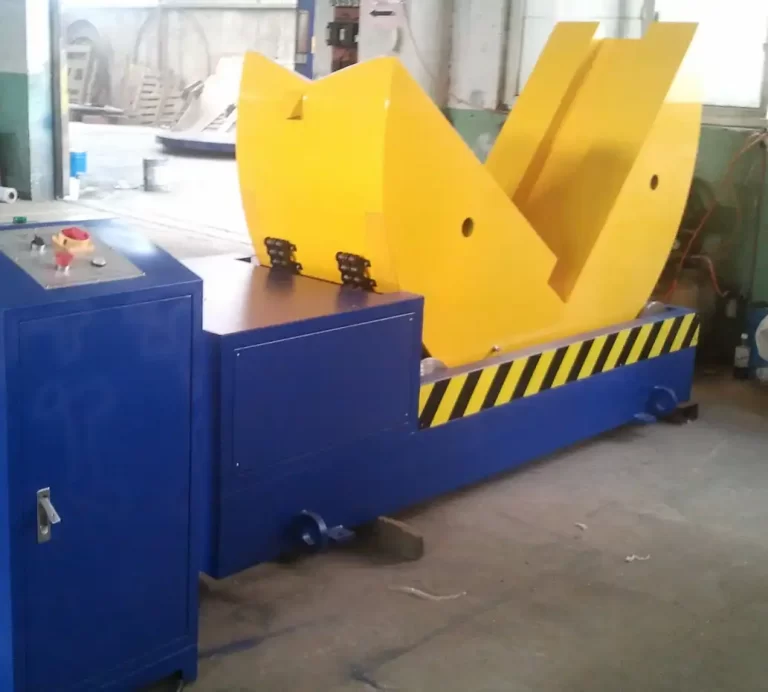
Understanding these rules is not just about following the law. It is about keeping your team safe. It is about protecting your investment. And it is about making sure your operations run smoothly. Let us look deeper into the specific regulations that impact coil upender use in Japan. We will explore what you need to know to stay compliant.
Why Are Safety Regulations for Coil Upenders So Important?
Are you feeling the pressure to boost output and cut costs? This is a common problem for factory managers. But sometimes, pushing for speed means we forget about safety. Ignoring safety with heavy machines like coil upenders is a big mistake. It can lead to very bad accidents. These accidents hurt workers. They also stop your production line.
Safety regulations for coil upenders are important because they prevent these problems. They set clear standards. These standards ensure machines are built well. They also ensure machines are used safely. This protects your workers from harm. It also protects your business from expensive downtime, legal issues, and a bad reputation.
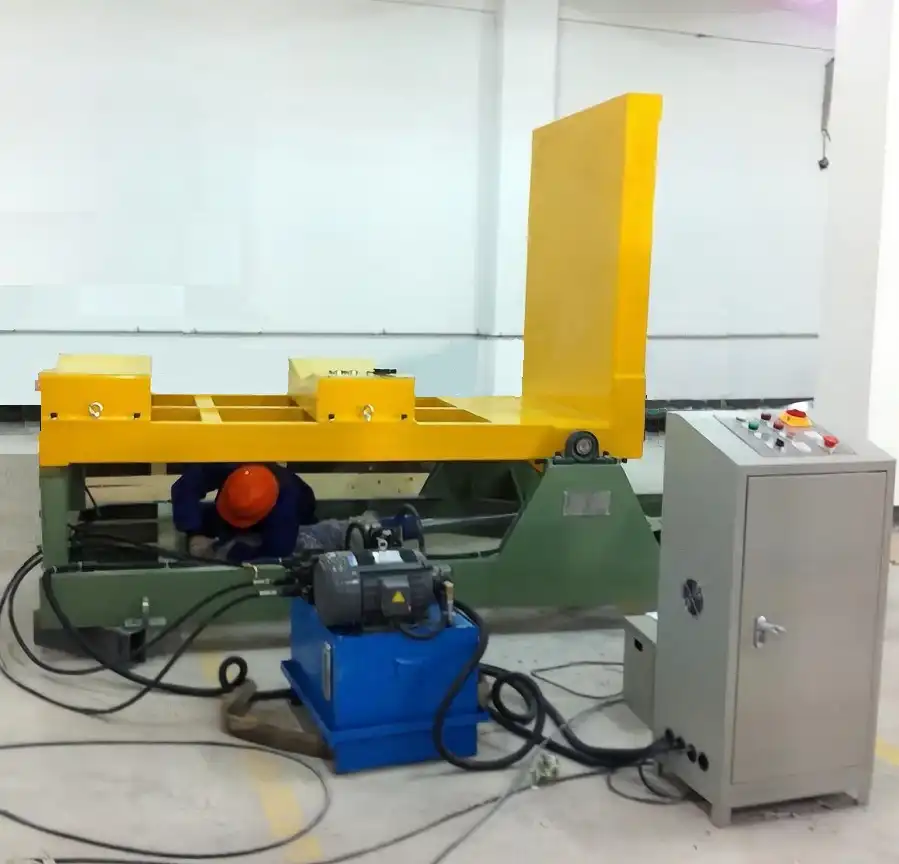
Understanding the Risks and Benefits of Compliance
When I started my packing machine factory, I saw firsthand what happens without good safety rules. People got hurt. Machines broke down. Production stopped. It was a mess. That experience taught me a lot. Investing in safety is not an expense. It is an investment in your business’s future.
Coil upenders lift and flip very heavy materials. If a machine breaks, or if someone makes a mistake, the weight can crush things. It can cause serious injuries. It can even cause deaths. This is why strict safety rules exist. They make sure machines have safety features. They also make sure workers know how to use them the right way.
Compliance with safety regulations offers many benefits. First, it makes your workplace safer. Workers feel more secure. This means they work better. They are also less likely to get hurt. This lowers your insurance costs. It also reduces employee turnover. Second, it protects your equipment. Following rules often means better maintenance. This makes machines last longer. It also means less unexpected breakdowns. Third, it saves money in the long run. Accidents are very expensive. They involve medical costs, lost work time, and potential fines. Avoiding these costs is a big win for your factory’s finances. Fourth, it builds trust. When you show you care about safety, your employees trust you more. Your clients also see you as a responsible company. This helps your business grow.
Here is a simple look at the risks of ignoring safety versus the benefits of following rules:
| Aspect | Ignoring Safety Regulations | Complying with Safety Regulations |
|---|---|---|
| Worker Safety | High risk of injuries, disabilities, or fatalities | Reduced risk of accidents, improved worker well-being |
| Operational Costs | High insurance premiums, legal fees, productivity loss, fines | Lower insurance costs, less downtime, stable production |
| Equipment Life | Increased wear and tear, frequent breakdowns, costly repairs | Extended machine lifespan, lower maintenance costs |
| Reputation | Negative public image, loss of trust from employees and clients | Positive company image, increased employee and client confidence |
| Legal Issues | Potential lawsuits, criminal charges, heavy penalties | Avoidance of legal disputes, compliance with labor laws |
| Productivity | Frequent interruptions, lower output due to accidents | Consistent production flow, higher overall efficiency |
When you follow the rules, you protect your people and your profits. It is a smart move for any factory, especially one that handles heavy items like steel coils.
What Are the Key Japanese Regulations for Industrial Machinery?
Have you ever worried if your equipment meets local laws? For factories in Japan, this is a serious concern. Japanese laws are strict about workplace safety. They aim to prevent accidents at all costs. You cannot just buy a machine and hope it is okay. You must know the specific rules that apply.
The main law governing industrial safety in Japan is the Industrial Safety and Health Act. This Act sets the basic framework for workplace safety. It covers everything from machine design to how workers operate them. Other related ordinances and guidelines also give more detailed rules. These all work together to keep workers safe.
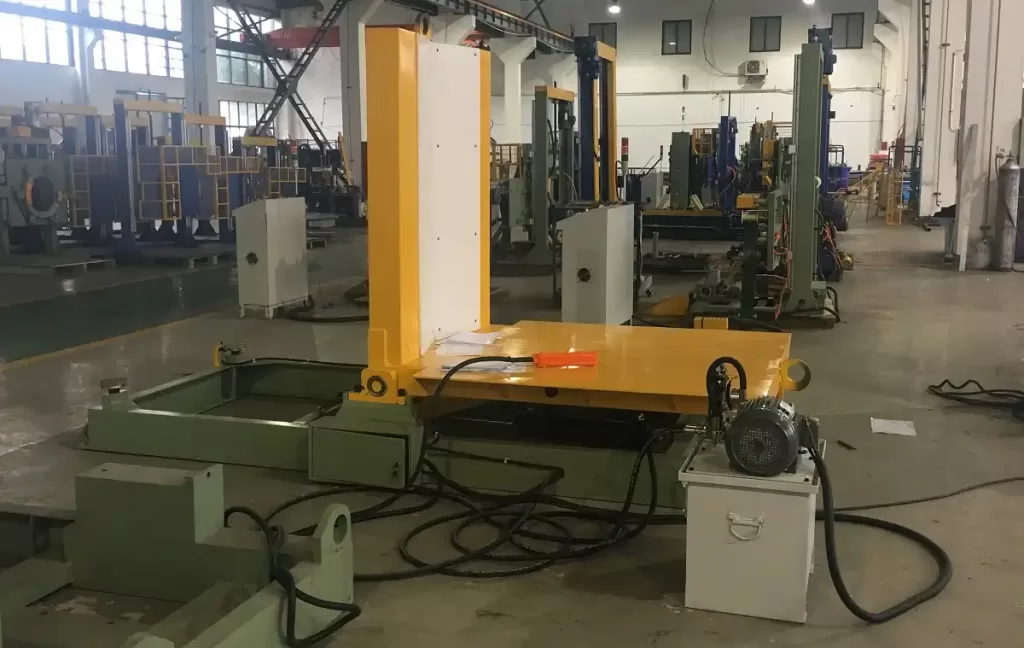
Key Acts and Ordinances Affecting Heavy Equipment
The Japanese government takes worker safety very seriously. This is why they have a comprehensive set of laws. These laws make sure that every piece of machinery used in a factory is safe. For heavy machines like coil upenders, several key laws and ordinances apply. Understanding these is crucial for any factory manager in Japan.
The Industrial Safety and Health Act (ISHA) is the primary law. It forms the backbone of workplace safety in Japan. This Act requires employers to ensure the safety and health of their workers. It covers machine safety, handling of dangerous goods, and worker training. Under ISHA, the Ministry of Health, Labour and Welfare (MHLW) creates specific regulations.
One important regulation is the Ordinance on Industrial Safety and Health (OISH). This ordinance provides detailed rules for many things. It includes machine safety standards. It also covers the safe operation of equipment. For example, OISH has rules about guarding moving parts of machines. It also specifies how often machines need inspections. For machines that handle heavy loads, like coil upenders, OISH sets rules for load capacity, stability, and control systems.
Another relevant regulation is the Ordinance on Safety of Cranes, etc. (OSCE). While a coil upender is not a crane, it involves lifting and moving heavy items. Some aspects of OSCE’s focus on stability and safe load handling can be indirectly related. Especially if the upender is part of a larger lifting system.
The Machinery Safety Standards set out technical requirements for machine design and construction. These standards ensure that machines are built with safety in mind from the start. They cover emergency stop functions, safe operating distances, and protective devices. For a coil upender, this means it must have features to prevent accidental tipping. It must also have clear controls and safety interlocks.
In summary, Japanese factories must:
- Comply with ISHA: This is the general law for all workplace safety.
- Follow OISH: This provides specific rules for machine safety and operation, including heavy machinery.
- Adhere to Machinery Safety Standards: These set technical requirements for how machines are designed and built.
These laws are not just about avoiding fines. They are about creating a culture of safety. They help prevent the kind of accidents that can devastate a business and its employees. Knowing these laws helps you choose the right equipment. It also helps you operate it correctly.
How Do These Regulations Apply to Coil Upender Design and Operation?
Have you ever looked at a new machine and wondered if it is truly safe? For coil upenders, safety is built into their design. It is not something you add on later. Japanese regulations have strict rules about how these machines are made. They also have rules about how they are used. This affects everything from the parts chosen to the way workers interact with the machine.
Japanese safety regulations directly impact the design of coil upenders. Manufacturers must include specific safety features. For example, machines need strong frames. They need reliable hydraulic systems. They also need fail-safe controls. In terms of operation, rules cover things like operator training. They also cover regular inspections. These steps ensure the upender performs its job safely day after day.

Practical Application of Japanese Safety Standards
When I help clients select equipment, I always talk about standards. It is not just about what a machine can do. It is about how safely it can do it. In Japan, this is even more critical. The regulations demand a lot from both the machine and the people using it.
Design Requirements:
- Stability and Load Capacity: Coil upenders must be stable. They must handle the maximum weight they are rated for. They cannot tip over. The design must account for dynamic forces during the tilt. This means strong foundations and robust hydraulic cylinders.
- Safety Devices: Machines must have emergency stop buttons that are easy to reach. They need safety interlocks. These stop the machine if a guard is open or if something is in the wrong place. Light curtains or safety mats might be needed to protect the operator’s area.
- Guarding: Moving parts, like pinch points, must have guards. These prevent workers from getting caught in the machine.
- Controls: Control panels must be clear and easy to understand. They should prevent accidental operations. Two-hand controls might be needed for certain actions to ensure the operator’s hands are out of the danger zone.
- Material Quality: The materials used to build the upender must be strong and durable. They must withstand the harsh factory environment. They must also handle the stresses of lifting heavy coils.
Operational Requirements:
- Operator Training: All workers using the upender must receive proper training. This training covers how to operate the machine safely. It also covers what to do in an emergency. It teaches them about the specific risks of handling coils.
- Safe Operating Procedures (SOPs): Factories must develop clear SOPs for using the upender. These procedures detail every step from loading the coil to unloading it. They include checks before starting the machine.
- Regular Inspections and Maintenance: Upenders must be inspected regularly. This includes daily checks by operators. It also includes periodic detailed inspections by qualified technicians. Maintenance must be done on time. This prevents parts from failing. It also ensures safety features work correctly. Records of all maintenance and inspections must be kept.
- Work Area Safety: The area around the coil upender must be clear of obstacles. It must be well-lit. Access to the danger zone should be restricted during operation. Clear warning signs must be displayed.
These rules ensure that a coil upender in a Japanese factory is not just efficient. It is also designed and operated in a way that truly protects everyone involved. It is a comprehensive approach to safety. It covers the machine from its birth in the factory to its daily work on the factory floor.
How Can Factories Ensure Compliance and Safety with Upenders?
Are you a factory manager always looking for ways to make things better? Maybe you are like Michael, who needs reliable equipment that lasts. You also need solutions that boost safety. Simply buying an upender is not enough. You must actively work to keep it safe and compliant. This means more than just turning it on.
Ensuring compliance and safety requires a clear plan. It means choosing the right supplier. It means training your team well. It also means consistent maintenance. First, buy equipment that meets Japanese standards from the start. Then, set up strong safety procedures. Train your workers on these. Also, perform regular checks and maintenance. These steps help your factory meet regulations. They also protect your investment and your people.
Steps for Maintaining a Safe and Compliant Operation
From my experience, safety is an ongoing effort. It is not a one-time thing. When I ran my factory, we had daily checklists. We also had regular training sessions. This systematic approach pays off. Here are the practical steps I recommend for factories using coil upenders in Japan:
1. Partner with a Knowledgeable Supplier:
- Expertise: Choose a supplier who deeply understands safety regulations. They should know the specific requirements for Japan. They should not just sell machines. They should offer solutions.
- Certification: Make sure the upender you buy is certified to meet relevant Japanese safety standards. Ask for documentation. This proves the machine’s compliance.
- After-Sales Support: A good supplier provides excellent after-sales service. They offer training. They offer parts. They offer technical support. This is very important for long-term safety and operation. From my experience, a good partner saves you headaches and money in the long run.
2. Implement Robust Safety Procedures:
- Standard Operating Procedures (SOPs): Create detailed SOPs for every task involving the upender. Make these easy to understand. Put them in places where workers can see them.
- Risk Assessments: Regularly assess risks associated with the upender. Identify potential hazards. Then, put controls in place to reduce those risks. This could be adding more guards. It could also be changing work methods.
- Emergency Plans: Have clear plans for emergencies. This includes machine breakdowns or accidents. Train all staff on these plans.
- Lockout/Tagout (LOTO): Implement strict LOTO procedures. This prevents machines from starting accidentally during maintenance or repair.
3. Prioritize Worker Training and Awareness:
- Initial Training: All operators and maintenance staff must get thorough training before using the upender. This training should cover machine operation, safety features, hazard recognition, and emergency procedures.
- Refresher Training: Conduct regular refresher training sessions. This keeps safety knowledge fresh. It also updates workers on any new procedures or equipment changes.
- Safety Meetings: Hold frequent safety meetings. Discuss any near misses or incidents. Encourage workers to report safety concerns without fear.
4. Commit to Regular Maintenance and Inspections:
- Preventative Maintenance: Follow the manufacturer’s preventative maintenance schedule. This prevents unexpected breakdowns. It also keeps all safety features working correctly.
- Daily Checks: Operators should do quick safety checks before each shift. This includes checking emergency stops, hydraulic levels, and visible damage.
- Periodic Inspections: Have qualified technicians perform detailed inspections regularly. These inspections are more thorough. They check for wear and tear on critical components. Keep detailed records of all inspections and maintenance. These records prove your compliance.
By focusing on these areas, your factory can create a truly safe environment. You will protect your workers. You will also protect your valuable assets. This is the path to long-term success and peace of mind.
My insight
Working in the packing machine industry for many years taught me a lot. I started as an engineer. Then I built my own factory. I have seen the highs and lows. I learned that true success comes from more than just selling a machine. It comes from solving real problems for people. It comes from building trust.
For example, when a client, let’s call him Mr. Tanaka in Japan, came to me, he was frustrated. His factory moved steel coils by hand. It was slow. It was dangerous. Workers often got hurt. This was not just a cost problem. It was a people problem. He needed a coil upender. But he also needed someone who understood his pain. He had tried other suppliers. They just sold him a machine and left. No support. No understanding.
I knew this feeling. I had faced similar problems in my own journey. So, I did not just offer him an upender. I offered him a partnership. We talked about his factory’s specific challenges. We discussed the Japanese safety rules. We looked at his workflow. My team and I suggested a coil upender that fit his exact needs. It met all safety standards. But more importantly, we showed him how it would integrate into his line. We trained his team. We provided full support.
Mr. Tanaka’s biggest challenge was the manual handling of heavy coils. His workers were getting injured. This meant high insurance costs. It also meant a lot of employee turnover. He needed a solution that would drastically reduce manual labor for heavy lifting. Our coil upender was designed to do just that. It automated the flipping process. This removed the need for workers to physically handle the heavy and awkward coils. It directly addressed his primary safety concern.
Another issue was efficiency. His old process was slow. It created a bottleneck at the end of his production line. We showed him how our automated upender would speed up the packing process. This was not just theoretical. We shared data from similar installations. We explained the return on investment (ROI) in clear terms. This helped him see the value beyond just the machine’s price tag.
His previous experiences with suppliers left him wary. They sold him equipment but did not provide good after-sales service. This caused more problems than it solved. I told him about FHOPEPACK’s mission. We are a knowledge-sharing platform. My goal is to help others succeed. This is why we offer comprehensive training and support. We stand by our machines. We make sure our clients feel confident and supported long after the sale. It is about building a relationship. It is about being a partner who understands your challenges and helps you grow your business.
This approach is rooted in my own experiences. I achieved financial independence through the packing machine industry. Now, I want to give back. I want to share what I learned. I want to help factory managers like Mr. Tanaka and Michael Chen avoid the pitfalls I once faced. It is not just about selling equipment. It is about sharing knowledge. It is about ensuring safety. It is about making factories more efficient and more profitable. That is the FHOPEPACK way. It is my way.
Conclusion
Following Japanese safety regulations for coil upenders is essential. It protects your workers and your business. Choose the right partner. Implement strong procedures. Train your team well.








