
Which Safety Regulations Govern Coil Upender Operations in Malaysia?
Manual handling of heavy coils is a dangerous game. Many factories still rely on old methods. This leads to high injury risks, slow work, and damaged products. Imagine a serious accident. Think about the production stopping. Think about the money lost. These issues are not just about numbers. They are about people’s safety.
In Malaysia, coil upender operations are mainly governed by the Occupational Safety and Health Act 1994 (OSHA 1994) and its related regulations. These laws make sure workers are safe. They demand proper machinery use. They also require risk checks for all industrial work, including handling heavy items like steel coils.
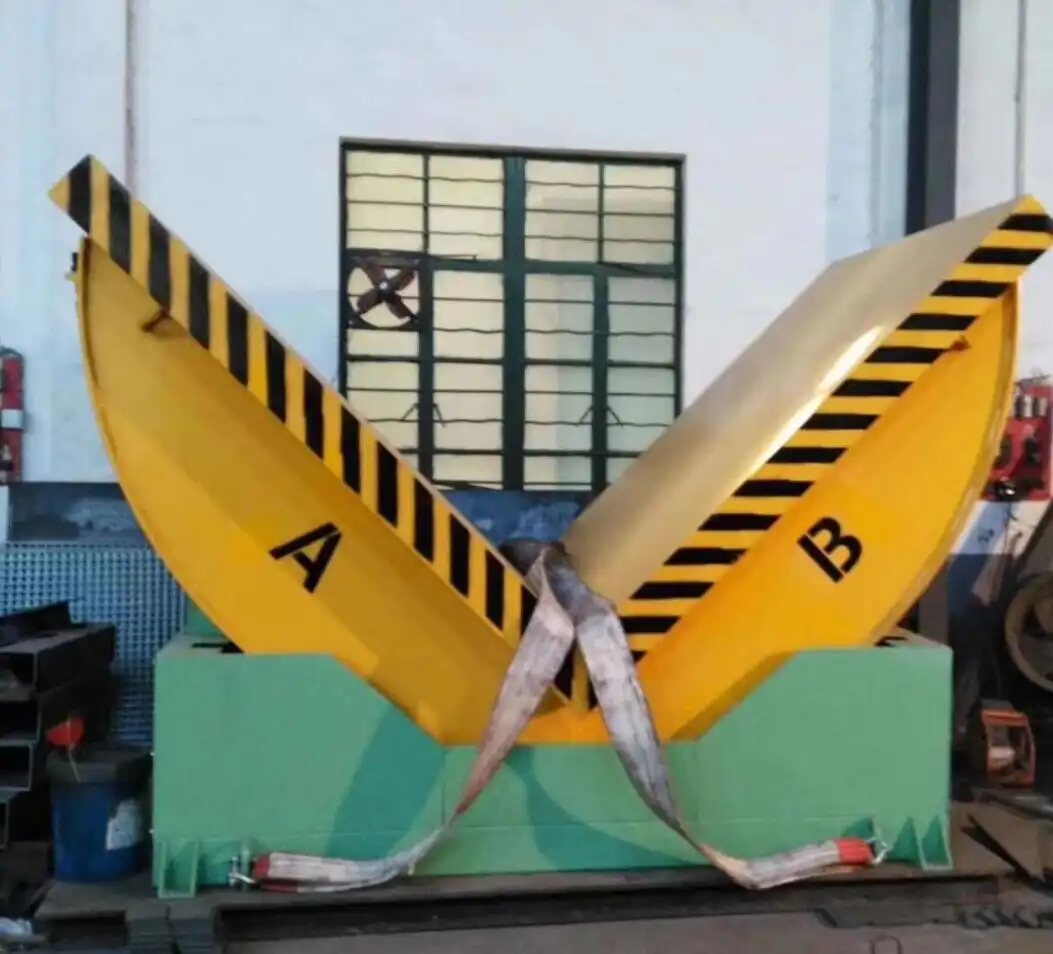
Knowing the names of laws is not enough. We need to look deeper into what these rules mean for your daily work. We need to see how to keep your factory safe and productive. I have seen with my own eyes the big difference that following these rules makes. It changes everything for the better.
Understanding Malaysia’s OSHA 1994 and Its Impact on Heavy Machinery?
Many factory managers know about “safety laws.” But truly understanding Malaysia’s OSHA 1994 can feel hard. Without a clear grasp, it is difficult to know if your heavy machinery operations, like coil upending, meet the standard. Ignoring these laws is risky. It is not just about legal problems. It puts your workers and your money at risk. One accident can stop your production right away. Let me break down OSHA 1994. It is the main safety law in Malaysia. It sets clear duties for everyone, from factory owners to workers. This helps make sure heavy machinery runs safely.
OSHA 1994 is the central safety law in Malaysia. It requires employers to provide a safe workplace. This means safe machines and safe ways of working. This includes correct handling and running of all machinery. It is especially true for heavy machines like coil upenders. Workers also have duties. They must work together and follow safety rules.

OSHA 1994 lays out general duties. Employers must make sure their workplace is safe. This means providing and maintaining safe plant and safe systems of work. This includes all machinery. For coil upenders, this means ensuring they are in good condition. It also means having safe ways to use them. Employers must also provide enough information, instruction, training, and supervision. This is for all employees. This ensures they can do their work safely and without health risks. They must also maintain a safe working environment. This means there are no risks to health. It also means there are proper ways for people to use, store, and move items.
Workers also have duties under OSHA. They must take reasonable care for their own safety and the safety of others. This is true for anyone who might be affected by their actions. They must also cooperate with their employer. This helps the employer meet safety duties. Workers must also wear or use any safety equipment given to them. They must follow safety instructions and procedures. They cannot misuse anything provided for safety.
For coil upender operations, this means several things. First, employers must do risk assessments. They need to find dangers like crushing points or falling loads. They must also assess risks from moving parts or hydraulic failures. Then, they must put controls in place. These controls can be engineering controls, like machine guards. They can also be administrative controls, like clear procedures. Personal protective equipment (PPE) is also important. This can include safety boots and hard hats. Workers must follow these procedures. They must report any unsafe conditions.
When I started my own factory, I knew following these rules was a must. We put a lot of effort into understanding OSHA. We trained our people well. We made sure our machines were safe. This hard work paid off. It created a culture where safety came first. It prevented accidents. It also built strong trust with my team. Michael, this is exactly what you need in your factory. A focus on safety creates a better workplace for everyone. It also protects your business.
| Duty Type | Employer’s Responsibility (OSHA 1994, Section 15) | Employee’s Responsibility (OSHA 1994, Section 24) |
|---|---|---|
| Workplace | Provide and maintain a safe workplace for coil upender operations. | Take reasonable care for own safety and others in the upender area. |
| Machinery | Ensure safe design, installation, and operation of coil upenders. | Cooperate with employer on safety efforts for upenders. |
| Training | Give adequate training and supervision for upender use. | Use safety equipment and follow upender operating procedures. |
| Risk Control | Conduct risk assessments for upender use and implement controls. | Do not misuse safety equipment provided for upender operations. |
What Specific Regulations Apply to Coil Upender Design and Maintenance in Malaysia?
You buy an upender. It looks strong. But how do you really know it meets Malaysian safety rules for its design and upkeep? This is often not clear. A poorly designed or badly kept machine is a danger waiting to happen. It can break down. It can cause injuries. It can stop your whole production line. This costs you money and harms your name. Malaysia has rules that specifically deal with machine safety. These rules cover how equipment is designed, made, and kept in good working order. For coil upenders, this means they must be built to prevent dangers. They must also be maintained very strictly.
Malaysia’s Factories and Machinery Act 1967 (FMA 1967) works with OSHA 1994. It has many rules, like the Factories and Machinery (Machinery) Regulations 1989 and the Factories and Machinery (Safety, Health and Welfare) Regulations 1970. These provide more specific rules for machinery design, setup, and upkeep. They apply directly to coil upenders.
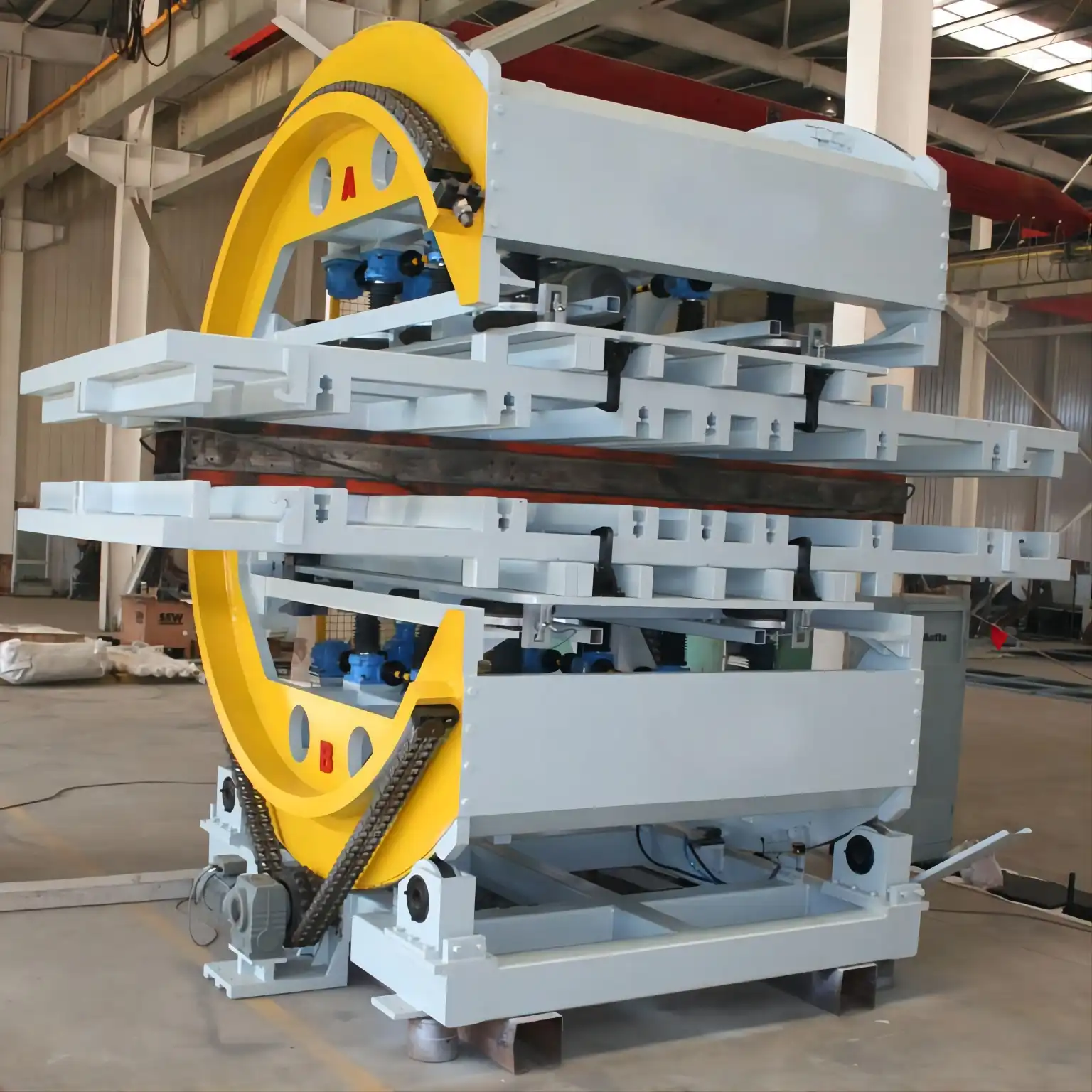
The FMA 1967 is more detailed than OSHA 1994. It states that all machinery must be of safe construction. It must also be maintained in good condition. This is very important for coil upenders. Upenders involve heavy loads and moving parts. Their design must stop dangers like crushing or shearing. They need proper guards around moving parts. They must have emergency stop buttons that are easy to reach. They also need overload protection. This stops the machine from lifting too much weight. This protects both the machine and the workers.
Maintenance is also a big part of these regulations. The FMA requires machines to be regularly inspected and maintained. This means having a planned preventative maintenance (PPM) schedule. For coil upenders, this schedule must include checks on hydraulic systems, electric motors, and the main structure. Hydraulic leaks can cause failure. Worn motors can overheat. Cracks in the frame can lead to collapse. These checks must be done by trained and competent people. Records of all maintenance must be kept. These records show that you are meeting the legal requirements. They also help track the machine’s health over time.
In my factory, we learned that maintenance is not just an expense. It is an investment. Cutting corners on maintenance always led to bigger, more expensive problems later on. We made sure our machines were strong. This includes the ones FHOPEPACK designs. We kept them in top shape. We used regular inspections and replaced worn parts before they failed. This reduced downtime. It also kept our workers safe. Michael, choosing durable equipment is the first step. Then, consistent, high-quality maintenance is key. This helps your factory run smoothly and safely. It also helps avoid costly shutdowns.
| Aspect | Key Design Features (FMA 1967) | Essential Maintenance Checks |
|---|---|---|
| Safety Devices | Emergency stop buttons, interlocks, overload protection. | Test emergency stops, check safety interlocks. |
| Guarding | Fixed or movable guards for all dangerous moving parts. | Inspect guards for damage, ensure they are securely in place. |
| Hydraulics | Pressure relief valves, leak-proof hoses, secure fittings. | Check hydraulic fluid levels, look for leaks, inspect hoses. |
| Structure | Strong frame, stable base, proper load-bearing capacity. | Inspect for cracks, corrosion, loose bolts on the main structure. |
| Electrical | Proper wiring, circuit breakers, earth connections. | Check wiring for wear, test electrical components, clean connections. |
| Moving Parts | Bearings, gears, chains in good working order, lubricated. | Lubricate moving parts, check for unusual noises or vibrations. |
How Do Operational Procedures and Training Impact Coil Upender Safety in Malaysia?
Even with the best equipment, accidents can happen. This is true if people do not know how to use it right. Relying on simple “on-the-job” learning for coil upenders is very risky. Untrained workers using heavy machines like upenders can cause serious injuries. They can also damage products. This leads to legal problems. This lack of efficiency and high risk eats away at your profits. Clear operating procedures and full training are very important. In Malaysia, safety laws demand that workers are skilled. They must also understand how to use machinery safely. This is especially true for risky tasks like coil upending.
Malaysian safety rules, from both OSHA 1994 and FMA 1967, state that employers must give enough information, instruction, training, and supervision to employees. This means having written Standard Operating Procedures (SOPs) for how to use a coil upender. It also means making sure all operators are properly trained and certified.
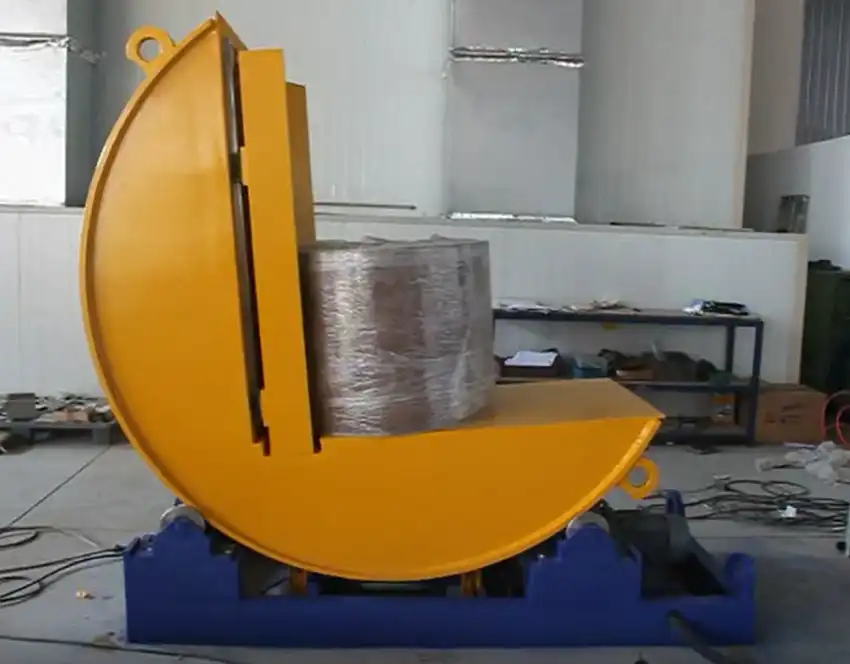
Standard Operating Procedures (SOPs) are critical for safe upender operations. An SOP should clearly outline every step for using the machine. This includes pre-operation checks, loading procedures, operation steps, and unloading. It must also include emergency shutdown procedures. These written procedures ensure consistency. They reduce the chance of human error. They also serve as a reference point for all operators. They should be easy to understand. They should be available to all workers who use the upender.
Training is equally vital. It is not enough to just give someone an SOP. Workers need hands-on training. This training must be done by competent people. It should cover not just how to operate the machine but also the risks involved. Initial training is necessary for all new operators. Regular refresher courses are also important. This helps keep skills sharp. It also updates workers on any changes in procedures or equipment. When new upenders are installed, specific training for that model is a must. This ensures operators understand its unique features and safety devices.
Competency assessment is part of this. Employers need a way to check that operators are truly capable. This can involve practical tests. It can also involve written exams. This proves that workers understand the SOPs and can operate the upender safely. Supervision also plays a key role. Supervisors must enforce safety protocols. They must make sure workers follow the SOPs. They must step in if they see unsafe practices. This strong link between good SOPs, thorough training, and constant supervision helps reduce incidents. It can prevent product damage, which Michael experiences. It also reduces safety hazards.
When I built my factory, I insisted on detailed SOPs for every machine. We had hands-on training for our upenders. We made sure every operator understood the dangers. They also learned the correct way to do things. This stopped many mistakes. It also made everyone feel safer at work. For Michael, investing in proper training and clear procedures is not just about compliance. It is about empowering your workforce. It helps them work safely and efficiently. This kind of investment in your people pays back many times over in productivity and peace of mind.
| Element | Description | Importance for Coil Upender Safety |
|---|---|---|
| SOPs | Clear, step-by-step written guides for safe operation. | Ensures consistent, safe operation; reduces errors. |
| Initial Training | Comprehensive training for new operators on machine use and risks. | Establishes foundational knowledge and safe habits. |
| Refresher Training | Periodic training to reinforce knowledge and update skills. | Keeps operators sharp; addresses new hazards/changes. |
| Competency Assessment | Evaluating an operator’s ability to perform tasks safely. | Confirms operator is qualified and understands risks. |
| Supervision | Direct oversight by a manager to ensure adherence to safety. | Enforces safety rules; provides immediate feedback. |
| Emergency Drills | Practicing responses to common upender emergencies. | Prepares workers for quick, safe action during incidents. |
Are There Requirements for Regular Inspections and Certifications for Upenders in Malaysia?
It is easy to think a machine that worked yesterday will be safe tomorrow. But without regular checks, hidden wear on an upender can make it dangerous. Ignoring inspections and certifications can lead to sudden breakdowns. It can cause major accidents. It can also lead to large fines. Your factory could face legal action. It could also lose a lot of money. Malaysian safety rules are clear. Heavy machines like coil upenders must have regular inspections. Sometimes, they need certification from approved bodies. This ensures ongoing safety and compliance.
Under the Factories and Machinery Act 1967, and its specific regulations, heavy machinery like coil upenders need regular checks and examinations. These must be done by competent people or authorized inspectors. These inspections ensure the equipment stays safe to use. They also make sure it meets its design standards throughout its working life. Records of these checks must be kept.
The FMA 1967 requires machinery to be inspected regularly. These inspections must be done by a “competent person.” This is someone with enough knowledge, training, and experience to do the job right. For complex machines like coil upenders, an “authorized inspector” might be required. These are inspectors approved by the Department of Occupational Safety and Health (DOSH) in Malaysia.
There are different types of inspections. First, operators should do daily pre-use checks. These are quick visual checks for obvious damage or issues. Then, there are more thorough periodic inspections. These can be weekly, monthly, or quarterly. They depend on the machine’s use and age. These detailed inspections look at critical components. This includes hydraulic systems, electrical wiring, mechanical parts, and the structural integrity. Non-destructive testing (NDT) might be used for key load-bearing parts. This checks for hidden cracks or weaknesses without damaging the machine.
Record-keeping is a must. Every inspection, repair, and maintenance activity must be recorded. These records should include the date, what was inspected, any findings, and actions taken. They also need the name and signature of the person doing the inspection. These records are proof of compliance. They also provide a history of the machine’s condition. This helps predict future maintenance needs. Some machinery might need a “Certificate of Fitness” or a “permit to operate.” While coil upenders might fall under general machinery, the principle is the same. Ensuring they are fit for purpose and certified is key.
We never skipped an inspection in my factory. It was a strict rule. I saw too many factories try to save money by skipping checks. They often ended up with a big breakdown. Worse, they had serious injuries. For FHOPEPACK machines, we design them to be easy to inspect. We always tell our clients the best ways to do inspections. It is all about preventing problems before they happen. It is not just about fixing them after. Michael, choosing a supplier who understands and supports these inspection needs is crucial. It builds trust. It also ensures your investment stays safe and productive.
| Inspection Type | Frequency | Who Performs It | What to Check (Examples for Upender) | Importance |
|---|---|---|---|---|
| Pre-Use Check | Daily/Per Shift | Operator | Obvious damage, leaks, emergency stop function, load securement. | Catches immediate hazards; ensures safe start. |
| Routine Inspection | Weekly/Monthly | Competent Person (Internal) | Hydraulic levels, electrical connections, general wear, guards. | Maintains operational safety; identifies minor issues. |
| Thorough Examination | Annually/Bi-annually | Authorized Inspector (External) | Full structural integrity, hydraulic system health, electrical safety. | Ensures long-term safety; certifies compliance. |
| Post-Repair Inspection | After Repair | Competent Person/Inspector | Verify repair quality, test affected systems, re-certify if needed. | Confirms machine is safe after maintenance. |
| Documentation | Ongoing | Management | Keep records of all inspections, repairs, certifications. | Proof of compliance; maintenance history. |
Conclusion
Understanding Malaysia’s safety laws for coil upenders is key. It ensures worker safety and boosts efficiency. Following these rules builds trust and helps your business grow.








