

Which Safety Protocols Should Canadian Operators Follow When Using a Coil Upender?
Are you a factory manager facing constant pressure to increase output while keeping costs down and ensuring safety? You likely know the headaches of inefficient processes and the high risks of manual handling. Think about the slow, dangerous, and often damaging ways heavy coils and wires are moved around your plant. These old methods can lead to injured workers, damaged products, and a lot of money lost. There is a smarter way to work. Understanding the right safety protocols for coil upenders in Canada is not just a good idea; it is a must for any modern factory.
When it comes to using a coil upender in Canada, operators must follow strict safety protocols. These include knowing provincial Occupational Health and Safety (OHS) regulations, completing thorough machine-specific training, using proper Personal Protective Equipment (PPE), and performing regular machine maintenance checks. Following these rules helps prevent accidents, protects workers, and keeps production running smoothly.
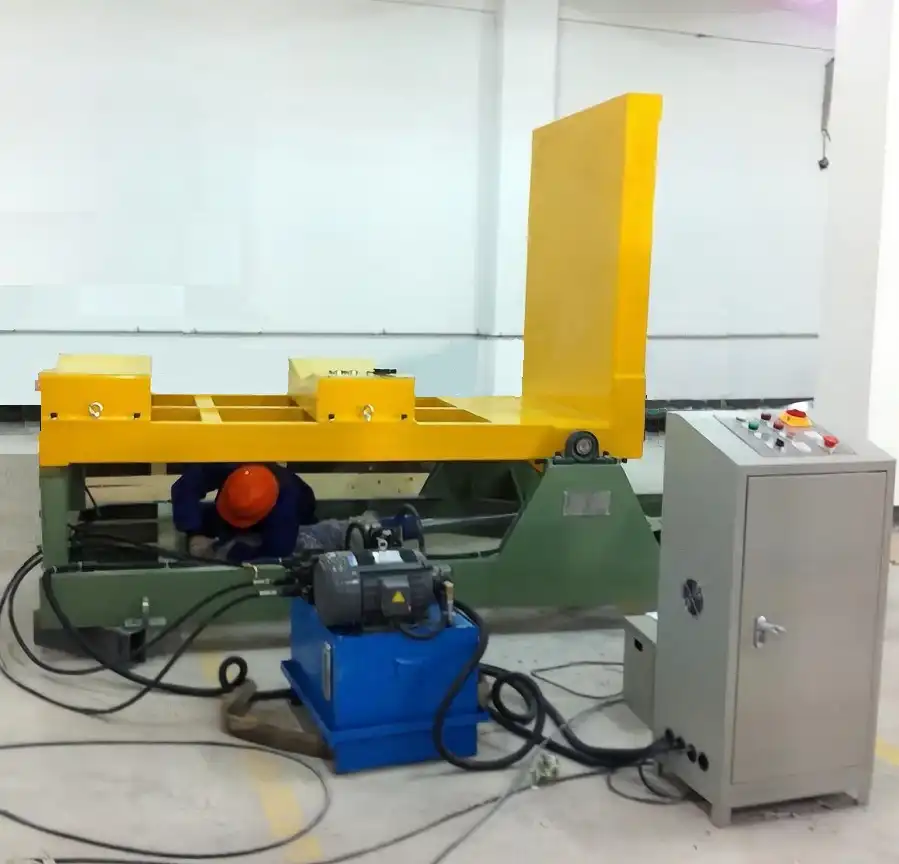

As someone who built a packing machine factory from the ground up, I understand the daily challenges you face. I know the pressure to meet targets and keep your team safe. I have personally seen the risks involved with heavy material handling. That is why I want to share insights that can make a real difference. Let us dive into the core safety aspects that will help you run a safer, more efficient operation.
What Are the Key Canadian Regulations for Coil Upender Safety?
Does the thought of a workplace accident keep you up at night? Ignoring safety regulations is not just risky for your team; it can lead to massive fines, legal trouble, and a damaged reputation for your business. Many factory managers feel overwhelmed trying to keep up with all the rules. But failing to follow Canadian safety standards for machinery like coil upenders puts everyone in danger. Knowing and applying these rules is not just a duty; it is a smart business choice that protects your people and your profits.
In Canada, operators of coil upenders must follow specific regulations set by provincial and federal authorities. These laws aim to protect workers from harm. The main rules come from the Occupational Health and Safety (OHS) acts specific to each Canadian province or territory. For example, Ontario has its Occupational Health and Safety Act. British Columbia has its Workers Compensation Act and OHS Regulation. These acts outline general duties for employers, supervisors, and workers. They require a safe workplace, proper training, and working equipment.


Complying with these regulations means more than just having a machine. It means making sure the machine is safe to use and that operators know how to use it. As someone who started working on factory floors, I learned quickly that rules are there for a reason. They keep people safe. When I later ran my own packing machine factory, safety was always the top priority. We always made sure our equipment, including upenders, met or went beyond safety standards. We knew that a safe operation leads to better production and happier workers.
Understanding Provincial OHS Acts
Each province in Canada has its own OHS Act. These acts give the basic legal framework for workplace safety. They set out the general responsibilities for everyone in the workplace. Employers must provide a safe environment and safe equipment. They must also give training. Supervisors must ensure workers follow safety procedures. Workers must follow rules and use safety equipment. For upenders, this means ensuring the machine has all its safety guards. It also means the emergency stops work. The machine must be inspected regularly. The OHS Act generally covers all workplaces, including those using heavy machinery like coil upenders. Knowing your provincial OHS Act is the first step to full compliance.
Machine-Specific Safety Standards
Beyond general OHS acts, specific standards from organizations like the Canadian Standards Association (CSA) often apply. While not always legally binding by themselves, many OHS regulations refer to CSA standards. For machinery, CSA Z432 “Safeguarding of machinery” is a key standard. It covers how to design and build machinery to be safe. It also covers how to use and maintain it safely. For coil upenders, this means the design should prevent access to moving parts. It should have safety interlocks. It should also have clear operating instructions. It is also important to consider standards related to electrical safety (CSA C22.1 Canadian Electrical Code) and material handling equipment. Always check if your specific upender model meets these recognized standards. Your equipment supplier should provide this information.
Reporting and Incident Management
Canadian OHS regulations also require companies to report certain types of incidents. This includes serious injuries or dangerous occurrences. If an accident happens with an upender, it must be reported to the provincial OHS authority. This leads to an investigation. The investigation finds out why the accident happened. It helps prevent future accidents. Employers must have a clear process for reporting incidents. They must also have a plan for emergency response. This includes first aid and rescuing workers. Having a strong safety culture means not just avoiding accidents. It also means learning from them if they happen. This builds trust with workers. It also helps improve safety over time.
| Safety Area | Key Requirements (Canadian Context) | Relevant Parties |
|---|---|---|
| Workplace Safety | Provide safe equipment, maintain safe conditions, identify hazards. | Employer |
| Machine Guarding | Ensure moving parts are guarded, interlocks are functional. | Employer, Supplier |
| Operator Training | Provide thorough training on upender operation and safety. | Employer |
| Emergency Stops | Install easily accessible and functional emergency stop buttons. | Employer, Supplier |
| Lockout/Tagout | Implement procedures to de-energize equipment during maintenance. | Employer, Worker |
| Inspections | Conduct regular pre-shift checks and scheduled maintenance. | Employer, Worker |
| Incident Reporting | Report serious incidents to authorities; investigate and learn. | Employer, Worker |
How Does Operator Training Impact Upender Safety in Canada?
Are your current training programs really preparing your operators for the risks of heavy machinery? Many companies rush through training, ticking boxes instead of building real skills. But poor training for coil upenders leads to costly mistakes, machine damage, and, worst of all, serious injuries. When operators do not fully understand their equipment, they put themselves and everyone around them in danger. Investing in strong, clear training is not an expense; it is an investment in your team’s safety and your factory’s future.
Proper operator training is key to coil upender safety in Canada. It goes beyond just showing someone which button to push. Effective training covers everything from understanding the machine’s parts to knowing how to react in an emergency. It teaches operators to spot potential problems before they become serious. When operators are well-trained, they know the machine’s limits. They understand safe operating procedures. They also know what to do if something goes wrong. This cuts down on accidents and machine downtime.
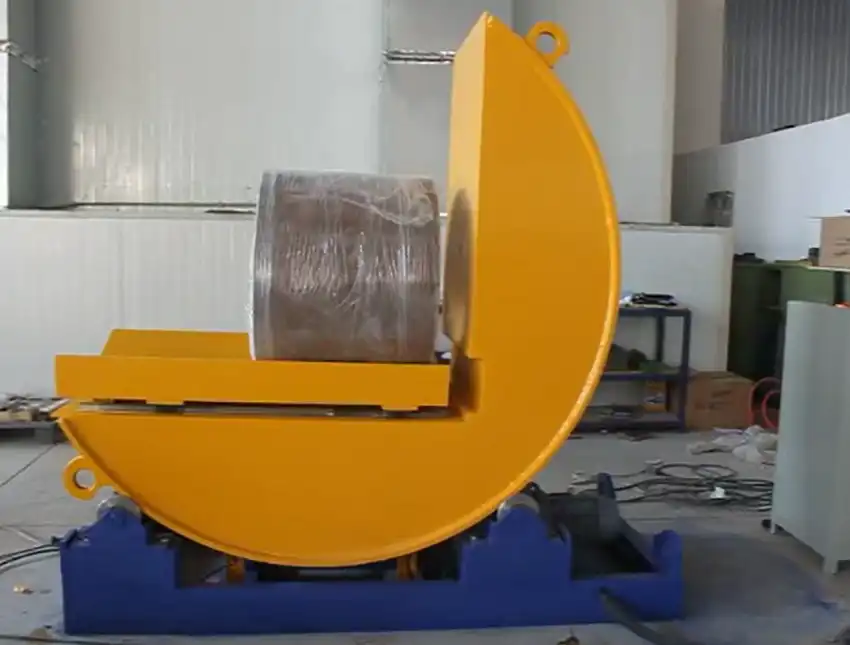

My own path from packing machine employee to factory owner showed me the real value of good training. I remember times when new equipment came into the factory. If the training was poor, mistakes happened. Sometimes coils were damaged. Sometimes workers were at risk. When I opened FHOPEPACK, I made sure that comprehensive training was part of our core offering. We do not just sell machines; we help our clients train their teams. We believe that a well-trained operator is the most important safety device on any machine. For Canadian factories like Michael Chen’s, where heavy steel coils and wires are constantly moving, effective training is not optional. It is vital for success and for saving lives.
Comprehensive Training Modules
Effective upender training should include several modules. First, operators need to understand the machine’s design and function. This means learning about its parts, how it works, and what it is designed to do. Second, they need to learn about safe operating procedures. This includes loading and unloading coils, positioning them correctly, and operating the controls. Third, emergency procedures are vital. Operators must know where emergency stops are. They must know how to use them. They must also know what to do in case of a power failure or a machine malfunction. Finally, training must cover common hazards. This means understanding pinch points, crush zones, and the risks of falling loads.
Practical and Theoretical Learning
Training should mix classroom learning with hands-on practice. Theoretical sessions teach the “why” behind the rules. They cover OHS regulations, machine specific warnings, and safety manuals. Practical sessions let operators use the upender under supervision. This helps them get comfortable with the controls. It also helps them practice safe movements. They learn how the machine feels with different loads. They learn to recognize unusual sounds or vibrations. This hands-on part is crucial. It helps operators build muscle memory and confidence. It makes sure they can apply what they learned in a real production setting. Without practical training, theoretical knowledge is not enough.
Regular Refreshers and Record-Keeping
Safety training is not a one-time event. Operators should have regular refresher courses. This ensures they remember the rules. It also keeps them updated on any new procedures or machine changes. Factories change. Machines get updated. New risks can appear. Regular refreshers keep safety knowledge current. Also, all training must be documented. This includes dates, topics covered, and who attended. These records show that your company is meeting its legal training duties. They also help track operator competency. This documentation is important during safety audits or if an incident occurs. It proves that your company took steps to ensure operator safety.
| Training Element | Description | Frequency |
|---|---|---|
| Machine Basics | Components, functions, operating principles. | Initial, New Hire |
| Safe Operation | Loading, unloading, control usage, proper positioning. | Initial, New Hire |
| Emergency Prep | E-stops, power failure, malfunction response. | Initial, Refresher |
| Hazard Awareness | Pinch points, crush zones, falling loads, PPE use. | Initial, Refresher |
| Practical Drills | Hands-on operation under supervision. | Initial, Refresher |
| Regulatory Review | OHS Acts, relevant CSA standards. | Refresher (Annual) |
| Record Keeping | Documentation of all training sessions. | Ongoing |
Why Is Regular Maintenance Critical for Upender Safety in Harsh Industrial Settings?
Are you running your machines until they break down? Many factory managers wait for equipment to fail before they act. But in demanding environments like heavy metal processing, this approach is a recipe for disaster. A neglected coil upender can fail at any moment, causing dangerous situations, damaging expensive materials, and shutting down your entire line. This means lost production and huge costs. You need equipment that can stand up to the tough work. But even the best machine needs consistent care.
Regular maintenance is critical for upender safety. Especially in harsh industrial settings. Factories that process steel coils or heavy wire operate in tough conditions. Dust, vibration, and heavy use can wear down machinery quickly. Without regular checks and service, even the most robust coil upender can become unreliable. A well-maintained upender works as it should. It reduces the chance of breakdowns. It also lowers the risk of accidents caused by faulty equipment. This keeps your workers safe and your production lines moving.


My experience running a packing machine factory taught me that machine uptime is everything. Downtime means lost money. But even worse, unexpected breakdowns can create very dangerous situations. I always stressed to my team that proactive maintenance saves lives and money. It is not just about fixing things when they break. It is about preventing them from breaking in the first place. For Michael Chen, who needs durable equipment that can handle a high-intensity environment, a strong maintenance program is not just a suggestion. It is essential for protecting his investment, his team, and his bottom line. This focus on reliability and problem-solving is why FHOPEPACK always emphasizes strong after-sales support and expert guidance for maintenance.
Preventive Maintenance Program
A preventive maintenance program is key for upenders. This means doing service work at set times, not just when something breaks. It includes daily visual checks by operators. They look for leaks, strange noises, or loose parts. It also includes weekly or monthly checks by trained technicians. These checks look at hydraulics, electrical systems, and mechanical parts. For example, they check hydraulic fluid levels and look for wear on moving parts like bearings and chains. They also inspect safety components, such as limit switches and emergency stop buttons. This scheduled care helps catch small issues before they become big, expensive problems. It also keeps the upender working reliably and safely.
Predictive Maintenance Technologies
Beyond preventive care, some factories use predictive maintenance. This uses technology to monitor the upender’s condition. Sensors can track vibration levels, temperature, and current draw. This data helps predict when a part might fail. For example, increased vibration could mean a bearing is about to go bad. High motor temperature could signal an electrical issue. By knowing this in advance, maintenance can be planned. This reduces unplanned downtime. It also prevents catastrophic failures. In a busy metal processing plant, this type of insight can save huge amounts of money and prevent accidents. It allows for repairs to be done during scheduled breaks, not in the middle of a critical production run.
Spare Parts and Service Support
Having the right spare parts on hand is also vital for fast repairs. This means having critical components like sensors, hydraulic hoses, and specific motor parts ready. When a part fails, you want to replace it quickly. Waiting for parts to ship can cause long production delays. It is also important to have access to expert service support. This can be from the upender manufacturer or a certified service provider. These experts know the machine best. They can diagnose complex problems. They can also ensure repairs are done correctly and safely. At FHOPEPACK, we make sure our clients have access to the parts and support they need. We know that a machine is only as good as its uptime.
| Maintenance Type | Description | Example Actions | Frequency |
|---|---|---|---|
| Daily Checks | Quick visual and operational inspections. | Check fluid levels, listen for unusual sounds, test E-stops. | Before each shift |
| Weekly Checks | More detailed inspections of key components. | Inspect hydraulic lines, check electrical connections, test limit switches. | Weekly |
| Monthly/Quarterly | Thorough component inspection, lubrication. | Grease bearings, inspect chains/belts, check for structural cracks. | Monthly/Quarterly |
| Annual Service | Full system overhaul, component replacement. | Replace hydraulic filters, recalibrate sensors, comprehensive safety system test. | Annually |
| Predictive | Using sensors to monitor condition and predict failure. | Vibration analysis, thermal imaging, oil analysis. | Continuous/As needed |
| Documentation | Recording all maintenance activities. | Log repairs, inspections, and parts replaced. | Ongoing |
Conclusion
Following safety protocols for coil upenders in Canada is not just about rules; it is about protecting people and profits. From strong regulations and thorough training to consistent maintenance, each step makes your factory safer and more efficient. Embrace these practices to secure your operations and empower your team.












