
Which Preventive Maintenance Strategies Ensure Brazilian Tilter Reliability?
leading paragraph: Imagine your factory floor. Every minute of downtime costs you money. Every breakdown brings stress. You are under constant pressure to deliver more, faster, and safer. If you are running heavy machinery like industrial tilters, especially in demanding environments, you know this feeling well. You need your equipment to work, all the time, without fail.
snippet paragraph:
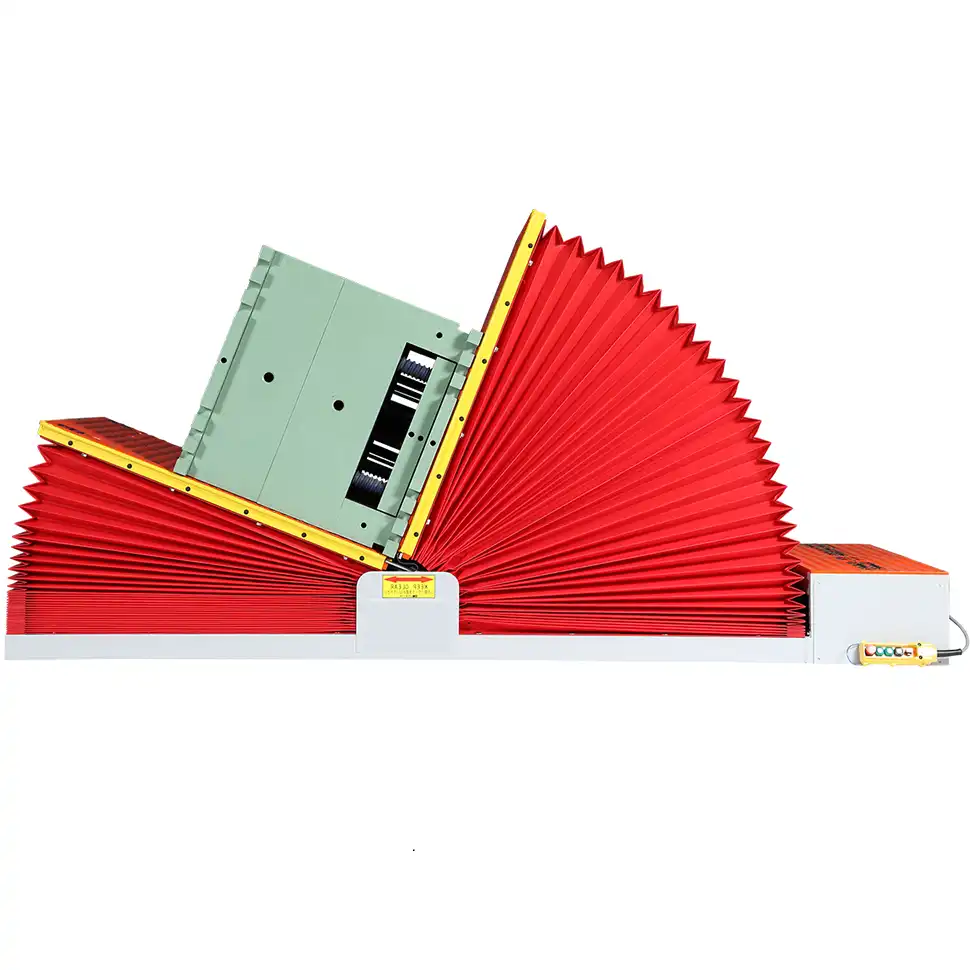
To ensure industrial tilter reliability in challenging settings, the most effective preventive maintenance strategies include regular inspections, timely lubrication, predictive monitoring with advanced sensors, and comprehensive training for your team. These steps help you catch small issues before they become big, costly problems, keeping your operations running smoothly.
Transition Paragraph: I have spent decades building and running packing machine factories. I understand the pressures you face every day. From my own journey, I know that reliable machinery is not just about buying good equipment. It is about how you care for it. Let’s look at the real strategies that make a difference.
Why is Proactive Maintenance Key to Your Tilter’s Life?
leading paragraph: Are you tired of unexpected equipment failures? Do sudden breakdowns disrupt your production schedules and eat into your profits? Ignoring maintenance seems like saving money in the short term. But it always leads to bigger costs and more headaches later on.
snippet paragraph:
Proactive maintenance is key to your tilter’s life because it helps you avoid sudden breakdowns, extend equipment lifespan, improve worker safety, and reduce overall operating costs. By planning maintenance, you prevent minor wear from turning into major repairs, keeping your production line moving without interruption.
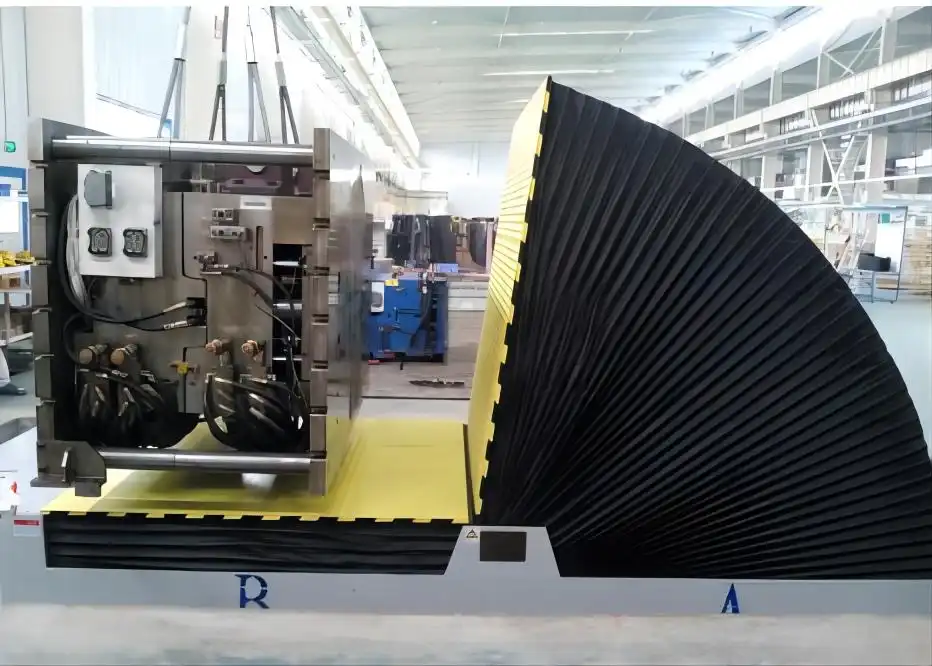
Dive deeper Paragraph: In my experience, many factory managers face a tough choice. Do you stop the line for planned maintenance? Or do you wait until something breaks? Waiting is a trap. It leads to unscheduled downtime. This type of downtime is far more expensive. It wastes raw materials. It delays deliveries. It also puts your workers at risk. A proactive approach means you control the timeline. You can schedule maintenance during off-peak hours. You can even do it during planned shutdowns. This planning improves safety. When machines are well-maintained, they run as designed. This reduces the risk of mechanical failures. It also means less manual intervention for repairs. My own factory once faced issues with constant minor breakdowns. We switched to a strict proactive maintenance schedule. We saw an immediate drop in emergency repairs. Our production output became more predictable. This also improved employee morale. Workers felt safer. They were more productive too. This strategy helps with budgeting. You can predict maintenance costs more accurately. Unexpected repairs can destroy a budget. They often require expensive rush orders for parts. Proactive maintenance is an investment. It is not an expense. It secures your factory’s future. It ensures long-term operational stability. It is especially important for heavy-duty equipment like industrial tilters. These machines handle heavy loads daily. They work in tough conditions. Ignoring small issues can lead to catastrophic failures. Such failures might damage the tilter. They could also harm nearby equipment. The most important point is safety. Manual handling of heavy items is dangerous. Tilters make it safer. But only if they work correctly. A faulty tilter could drop a heavy coil. This poses a huge risk to human life. It also causes massive product loss. So, proactive maintenance is not just good practice. It is essential for survival. It keeps your plant efficient and your people safe. It protects your bottom line. It also protects your reputation with clients.
What Specific Checks Keep Your Tilter Running Smoothly?
leading paragraph: Do you wonder exactly what you should check on your tilter? Are you unsure which parts need the most attention? Neglecting specific components can lead to common breakdowns. Knowing what to look for saves time and prevents problems.
snippet paragraph:
To keep your tilter running smoothly, specific checks include daily visual inspections for wear and tear, weekly lubrication of moving parts, monthly checks of hydraulic systems and electrical connections, and quarterly structural integrity assessments. Regularly inspecting bearings, gears, and safety mechanisms is also critical for optimal performance.
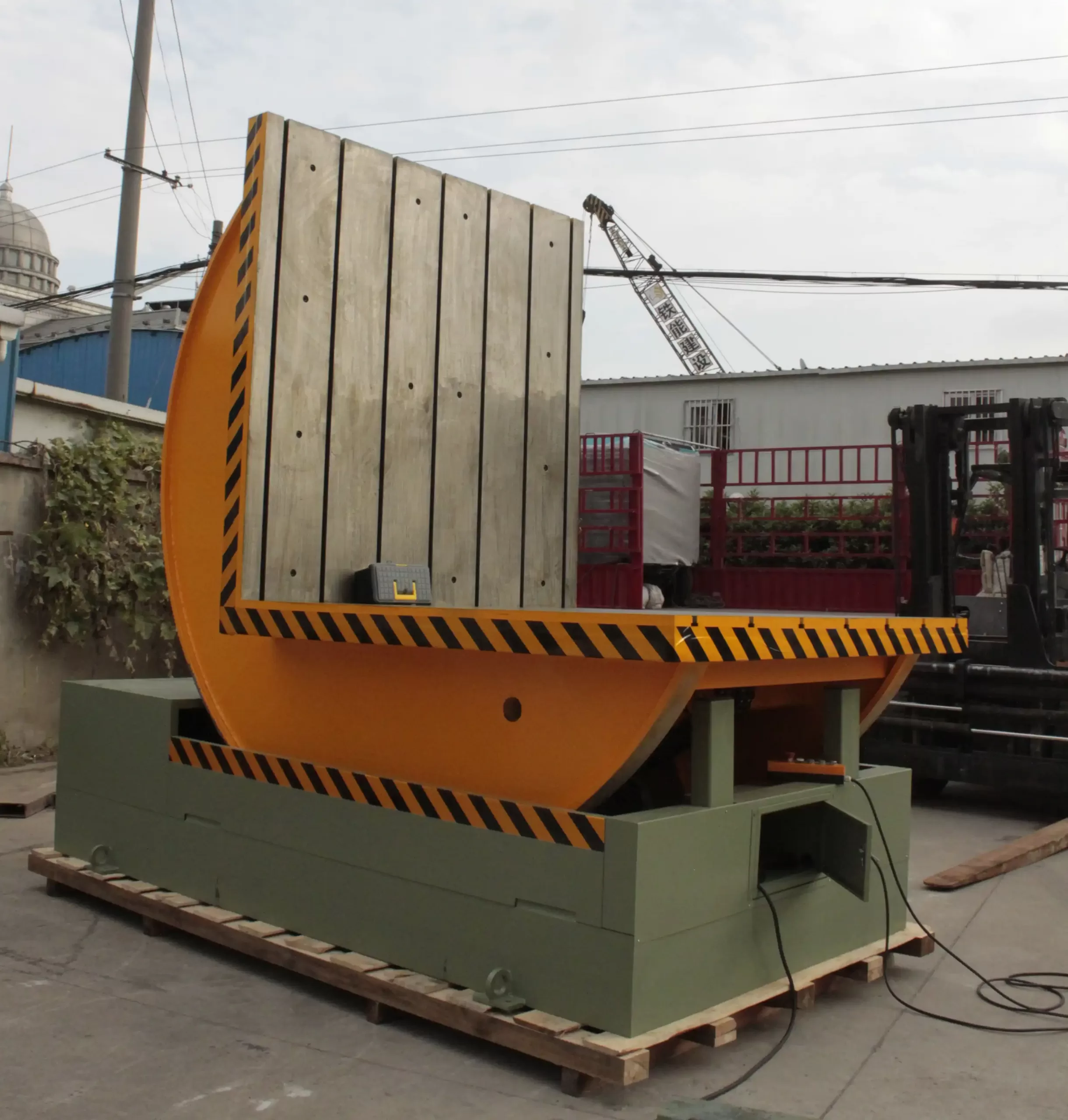
Dive deeper Paragraph: A tilter is a complex machine. It has many moving parts. Each part needs attention. When I designed packing machines, I focused on durability. But even the best designs need care. Start with daily visual checks. Look for loose bolts. Check for unusual leaks of oil or grease. Listen for strange noises. These are often the first signs of trouble. Then, think about lubrication. Moving parts create friction. Friction causes wear. Proper lubrication reduces this. It extends the life of bearings and gears. Use the right type of lubricant. Follow the manufacturer’s schedule. This seems simple, but it is often overlooked. Next, check the hydraulic system. Tilters use hydraulics to lift and tilt heavy loads. Inspect hoses for cracks or bulges. Check the fluid level. Make sure there are no air bubbles in the system. Air can make the tilter operate unevenly. This creates a safety risk. Electrical systems are also vital. Ensure all wires are secure. Look for any signs of fraying or heat damage. Test emergency stop buttons regularly. This is a critical safety feature. Do not skip it. Finally, look at the structure itself. Heavy loads put stress on the frame. Check for cracks in welds. Look for bending or deformation. These checks become more important over time. They are even more vital in a busy factory. The environment can be harsh. Dust, heat, and continuous use all impact machinery. This is true for a Brazilian factory or one in Mexico. The principles are the same. A worn part on a tilter might seem small. But it can cause a domino effect. It can lead to complete machine failure. It can also cause product damage. For example, a worn bearing in a tilter’s pivot point. It causes uneven movement. This can make a steel coil shift. It might scrape its edges. This leads to customer complaints and lost profit. These specific checks prevent these issues. They save you money. They keep your production line efficient.
How Can Technology Boost Your Tilter’s Upkeep?
leading paragraph: Are your maintenance teams still relying on guesswork? Is your equipment telling you it needs attention only after it breaks down? Old maintenance methods can be slow and inefficient. They often lead to costly surprises.
snippet paragraph:
Technology can boost your tilter’s upkeep by enabling predictive maintenance. This includes using sensors for vibration analysis, thermal imaging to detect overheating parts, and oil analysis to monitor lubrication quality. These tools provide real-time data, allowing you to schedule maintenance precisely when needed, before failures occur.
Dive deeper Paragraph: We live in an age of smart technology. This technology is not just for fancy gadgets. It is for the factory floor too. For industrial tilters, technology moves us beyond just preventing failures. It helps us predict them. One key technology is vibration analysis. Sensors attach to the tilter’s motors and bearings. They detect tiny changes in vibration patterns. A sudden change often means a part is about to fail. You get an alert. You can replace the part during a planned stop. This avoids a breakdown. Thermal imaging is another powerful tool. Infrared cameras show you hot spots. An overheated motor or bearing means it is working too hard. Or it is about to seize up. You can fix it before it causes a major problem. Oil analysis is also very useful. You take small samples of the hydraulic fluid or gear oil. Labs analyze these samples. They look for tiny metal particles. These particles indicate wear. They can tell you exactly which part is wearing down. This helps you plan precise repairs. These technologies provide data. Data helps you make smart decisions. You move from scheduled maintenance to condition-based maintenance. This means you only do maintenance when the machine needs it. This saves time and money. It also extends the life of parts. Think about Michael Chen’s factory. He needs to maximize output. He cannot afford unexpected downtime. Using these technologies helps him achieve that. It provides visibility into the health of his critical equipment. He can use this data to optimize his entire operation. It is about working smarter, not harder. My own journey involved seeing how technology transformed manufacturing. When I started FHOPEPACK, I knew the importance of sharing knowledge. This knowledge includes how technology can change maintenance from reactive to proactive. It gives factory managers more control. It reduces stress. It increases profit.
Why is a Trusted Partner Essential for Tilter Performance?
leading paragraph: Have you worked with equipment suppliers who disappear after the sale? Do you struggle to find true experts who understand your unique factory challenges? Getting the right equipment is one thing. Having a partner who supports you for the long term is another.
snippet paragraph:
A trusted partner is essential for tilter performance because they offer more than just machinery; they provide expert insights, reliable after-sales support, and solutions tailored to your specific operational needs. A good partner understands your production bottlenecks, safety concerns, and cost pressures, guiding you to optimal equipment choices and maintenance strategies.
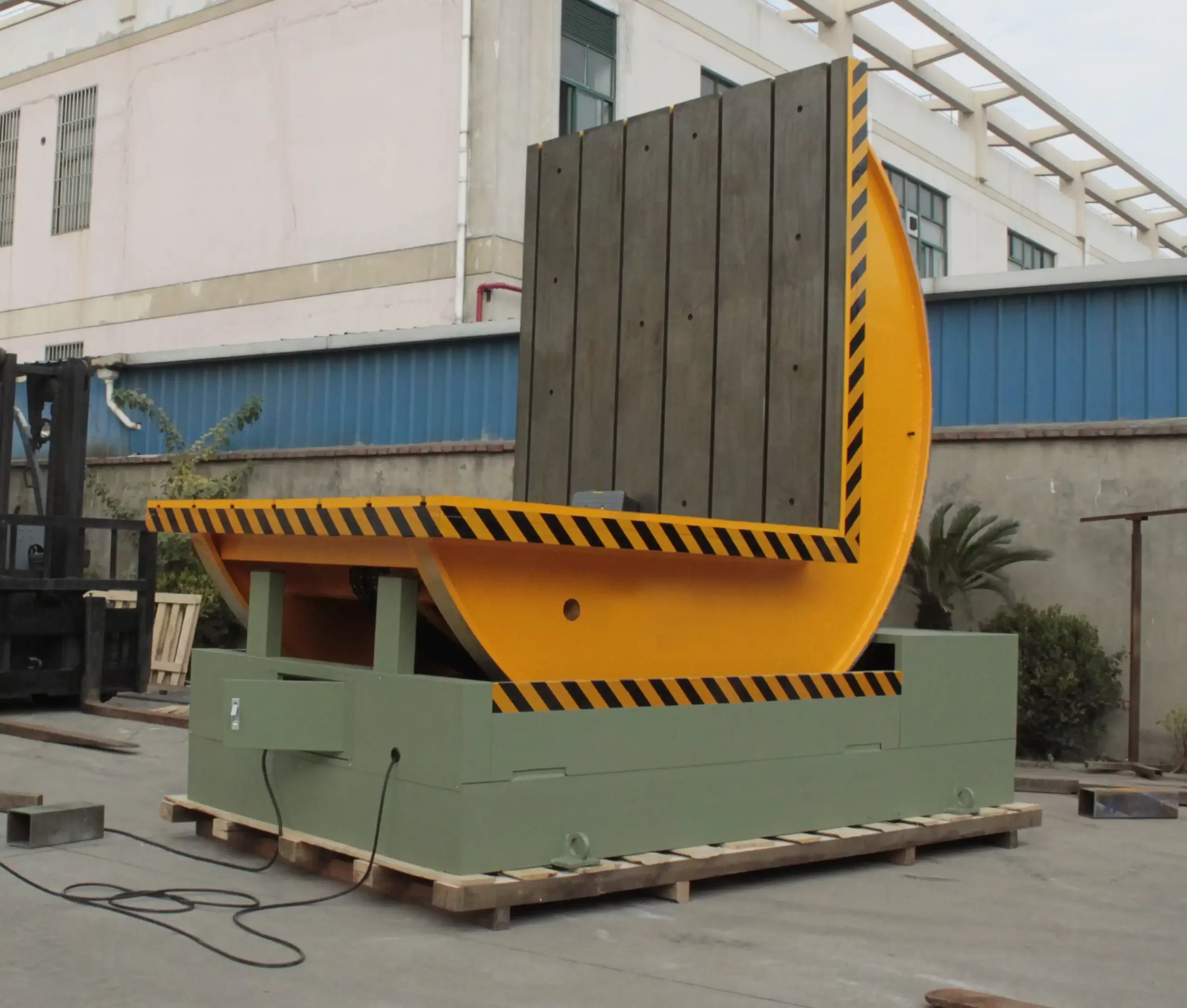
Dive deeper Paragraph: I have seen many factories grow. I have also seen some struggle. Often, the difference is the quality of their partners. When I established my own packing machine factory, I learned this firsthand. It is not enough to sell a machine. You need to sell a solution. And you need to support that solution. For heavy-duty tilters, this partnership is even more vital. You need a supplier who understands the harsh reality of industrial environments. They should know about the vibrations. They should know about the dust. They should understand the heavy loads. They should know the importance of uptime. A good partner does not just give you a sales pitch. They ask about your challenges. They want to know about your production bottlenecks. They care about your safety concerns. They suggest equipment that truly fits your needs. They also offer strong after-sales service. This includes technical support. It includes spare parts availability. It also includes training for your team. Michael Chen, for example, has faced supplier trust issues. He needs a partner who means what they say. Someone who will be there when a problem arises. Someone who offers true value beyond the initial purchase. My goal with FHOPEPACK is to be that partner. I want to share the knowledge I gained. I want to help factories like Michael’s. I want to help them solve their real-world problems. This means offering insights on preventive maintenance. It means guiding them on the best equipment for their specific needs. It means helping them achieve their goals for automation, safety, and cost reduction. A strong partnership builds confidence. It ensures your investment pays off. It helps you sleep better at night. You know you have expert help if something goes wrong. This is the difference between buying a machine and investing in a reliable future.
My Insights!
Leading a factory is tough. I know this from my own journey. I started as an employee. Then I built my own successful factory. I saw how crucial reliable machinery is. I learned that preventive maintenance is not a choice. It is a necessity. It protects your people. It protects your profits. And it protects your peace of mind. Investing in your tilter’s maintenance is investing in your factory’s future. It makes your operations safer and more efficient. It also builds customer trust.
Conclusion
Preventive maintenance is vital for tilter reliability. It prevents breakdowns, enhances safety, and boosts efficiency. Smart strategies and a trusted partner ensure your factory runs smoothly.








