
Which Preventive Maintenance Practices Maximize Tilter Uptime in Colombia?
Imagine your factory floor in Colombia. Heavy steel coils or molds move. Your tilter machine suddenly stops. Production slows down. Your team stands idle. You feel the pressure build. This problem costs you money. It loses you time. It affects your delivery schedule. This is a common issue for many plant managers, especially those dealing with high-volume production in demanding environments.
Maximizing tilter uptime in Colombia, or anywhere, relies on strong preventive maintenance. This means doing regular inspections, using the right lubrication, and having key spare parts ready. It also means training your team well. These actions stop problems before they start. They keep your machines running. This ensures your production line stays active.
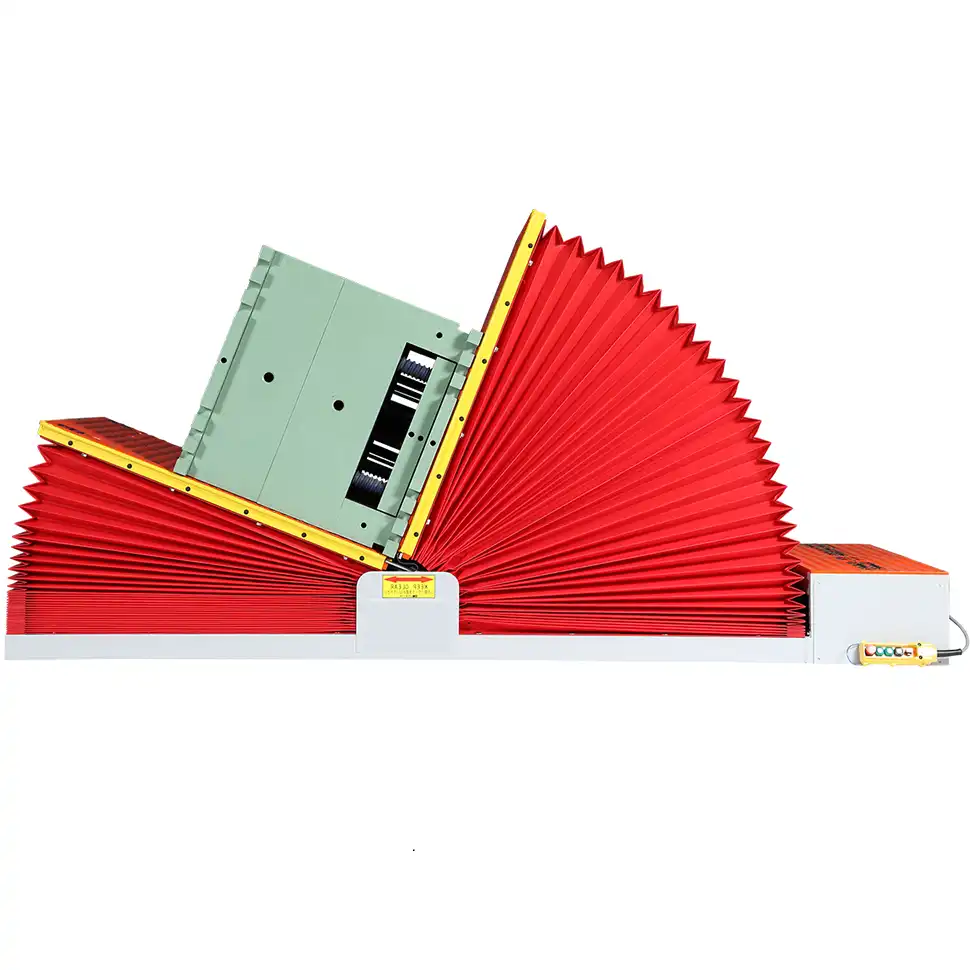
You see the pain of unexpected downtime. You want to avoid it. But how do you actually put these ideas into practice? Let’s go deeper. We will look at specific steps you can take. We will learn how to keep your tilters working at their best.
How Do Regular Inspections Prevent Tilter Breakdowns in Demanding Factories?
Do you know when your tilter will break next? Most people do not. A small noise today can become a big problem tomorrow. This causes your entire production to stop. This unexpected halt costs you money. It also delays your shipments. This creates big headaches for any factory manager.
Regular inspections prevent tilter breakdowns by finding small issues early. This includes checking bolts, wires, and moving parts for wear. It means listening for unusual sounds. It also means looking for leaks. Fixing these small problems stops them from turning into big, costly failures. This keeps your tilters running reliably.
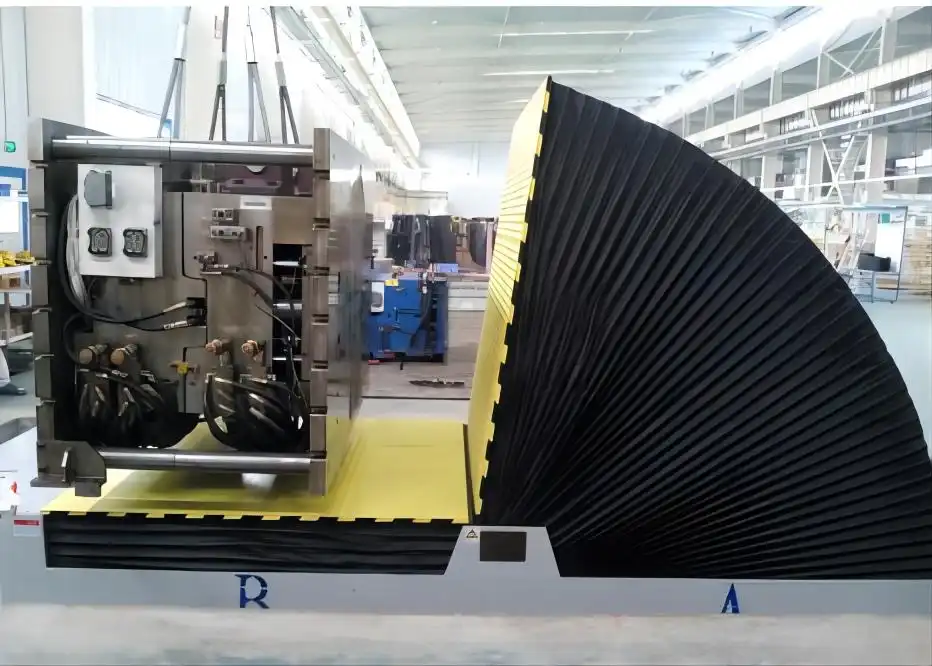
My journey in the packing machine industry taught me a key lesson. A small check can save a big amount of money. When I started my factory, I learned this firsthand. Regular inspections are not just about looking at a machine. They are about understanding its health. Think of it like a car check-up. You do not wait for the engine to fail before you take it to the shop.
The Power of Scheduled Checks
Scheduled checks are the backbone of good maintenance. They give you a routine. This routine helps your team look at every part of the tilter. They check for wear and tear. They look for loose connections. They check for anything that seems out of place. This prevents small issues from growing.
- Daily Visual Checks: Operators should do a quick check every day. They look for obvious damage. They listen for strange noises. They check fluid levels. This takes only a few minutes. It can prevent hours of downtime.
- Weekly Detailed Inspections: A maintenance technician does these. They check all fasteners. They inspect hydraulic hoses. They look at electrical connections. They also check safety features. This is more in-depth. It finds hidden problems.
- Monthly or Quarterly Comprehensive Reviews: These are even deeper. They might involve partial disassembly. They check internal components. They look at the structural integrity of the machine. This is where you find wear that is not visible every day.
What to Look For
When doing these inspections, your team needs a checklist. This checklist makes sure nothing is missed. It covers all critical areas.
| Component Group | Specific Checks | Potential Issues Prevented |
|---|---|---|
| Mechanical Parts | Bearings, gears, chains, belts | Friction, misalignment, breakage |
| Hydraulic System | Hoses, cylinders, pumps, fluid levels, leaks | Loss of power, slow operation |
| Electrical System | Wires, sensors, motors, control panel | Power loss, control failure |
| Structural Frame | Welds, bolts, base plates | Instability, fatigue cracks |
| Safety Features | Emergency stops, safety guards, interlocks | Accidents, worker injury |
I remember one time, early in my career, a client had a tilter. It was making a strange sound. They ignored it. A few weeks later, the main bearing failed. The entire machine stopped. Production halted for days. It cost them a lot of money. If they had done a simple check, they could have fixed it for a small cost. This experience taught me the value of being proactive. This is why I always tell my clients, especially in places like Colombia with busy factories, to never skip their inspections. They are your first line of defense. They protect your investment. They keep your people safe.
What Lubrication Strategies Keep Tilters Running Smoothly in Harsh Industrial Settings?
Imagine grinding metal. Without oil, the parts quickly wear out. Your tilter faces constant stress. It moves heavy loads. If its moving parts are dry, they will fail fast. This leads to friction. It causes overheating. Your machine breaks down early. This adds huge costs to your operation.
Effective lubrication strategies keep tilters running smoothly. They reduce friction between moving parts. This prevents wear and tear. It also stops overheating. This involves choosing the right type of grease or oil. It also means applying it at the correct times. Proper lubrication extends the life of your tilter. It makes sure it operates without problems.
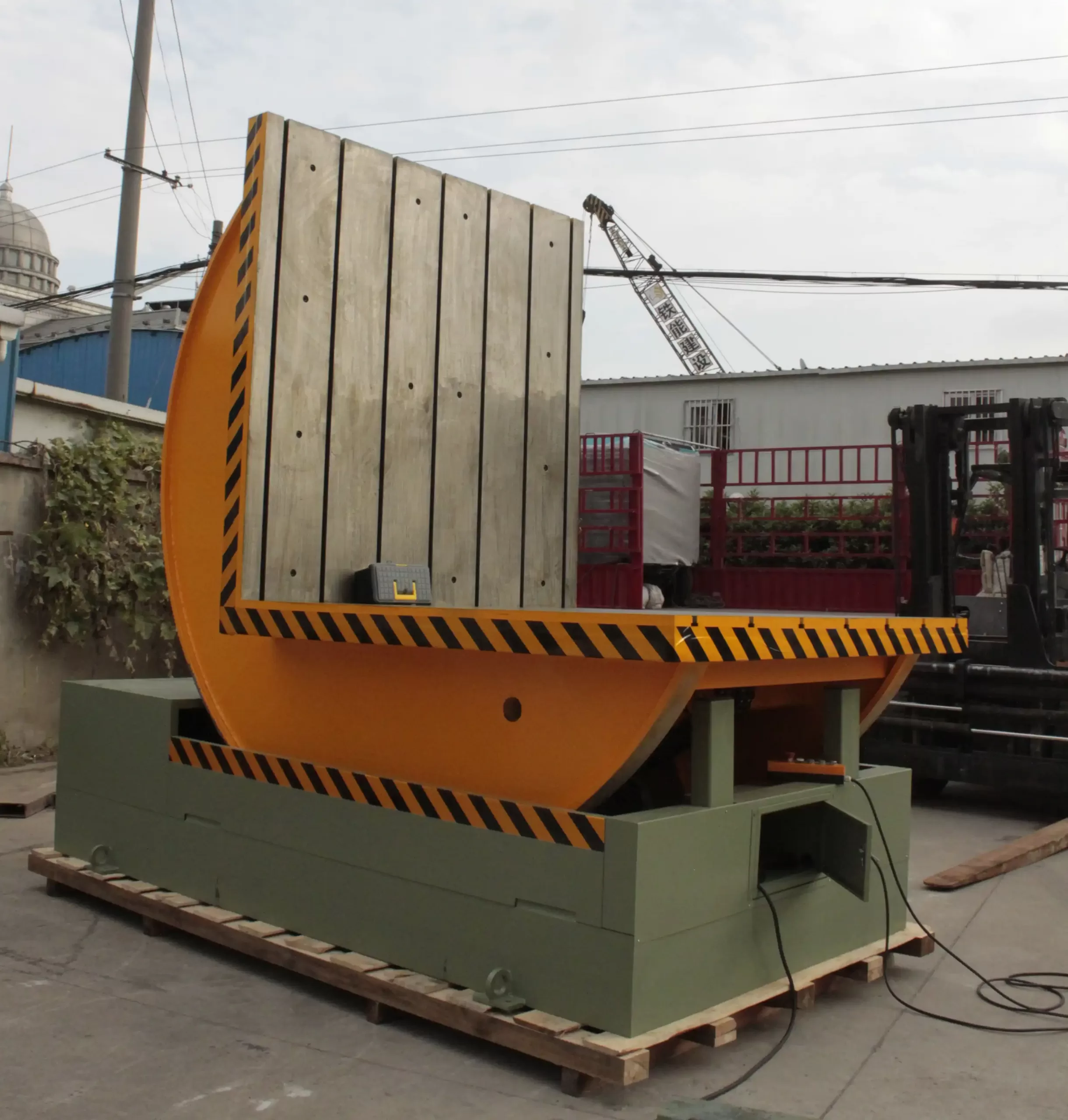
When I was first setting up my factory, I paid close attention to every detail. I learned that lubrication is not just about putting oil on a part. It is a science. In demanding places like Colombia’s heavy industry, machines work hard. They often work in dusty or hot conditions. This makes proper lubrication even more important. It can make or break your machine’s performance.
Choosing the Right Lubricant
The type of lubricant you use matters a lot. Not all oils and greases are the same. They are made for different conditions and machine parts. Using the wrong one can do more harm than good.
- Grease: Good for bearings and gears that move slowly. It stays in place. It offers good protection against dirt and water.
- Oil: Better for parts that move fast. It helps remove heat. It can get into small spaces.
You need to check your tilter’s manual. It will tell you the exact type of lubricant to use. It will also say how much.
Lubrication Schedule and Methods
Applying lubricant at the right time is as important as using the right type. Too little, and parts wear out. Too much, and it can create a mess or cause other problems.
- Follow Manufacturer’s Guide: This is your best starting point. The tilter maker knows best. They set the schedule. They tell you where to apply lubricant.
- Consider Operating Conditions: If your factory is very dusty, you might need to lubricate more often. If it’s very hot, the lubricant might break down faster. Adjust your schedule based on your real-world environment.
- Use Proper Tools: Do not just pour oil or smear grease with your hand. Use grease guns and oil cans. They help you apply the right amount in the right place. Some modern tilters have automatic lubrication systems. This is a great feature. It takes away the guesswork. It ensures constant, correct application.
Benefits of Proper Lubrication
The benefits of a good lubrication strategy are huge. They directly impact your bottom line.
| Benefit | How it Helps Your Factory |
|---|---|
| Reduced Wear | Parts last longer, meaning fewer replacements. |
| Less Friction | Machine uses less energy, saving electricity costs. |
| Lower Heat | Prevents damage from overheating, prolongs component life. |
| Corrosion Control | Protects metal surfaces from rust and chemical damage. |
| Quieter Operation | Smoother movement means less noise pollution. |
I remember visiting a client’s factory that was struggling with their old machinery. Their tilters were constantly breaking down. The problem was simple: they were using the wrong type of grease, and not enough of it. Once we helped them set up a proper lubrication plan, their uptime shot up. They saved money on parts. They also had less noise on the factory floor. It made a real difference. For factory managers like Michael Chen, who need their equipment to withstand high intensity, a smart lubrication plan is not an option. It is a must. It protects your investment. It ensures your lines keep moving.
Are Spare Parts Programs Essential for Avoiding Unexpected Tilter Downtime?
Your tilter breaks down. You need a specific part. You call the supplier. They say it will take weeks to ship. Your production stops. Every hour of waiting costs you. This delay impacts your clients. It hits your profits hard. This is a nightmare for any plant manager.
Yes, spare parts programs are essential for avoiding unexpected tilter downtime. Having critical spare parts on hand means you can fix a broken machine fast. This avoids long waits for parts to arrive. It greatly reduces lost production time. It also helps manage repair costs. A good program identifies key parts and keeps them in stock.
In my early days, when I ran my own factory, I learned the hard way about spare parts. Once, a small, inexpensive sensor failed on a critical machine. I did not have a spare. It took days to get a new one. Those days of downtime were far more expensive than the sensor itself. This made me realize the true value of a robust spare parts program. For factories in places like Colombia, where international shipping can add delays, having parts locally is even more important.
Identifying Critical Spare Parts
Not every part needs to be in your inventory. Focus on parts that are:
- High Failure Rate: Parts that break often due to wear or stress.
- Long Lead Time: Parts that take a long time to ship from the supplier.
- Critical to Operation: Parts that will stop the entire machine if they fail.
Your tilter’s manual often lists recommended spare parts. Talk to your equipment supplier. They can give you a list of the most important parts to stock.
Building Your Inventory
Once you know which parts you need, you must decide how many to keep. It’s a balance. You do not want too many parts sitting unused. But you also do not want too few.
- Minimum Stock Levels: Set a minimum number for each critical part. When you use one, reorder immediately.
- Supplier Relationships: Build strong relationships with your equipment suppliers. This can speed up delivery for parts you do not stock. They can also offer advice on what to keep.
- Local Suppliers: Look for local suppliers in Colombia. They might stock common parts. This reduces shipping time and cost.
Managing Your Spare Parts Inventory
A good spare parts program is more than just buying parts. It is about managing them well.
| Inventory Management Aspect | Why It Matters |
|---|---|
| Accurate Records | Know what you have, where it is, and when it was used. |
| Proper Storage | Protect parts from damage, dust, or corrosion. |
| Regular Audits | Check your inventory against your records. Find missing or damaged parts. |
| Part Numbering | Use clear part numbers for easy identification and reordering. |
Think about Michael Chen’s situation. He runs a metal processing plant. Any downtime means huge losses. If a tilter breaks because of a small part, Michael needs that part fast. Waiting for weeks is not an option. A well-managed spare parts program gives him peace of mind. It ensures that when a problem happens, the solution is already within reach. It saves a factory from expensive production stops. It protects your bottom line. It is an investment that truly pays off, especially for high-intensity operations.
Does Operator Training Truly Boost Tilter Reliability and Safety?
Your team uses the tilter every day. But do they know how to use it right? Incorrect use can harm the machine. It can also hurt your workers. This leads to more breakdowns. It also causes accidents. You face higher costs. Your team might get injured. This creates major risks for your factory.
Yes, operator training truly boosts tilter reliability and safety. Trained operators know how to use the machine correctly. They understand its limits. They can spot problems early. They also follow safety rules. This reduces machine damage. It lowers accident risks. Well-trained staff use the tilter efficiently and safely, leading to fewer breakdowns and a safer workplace.
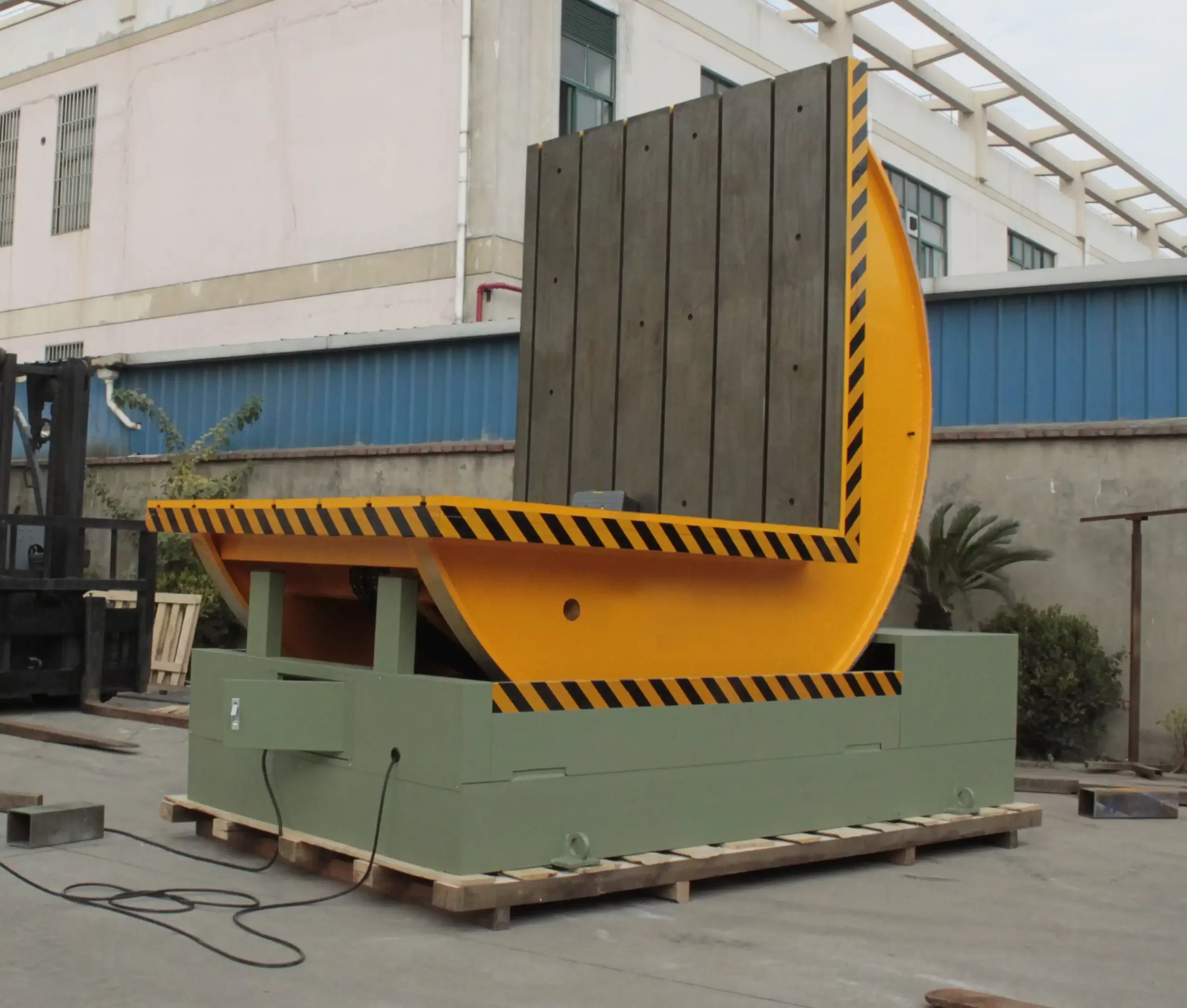
When I started FHOPEPACK, one of my main goals was knowledge sharing. I always believed that a well-informed team is your biggest asset. It is not enough to just buy a great machine. You must also empower the people who use it. This is especially true for complex machinery like tilters, which handle heavy and often dangerous materials. In busy Colombian factories, where safety and efficiency are critical, skilled operators are priceless.
The Impact of Proper Training
Untrained operators can cause many problems. They might operate the machine in ways it was not designed for. They might ignore warning signs. They might not follow safety procedures. All these things lead to breakdowns and accidents. On the other hand, well-trained operators:
- Operate Correctly: They use the tilter as intended, reducing stress on components.
- Identify Issues: They can tell when something is wrong. They report it quickly. This allows for early fixes.
- Perform Basic Maintenance: They can do simple checks and lubrication. This helps with daily upkeep.
- Follow Safety Protocols: They understand and respect safety rules. This prevents injuries.
What Should Training Cover?
A good training program for tilter operators should cover several key areas. It should be both theoretical and practical.
- Machine Operation: How to start, stop, and operate all functions. This includes loading and unloading materials safely.
- Safety Procedures: Emergency stop, lockout/tagout, pinch points, load limits, and personal protective equipment (PPE). This is very important.
- Basic Troubleshooting: What to do when a minor fault occurs. When to call a technician.
- Routine Checks: How to perform daily visual inspections. How to do basic lubrication.
- Understanding the Manual: How to read and understand the tilter’s operation manual.
Training Methods
Training should be ongoing. It should not be a one-time event.
- Hands-on Practice: The best way to learn is by doing. Supervised practice is crucial.
- Refresher Courses: Periodically, bring operators back for refresher training. This reinforces good habits. It also covers new features or updates.
- Safety Drills: Practice emergency procedures. This makes sure everyone knows what to do if an accident happens.
- Supplier Training: When you buy a new tilter, ask the supplier to provide training. This is part of the service FHOPEPACK offers. We make sure your team knows how to use our machines safely and efficiently.
For someone like Michael Chen, who is focused on reducing injuries and improving safety, operator training is a direct answer. It is an investment in his team. It is an investment in his factory’s future. Skilled operators protect the machine. They protect themselves. They help the entire operation run smoothly. It is not just about keeping the machine running. It is about creating a safer, more productive work environment.
My Insights!
Beyond the technical aspects, a critical factor for maximizing tilter uptime, especially in a region like Colombia, comes down to partnership. Michael Chen, like many factory managers I have worked with, has faced “vendor trust crises.” He wants a partner who understands his production bottlenecks, safety concerns, and efficiency challenges. This is where my journey and FHOPEPACK’s mission truly connect.
When I started my packing machine factory, I was an engineer first. I built machines. I understood the challenges from the ground up. I did not just want to sell equipment. I wanted to solve problems. This thinking shaped FHOPEPACK. We know that buying a tilter is a significant investment. It is not just a piece of metal. It is a critical part of your production line.
My insights tell me that true preventive maintenance begins with selecting the right machine from the start. A well-designed, robust tilter, built for heavy-duty use, will naturally require less frequent intense maintenance. This is why we focus on durable equipment. We engineer our machines to withstand the rigorous demands of metal processing plants. We want our tilters to be reliable. We want them to last.
Secondly, FHOPEPACK offers more than just machines. We offer expertise. We provide detailed maintenance guides. We offer training for your operators and maintenance staff. We can help you set up your spare parts program. We understand that every factory is different. We work with you to tailor a plan that fits your needs. This goes beyond a simple sale. It builds a long-term relationship.
Lastly, I believe in giving back. My success came from the packing machine industry. Now, through FHOPEPACK, I share that knowledge. We aim to make mold and packing machine knowledge accessible. This means we are always ready to provide professional guidance. We help you make informed decisions. We want your investment to genuinely drive your business growth. Maximizing tilter uptime is not just about oil and parts. It is about having a reliable machine. It is about having a knowledgeable team. Most importantly, it is about having a trusted partner.
Conclusion
Maximizing tilter uptime in Colombia needs consistent effort. Focus on regular checks, good lubrication, smart spare parts, and trained staff. Partnering with experts like FHOPEPACK ensures long-term reliability and growth.








