
Which pallet inverter design brings faster ROI for large warehouse operations?
Are you a warehouse manager constantly battling varied pallet sizes, labor shortages, and the pressure of fast delivery? The struggle is real. Delayed shipments, costly accidents, and unhappy clients can eat into your profits. You know you need a solution, but choosing the right equipment feels like a gamble.
For large warehouse operations, a fully automated, high-throughput pallet inverter design, especially one that can handle diverse pallet specifications with minimal manual intervention, typically brings the fastest return on investment (ROI) by significantly reducing labor costs, improving safety, and accelerating operational efficiency.
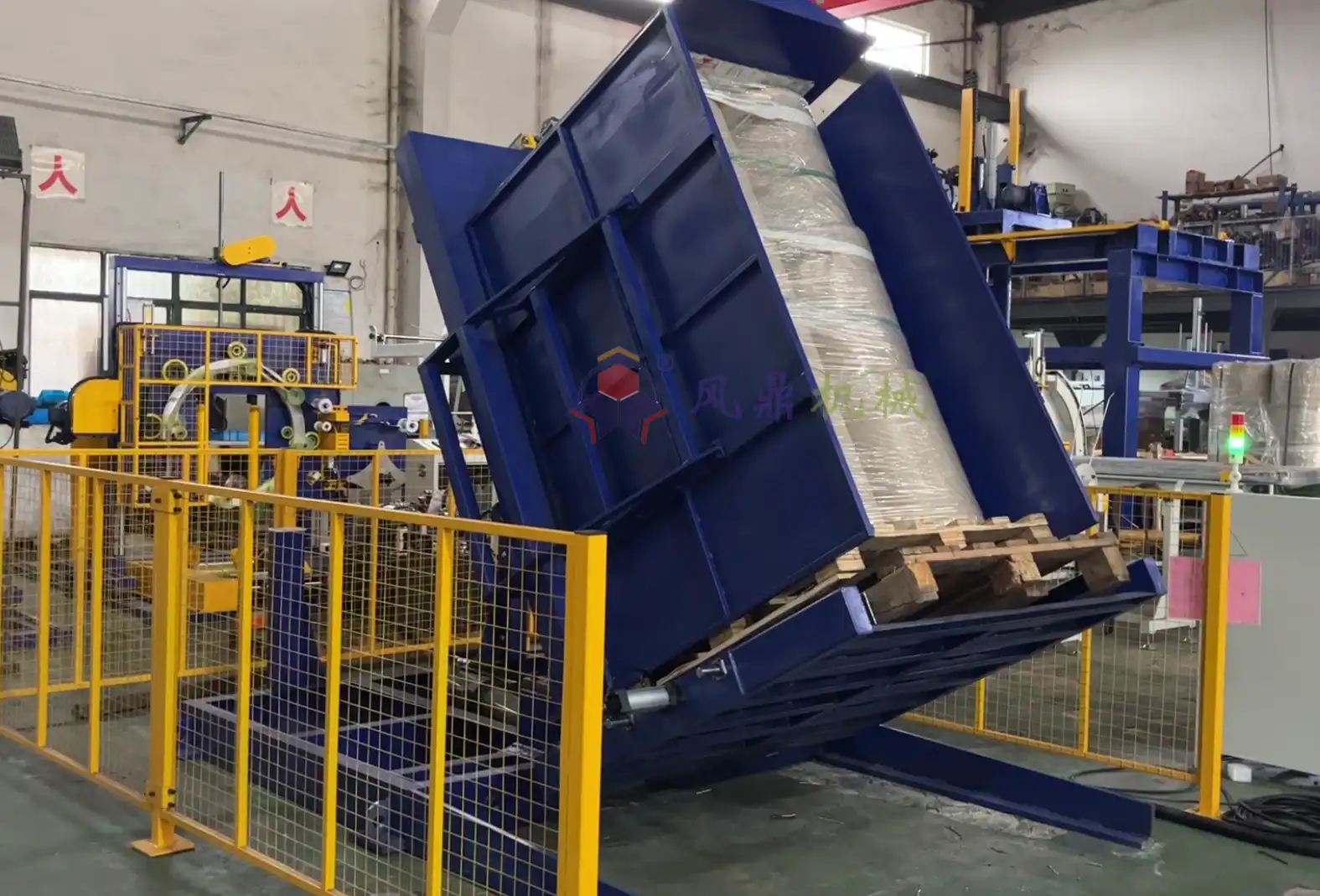
I have seen many warehouse managers like you face these exact issues. My journey in the packing machine industry has taught me that the right equipment can transform a business. Let’s look closer at how to pick a pallet inverter that genuinely delivers results for your operation. We will explore the key factors that decide your ROI. This guide will help you make an informed decision for your warehouse.
How do you really measure ROI for a pallet inverter in a busy warehouse?
Are you thinking about the upfront cost of a pallet inverter? Many people stop there. But a true return on investment in a large, fast-paced warehouse goes far beyond the purchase price. Ignoring hidden costs and potential gains can lead to a costly mistake.
You measure the true ROI for a pallet inverter in a busy warehouse by considering direct cost savings, such as reduced labor and fewer damage claims, alongside indirect benefits like improved safety, increased throughput, and enhanced customer satisfaction, all of which contribute to your bottom line.

When I started my packing machine factory, I quickly learned that the initial investment is only one part of the equation. Long-term value comes from how a machine solves operational pain points. For a large distribution center, especially one handling international shipments, the ROI is a blend of tangible and intangible benefits. Let’s break down these factors that directly impact your ROI.
1. Direct Cost Savings
These are the easiest to see on your balance sheet.
- Reduced Labor Costs:
- Manual pallet changing takes time. It needs several workers.
- An automated pallet inverter can replace these manual tasks. It frees up staff for other important duties.
- This directly cuts down on your wage expenses. This is crucial with today’s labor shortages.
- Decreased Product Damage:
- Manual pallet handling often leads to accidents. Goods can fall. Pallets can break.
- Every damaged item is a loss. It hurts your profit margin.
- A reliable pallet inverter handles goods gently. It secures them during the transfer. This greatly reduces damage.
- Lower Accident and Insurance Costs:
- Heavy lifting and manual flipping of pallets pose safety risks. Workers can get injured.
- Workplace accidents lead to medical bills. They cause lost work time. They can increase your insurance premiums.
- Automating this process keeps your employees safer. It lessens the risk of injuries. This helps avoid high compensation costs and keeps insurance rates stable.








