

Which OSHA‑Equivalent Safety Standards Must Your Coil Upender Meet in Mexico?
Is your factory struggling with slow, manual coil handling? Are you worried about the safety of your workers? Heavy coils pose huge risks. Accidents happen quickly. Worker injuries mean high costs. They also mean lost production. This impacts your whole business. Proper equipment can change this. But not just any equipment. It must meet strict safety rules. Especially in Mexico.
In Mexico, the safety standards for machinery like coil upenders are guided by national regulations. These often mirror, or are equivalent to, many OSHA guidelines found in the United States. Key areas include machine guarding, lockout/tagout procedures, emergency stops, and safe operating practices. Companies must follow NOMs (Normas Oficiales Mexicanas) to ensure worker safety and prevent accidents when handling heavy materials like steel coils.
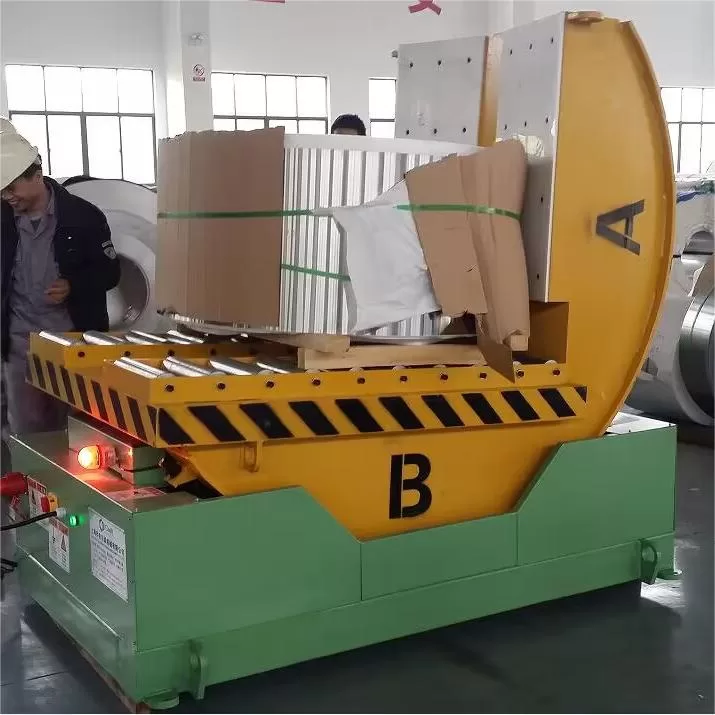

Understanding these standards is not just about compliance. It is about protecting your team. It is about improving your factory’s efficiency. It is about your bottom line. Let’s look closer at what this means for your coil upender. We will explore how choosing the right machine changes everything.
Why are safety standards for coil upenders so critical in Mexico?
Do you still rely on workers to manually move heavy coils? This is a huge risk. Manual handling of heavy coils often leads to serious injuries. Workers can get crushed or strained. These accidents increase insurance costs. They also lower morale. This slows down your entire production line. Strict safety standards exist for a reason. They protect your people. They protect your profits. Following them is not an option. It is a must.
Safety standards for coil upenders are critical in Mexico because they protect workers from severe injury. Heavy loads, pinch points, and moving parts create inherent dangers. Strict compliance with local regulations, often mirroring OSHA, prevents accidents. It also reduces operational risks. This ensures a safer workplace and avoids legal penalties. It also maintains production continuity for factories handling large steel coils.
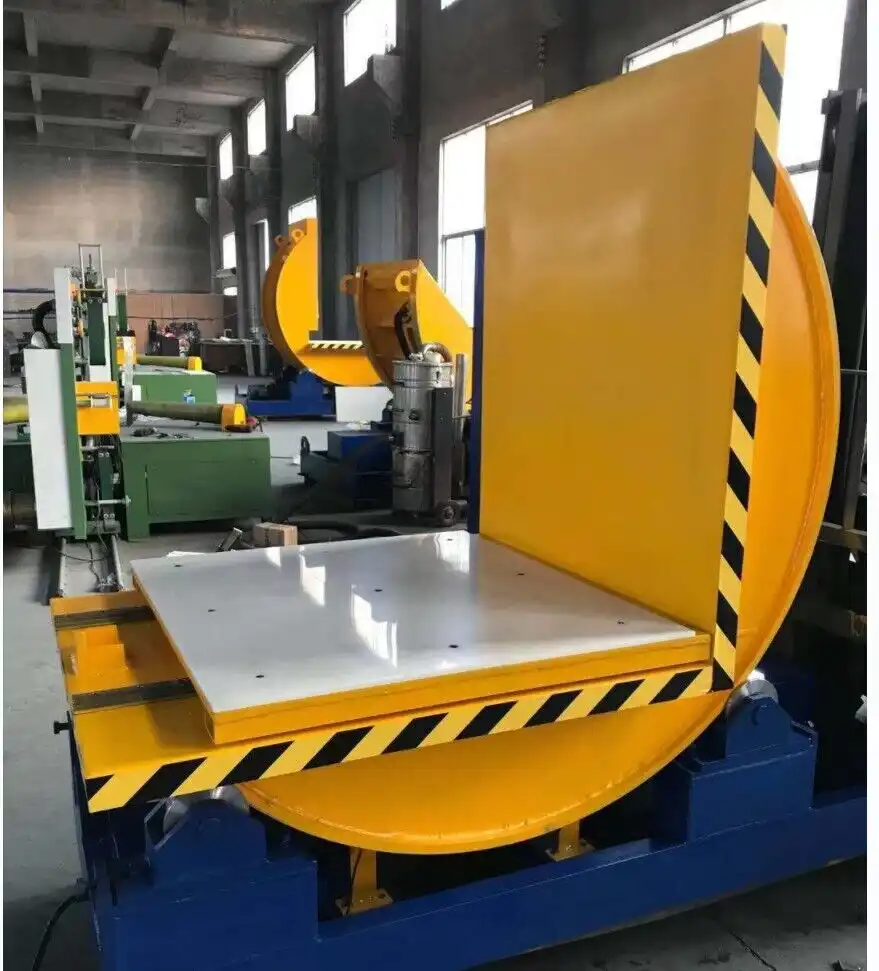

Safety standards for coil upenders are vital in any industrial setting. This is especially true in Mexico’s growing manufacturing sector. I have seen countless factories where safety was an afterthought. This always led to problems. In my early days as an engineer, I visited a plant. They used makeshift methods to flip heavy steel coils. Workers used pry bars and forklifts. It was a chaotic scene. A coil slipped. It almost crushed a worker’s foot. That moment stuck with me. It showed me the real cost of neglecting safety.
Mexican factories, like those in the U.S., face significant risks when handling heavy materials. Coil upenders, or coil tilters, move heavy loads. They change the coil’s orientation. This process involves immense weight. It involves powerful machinery. Without proper safety measures, the chance of accidents is very high. Workers can suffer crushing injuries. They can get struck by falling loads. They can also get caught in moving parts. These are not minor risks. They are life-threatening.
Complying with safety standards helps avoid these disasters. It protects your most valuable asset: your people. But it also protects your business. An accident means investigation. It means downtime. It means potential fines. It means higher insurance premiums. It can even mean lawsuits. I learned this when I built my own factory. We invested heavily in safety from day one. It was not an expense. It was an investment. It created a reliable and productive environment. This reduced risks. It also built trust with my team.
Mexico has its own official standards, known as NOMs. These cover workplace safety and health. For machinery, NOM-004-STPS-1999 is key. It talks about safety systems and protective devices on machinery. NOM-006-STPS-2014 covers the handling and storage of materials. This directly applies to coil upenders. These NOMs are designed to create a safe work environment. They aim to prevent accidents. They ensure that equipment is used properly. They also ensure it is maintained well. Ignoring these standards is not just irresponsible. It is illegal. It puts your entire operation at risk. A factory manager like Michael Chen understands this deeply. He knows downtime and injuries hurt the bottom line. He needs equipment that meets these strict rules. This ensures his workers are safe. It also keeps his production moving.
Example of key safety areas covered by standards:
| Safety Area | Description | Impact on Factory |
|---|---|---|
| Machine Guarding | Physical barriers that prevent access to dangerous moving parts, pinch points, and rotating elements of the coil upender. | Prevents entanglement, crushing, and cutting injuries. Reduces risk of severe worker harm. |
| Emergency Stops | Clearly marked, easily accessible buttons or pull cords that immediately halt the machine’s operation in an emergency. | Allows quick machine shutdown during unexpected events. Minimizes injury severity if an incident occurs. |
| Lockout/Tagout (LOTO) | Procedures to ensure machines are properly shut down and cannot be started during maintenance or repair. Energy sources are locked out. | Prevents unexpected machine startup. Protects workers from stored energy hazards during servicing. |
| Load Stability | Design features and operational guidelines that ensure the coil remains stable during tilting. Prevents tipping or dropping. | Avoids catastrophic accidents from falling coils. Protects workers and prevents damage to material and equipment. |
| Warning Systems | Visual and audible alarms that activate during machine operation. They alert workers of movement or potential hazards. | Increases worker awareness around operating machinery. Helps prevent people from entering danger zones. |
Meeting these standards is not just about avoiding fines. It is about creating a culture of safety. This culture benefits everyone. It leads to more productive workers. It leads to a more reliable production line. I learned early on that a safe factory is a profitable factory.
What specific OSHA-equivalent standards apply to coil upenders in Mexico?
You know safety is important. But which exact rules apply to your coil upender? It can be confusing. Guessing about standards is dangerous. It leaves you exposed. It could lead to fines. Worse, it could lead to accidents. Let’s clarify the key standards. Understanding them helps you choose the right equipment. It also helps you protect your operations fully.
For coil upenders in Mexico, key OSHA-equivalent standards include NOM-004-STPS (machine guarding, safety devices), NOM-006-STPS (material handling and storage), and NOM-022-STPS (static electricity). These regulations ensure that equipment design, operation, and maintenance minimize hazards such as crushing, entanglement, and electrical risks, providing a framework for safe industrial practices comparable to OSHA’s general industry standards.


When we talk about “OSHA-equivalent” standards in Mexico, we are looking at the NOMs. These are the Norma Oficial Mexicana, or Official Mexican Standards. They are issued by the Secretaría del Trabajo y Previsión Social (STPS). This is Mexico’s Ministry of Labor and Social Welfare. These NOMs serve the same purpose as OSHA standards in the U.S. They set minimum requirements for workplace safety and health.
For coil upenders, several specific NOMs are highly relevant. As a factory owner, I always made sure our equipment complied with these rules. It was a non-negotiable part of our machine selection process. I remember a time a client in Mexico asked me about compliance. He was concerned about a new upender. He wanted to make sure it met all local rules. We walked through the NOMs together. It gave him peace of mind. He knew his investment was safe and compliant.
Let’s break down the most important NOMs for coil upenders:
-
NOM-004-STPS-1999: Machinery Safety and Guarding. This is a fundamental standard. It focuses on safety systems and protective devices for machinery. For a coil upender, this means:
- Guarding: All moving parts must have guards. This includes belts, chains, gears, and rotating components. Guards prevent workers from touching dangerous areas.
- Emergency Stop Buttons: Upenders must have easily accessible emergency stop buttons. These must immediately cut power to the machine. They should be clearly marked.
- Safety Interlocks: If a guard is opened, the machine should stop. This prevents operation when workers are exposed to hazards.
- Controls: Control panels must be clear. They must be intuitive. They must prevent accidental startup.
-
NOM-006-STPS-2014: Handling and Storage of Materials. This standard directly applies to operations involving heavy materials. Coil upenders are designed for this. Key aspects include:
- Safe Handling Procedures: The standard requires procedures for handling heavy loads. This includes how the coil is loaded onto the upender. It also covers how it is unloaded.
- Load Capacity: Equipment must be used within its rated load capacity. Overloading an upender is extremely dangerous. It can lead to equipment failure. It can also cause coils to drop.
- Worker Training: Workers who operate upenders must be trained. They need to know how to use the machine safely. They also need to understand the risks.
-
NOM-022-STPS-2015: Static Electricity in Workplaces. While less direct, this is still important for certain industrial environments. If your factory has a risk of static charge buildup, especially with metal products, this standard applies.
- Grounding: Metal machinery like upenders might need proper grounding. This prevents static discharge. Static sparks can be dangerous in certain atmospheres. They can also affect sensitive electronics.
-
NOM-001-STPS-2008: Buildings, Premises, Facilities, and Work Areas. This general standard covers the layout of the factory floor. It talks about clear aisles. It also covers proper lighting. It ensures enough space for equipment operation. A coil upender needs enough space to operate safely. It needs room for loading and unloading. It needs room for maintenance.
It is not enough to just buy a machine. You must ensure its design meets these standards. You also need to ensure your factory’s procedures support safe operation. When I advise clients, I always emphasize this. It is a partnership between the machine supplier and the factory owner. The supplier provides the compliant machine. The factory owner ensures safe operation. This holistic approach creates the safest environment. It protects both people and product.
How can a compliant coil upender improve your factory’s efficiency and reduce costs?
Manual coil handling is slow. It wastes time. It adds costs to your production. Every minute your production line waits for a coil means lost money. Manual processes cause bottlenecks. They also cause product damage. This all eats into your profits. A compliant coil upender speeds things up. It makes operations safer. It slashes your costs. It pays for itself by boosting your output.
A compliant coil upender significantly boosts factory efficiency by automating a slow, manual process, eliminating production bottlenecks at the end of the line. It reduces costs by minimizing labor expenses, preventing product damage during handling, and lowering accident-related expenditures like insurance and downtime. Its reliable, safe operation ensures consistent workflow and improves overall profitability.
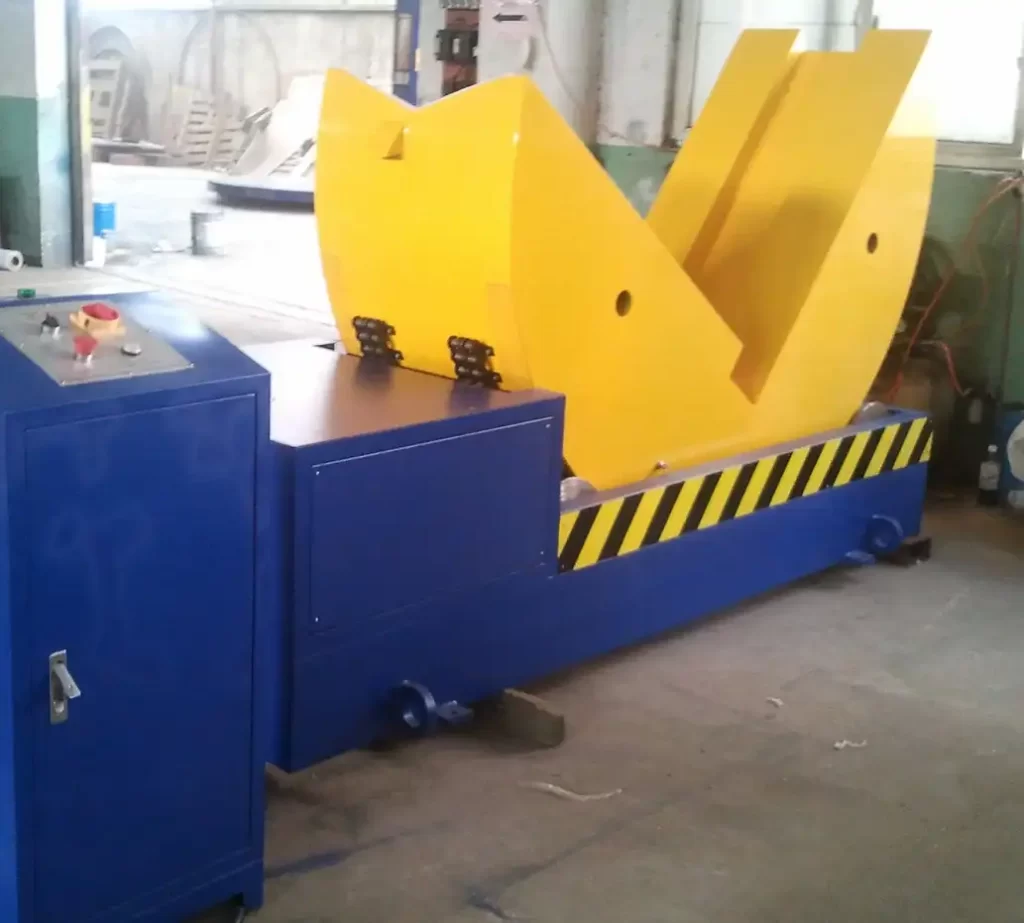

For factory managers like Michael Chen, efficiency and cost reduction are top priorities. Michael mentioned that manual handling of coils is slow. It is also inefficient. This creates bottlenecks. I faced similar issues in my early days. Before I built my own factory, I worked at a large packing machine plant. We used to struggle with the final handling of finished coils. It was messy. It was slow. We spent too much on labor. We also had too much product damage. This was unacceptable.
Investing in a compliant coil upender is a game-changer. It is not just about safety. It is a strategic business move. Here’s how it improves efficiency and cuts costs:
-
Automated Speed and Throughput: Manual coil flipping is slow. It takes time. It needs multiple workers. A good coil upender performs this task quickly. It does it consistently. This eliminates the bottleneck at the end of your production line. Your coils move faster from the production area to shipping. This boosts overall throughput. It means you can produce more in less time. This directly impacts your revenue.
-
Reduced Labor Costs: An upender can replace several workers needed for manual handling. Think about the wages, benefits, and training costs for those workers. Shifting to automation means you can redeploy staff to other, more valuable tasks. Or you can reduce your labor overhead. This is a clear, tangible saving. When I set up my factory, we optimized our labor force. We used machines for repetitive, risky tasks. This freed our skilled workers for more complex jobs.
-
Minimized Product Damage: Michael also worried about product damage. Steel coil edges can get damaged during manual transfer. This leads to customer complaints. It also leads to profit loss. A well-designed coil upender handles coils smoothly. It uses precise, controlled movements. This drastically reduces the risk of scratches, dents, or edge damage. Less damage means fewer rejections. It means happier customers. It means higher profits.
-
Lower Accident Costs: This is where safety and cost-saving truly merge. As discussed, accidents are expensive. They mean medical bills. They mean lost workdays. They mean higher insurance premiums. They mean potential legal fees. A compliant, safe upender reduces accidents. This means significant savings on all these fronts. It creates a more stable work environment. It also creates a more predictable budget.
-
Improved Workflow and Space Utilization: A dedicated coil upender often has a smaller footprint than the area needed for manual operations. It allows for a more organized workflow. This can free up valuable floor space. That space can be used for other production activities or storage. This optimizes your factory layout.
-
Predictable Operations: Manual processes are prone to human error. They are also subject to fatigue. An automated upender performs the same task the same way every time. This leads to predictable cycle times. This makes production planning easier. It also makes inventory management more accurate. This reliability is key for continuous operations.
The return on investment (ROI) for a modern, compliant coil upender can be very strong. It is not just about avoiding problems. It is about actively improving your business metrics. I have seen factories transform their operations. They went from struggling with manual handling to running lean, efficient lines. This transformation starts with smart equipment choices. It starts with prioritizing both safety and efficiency.
Beyond compliance: How do you choose a trustworthy supplier for safe coil upenders?
You need a coil upender. But you are wary of suppliers. You have faced bad service before. Some suppliers just want to sell a machine. They disappear after the sale. They leave you alone with problems. This wastes your money. It damages your trust. Finding a true partner is key. Someone who understands your needs. Someone who stands by their product. I will show you how to find them.
Choosing a trustworthy coil upender supplier goes beyond simple compliance. Look for a partner with deep industry experience and a proven track record. They should offer robust after-sales support, custom solutions, and a strong understanding of your specific production challenges. Prioritize suppliers who emphasize long-term relationships and provide comprehensive training and maintenance assistance.
Michael Chen’s concern about trustworthy suppliers hits home for me. I have been in the packing machine industry for a long time. I started as an employee. Then I built my own factory. I saw both good and bad suppliers. I know how frustrating it is to invest in equipment, only to be abandoned by the seller. My own journey was built on trust. I built my business by helping clients grow theirs. This is why FHOPEPACK focuses on knowledge sharing. We want to empower you to make informed decisions.
Buying a coil upender is a major investment. It is not like buying a simple tool. You are investing in a critical piece of your production line. You need a supplier who is more than just a vendor. You need a partner. Here are key things to look for:
-
Industry Expertise and Experience:
- Beyond Sales: Does the supplier understand your specific challenges? Do they know about coil handling, safety regulations in Mexico, and your production bottlenecks? A good supplier talks about solutions, not just features.
- Proven Track Record: Look at their history. How long have they been in business? Can they provide references from other factories? Michael wants someone who “truly understands.” This means they have seen problems like his. They have solved them before. My background, building and running a factory, gives me this perspective. I know what it takes to keep a production line running.
-
Commitment to Safety and Compliance:
- Not Just Lip Service: Does the supplier truly prioritize safety in their designs? Do they actively keep up with international and local standards, like the Mexican NOMs? They should be able to explain how their upenders meet these rules. They should show you the safety features built into the machine.
- Certifications: Ask for relevant certifications. These show that the machine meets recognized safety benchmarks.
-
Robust After-Sales Support:
- Installation and Training: Will they help you install the machine correctly? Will they train your operators? Proper training is crucial for safety and efficiency. This is a common pain point Michael mentioned with previous suppliers.
- Maintenance and Parts: What is their plan for maintenance? Do they stock spare parts? Fast access to parts prevents long downtimes.
- Technical Support: Do they have a responsive technical support team? When a machine goes down, you need help quickly. A supplier’s support can make or break your operation.
-
Customization and Flexibility:
- Tailored Solutions: Every factory is unique. Does the supplier offer options that fit your specific coil sizes, weights, and factory layout? A one-size-fits-all approach rarely works perfectly. You might need a specific type of upender or integration with existing lines.
- Problem Solvers: Can they work with you to solve your specific production issues? Michael wants a supplier who understands his problems. He wants them to offer professional insights.
-
Long-Term Partnership Mentality:
- Relationship Focus: Do they seem interested in a long-term relationship, not just a quick sale? A true partner wants to see your business succeed. They are there for future upgrades. They are there for new challenges. My own business grew because I focused on client success. When my clients grew, I grew. This is the mentality you need in a supplier.
It is important to do your homework. Ask tough questions. Visit their facilities if possible. Talk to their existing clients. A reliable supplier will welcome this scrutiny. They know their product and service speak for themselves. This thorough approach reduces your risk. It ensures your investment truly supports your factory’s growth and safety.
My Insights: What I learned about safety from building my own factory?
You see the value in new equipment. But how do you ensure it truly delivers on safety and efficiency? It is easy to buy a machine. It is harder to make it work seamlessly and safely in your existing setup. Many mistakes happen during integration. I have walked this path myself. I built my factory from the ground up. I can share lessons. These lessons will help you avoid common pitfalls.
Building my own packing machine factory taught me that safety is not an add-on; it is the foundation of efficiency and profitability. I learned that true safety comes from a blend of robust equipment design, strict adherence to standards like NOMs, comprehensive worker training, and a continuous improvement mindset. This holistic approach minimizes risks, prevents costly downtime, and fosters a productive work environment that benefits everyone.
My journey in the packing machine industry began on the factory floor. I started as an employee. I saw first-hand the daily challenges. I saw the risks workers took. This experience shaped my vision. When I later founded FHOPEPACK and built my own factory, safety was my absolute top priority. I knew that without a safe environment, we could not achieve anything lasting.
One early lesson came from a simple observation. In many factories, safety measures were seen as an obstacle. They were seen as slowing things down. But I quickly realized the opposite was true. A safe operation is an efficient operation. If workers feel safe, they are more productive. They make fewer mistakes. They are less likely to get injured. This means less downtime. It means consistent output.
I also learned that safety is about more than just buying compliant machines. It is about a complete system.
- Design with Safety in Mind: When we designed our machines, safety was integrated from the start. We did not add it on later. We considered every pinch point. We considered every potential hazard. This meant robust guarding. It meant reliable emergency stops. It meant clear operational zones. This design philosophy translates directly to our coil upenders today. We build them to protect your workers.
- Adherence to Standards is Non-Negotiable: I made sure our factory always met the highest standards. In Mexico, this means NOMs. We did not just aim for minimum compliance. We aimed for best practices. This commitment instilled confidence in our team. It also gave our clients peace of mind.
- Training is Key: A machine is only as safe as its operator. We invested heavily in training our staff. They understood how to use the equipment properly. They knew how to identify risks. They knew what to do in an emergency. This goes back to Michael’s need for professional guidance. It’s not just the machine. It’s how people interact with it.
- Culture of Safety: Safety has to be part of the factory’s culture. It has to be everyone’s responsibility. We encouraged our team to report hazards. We listened to their feedback. This created an environment where safety was a shared value. This prevented many potential accidents.
- Continuous Improvement: The industrial world changes. New technologies emerge. New safety challenges appear. We always looked for ways to improve our safety protocols. We updated our equipment. We updated our training. This constant effort keeps your factory ahead of risks.
I remember once considering a cheaper component for a machine. It met basic specifications. But it did not have the same level of safety features as a more expensive one. I chose the safer option. The upfront cost was higher. But the long-term benefits outweighed it. This decision protected our workers. It protected our reputation. It protected our bottom line. This is the perspective I bring to FHOPEPACK. We want to help you make these smart, long-term decisions. We want to help you achieve financial independence through smart, safe investments, just as I did. Choosing a coil upender is more than a purchase. It is an investment in your future. It is an investment in your people.
Conclusion
Choosing a compliant coil upender in Mexico protects your workers, boosts efficiency, and cuts costs. Prioritize suppliers like FHOPEPACK who offer expert knowledge, robust support, and a shared commitment to your factory’s success and safety.












