
Which Orbital Wrapping Machine Suits Saudi Panel Producers for Dust Control?
Imagine your high-quality panels, fresh off the production line, only to arrive at the customer’s site covered in dust. It is a common problem, especially in regions like Saudi Arabia where dust is a constant battle. This dust can ruin finishes, damage sensitive components, and lead to frustrating customer complaints. You put in the work, you ensured quality, but poor packaging lets you down at the very last step. This is not just about aesthetics; it costs you money, damages your reputation, and can even compromise product performance. What if there was a way to protect your panels, not just from physical damage but from the pervasive dust that threatens their integrity? A solution that ensures your products leave your factory perfectly clean and arrive at their destination the same way.
For Saudi panel producers focused on dust control, a robust horizontal orbital wrapping machine, equipped with a tight-seal film application system and capable of multi-layer wrapping, offers the most effective solution. These machines create a comprehensive, enclosed barrier around the panels, preventing dust ingress from all sides, which is crucial for maintaining product quality in arid environments.

I know from my years in the packing machine industry how important it is to protect your product. This is especially true when facing unique challenges like the desert dust in Saudi Arabia. We will explore how orbital wrappers can be your best ally in this fight, going beyond just dust control to deliver significant operational benefits.
Why is dust control a top priority for panel producers in Saudi Arabia?
You are a panel producer in Saudi Arabia. Your factory is a hub of activity, creating high-value building or industrial panels. But outside your controlled production environment, the reality is dust, sand, and heat. These elements are not just an annoyance; they are a direct threat to your product quality and your bottom line. Unprotected panels quickly accumulate dust, which can degrade surfaces, clog sensitive parts, or simply make your product look unprofessional. This leads to costly reworks, dissatisfied customers, and a reputation for inconsistent quality. My own experience building factories showed me that neglecting this detail can unravel all the hard work put into production. Understanding the scale of this problem is the first step. By recognizing dust as a major challenge, you can actively seek solutions that guarantee your panels leave your facility pristine and remain that way until installation.
Dust control is a top priority for Saudi panel producers because airborne particles in the region can severely degrade panel surfaces, compromise sensitive internal components, and lead to significant customer dissatisfaction and product returns. Effective dust prevention through proper packaging ensures product integrity, reduces quality claims, and maintains a professional brand image in a competitive market.
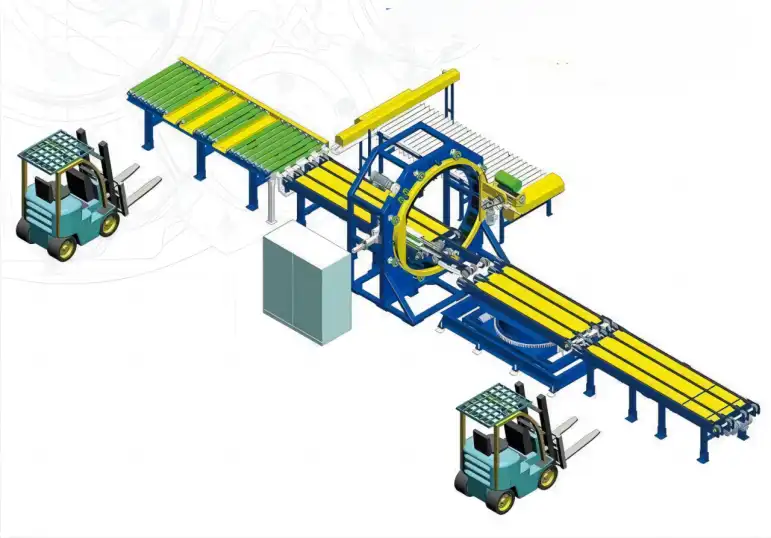
From my time in the packing machine business, I have seen first-hand the impact of environmental factors on finished goods. In places like Saudi Arabia, the challenges are even greater. The dry, arid climate means a lot of airborne dust and sand. These tiny particles get everywhere. They settle on your panels, even if they sit for a short time.
Let us break down why this is such a big deal for panel producers.
The Real Cost of Dust Contamination:
- Surface Degradation: For painted, laminated, or finished panels, dust particles can become embedded. This creates imperfections. When panels are used in construction or for decorative purposes, these flaws are immediately visible. This leads to rejection by clients.
- Functional Impact: Some panels might have sensitive electrical components or specific structural features. Dust can get into these parts. It can cause malfunctions or reduce the lifespan of the panel. For example, a ventilation panel might become less effective if its pores are clogged with fine sand.
- Increased Rework and Waste: If panels are contaminated, you have two choices. You can try to clean them, which takes time and labor. Or you have to scrap them, which is pure waste. Both options eat into your profits. I remember one client who saw their defect rate drop by 15% just by improving their final packaging. This made a huge difference to their bottom line.
- Reputation Damage: In a competitive market, reputation is everything. When customers receive dusty, dirty, or damaged panels, it sends a negative message about your quality control. This can lose you future business. Michael, a factory manager in Mexico, told me once that the biggest cost is not the product itself, but the loss of trust. I believe this deeply.
- Operational Health and Safety: While primary for product, dust in the packaging area can also affect workers. A clean environment is generally safer. Reducing dust means better air quality for employees.
The table below shows a clear picture of the risks:
| Aspect | Risk without Proper Dust Control | Benefit with Proper Dust Control |
|---|---|---|
| Product Quality | ❌ Surface flaws, functional issues, aesthetic damage | ✅ Pristine condition, improved customer satisfaction |
| Operational Costs | 💰 Increased reworks, scrap, labor for cleaning | 📉 Reduced waste, lower labor costs, higher efficiency |
| Customer Relations | 😠 Complaints, lost trust, negative brand perception | 👍 Positive feedback, repeat business, strong brand |
| Market Competitiveness | 📉 Disadvantage against competitors | 📈 Strong market position, premium perception |
| Worker Safety | 😷 Poor air quality, potential health issues | 👷♂️ Safer work environment, higher morale |
Investing in solutions that tackle dust is not an extra cost. It is a critical investment in your product, your brand, and your factory’s future. It protects your hard-earned quality from the moment it leaves your production line.
Can orbital wrapping machines truly seal out dust for your panels?
You are looking for a reliable way to protect your panels from dust. You have heard about orbital wrapping machines, but you might wonder if they can really create a dust-tight seal. Can a machine truly stand up to the fine, pervasive dust common in places like Saudi Arabia? Many packaging methods promise protection but often fall short. Gaps, loose wraps, or improper sealing can still let dust in, making your investment useless. This can lead to frustration when your carefully produced panels still end up contaminated. You need a solution that works consistently. Yes, orbital wrapping machines, when configured correctly, are incredibly effective at sealing out dust. They create a secure, continuous barrier that wraps around your product, giving you peace of mind that your panels will stay clean from your factory floor to the customer’s site.
Yes, orbital wrapping machines are highly effective at sealing out dust for panels by applying multiple layers of stretch film under tension, creating a tight, continuous, and fully enclosed wrap. The film adheres to itself, eliminating gaps where dust could penetrate, thus providing superior protection compared to traditional methods and ensuring panels remain pristine, even in dusty environments.

When I first started in the packing machine industry, I was always amazed at how a simple film could offer such strong protection. Orbital wrapping machines use a special technique. They wrap a stretch film around a product as it moves through a rotating ring. This is different from turntable wrappers or hooding machines. This method is especially good for long, flat items like panels.
Here is how orbital wrappers achieve excellent dust control:
How Orbital Wrapping Creates a Dust Barrier:
- 360-Degree Enclosure: The machine wraps the film around the entire circumference of the panel. This means all four sides and potentially the top and bottom edges get covered. This creates a complete enclosure. No part of the panel is left exposed to airborne dust.
- Stretch Film Properties: The film used is stretch film. It is designed to cling to itself. When it overlaps, it forms a sealed layer. This self-adhesive quality is key. It eliminates the tiny gaps that dust can easily penetrate with other packaging materials.
- Tensioned Application: Orbital wrappers apply the film under tension. This means the wrap is tight. It pulls the film snugly around the panel. A tight wrap leaves no loose areas for dust to collect or slip under. It also provides better product stability. My clients often tell me they see less shifting of products during transport, which further reduces damage.
- Multi-Layering Capability: Most orbital wrappers can apply multiple layers of film. You can choose how many layers you need based on the level of protection required. For extremely dusty environments, more layers create a thicker, more robust barrier. This is like adding extra security to your package.
- Edge Protection: Panels often have sensitive edges. These edges are where dust can easily settle or cause damage. Orbital wrappers can be set up to focus extra film on the edges. This gives them reinforced protection. This is vital for maintaining the aesthetic and structural integrity of the panels.
- Protection Against Moisture: While we talk about dust, the tight seal also offers a degree of moisture resistance. This is important in areas with high humidity or during transport in varying climates.
Consider a factory manager like Michael Chen. He cares about preventing product damage. He also wants to reduce customer complaints. An orbital wrapper directly addresses these points. It gives a consistent, high-quality wrap every time. This means less product loss from dust. It also means fewer angry phone calls from customers. The investment pays for itself through reduced claims and improved reputation. The ability of these machines to create a true dust-proof package is a game-changer for panel producers, especially where environmental conditions are tough.
Which specific orbital wrapper features deliver the best dust protection and durability?
You know orbital wrappers can help with dust control. But how do you choose the right one? Not all machines are created equal, especially when you need maximum dust protection and durability in a demanding environment like a Saudi panel factory. Choosing the wrong features can still leave you vulnerable to dust and costly breakdowns. A cheap or poorly designed machine might promise dust control but fail under continuous operation or in harsh conditions. This results in downtime, higher maintenance costs, and still leaves your products exposed. You want equipment that is built to last and truly delivers on its promise. Focus on key features that are specifically engineered for superior dust protection and robust performance. Understanding these features will guide you to an orbital wrapping machine that not only seals out dust effectively but also stands up to the rigors of heavy industrial use day after day.
The best orbital wrapping machines for dust protection and durability feature heavy-duty construction, fully enclosed wrapping areas, and specialized film applicators. Look for models with automatic film clamping and cutting, adjustable tension control, and robust drive systems designed for continuous operation. These features ensure a consistent, tight, multi-layered wrap and withstand the harsh conditions prevalent in Saudi panel production environments.

My own experience in building and running packing machine factories taught me a crucial lesson: the details matter. When choosing equipment, especially for tough environments like a metal processing plant (like Michael’s, for example) or a panel factory in Saudi Arabia, you cannot just look at the basic function. You must dig deeper into the features that ensure both performance and longevity.
Here are the specific features I always recommend for maximum dust protection and durability:
Key Features for Dust Control and Durability:
- Heavy-Duty Construction:
- Why it matters: Machines operating in industrial settings, especially those dealing with heavy panels, need to be tough. Look for frames made from thick steel. Components should be robust. This prevents vibration, misalignment, and premature wear. In Saudi Arabia’s climate, materials that resist corrosion are also a plus. I have seen machines fall apart quickly because they were not built for constant use and heavy loads.
- Dust Benefit: A stable machine applies film more consistently, ensuring a tighter, more uniform wrap that dust cannot penetrate.
- Enclosed Wrapping Ring/Mechanism:
- Why it matters: Some orbital wrappers have an exposed rotating ring. Others have a more enclosed design. A well-enclosed system protects the moving parts from dust. This extends the machine’s life and reduces maintenance.
- Dust Benefit: It also reduces the chance of dust getting trapped in the wrapping mechanism itself. This prevents contamination of the film or the panel during wrapping.
- Automatic Film Clamping and Cutting System:
- Why it matters: Manual cutting can lead to inconsistencies. An automatic system ensures a clean, precise start and end to each wrap cycle. This creates a proper tail.
- Dust Benefit: This clean cut means the film is securely clamped at the start. It is then properly sealed at the end. This prevents loose ends that can unravel or create entry points for dust. It also improves automation and reduces the need for human intervention.
- Pre-Stretch Carriage with Adjustable Tension Control:
- Why it matters: Pre-stretch carriages stretch the film before it even touches the product. This makes the film go further, saving you money. Adjustable tension control lets you fine-tune how tightly the film is applied.
- Dust Benefit: High tension ensures the film conforms tightly to the panel’s shape. This creates a snug, gap-free seal. You can adjust it for different panel types or dust levels. This is critical for getting that perfect dust-proof seal.
- Specialized Film Types and Application:
- Why it matters: Not all stretch films are the same. Some films are designed to be more puncture-resistant or have better cling properties. Some machines are set up to apply certain film types more effectively.
- Dust Benefit: Using a high-quality, high-cling film applied with optimal tension maximizes the dust barrier. Discussing film options with your supplier is important.
- Robust Conveyor System:
- Why it matters: For panels, a sturdy and smooth conveyor system is essential. It must handle the weight and dimensions of the panels without causing damage or jams. A smooth flow means less stress on the machine and the product.
- Dust Benefit: An integrated, smooth conveyor system means panels enter and exit the wrapping area without bumps. This maintains the integrity of the film application. It prevents dust from getting under the film during movement.
- Advanced Control System (PLC):
- Why it matters: A good PLC allows for precise programming of wrap cycles. You can set different wrap patterns, film layers, and tension levels. This provides consistency and optimization.
- Dust Benefit: Consistent, repeatable wrapping is key to reliable dust control. The PLC ensures every panel gets the same high level of protection, reducing human error.








