
Which Orbital Wrapping Machine Is Most Suitable for Egypt’s Aluminum Profiles and Copper Pipe Manufacturers?
Are you a factory manager in Egypt, dealing with aluminum profiles or copper pipes? Do you struggle with slow, manual packing, high labor costs, and constant product damage? This is a problem many face, and it directly affects your profits and delivery times.
Finding the right orbital wrapping machine is not just about buying equipment; it is about solving these real-world problems. For Egyptian manufacturers handling long, delicate items like aluminum profiles and copper pipes, the most suitable orbital wrapping machine typically involves models with robust construction, adaptable wrapping tension, and precise product handling to ensure both speed and protection.
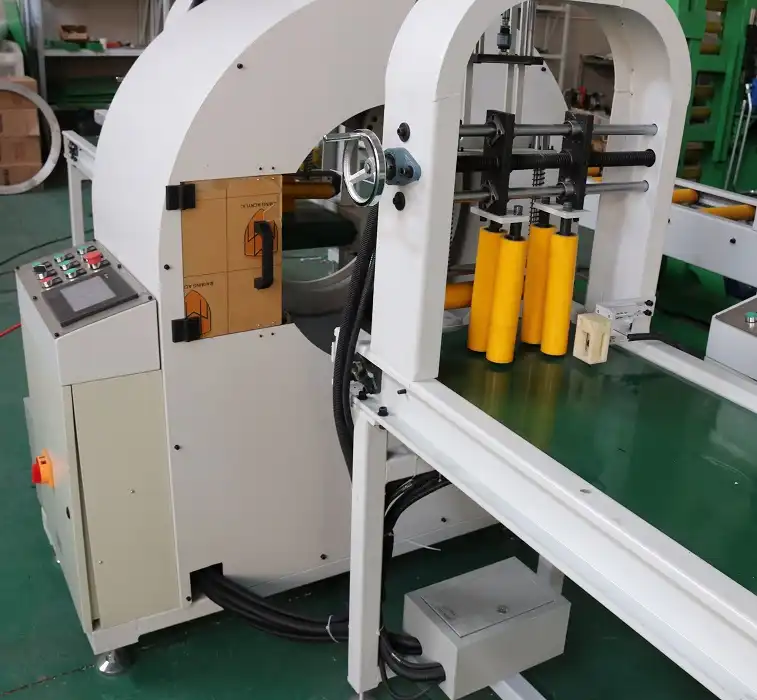
Choosing the correct machine can change your factory’s future. It boosts efficiency, keeps your workers safe, and protects your products. Let us dive deeper into what makes a machine truly suitable for your Egyptian operations.
What Challenges Do Aluminum Profiles and Copper Pipes Create for Packing?
Do you constantly worry about product damage during packing or transport? Are your workers struggling with heavy, awkward loads, leading to safety concerns? These are common challenges with long, fragile items like aluminum profiles and copper pipes.
Packing aluminum profiles and copper pipes presents unique challenges due to their length, susceptibility to bending, scratching, and oxidation. The core issues include slow manual processes, high labor costs, safety risks from manual handling, and the need for consistent, protective wrapping to prevent damage and meet quality standards.
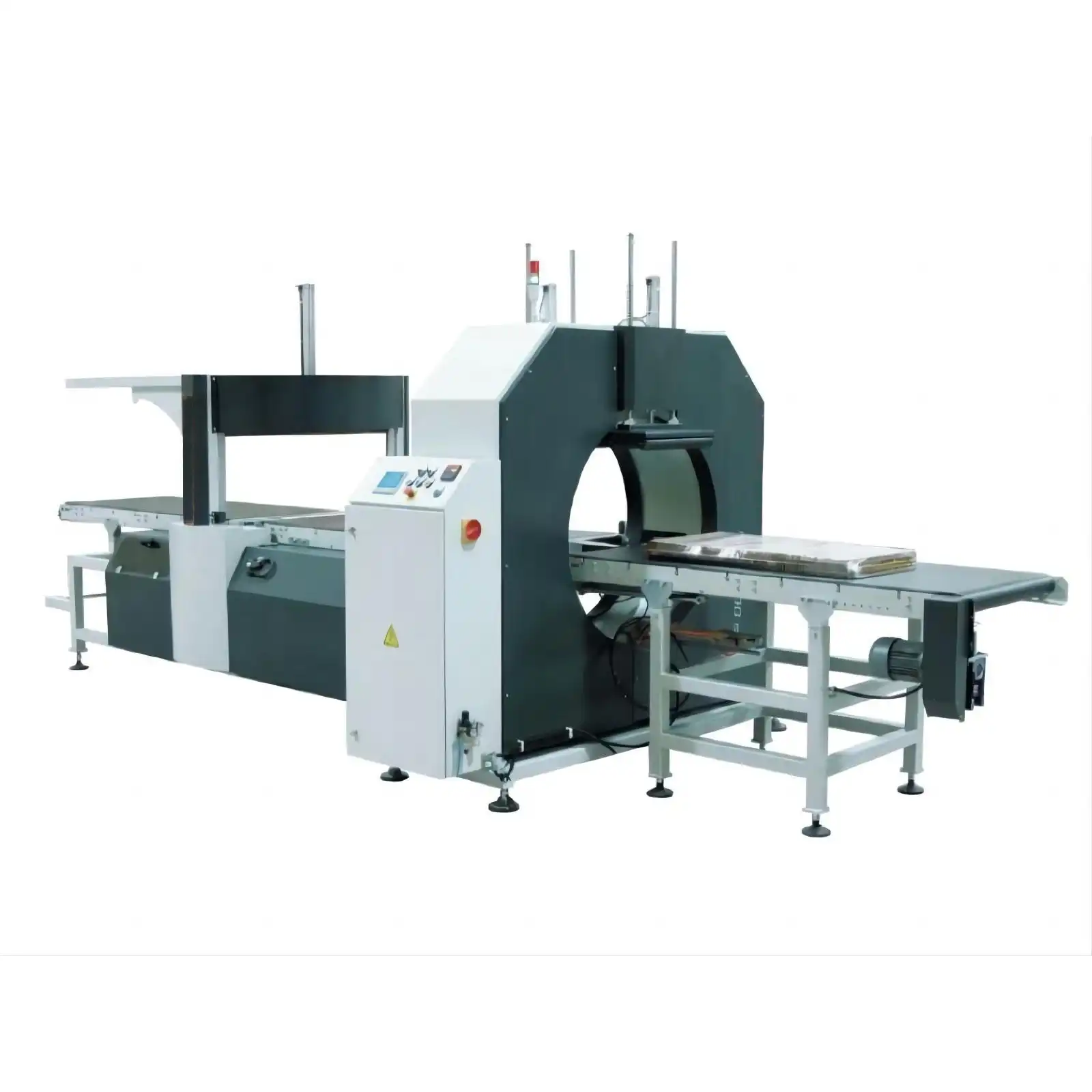
Handling these materials incorrectly costs you money. It hurts your reputation with customers. We need to look closely at these specific problems to find a real solution.
The Specific Demands of These Materials
Aluminum profiles and copper pipes are valuable. But they are also sensitive. Think about a long aluminum extrusion. It can bend if not supported well. Copper pipes can get scratched easily. Also, exposure to moisture or air can lead to oxidation. This changes their appearance and quality. These problems are worse in busy factory environments.
-
Vulnerability to Damage:
- Bending and Deformation: Long profiles can bend under their own weight or during handling. This means a rejected product.
- Surface Scratches: Aluminum and copper surfaces are soft. Any rough contact leaves marks. These marks affect the finish and value.
- Oxidation: Copper can tarnish. Aluminum can form a protective oxide layer, but uncontrolled oxidation looks bad. Proper wrapping keeps air and moisture away.
-
Manual Handling Risks:
- Heavy and Long: These items are often heavy and very long. Workers must lift and move them by hand. This causes fatigue. It leads to back injuries.
- Awkward Shapes: Some profiles have complex shapes. This makes them hard to grip. It increases the risk of dropping.
- Slow Speed: Manual packing is slow. Each piece needs careful attention. This creates bottlenecks in the production line.
-
Cost Implications:
- High Labor Costs: A large team is needed for manual packing. This adds to your operational expenses. In Egypt, labor costs might seem lower. But inefficiencies quickly add up.
- Product Loss: Damaged products mean rework or scrap. This is a direct loss of profit. It also wastes raw materials.
- Insurance and Employee Turnover: Work injuries raise insurance premiums. They also make employees leave. Finding and training new staff is costly.
My experience running a packing machine factory showed me this clearly. I saw how a simple mistake in handling could ruin an entire batch. One time, a client was hand-wrapping long steel pipes. They had constant complaints about dents and scratches. We introduced an orbital wrapper. It reduced damage by 90%. This saved them a lot of money. It also made their workers safer. So, understanding the material is step one. Protecting it correctly is key.
Which Types of Orbital Wrappers Fit These Materials Best?
Are you confused by the many types of orbital wrapping machines available? Do you wonder which one will actually protect your products without breaking down? Choosing the right model is about matching the machine to your specific product and operational needs.
For Egypt’s aluminum profile and copper pipe manufacturers, the most suitable orbital wrappers are typically horizontal models with variable speed control, adjustable tension settings, and robust conveyor systems. These features ensure efficient, secure, and damage-free wrapping of long, linear products while accommodating different product dimensions and production volumes.
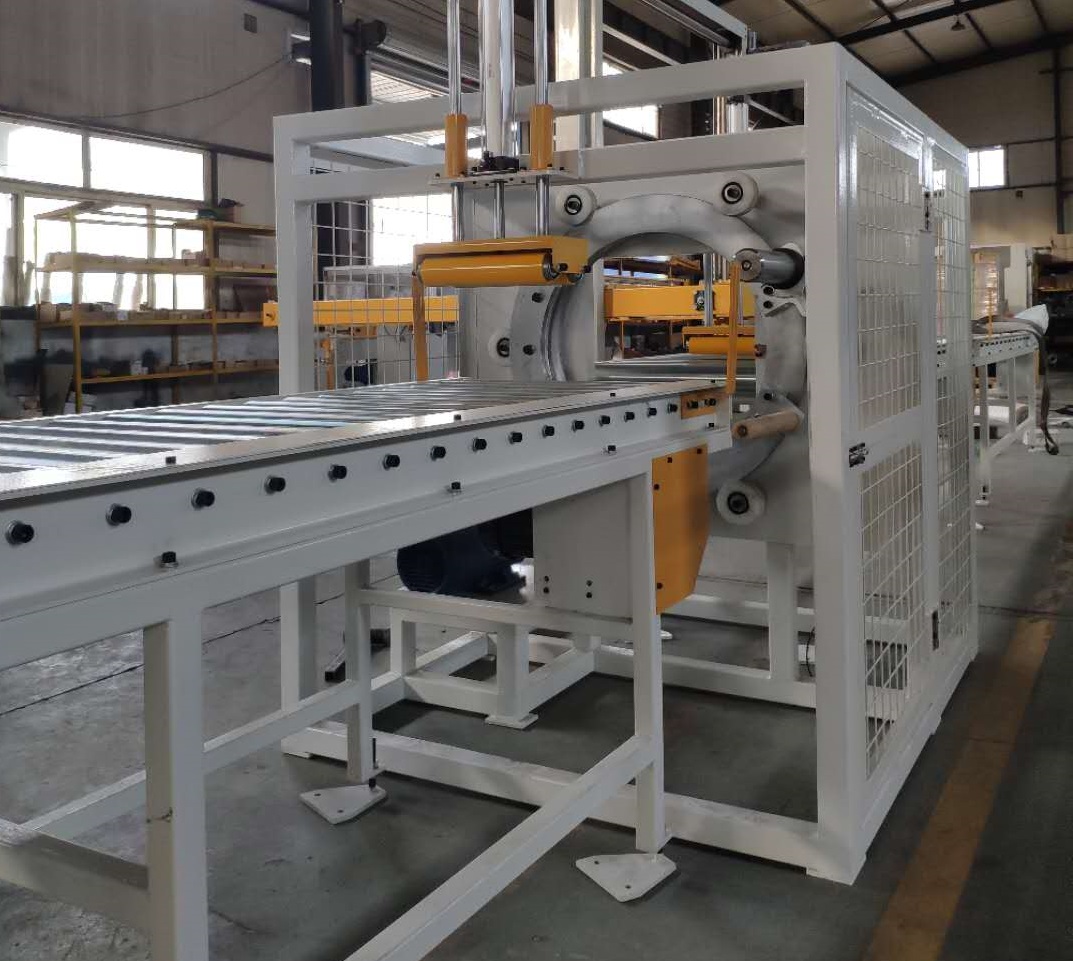
Do not just buy any machine. Buy the right machine. It will serve you well for years.
Understanding Orbital Wrapper Varieties
Orbital wrappers come in different forms. But for long products like profiles and pipes, horizontal orbital wrappers are the standard. They wrap the film around the product as it moves horizontally through a rotating ring. This is different from vertical wrappers, which are for palletized goods.
-
Horizontal Orbital Wrappers:
- How they work: The product enters the machine on a conveyor. A ring of stretch film spins around the product. It applies film as the product moves forward.
- Benefits for profiles/pipes: They are made for long items. The machine supports the product along its entire length. This stops bending. It keeps the product stable during wrapping.
- Key features to look for:
- Ring Size: The ring must be big enough for your largest product. This includes its width and height.
- Conveyor System: A strong, stable conveyor is essential. It needs to handle the weight. It also needs to move products smoothly.
- Film Delivery System: Look for pre-stretch capabilities. This stretches the film before it hits the product. It saves film. It also makes the wrap tighter and stronger.
-
Specialized Features for Delicate Materials:
- Adjustable Tension Control: Aluminum and copper need specific tension. Too much tension can bend thin profiles. Too little tension means the wrap is loose. A good machine lets you fine-tune this.
- Variable Speed Drive: You need to change the wrapping speed. Some products can go fast. Others need slower, more careful wrapping. This control gives you flexibility.
- Automatic Cut and Clamp: This feature cuts the film and holds it ready for the next product. It saves labor. It also makes the process faster and more consistent.
- Safety Guards and Sensors: Safety is always first. Machines should have guards around moving parts. Sensors can detect if a product is not loaded correctly. This stops the machine before problems happen.








