
Which Orbital Wrapping Machine Ensures the Lowest Total Cost of Ownership?
Imagine this: You are a factory manager in a bustling metal processing plant, perhaps like Michael in Mexico. You have machines running around the clock, heavy steel coils moving, and the constant pressure to boost output, cut costs, and keep everyone safe. Every minute of downtime feels like a punch to your bottom line. You might be considering a new orbital wrapping machine to fix those slow, manual packing bottlenecks. But how do you choose one that truly saves you money in the long run, instead of just looking cheap upfront?
The orbital wrapping machine that ensures the lowest total cost of ownership (TCO) is not simply the one with the lowest sticker price. It is the machine that combines robust reliability, optimal automation for your specific needs, energy efficiency, and a supplier offering exceptional after-sales support, all tailored to the harsh realities of heavy manufacturing environments like steel coil and wire packing.
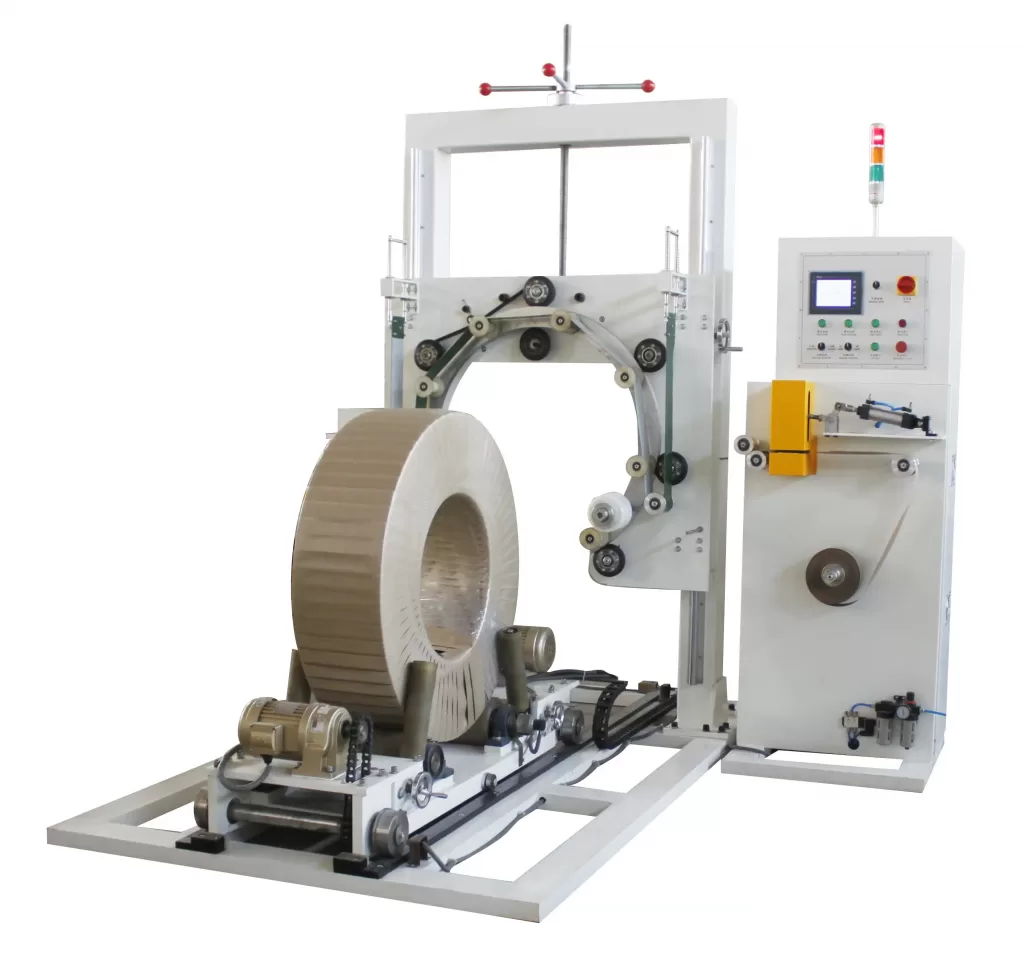
As someone who started on the factory floor and built my own packing machine business, I understand that making the right investment goes far beyond the initial quote. It is about understanding the full picture. Let us dive into the key factors that genuinely impact the TCO of your next orbital wrapping machine and how to make a decision that will benefit your plant for years to come.
1. What factors truly influence an orbital wrapping machine’s TCO?
Many factory managers, understandably, look at the purchase price first. It is the biggest number on the quote. But focusing only on that number is a common mistake that can lead to much higher costs down the road. This narrow view can trap you in a cycle of unexpected expenses and operational headaches. It often ignores the hidden drains on your budget that an unsuitable machine brings.
An orbital wrapping machine’s Total Cost of Ownership (TCO) is influenced by its initial purchase price, long-term operational costs like energy consumption and consumables, maintenance expenses, labor costs, productivity gains, safety improvements, and the expected lifespan and resale value of the equipment.

When I was an engineer on the factory floor, I saw firsthand how a “bargain” machine could quickly become a money pit. It was not just about buying it; it was about keeping it running, feeding it, and dealing with its problems. For a busy metal processing plant, like the ones producing steel coils or wire in places like Mexico, these factors are even more critical. High-intensity operations demand equipment that can withstand constant use and minimize hidden costs. Understanding TCO means looking at the machine as a long-term asset, not just a one-time purchase. It involves projecting costs and benefits over its entire useful life, typically five to ten years or more in heavy industry.
Understanding the Components of TCO
The true cost of an orbital wrapping machine goes far beyond the price tag. Here are the key components that contribute to its TCO, and why each one matters significantly to your factory’s profitability and operational efficiency:
-
Initial Acquisition Cost: This includes the machine’s purchase price, shipping, installation, and any necessary customizations. While it is the most obvious cost, it should be weighed against the long-term benefits and other cost factors. A slightly higher initial investment for a more robust, efficient machine can lead to substantial savings over time. For example, my own experience has shown that investing in high-quality components from the start prevents costly replacements and frequent breakdowns later.
-
Operational Costs: These are the ongoing expenses to run the machine.
- Energy Consumption: More efficient motors and smart control systems can drastically reduce electricity bills, especially in facilities that run machines continuously. In regions with high energy costs, this can be a major differentiator.
- Consumables: This refers to the wrapping film, strapping, and other materials the machine uses. Higher quality machines often optimize film usage, reducing waste and the frequency of material replenishment. A machine that uses film inefficiently will constantly drain your budget.
- Labor: The level of automation directly impacts the number of operators needed. A fully automated system can significantly reduce labor costs, which is a key goal for many of my clients, including those facing high labor costs or labor shortages. This also frees up skilled workers for more complex tasks.
-
Maintenance and Repair Costs: These costs include routine servicing, replacement parts, and emergency repairs.
- Planned Maintenance: Machines with accessible components and clear maintenance schedules help reduce downtime.
- Unplanned Repairs: This is where reliability comes into play. Frequent breakdowns lead to high repair costs, lost production time, and increased stress. Durable construction and high-quality components minimize the need for unexpected repairs, which I always emphasized when designing our machines.
- Spare Parts Availability: Easy access to spare parts is crucial. Delays in getting parts can cripple a production line.
-
Downtime Costs: This is often the most overlooked and most expensive component of TCO. When a machine stops, your entire production line can slow or halt.
- Lost Production: Every hour of downtime means lost output, which directly impacts revenue and delivery schedules. For a factory handling heavy steel coils, a few hours of downtime can mean losing tens of thousands of dollars.
- Idle Labor: Workers standing by because a machine is down still need to be paid.
- Missed Deadlines: This can lead to penalties, damaged customer relationships, and a loss of future business. Michael, for example, cannot afford to miss deadlines.
-
Safety and Environmental Compliance: Investing in safer, more ergonomic machines reduces the risk of workplace injuries, leading to lower insurance premiums and fewer worker compensation claims. It also helps with employee morale and retention. Environmentally friendly features, like reduced waste or lower emissions, can also lead to compliance benefits and a better public image.
-
Product Quality and Damage: A well-performing orbital wrapper ensures consistent, secure packaging, protecting products like steel coil edges from damage during transit and handling. Reduced product damage means fewer customer complaints, fewer returns, and improved profitability. I have seen how even minor damage can lead to major client dissatisfaction.
-
Lifespan and Resale Value: A durable machine built to last will have a longer operational life, spreading its costs over more years. High-quality machines also tend to retain a better resale value, offering a return on investment even at the end of their service life.
| TCO Component | Description | Impact on Factory (Example: Michael’s Plant) |
|---|---|---|
| Initial Purchase | Machine price, shipping, installation. | High initial cost might deter, but low initial cost can hide future expenses. |
| Operational Costs | Energy, wrapping film, strapping, labor to run. | Inefficient models mean higher monthly utility bills and constant material replenishment, impacting profitability. |
| Maintenance & Repair | Routine service, spare parts, emergency fixes. | Frequent breakdowns halt steel coil production, leading to expensive repairs and lost output. |
| Downtime | Lost production time due to machine failures. | Every hour the orbital wrapper is down means 100s of coils not packed, missing delivery deadlines. |
| Labor | Wages for operators, technicians. | Automation reduces reliance on manual packing, cutting down on high labor costs and improving safety. |
| Product Damage | Damage to coils/wires during packing due to poor machine performance. | Damaged steel coil edges lead to customer rejections, rework, and significant profit losses. |
| Safety Risks | Injuries from manual handling or unsafe machine operation. | High injury rates from manual tasks increase insurance premiums and decrease employee morale and retention. |
| Lifespan/Depreciation | How long the machine lasts and its value over time. | A durable machine provides value for 10+ years; a cheap one might need replacement in 3, nullifying initial savings. |
| After-Sales Support | Technical assistance, training, parts availability from supplier. | Poor support means long waits for repairs, extended downtime, and frustration, eroding trust in the supplier. |
2. How does machine reliability affect your long-term costs and operations?
I remember a client in Mexico who bought a cheaper orbital wrapper. It worked okay for a few months, then started having constant small issues. These issues turned into bigger problems, causing frequent stoppages. He was losing money on repairs, but the biggest loss was in production time and missed deliveries. This is why machine reliability is not just a feature; it is the backbone of operational efficiency and a cornerstone of truly low TCO. An unreliable machine is a constant source of frustration and unexpected expenses, draining resources you should be using for growth.
Machine reliability critically impacts long-term costs by minimizing unplanned downtime, reducing maintenance and repair expenses, extending the equipment’s operational life, and ensuring consistent product output, thereby preventing costly production delays and maintaining high customer satisfaction.
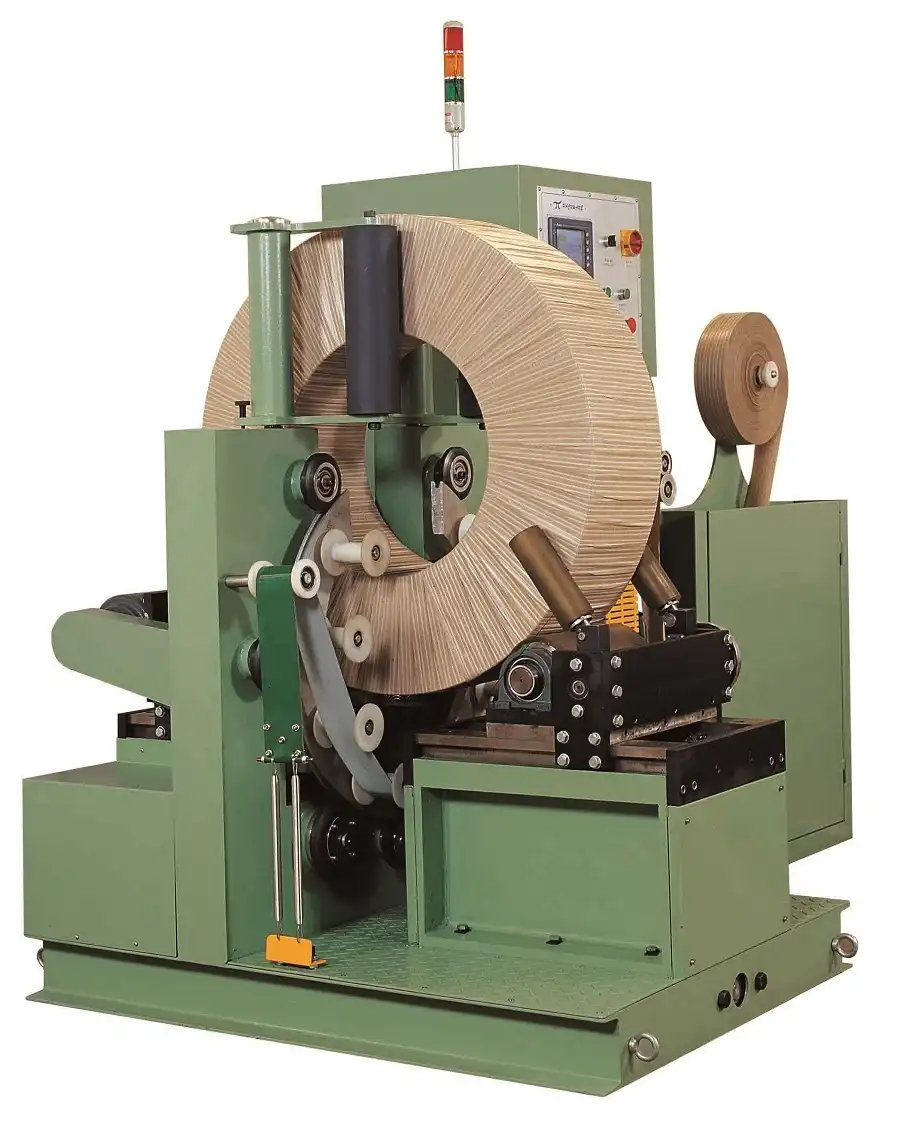
For high-volume operations handling heavy materials like steel coils and wire, reliability is non-negotiable. Michael Chen, for example, cannot afford production line stoppages. His plant runs under intense pressure. Any hiccup in the packing process can create a ripple effect, slowing down the entire factory. A reliable orbital wrapping machine, on the other hand, performs consistently day after day, year after year, protecting your investment and your reputation. It means less stress for factory managers and more predictable operations.
The True Cost of Unreliability
When I started my factory, one of my core principles was building machines that would last. I knew from my own experience that a machine constantly breaking down was a nightmare. Here is a closer look at how machine reliability directly impacts your long-term costs and overall operations:
-
Downtime is the Enemy of Profitability: This is arguably the biggest impact. When an orbital wrapping machine breaks down, it is not just the machine that stops; often, the entire end-of-line process grinds to a halt. For a plant producing heavy steel coils, every hour of downtime can mean thousands of dollars in lost production, idle labor, and potential penalty fees for delayed shipments.
- Direct Costs: Repair parts, technician labor, expedited shipping for parts.
- Indirect Costs: Lost sales, reduced production volume, damaged customer relationships due to missed deadlines, overtime pay for workers trying to catch up. Michael knows this pain keenly; missing delivery targets can severely impact his business.
-
Increased Maintenance and Repair Expenses: Unreliable machines require more frequent and often more expensive repairs. This includes the cost of replacement parts, which can be significant for specialized components, and the labor cost of maintenance technicians.
- Frequent Part Replacements: Cheaply made machines often use lower-quality components that wear out faster, necessitating frequent and costly replacements.
- Emergency Repairs: These are almost always more expensive than planned maintenance because they often require immediate service and may involve premium charges.
-
Reduced Equipment Lifespan: A poorly built or unreliable machine simply will not last as long. This means you will need to replace it much sooner, effectively increasing its annual depreciation and forcing another significant capital expenditure much earlier than planned. A robust machine, built with industrial-grade components, can provide reliable service for over a decade, spreading its initial cost over a longer period.
-
Impact on Product Quality and Damage: An orbital wrapper that is unreliable might also be inconsistent in its performance. This can lead to poorly wrapped products, inadequate protection for items like steel coil edges, and increased product damage during handling and transportation.
- Customer Complaints: Damaged products lead to customer dissatisfaction, returns, and potentially a loss of future business.
- Waste and Rework: Damaged products might need to be reprocessed or scrapped, leading to material waste and additional labor costs. This is a direct hit to profitability.
-
Safety Risks and Employee Morale: When machines are constantly malfunctioning, operators may try to perform quick fixes or work around issues, potentially creating unsafe working conditions. Furthermore, constantly dealing with unreliable equipment can significantly lower employee morale and increase frustration, potentially contributing to higher employee turnover. In Michael’s plant, where heavy lifting is already a concern, adding machine unreliability to the mix can escalate safety risks.
-
Diminished ROI (Return on Investment): The primary goal of investing in an orbital wrapping machine is to improve efficiency and reduce costs, thereby generating a positive ROI. If a machine is unreliable, its ability to deliver these benefits is severely hampered, extending the payback period and potentially turning the investment into a net loss.
3. Can automation levels impact the TCO of your packing line?
When I first started in the packing machine industry, many processes were heavily manual. I saw workers straining, repetitive tasks leading to injuries, and slow output. Today, the question is not if you should automate, but how much. For a factory like Michael’s, still relying on significant manual labor for steel coil and wire packing, automation is a clear path to solving efficiency bottlenecks and safety hazards. But it is important to find the right balance for your specific needs to truly impact TCO.
Yes, automation levels significantly impact the TCO of your packing line by reducing direct labor costs, increasing throughput and efficiency, improving workplace safety, minimizing product damage, and ensuring consistent packaging quality, though initial investment costs are higher for fully automated systems.
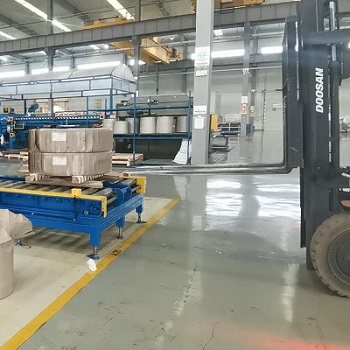
The right level of automation transforms a packing process from a bottleneck into a streamlined, cost-effective operation. I have seen clients who were able to reallocate their workforce to more skilled tasks, cut down on overtime, and drastically reduce injury rates simply by implementing smart automation solutions. It is about working smarter, not just harder, and making your investment work harder for you.
Optimizing TCO through Strategic Automation
Deciding on the level of automation for your orbital wrapping machine involves a careful assessment of your current operations, labor costs, safety concerns, and production volume. Here is how different levels of automation can impact TCO:
-
Reducing Labor Costs and Dependencies: This is one of the most direct and impactful ways automation lowers TCO.
- Manual Operations: Require multiple operators for loading, wrapping, cutting, and unloading. This incurs significant salary, benefits, and training costs. Michael’s current reliance on manual packing for heavy items like steel coils leads to high labor costs and increased safety risks.
- Semi-Automated Systems: Reduce the need for continuous operator intervention. One operator might oversee several machines or simply load and unload, while the machine handles the wrapping cycle. This decreases labor hours per unit.
- Fully Automated Systems: These systems integrate the orbital wrapper into a complete packing line, including conveyor systems, automatic loading/unloading, and robotic handling. They require minimal human interaction, primarily for monitoring and maintenance, leading to substantial long-term labor savings. My clients who have moved to fully automated coil packing lines often see their ROI within a few years just from labor reduction alone.
-
Boosting Efficiency and Throughput: Automation drastically increases the speed and consistency of the packing process.
- Consistent Speed: Machines operate at a constant, optimized speed, unlike human operators whose performance can vary due to fatigue or other factors. This ensures higher throughput.
- Reduced Bottlenecks: Automated systems eliminate manual handling delays, turning the packing stage from a bottleneck into a smooth part of the production flow. This is crucial for plants like Michael’s, where current manual processes are slow and inefficient.
- 24/7 Operation: Automated machines can run continuously without breaks, further maximizing output.
-
Enhancing Workplace Safety: This is a major concern for Michael and any factory manager dealing with heavy products.
- Minimizing Manual Handling: Automated systems for loading and unloading heavy steel coils or wire dramatically reduce the need for workers to lift or manipulate heavy items, thereby reducing the risk of musculoskeletal injuries, crushed limbs, and other accidents. This directly lowers insurance costs and worker compensation claims.
- Controlled Environment: Automated processes occur within defined, safety-guarded zones, removing human operators from direct exposure to moving machinery.
-
Improving Product Quality and Reducing Damage: Automated wrapping provides a more consistent and secure package.
- Precise Wrapping: Machines apply film with consistent tension and overlap, ensuring uniform protection. This is vital for delicate edges of steel coils, which are prone to damage during internal transfer or shipping.
- Fewer Human Errors: Automation eliminates the potential for human error in wrapping, which can lead to poorly secured packages or damaged product.
-
Considering Initial Investment vs. ROI: While automated systems have a higher initial capital outlay, their long-term benefits in terms of reduced labor, increased safety, and improved efficiency often lead to a rapid return on investment.
| Automation Level | Initial Cost | Labor Needs | Throughput | Safety Impact | Product Quality | Example Benefit for Michael’s Plant |
|---|---|---|---|---|---|---|
| Manual | Low | High | Low | High risk, frequent injuries | Variable | Inexpensive to start, but high ongoing labor and injury costs. |
| Semi-Automated | Medium | Medium | Medium-High | Reduced risk, fewer incidents | Consistent | Good balance, reduces labor, improves safety with moderate investment. |
| Fully Automated | High | Low | Very High | Very low risk, excellent safety | Highly Consistent | Drastically cuts labor, maximizes output, eliminates most safety hazards. |
When I consult with factory owners, I always help them calculate the ROI. For a medium-to-large metal processing plant, the numbers almost always favor increased automation, especially when considering the costs associated with accidents and inefficiency. The key is to implement automation thoughtfully, choosing solutions that directly address your biggest pain points and offer a clear path to profitability.
4. Why is after-sales support a critical component of lowering TCO?
I have heard countless stories from clients, including Michael’s own experience, about equipment suppliers who were great during the sales process but disappeared when problems arose. This is a common and frustrating situation. As someone who has been on both sides – buying machines and selling them – I know that true partnership does not end with a handshake. For a piece of equipment as vital as an orbital wrapping machine in a high-production environment, robust after-sales support is not just a bonus; it is essential for keeping your TCO low and your operations smooth.
After-sales support is a critical component of lowering TCO because it ensures minimal downtime through quick troubleshooting and repairs, prolongs machine lifespan through proper maintenance and readily available spare parts, provides essential operator training, and builds a trusting long-term partnership that mitigates risks and maximizes the return on investment.
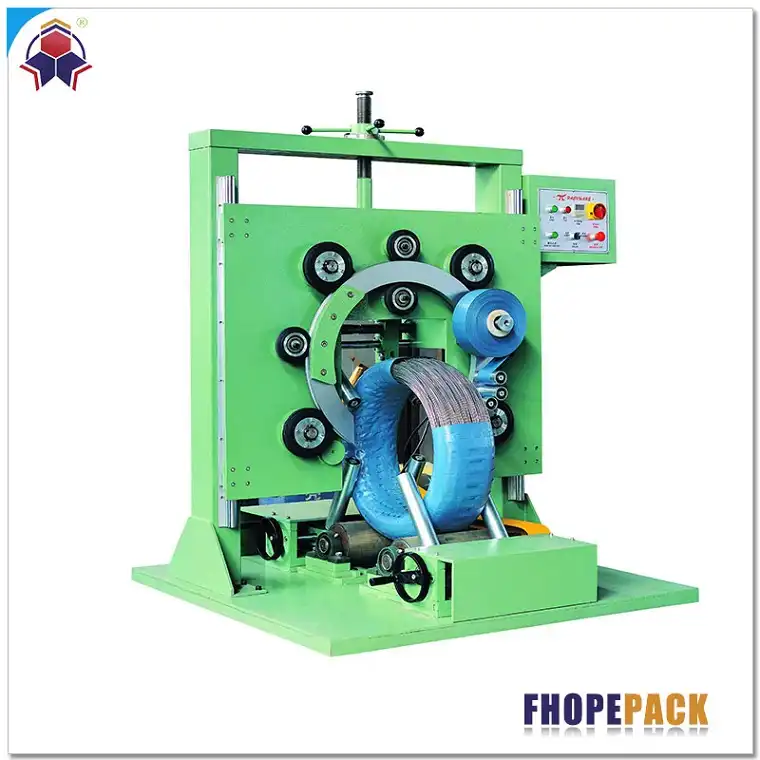
When my factory clients invest in a machine from FHOPEPACK, they are not just buying steel and wires; they are buying peace of mind. They are investing in a partner who understands their challenges. For a factory manager like Michael, who has faced supplier trust crises, this ongoing support is the difference between a successful investment and another expensive mistake. It is about having someone to call when you face an issue, someone who genuinely cares about your plant’s productivity.
The Pillars of Effective After-Sales Support and TCO
My journey in the packing machine industry has taught me that the best machines are only as good as the support behind them. Here is why after-sales support is so vital for lowering your TCO:
-
Minimizing Downtime through Rapid Response: Every minute an orbital wrapping machine is down costs money. Effective after-sales support means:
- Quick Troubleshooting: Access to expert technicians who can diagnose problems quickly, often remotely.
- Fast Repair Services: Prompt dispatch of field service engineers when on-site intervention is required. This drastically cuts the duration of production halts.
- Technical Hotlines/Online Support: Immediate access to assistance, preventing minor issues from escalating. This means Michael’s team can get help right away instead of waiting days.
-
Ensuring Availability of Spare Parts: Lack of critical spare parts can lead to extended downtime, even if the issue is minor.
- Local or Regional Stocking: A reliable supplier maintains a comprehensive inventory of spare parts, ideally close to your operating location (like Mexico for Michael). This ensures rapid delivery.
- Genuine Parts Guarantee: Using genuine parts ensures compatibility and maintains the machine’s performance and warranty. I always ensure our parts are readily available and high quality.
-
Prolonging Machine Lifespan with Preventative Maintenance Programs: Regular, scheduled maintenance prevents breakdowns and extends the life of your equipment.
- Maintenance Contracts: Suppliers offering preventative maintenance packages help you keep your machine in top condition, proactively replacing worn parts before they cause failures.
- Expert Technicians: Skilled technicians who know the machine inside and out can identify potential issues early, saving you from major repair costs later.
-
Comprehensive Operator Training: Well-trained operators use the machine more efficiently, reduce errors, and can often resolve minor issues themselves, preventing service calls.
- Initial Training: Thorough training during installation ensures your team can operate the machine safely and effectively from day one.
- Refresher Courses: Ongoing training can help optimize performance and keep up with any software or hardware updates. This helps Michael’s team maximize their investment.
-
Building a Trusted Partnership: For factory managers like Michael, finding a partner who truly understands their needs and stands by their product is invaluable.
- Consultative Approach: A good supplier acts as a consultant, offering advice on optimizing your packing line, suggesting upgrades, and helping you adapt to new production requirements.
- Feedback Loop: They listen to your feedback and use it to improve their products and services, fostering a long-term relationship based on mutual growth. My commitment to my clients is that their success reflects directly on FHOPEPACK.
| Aspect of Support | Impact on TCO | Benefit for Michael’s Plant (Mexico) |
|---|---|---|
| Fast Technical Support | Reduces downtime significantly, preventing production losses and overtime costs. | Quick resolution of issues means steel coil packing line stays operational, meeting tight deadlines. |
| Spare Parts Availability | Avoids prolonged outages due to waiting for parts, preventing costly production halts. | Essential parts are on hand or shipped fast, minimizing repair time for critical equipment. |
| Preventative Maintenance | Extends machine lifespan, reduces emergency repairs, optimizes performance, lowering long-term capital expenditure. | Machine remains reliable for years, reducing unexpected costs and ensuring consistent output for heavy coils. |
| Operator Training | Improves efficiency, reduces operator errors, minimizes product damage, and empowers in-house troubleshooting. | Staff handles orbital wrapper expertly, reducing mistakes, enhancing safety, and cutting unnecessary service calls. |
| Long-Term Partnership | Provides ongoing expert advice, adapts to evolving needs, and ensures sustained value from the investment. | Michael gains a trusted advisor who understands his heavy manufacturing challenges and supports his growth. |
In essence, after-sales support is your insurance policy against the unpredictable. It is the peace of mind that allows you to focus on your core business of metal processing, knowing that your critical packing machinery is backed by experts. This is how I have always operated, and it is the standard I believe every factory manager deserves.
Conclusion
The lowest TCO for an orbital wrapping machine comes from balancing reliability, suitable automation, and robust after-sales support, not just a low purchase price. This holistic approach ensures long-term profitability and operational excellence.








