
Which Orbital Stretch Wrapper Is Best For Kazakh Climates?
Imagine your packing line freezing up, or worse, breaking down, because the machine just cannot handle the extreme cold or scorching heat. This is a real problem for factory managers operating in places like Kazakhstan. Downtime from unreliable equipment in such harsh environments means huge losses, missed deadlines, and endless headaches.
The best orbital stretch wrapper for Kazakh climates is one built with extreme temperature resilience, robust dust protection, and heavy-duty components. It must also feature specialized lubrication systems and advanced climate control for sensitive electronics to ensure consistent, reliable performance across vast temperature swings.
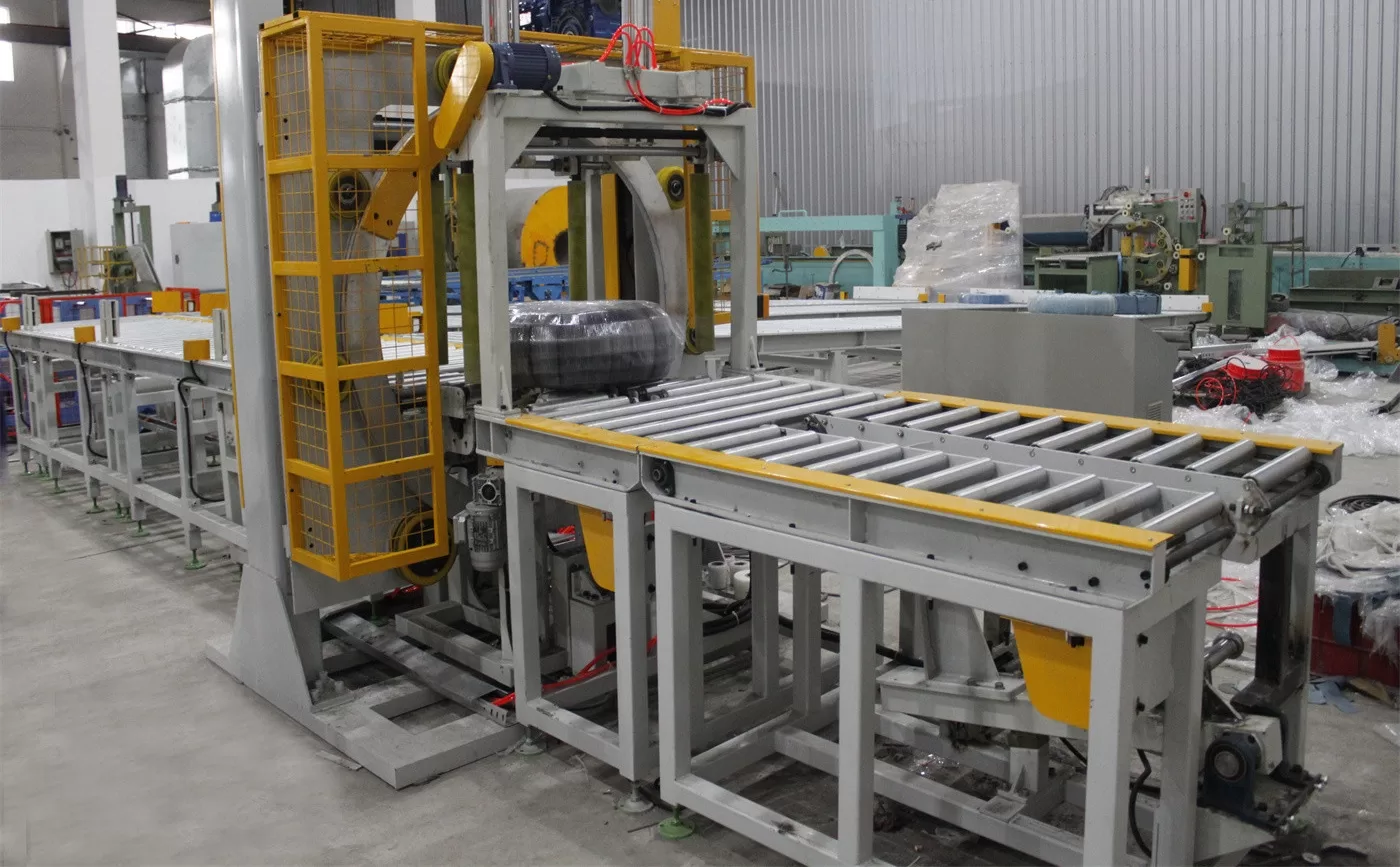
Choosing the right orbital stretch wrapper for challenging climates is not just about buying a machine; it is about securing your production and protecting your investment. Let’s explore exactly what features make an orbital wrapper truly “best” for Kazakhstan’s unique environment, and how this choice can directly impact your factory’s success.
How Do Extreme Temperatures Impact Packing Machines in Kazakhstan?
Running a factory in a place like Kazakhstan brings big challenges, right? You worry about your machines surviving the bitter cold of winter and the intense heat of summer. When equipment fails due to climate stress, your production stops, your delivery schedules get messed up, and your bottom line takes a hit.
Extreme temperatures in Kazakhstan cause material fatigue, lubrication issues, and electronic failures in packing machines. Cold makes components brittle and increases viscosity of lubricants, while heat can cause overheating, material expansion, and sensor malfunctions. This leads to frequent breakdowns, higher maintenance costs, and reduced machine lifespan.

When I first started working in this industry, and later built my own factory, I saw firsthand how much a machine’s environment affects its performance. It is not just about the machine doing its job on a good day. It is about it doing its job every day, no matter the weather. In Kazakhstan, temperatures can drop to -40°C in winter and soar to +40°C in summer. These swings are brutal for any piece of machinery.
Effects of Extreme Cold on Orbital Wrappers:
- ❄️ Material Brittleness: Standard metals and plastics can become fragile in freezing temperatures. This means parts like rollers, frames, or even the film carriage can crack or break under stress. This can cause the machine to stop suddenly, leading to production delays.
- 🥶 Lubricant Thickening: Regular grease and oils become very thick in the cold. This makes moving parts like bearings and gears work much harder. It increases wear and tear, causes motors to draw more power, and can lead to complete mechanical failure if not addressed.
- ⚡ Electronic Malfunctions: Control panels and sensors are sensitive. Extreme cold can make displays slow or unresponsive. It can even cause electrical components to stop working correctly, leading to faulty operations or complete system shutdowns. From my experience, a faulty sensor in cold weather can shut down an entire coil packing line, costing hours of production.
Effects of Extreme Heat on Orbital Wrappers:
- 🔥 Overheating Motors: High summer temperatures mean motors and other electrical components work harder to stay cool. Without proper ventilation or cooling, they can overheat, which reduces their lifespan and can cause sudden failures.
- 🥵 Material Expansion: Heat causes materials to expand. While this sounds minor, in precision machinery, even small changes can lead to misalignments. This affects the accuracy of wrapping, potentially damaging your products like steel wire coils.
- 🌡️ Degradation of Components: Over time, high heat can degrade plastics, rubber seals, and electrical insulation. This makes the machine less reliable and increases the risk of short circuits or mechanical failures.
Understanding these specific climate impacts is the first step to choosing a wrapper that can truly master the packing challenges of Kazakhstan. You need a machine designed to stand up to both ends of the temperature spectrum, ensuring your operation keeps moving, even when the weather is not cooperating.
What Specific Features Make an Orbital Wrapper Climate-Resistant?
Many factory managers think all machines are built the same. But when you are dealing with the harsh cold and heat of Kazakhstan, a standard orbital wrapper simply won’t cut it. Relying on average equipment in extreme conditions means you are always one breakdown away from a major problem, costing you both time and money.
A climate-resistant orbital wrapper for Kazakhstan includes heavy-duty, corrosion-resistant steel frames, industrial-grade components designed for wide temperature ranges, and specialized cold-weather lubricants. It also features sealed electrical enclosures with heating/cooling systems to protect sensitive electronics, along with dust and moisture protection for critical parts.

When I was building my own packing machine factory, I learned that small details in design make a huge difference. It is not just about the big pieces of steel; it is about every bolt, every wire, and every drop of lubricant. For a machine to truly thrive in Kazakh climates, it needs specific features that act as a shield against the elements.
Key Climate-Resistant Features:
- 🏗️ Robust Frame and Construction Materials:
- Heavy-Duty Steel: The machine frame must be made from high-strength steel. This prevents warping or cracking from extreme temperature changes. It provides a solid base that withstands constant vibrations and heavy loads, crucial for packaging large steel coils or wire bundles.
- Corrosion-Resistant Coatings: In industrial environments, moisture and dust are always present. A good climate-resistant wrapper uses specialized paints or coatings that prevent rust and corrosion, extending the machine’s life.
- ⚙️ Industrial-Grade Components:
- Wide Operating Temperature Motors: Motors are the heart of any packing machine. They need to be rated for a much broader temperature range than standard motors. This means they can start and run efficiently in sub-zero temperatures and not overheat in scorching summers.
- Durable Bearings and Gears: These critical moving parts should be made from hardened alloys. They must be able to withstand constant stress and friction across all temperatures without seizing or excessive wear.
- 💧 Specialized Lubrication Systems:
- Cold-Weather Lubricants: Standard greases and oils turn thick in cold weather. Climate-resistant machines use synthetic lubricants specifically formulated to maintain their viscosity and flow in extreme cold. This ensures smooth operation and reduces motor strain.
- Automated Lubrication: An automatic lubrication system ensures that all critical moving parts receive the right amount of lubricant at the right time. This is especially important in extreme climates, as manual checks can be difficult or missed.
- 🔌 Protected Electrical Systems:
- Sealed Enclosures (IP65 or higher): All electrical panels, sensors, and wiring must be housed in sealed enclosures. This protects them from dust, moisture, and temperature fluctuations. An IP65 rating means protection against dust ingress and low-pressure water jets from any direction.
- Internal Heating/Cooling Systems: For critical electronics, a small heater can prevent freezing in winter, and a small fan or air conditioner can prevent overheating in summer. This keeps sensitive components operating within their ideal temperature range.
- 🌬️ Dust and Moisture Protection:
- Gaskets and Seals: High-quality gaskets and seals on all access panels and moving joints prevent dust and moisture from entering the machine’s internal workings. This is vital in dry, dusty climates like parts of Kazakhstan.
- Robust Sensors: Sensors used in extreme climates need to be industrial-grade, often with protective casings, to ensure they remain accurate and functional.








