
Which orbital stretch wrapper ensures ROI for Saudi’s mid-sized plants?
Are you a factory manager in Saudi Arabia, struggling with slow packing lines? Do you worry about your team’s safety when handling heavy coils? Manual packing wastes time and money. It also exposes workers to risks. Damaged products mean lost profits and angry customers. You need a solution that delivers real returns. You need to find the right orbital stretch wrapper. It can transform your packing process. But how do you pick one that truly gives you a strong ROI in Saudi Arabia?
The best orbital stretch wrapper for Saudi’s mid-sized plants is one that combines robust design, high automation, and proven reliability. It should specifically address the challenges of coil and wire packing, minimize manual labor, and offer clear cost savings. Look for machines with strong local support and a track record of durability in demanding industrial environments.
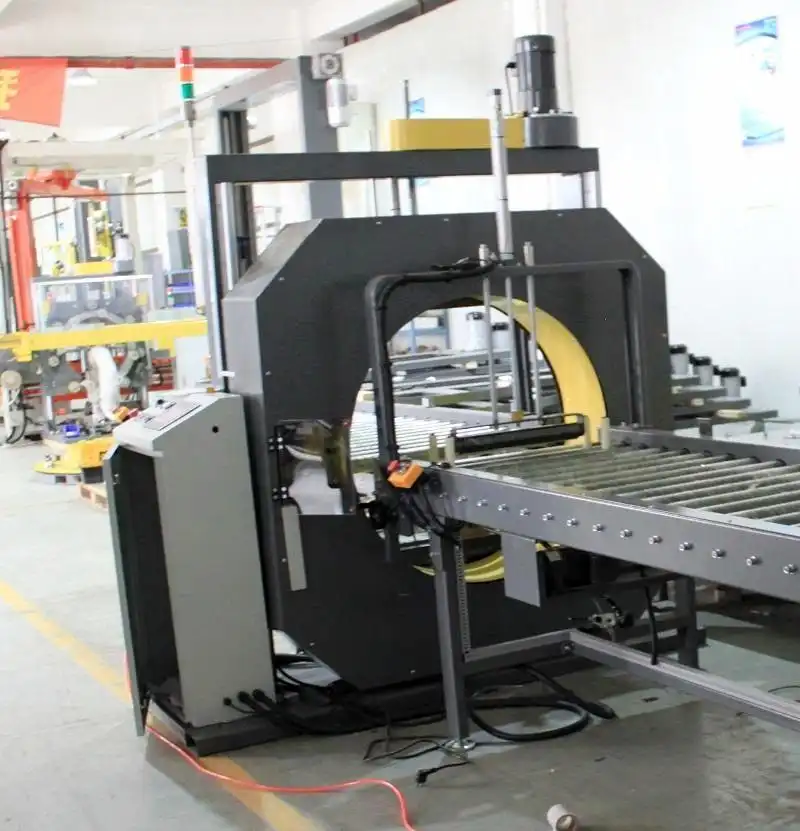
Choosing the right machine is not just about buying equipment. It is about making a smart investment. It is about finding a partner who understands your production floor. Let us dive into the details. We will explore how these machines can benefit your operations in Saudi Arabia.
How do Saudi plants face packing challenges?
Many mid-sized plants in Saudi Arabia still rely on outdated packing methods. This often means slow operations and high labor costs. Your competitors are automating. If you do not, you fall behind. Manual packing also puts your workers at risk. It leads to higher insurance and staff turnover. Understanding these specific challenges is the first step. We can then find solutions that really work for your factory.
Saudi plants face packing challenges like slow manual processes, high labor costs, significant safety risks during heavy item handling, and frequent product damage. These issues lead to production bottlenecks, increased operational expenses, and reduced customer satisfaction. The hot and dusty conditions also demand extremely durable equipment.
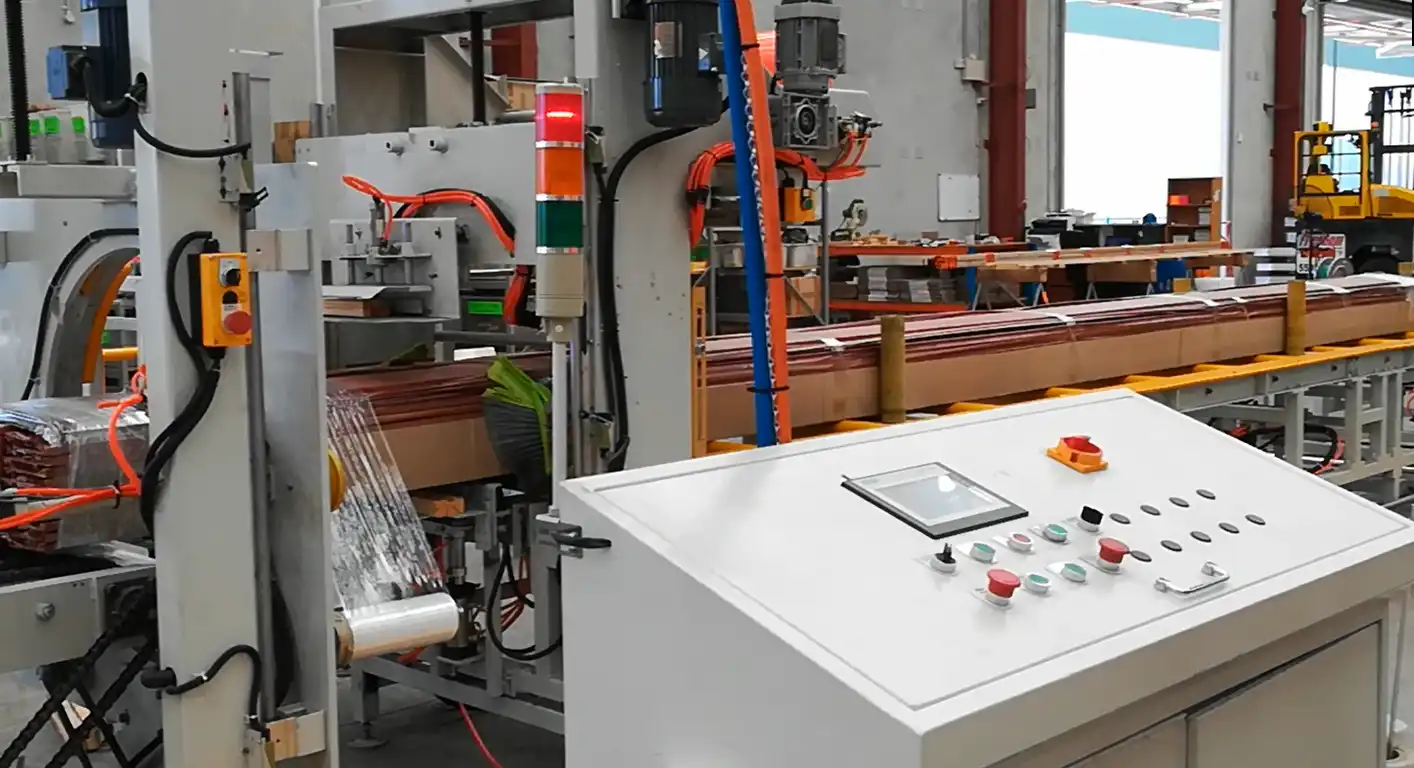
When I started my journey in the packing machine industry, first as an employee and then running my own factory, I saw these problems firsthand. I built my business on solving real-world packing issues for clients. The conditions in Saudi plants, like those Michael Chen faces, are tough. High temperatures, dust, and continuous operation push equipment to its limits. This means machines must be built to last.
Consider the specifics.
Manual Labor Bottlenecks
Many factories still use teams of workers to wrap large steel coils or wire bundles. This is slow. It takes many people. This process becomes a major choke point at the end of the production line. Imagine a high-speed steel mill. The rolling process is fast. But then coils stack up at the packing station. This slows everything down. This cuts into your overall output. My clients often told me about this exact problem. They needed faster ways to get products out the door. This was true whether they were in coil packing or steel wire packing. Manual handling also creates inconsistencies. Workers might wrap too loosely or too tightly. This affects the quality of the packaging. It can also lead to more material waste. An automated solution removes these variables. It ensures consistent, high-quality wraps every time.
Safety Risks for Workers
Heavy items like steel coils or bundles of wire are dangerous to handle. Workers can get injured. They might strain their backs. They might drop heavy items. This leads to accidents. It means more time off work for employees. It also means higher costs for worker’s compensation. For any factory manager, employee safety is a top concern. It is not just about compliance. It is about human well-being. And it affects your budget. A machine that reduces or removes human interaction with heavy loads is not just a nice-to-have. It is essential. In my own factory, worker safety was always a top priority. I understood that a safe team is a productive team. This experience made me a strong advocate for automation that puts safety first.
Product Damage Concerns
During manual packing or internal transport, products can easily get damaged. Steel coils can get dents on their edges. Wires can unravel. This means unhappy customers. It means products sent back. It means lost profits. Every damaged product eats into your bottom line. I always stressed to my clients that preventing damage is key to growth. Good packing protects your product and your reputation. In Saudi Arabia, products often travel long distances. They face harsh conditions during transport. This makes robust packaging even more critical. Damage during transit can erase all the effort put into production. An effective packing system is your last line of defense against product loss.
High Operational Costs
Manual processes are expensive. You pay for wages, benefits, and training. You also pay for the inefficiencies. You pay for the time wasted. You pay for the materials used poorly. Automation directly addresses these costs. It works faster. It uses materials more efficiently. It needs fewer people to do the same job. This improves your financial health. My experience showed me that investing in the right equipment always paid off. It always brought down long-term operational costs. It helped many of my clients achieve their own financial independence, just as I did. These costs include not just labor, but also the hidden costs of lower output and quality issues. Automation solves these problems.
Can automation really cut costs in tough factory settings?
You might think automation is only for huge companies. You might worry about the upfront cost for your mid-sized plant in Saudi Arabia. Ignoring automation means continuing to bleed money. You lose money to high labor, product damage, and slow production. These costs add up fast. Automation can dramatically cut costs. It works even in the toughest environments. It offers a clear path to better profitability.
Yes, automation can significantly cut costs in tough factory settings by reducing labor expenses, minimizing product damage, and increasing throughput. Automated orbital wrappers improve safety, optimize material use, and provide a quick return on investment, even in demanding environments like those found in Saudi Arabia’s metal processing plants.

When I was building my factory, I learned the importance of lean operations. Every penny counted. I focused on solutions that gave real value. This is especially true for automation in places like Saudi Arabia. The environment is harsh. The labor market has its own challenges. So, any investment must be robust and provide clear benefits.
Let us look at how it works.
Reducing Labor Costs
One of the biggest expenses for any factory is labor. Manual packing needs many workers. An automated orbital wrapper can replace several workers. It does the job faster and without breaks. This means you can reassign your staff to other tasks. You can also reduce your overall headcount for packing. This directly lowers your payroll. I saw this happen time and again with my clients. They shifted workers to more skilled roles. Or they simply ran more efficiently with fewer people dedicated to manual, repetitive tasks. This was a game-changer for their bottom line. The savings from reduced wages, benefits, and training costs are substantial over time. This makes the initial investment in automation quickly pay for itself.
Minimizing Product Damage
Automated machines handle products consistently. They use controlled movements. This reduces the chance of human error. It prevents product damage during packing. For high-value items like steel coils or precision wires, this is crucial. Think about the cost of a damaged coil. It is not just the material. It is the rework. It is the lost shipping time. It is the unhappy customer. An automated system applies the right amount of stretch film every time. It ensures secure transport. This protects your product. It protects your reputation. It saves you money. Automated wrapping ensures even tension and coverage, which is very hard to achieve manually. This consistent quality translates to fewer customer complaints and higher product integrity.
Boosting Production Throughput
Manual packing is slow. It creates bottlenecks. An automated orbital wrapper works much faster. It can wrap many more coils or bundles per hour. This increases your overall production capacity. You can produce more. You can deliver faster. This means you can take on more orders. It means more revenue. For my clients, speeding up the end-of-line process was often the key to unlocking their factory’s full potential. It allowed them to grow their businesses significantly. In my factory, I learned that a smooth, fast packing line directly impacts the entire factory’s output. Any slowdown there affects everything upstream. Automation keeps the flow going.
Improving Workplace Safety
Automated machines reduce the need for workers to interact directly with heavy, moving parts. This cuts down on accidents. It lowers the risk of injury. This is a huge benefit. Safer workplaces mean happier employees. They mean lower insurance costs. They mean fewer disruptions from accidents. As someone who built a factory, I know the value of a safe environment. It is good for people. It is good for business. With an orbital wrapper, workers can operate the machine from a safe distance. They only need to load and unload, or monitor the process. This dramatically improves the overall safety profile of your packing area.
| Cost Saving Area | Manual Packing Impact | Automated Packing Impact |
|---|---|---|
| Labor | High wages, overtime, injuries | Reduced headcount, less injury |
| Product Damage | Frequent, high rework cost | Minimal, consistent handling |
| Throughput | Slow, bottlenecks | Fast, increased output |
| Safety | High risk, high insurance | Low risk, improved worker morale |
| Material Use | Inconsistent, wasted film | Optimized, less waste |
What makes an orbital wrapper a smart investment for Saudi factories?
You have many equipment options for packing. It can be hard to know which one truly offers the best return. Investing in the wrong machine is costly. It does not solve your problems. It wastes your time and money. An orbital wrapper stands out. It offers specific benefits that make it a smart, long-term investment for Saudi factories.
An orbital wrapper is a smart investment for Saudi factories because it provides superior product protection for various shapes, significantly boosts packing speed, and enhances worker safety by automating the wrapping of large or awkwardly shaped items like coils and pipes. Its robust design withstands harsh environments, ensuring long-term reliability and a quick return on investment.
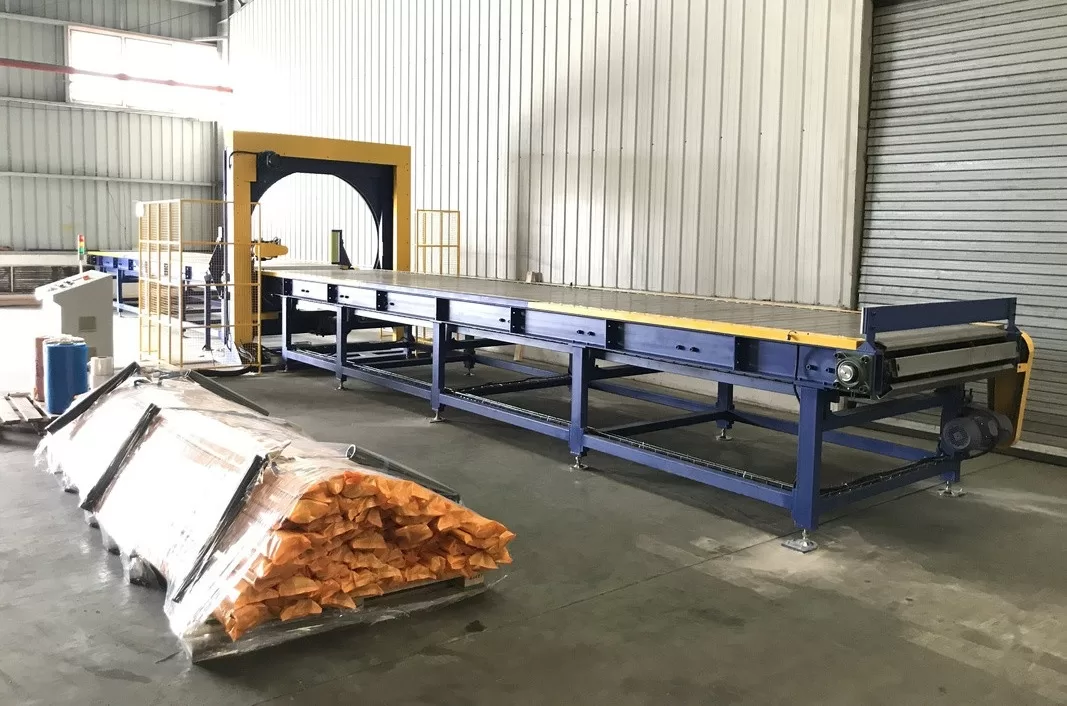
When I started FHOPEPACK, my goal was to share knowledge. I wanted to help others make informed decisions. This includes choosing the right equipment. For factories in Saudi Arabia, especially those dealing with metal products, an orbital wrapper is often the best choice. I have seen how these machines transform operations.
Let us explore the key factors.
Versatility in Packing Different Shapes
Orbital wrappers are unique. They wrap film around a product as it passes through a central ring. This design is perfect for long items. It is great for coils, pipes, and bundles. Traditional stretch wrappers wrap items on a pallet. But many industrial products are not on pallets. They need full, consistent coverage on all sides. An orbital wrapper provides this. It ensures the product is fully protected from dust, moisture, and damage during transport. This versatility makes it ideal for the diverse products of a metal processing plant. My experience in both coil packing and steel wire packing showed me how crucial this flexibility is. A single machine can handle different product lines, maximizing its utility and ROI.
Superior Product Protection
The way an orbital wrapper works means every surface of the product gets covered. The film is stretched tightly. This creates a strong, protective layer. This prevents surface damage. It protects against rust if moisture is present. It keeps bundles together. This is crucial for items like steel wire. If the wire unwinds, it is a huge problem. This machine solves that. It ensures your products arrive at your customer in perfect condition. This boosts customer satisfaction. It builds your brand’s reputation for quality. In a region where goods often travel great distances by sea or land, this level of protection is not just an advantage; it is a necessity. It significantly reduces claims and rework costs.
Enhanced Safety Features
As I discussed earlier, safety is paramount. Orbital wrappers remove the need for manual wrapping of heavy, awkward items. Workers no longer need to walk around large coils with a hand wrapper. They do not need to lift or reposition heavy items for wrapping. The machine does the dangerous work. This significantly reduces the risk of strains, crush injuries, and other accidents. For factory managers like Michael Chen, this is a huge benefit. It protects their employees. It reduces liability. It creates a better work environment. This has always been a core value for me, both as an engineer and as a factory owner. A safer workplace also means less absenteeism and higher morale, contributing to overall productivity.
Durability for Harsh Environments
Saudi Arabia’s industrial settings are demanding. High temperatures and dust are common. Equipment needs to be robust. Orbital wrappers designed for industrial use are built with heavy-duty components. They use strong motors. They have durable frames. They are made to withstand continuous operation in tough conditions. This means less downtime. It means fewer repairs. It means a longer lifespan for your investment. This reliability is key to a strong ROI. It ensures your packing line keeps running day after day. My own factory experience taught me that investing in quality upfront prevents expensive breakdowns later. This applies even more so in challenging climates.
| Feature | Benefit for Saudi Factories | ROI Impact |
|---|---|---|
| Versatility | Handles various shapes (coils, pipes) | Broadens product range, reduces need for multiple machines |
| Product Protection | Prevents damage, rust, unravelling | Reduces customer returns, boosts reputation, saves rework costs |
| Enhanced Safety | Minimizes manual handling of heavy items | Lowers injury rates, insurance costs, improves morale |
| Durability | Withstands harsh conditions (dust, heat) | Less downtime, lower maintenance, longer machine life |
| Speed & Efficiency | Faster wrapping, higher throughput | Increased production capacity, lower labor costs |
How do I pick the right wrapper for my Saudi plant?
You know you need an orbital wrapper. But the market has many choices. How do you decide which one is truly right for your Saudi plant? A wrong choice can be expensive. It might not meet your needs. It could even create new problems instead of solving old ones. Choosing the right machine requires careful thought. You need to consider several key factors. I can guide you through this process.
To pick the right orbital wrapper for your Saudi plant, you must assess your specific product dimensions, required throughput, and factory space. Prioritize robust construction for the harsh environment, look for reliable after-sales support, and choose a supplier with deep industry knowledge who can offer tailored solutions that ensure a strong return on investment.
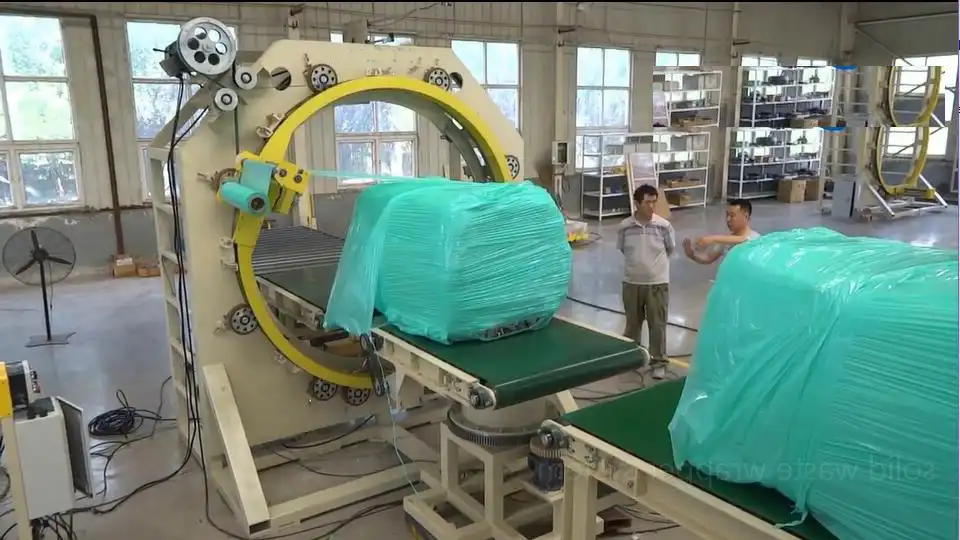
This is where my experience truly comes into play. After starting as an employee and then building my own factory, I learned what works and what does not. I helped many clients grow their businesses by guiding them through equipment choices. It is not just about the machine. It is about the partnership. For your plant in Saudi Arabia, making the right choice is crucial.
Let us look at the critical points.
Understand Your Specific Needs
First, know your product.
- Dimensions and Weight: What is the maximum diameter and length of your coils or bundles? How heavy are they? These factors determine the size and strength of the wrapper you need. A machine too small will not work. A machine too large might be inefficient.
- Throughput Requirements: How many items do you need to pack per hour or per shift? This will dictate the speed and automation level of the machine. Do you need a fully automatic system that integrates into your existing line? Or is a semi-automatic machine enough? This decision directly impacts your labor costs and production capacity. I always advised clients to consider future growth in this area.
- Film Type and Application: What kind of film do you need for protection? How many layers? The machine must be capable of handling your specific film requirements. Some products need heavy-duty film. Others might need UV protection, which is very important in the Saudi sun.
Assess Machine Durability and Design
The Saudi environment demands tough machines.
- Construction Materials: Look for heavy-duty steel frames. Check for components resistant to dust and heat. Corrosion resistance is also important, especially near coastal areas. A machine built with substandard materials will fail quickly. This means costly downtime and repairs.
- Reliable Components: Are the motors, sensors, and control systems from reputable brands? This impacts uptime. It impacts maintenance. High-quality components last longer. They also perform more consistently. My experience taught me that skimping on component quality is a false economy.
- Ease of Maintenance: Can your team easily service the machine? Are spare parts readily available? Downtime is very costly. I always ensured my factory had machines that were easy to maintain. This kept production flowing. A machine that is hard to fix means longer downtimes and higher repair bills.
Evaluate Supplier Expertise and Support
This is perhaps the most important point, as Michael Chen’s experience highlights.
- Industry Knowledge: Does the supplier truly understand your industry? Do they know about coil packing or steel wire packing? Do they understand the specific challenges of your factory? This is what I bring to the table at FHOPEPACK. My journey from engineer to factory owner gives me a unique perspective. I have been in your shoes. A supplier who understands your business can offer better, more relevant solutions.
- After-Sales Service: What kind of support do they offer? Do they have local technicians? What about spare parts inventory? A machine is only as good as the support behind it. Bad after-sales service leads to long downtimes. It leads to frustration. This is why I am dedicated to sharing my knowledge. I want to help you avoid those pitfalls. Reliable service ensures your investment keeps working for you.
- Customization Options: Can the supplier customize the machine for your specific plant layout or unique product needs? Sometimes a standard machine just does not fit perfectly. The ability to tailor a solution can be invaluable for maximizing efficiency and integration into your existing line.
Consider the Total Cost of Ownership (TCO) and ROI
Look beyond the purchase price.
- Energy Consumption: How much power does the machine use? Lower energy consumption means lower operating costs over the machine’s lifespan.
- Film Consumption: How efficiently does it use stretch film? Machines with pre-stretch capabilities can significantly reduce film usage. This saves a lot of money on materials.
- Maintenance Costs: What are the expected costs for parts and labor over its lifespan? Factor in preventive maintenance schedules.
- ROI Calculation: A good supplier will help you calculate the return on investment. They will show you how the machine saves money. They will show you how it increases profits. This is critical for making a strong business case. My goal is always to help clients see a clear path to financial benefit from their investment.
Choosing wisely means you invest in a solution. It is not just a piece of equipment. It is a step towards a more efficient, safer, and profitable future for your Saudi plant.
Conclusion
Investing in the right orbital stretch wrapper offers clear ROI for Saudi plants. It boosts safety, cuts costs, and improves efficiency. Partner with experts who understand your needs for lasting success.








