
Which Orbital Stretch Wrapper Delivers the Best ROI for MDF Board Production?
The hum of a busy factory is a good sound. But sometimes, it hides a big problem. Are your MDF boards moving fast on the line, only to slow down right at the end? Manual packing can create this issue. It is slow. It takes many people. It also puts your workers at risk. You want your factory to run smoothly, from start to finish. You also want to keep your costs down and your team safe. This is a common challenge for factory managers like Michael, who want to boost output and cut costs.
An orbital stretch wrapper often delivers the best return on investment (ROI) for MDF board production by automating the end-of-line packing process. This machine greatly cuts down on labor costs, improves packing speed, and provides superior product protection. It directly addresses common pain points such as production bottlenecks, safety hazards from manual handling, and product damage during transit. The right orbital wrapper helps factories like yours boost efficiency and profitability very quickly.
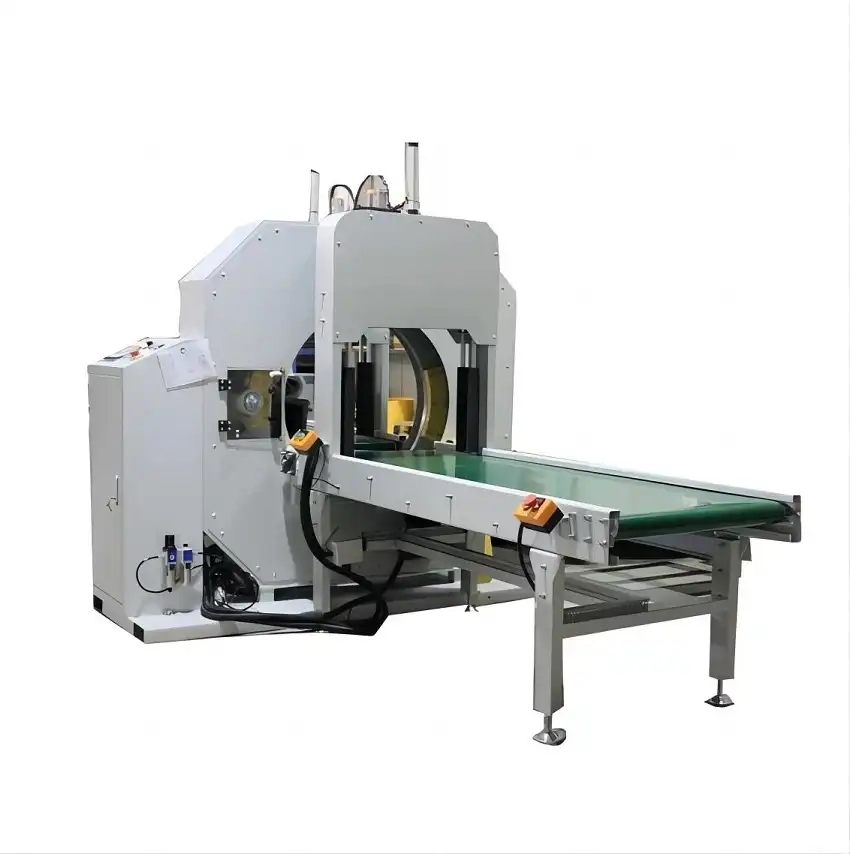
I have seen many factories struggle with these issues. I built my own packing machine factory and helped many clients grow their businesses. Now, I want to share what I know. We will look at how orbital stretch wrappers can help your MDF board production. We will see how they improve safety and save money. This will help you make a smart choice for your factory.
Why is Manual MDF Board Packing Costing Your Factory So Much?
Do you feel stuck with old ways of packing? Many factories still use too many hands for MDF board packing. This often feels like a necessary evil. But it really slows everything down. It also takes a big chunk out of your budget. This is a common situation for many operations directors who are trying to increase their output.
Manual MDF board packing is very expensive and inefficient. It ties up a lot of workers, making your labor costs high. It also makes packing very slow. This creates bottlenecks at the end of your production line. Product damage happens more often with manual handling. And worst of all, it puts your workers at serious risk of injury. These factors combined lead to significant financial losses and lower overall factory output.
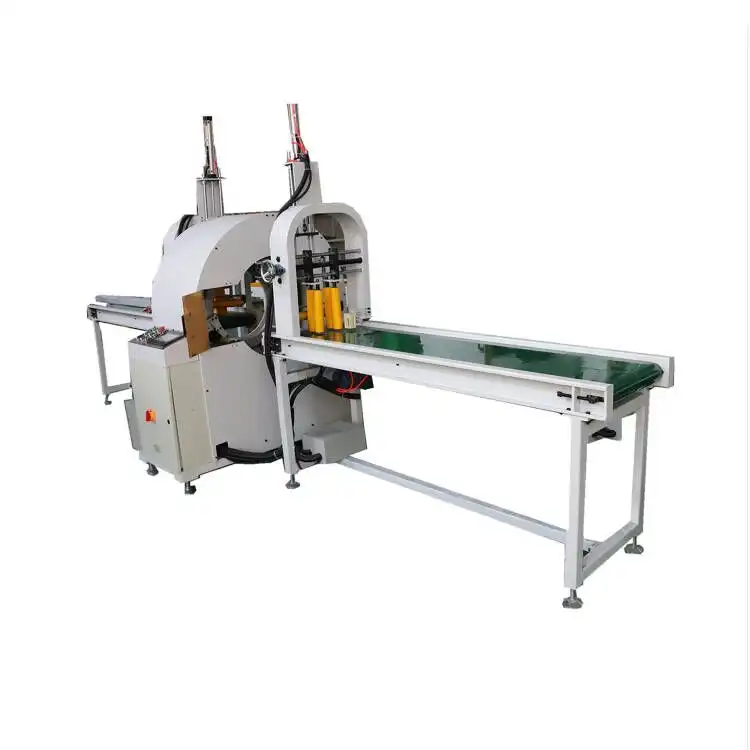
Let us dive deeper into why manual packing for MDF boards is such a big problem. When I started in this industry, I saw this firsthand. I saw how factories struggled.
High Labor Costs and Low Efficiency
Manual packing requires many workers. You pay wages, benefits, and overtime. This adds up fast. Each person can only do so much in an hour. This means your packing speed is limited. If you want to pack more, you need more people. This is not sustainable.
- Hourly Wages: Every person on the packing line costs money.
- Benefits: Health insurance, retirement plans, and other benefits add to the cost.
- Overtime: To meet deadlines, workers might need to put in extra hours. This makes labor even more expensive.
Think about how many MDF boards one person can wrap per hour. Now think about a machine. A machine works faster. It does not get tired. It does not need breaks. This makes your whole factory more efficient. It also means you need fewer people on the packing line. These people can then do other important jobs in the factory. This improves overall productivity.
Safety Risks and Insurance Costs
MDF boards are heavy. They can be large. Moving them around manually is dangerous. Workers can hurt their backs. They can drop boards on their feet. There can be slips and falls. These accidents lead to injuries. Injuries lead to high costs.
- Worker Injuries: Sprains, strains, fractures are common.
- Medical Bills: You pay for treatment.
- Lost Workdays: Injured workers cannot come to work. This means less work gets done.
- Insurance Premiums: More injuries mean higher insurance costs for your factory.
- Worker Turnover: High injury rates can make workers leave. You then need to train new people, which costs more time and money.
Investing in automation means fewer hands touching heavy boards. This makes your workplace much safer. It also lowers your injury rates. This saves you money on insurance. It also keeps your valuable employees happy and on the job.
Product Damage During Handling
MDF boards can chip or get scratched easily. This happens a lot during manual handling. Workers might drop a board. Or they might bump it against something. Even small damages can make a product unsellable. This means lost money.
- Edge Damage: The edges of MDF boards are prone to chipping.
- Surface Scratches: Boards can get scratched when moved or stacked roughly.
- Customer Complaints: Damaged products lead to unhappy customers. This can hurt your reputation.
- Returns and Reworks: You might have to replace damaged goods. This costs time and materials again.
A machine wraps boards consistently. It handles them gently. It applies stretch film evenly. This protects the boards from damage. It ensures your products leave the factory in perfect condition. This reduces customer complaints and saves you money from rework or returns. It also protects your brand reputation.
How Can an Orbital Wrapper Solve Your MDF Board Packing Bottlenecks?
Do you feel like your packing line is always playing catch-up? Manual processes often choke the flow of finished MDF boards. This means your hard work upstream is wasted if products cannot get out the door fast enough. You want a solution that speeds things up, not slows them down.
An orbital stretch wrapper effectively solves MDF board packing bottlenecks by dramatically increasing wrapping speed and consistency. It wraps products quickly and automatically, removing the need for slow manual labor at the end of the line. This machine seamlessly integrates into your existing production flow, ensuring that finished MDF boards are packed and ready for shipment without delay. It turns a slow, manual process into a fast, automated one, making your whole operation more efficient.

Let me explain how an orbital wrapper works its magic. I have seen these machines transform factories. They can do the same for yours.
Fast and Consistent Wrapping Speed
An orbital wrapper works at speeds that no human can match. It wraps a full pallet or stack of MDF boards in minutes, sometimes even seconds. It does this consistently, every time. There are no breaks, no fatigue. This means your packing line keeps moving.
- High Throughput: More boards wrapped per hour.
- Continuous Operation: The machine can run all day, every day.
- Predictable Output: You know exactly how many boards can be wrapped in a shift. This helps with planning.
This increased speed directly addresses your packing bottlenecks. Boards do not pile up. They get wrapped and are ready to go. This makes your entire production flow smoother. It means you can ship more products faster.
Superior Product Protection
MDF boards need good protection. They can get scratched or dented easily. An orbital wrapper applies stretch film tightly and evenly around the product. This creates a strong, protective layer. It keeps dust, moisture, and dirt away. It also holds the boards together tightly. This prevents shifting and damage during transport.
- Tight Wrapping: The film holds the boards securely.
- Moisture and Dust Barrier: The wrapping protects against environmental factors.
- Impact Resistance: The film provides a layer of cushioning against bumps.
- Reduced Damage Claims: Fewer damaged products mean happier customers and less financial loss.
This means your MDF boards arrive at the customer’s site in perfect condition. This builds trust and reduces costly returns. It adds value to your product and protects your brand image.
Automation and Labor Reduction
The biggest impact of an orbital wrapper is automation. It reduces your reliance on manual labor for packing. You need fewer workers on the packing line. This frees up your team to do other jobs. This can be quality control. It can be maintenance. It can be something else that adds more value to your factory.
- Fewer Packing Personnel: You need fewer workers dedicated to wrapping.
- Redeploy Labor: Workers can be moved to other critical areas.
- Lower Labor Costs: Direct savings from reduced headcount or overtime.
- Consistent Quality: Machines do not make human errors.
This automation directly cuts your operating costs. It also makes your factory less dependent on manual effort for a critical step. This builds a more robust and efficient operation for the long term.
What Kind of Orbital Wrapper is Best for Different MDF Board Sizes?
Are you wondering if one machine can handle all your MDF board sizes? MDF boards come in many shapes and sizes. A smaller wrapper might work for thin, short boards. But it might not handle long, wide ones. You need a solution that fits your specific product range.
The best orbital wrapper for MDF board production depends on the range of board sizes you handle. FHOPEPACK offers various models, from compact units for smaller or standardized boards to large, heavy-duty machines capable of wrapping very wide and long panels. Each machine type has a specific wrapping “eye” or opening size, which determines the maximum dimensions of the product it can wrap. Choosing the right machine ensures efficient and secure packing for all your MDF products.
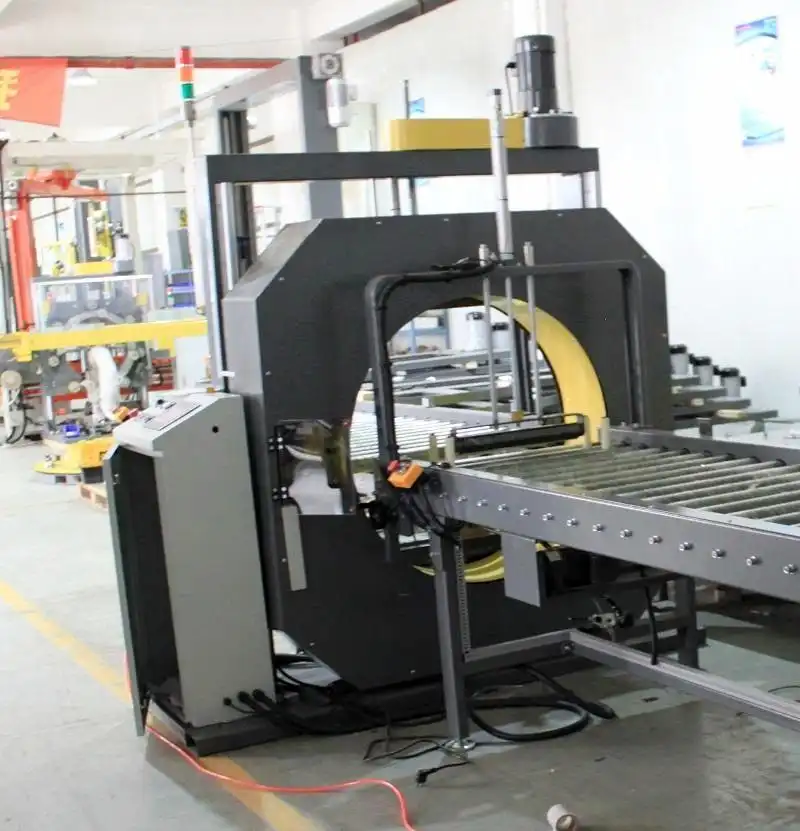
Based on my experience, matching the machine to your product is key. FHOPEPACK offers different orbital wrapper models. Each one is designed for specific needs.
Compact Orbital Wrappers (FHOPEPACK E200 Series)
For smaller MDF boards, or if you have very consistent, standard sizes, a compact orbital wrapper works well. These machines are efficient and take up less floor space. They are often a good starting point for factories moving from manual to automated packing.
- Ideal For: Smaller MDF panels, furniture components, or stacks of thin boards.
- Advantages:
- Space-Saving: Fits into smaller factory layouts.
- Cost-Effective: Lower initial investment compared to larger models.
- Energy Efficient: Uses less power for smaller loads.
- Limitations: Cannot wrap very wide or long boards. The ring size is fixed.








