
Which Orbital Stretch Wrapper Best Supports Automation in Uzbek Building Materials?
Uzbekistan’s building materials sector is growing fast. Yet, many factories there face an old problem: slow, unsafe, and often manual packing. This holds back production and hurts profits. Imagine heavy coils or long profiles being wrapped by hand. This not only causes delays but also puts workers at serious risk. These problems are not unique to any one country; I have seen similar challenges in many places, and they always lead to the same result: missed opportunities and higher costs.
Horizontal orbital stretch wrappers are ideal for automating the packing of many Uzbek building materials. These machines expertly handle items like steel coils, pipes, lumber, and profiles. They wrap products tightly and consistently. This boosts efficiency, improves worker safety, and protects goods from damage. It ensures products arrive at their destination in perfect condition.

Finding the right packing solution can change everything. It turns a bottleneck into a smooth process. If you want to make your operations safer, faster, and more profitable, then understanding how these wrappers work is your next step. Let us look deeper into what makes them so effective.
Why is Automation Crucial for Uzbek Building Material Manufacturers Today?
Are your production lines slowing down because of packing? Many factories in the building materials sector, especially in emerging markets like Uzbekistan, still rely heavily on manual packing. This creates a big bottleneck. It means your finished goods wait to be wrapped. This delay slows down deliveries and reduces your overall output. It directly impacts your ability to meet market demand.
Automation is crucial for Uzbek building material manufacturers because it directly tackles key operational challenges. It boosts output, cuts labor costs, and makes the workplace safer. Automated orbital wrappers ensure a steady flow of products from the factory to the customer. This improves overall efficiency and boosts profitability.
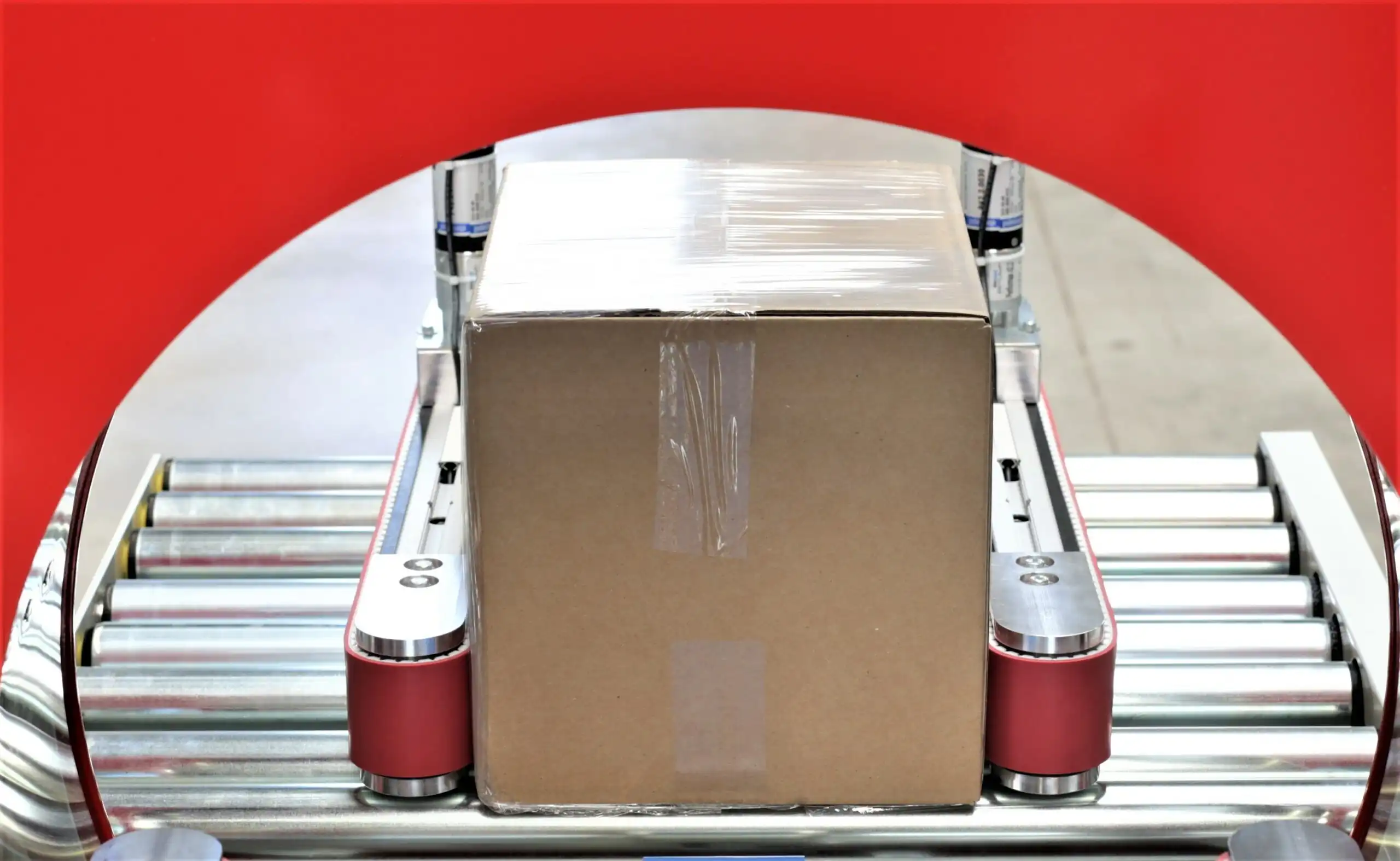
The shift to automation is not just about speed. It also addresses major concerns like worker safety and product quality. I have seen many clients struggle with high rates of workplace injuries due to manual handling of heavy items. This also leads to damaged goods during transport. Automation helps solve these issues. It lets you focus on growth and quality, not on fixing problems.
Addressing Key Production Pain Points with Automation
Many factory managers, like Michael, deal with daily pressures. They need to boost output, cut costs, and keep things safe. In the building materials industry, these pressures are very real. Heavy, bulky, and often awkward products need careful handling. Automation, especially with orbital wrappers, gives clear solutions.
- Efficiency Bottlenecks: Manual packing of materials like steel coils, pipes, or insulation panels is slow. It takes many workers and a lot of time. This creates a backlog. It means products are ready, but they cannot ship. An automated orbital wrapper works much faster. It wraps continuously. It can handle many items in the time it takes one person to do just a few. This frees up your workforce. They can do other, more valuable tasks. My experience in building my own factory taught me that every minute saved on the production line adds up to huge gains over time. I saw firsthand how even small improvements in packing speed made a big difference to our output.
- Safety Hazards: Workers lifting and moving heavy or oddly shaped building materials face high risks. Back injuries, crushed hands, and other accidents are common. These incidents lead to high insurance costs and lost workdays. Worse, they harm your valuable employees. Automated orbital wrappers remove workers from the direct handling of heavy goods. The machine does the hard work. This makes the factory floor much safer. It protects your team. It also reduces your company’s liability.
- Product Damage: During manual handling and packing, products can easily get scratched, dented, or otherwise damaged. For building materials, even small flaws can lead to customer complaints. This results in returns and lost profits. An orbital wrapper secures products tightly and consistently. It protects them from dirt, dust, and moisture. It also prevents shifting during transport. This means your products reach the customer in perfect condition. It builds trust and reduces costly reworks.
Here is how automation compares to manual packing:
| Feature | Manual Packing | Automated Orbital Wrapping |
|---|---|---|
| Speed | Slow, inconsistent, depends on worker | Fast, consistent, high throughput |
| Labor Cost | High, requires multiple workers | Low, requires minimal supervision |
| Safety | High risk of injury from heavy lifting | Very low risk, workers removed from hazardous tasks |
| Product Quality | Prone to damage, inconsistent wrapping | High, consistent, secure, reduced damage |
| ROI | High ongoing labor and damage costs | Clear ROI from savings in labor, damage, and increased output |
What Types of Orbital Wrappers Fit Uzbek Building Materials Best?
Choosing the right packing machine can feel like a big decision. With many options available, it is easy to get confused. Picking the wrong machine can mean wasted investment and continued production problems. You need a solution that truly matches your specific materials and factory needs.
For Uzbek building materials, horizontal orbital stretch wrappers are often the best fit. They excel at wrapping long, coiled, or flat items such as steel coils, aluminum profiles, pipes, and lumber. These machines provide a secure, tight wrap. They protect goods during storage and transport. Customized solutions are also available for unique product shapes or high-volume needs.

I have learned that every factory has its own unique demands. What works perfectly for one might not be ideal for another. That is why understanding the different types of orbital wrappers is key. It helps you make an informed choice that will serve your business for years to come.
Matching Wrapper Types to Diverse Building Materials
The building materials industry handles a wide range of products. These range from heavy metal coils to long wooden beams and delicate insulation panels. Each type of material needs a specific approach to packing. An orbital wrapper offers flexibility. It can adapt to many shapes and sizes.
- Horizontal Orbital Stretch Wrappers: These are highly versatile machines. They are perfect for materials that are long, flat, or round and can be conveyed horizontally. Think of steel coils, wire bundles, aluminum profiles, pipes, doors, and window frames. The product moves through a rotating ring of stretch film. This wraps it tightly from all sides. This type of wrapper provides excellent stability. It protects against dust, moisture, and impact. When I was setting up my own factory, I found horizontal wrappers to be incredibly efficient for our diverse product range. They handled everything from small bundles to large, heavy coils with ease. They saved us a lot of space and labor.
- Vertical Orbital Stretch Wrappers: While less common for building materials than horizontal models, vertical wrappers are useful for specific items. They are good for tall, relatively stable loads that are loaded vertically onto a turntable. Imagine large pallets of bricks or stacked panels. The film wraps around the vertical axis. This secures the load from top to bottom. This ensures stability for stacked items.
- Customized Orbital Wrapping Solutions: Sometimes, standard machines are not enough. Building materials can come in very unique shapes or sizes. You might have extra-long beams, irregularly shaped components, or extremely heavy loads. In these cases, customized orbital wrappers are the answer. These machines are designed and built to your exact specifications. They ensure a perfect fit for your specific products. This maximizes efficiency and protection. It also addresses any unique handling challenges. This might include special loading systems or extra strong film application. This tailored approach gives the best results.
Here is a look at wrapper types for common building materials:
| Building Material | Best Orbital Wrapper Type | Key Benefit |
|---|---|---|
| Steel Coils / Wire Bundles | Horizontal Orbital Stretch Wrapper | Secure 360-degree wrap, prevents unraveling |
| Aluminum Profiles / Pipes | Horizontal Orbital Stretch Wrapper | Protects against scratches, holds bundles tight |
| Lumber / Wooden Beams | Horizontal Orbital Stretch Wrapper | Weather protection, bundle stability |
| Doors / Window Frames | Horizontal Orbital Stretch Wrapper | Surface protection, secure during transport |
| Palletized Bricks / Panels | Vertical Orbital Stretch Wrapper (or Pallet Wrapper) | Load stability, dust/moisture protection |
| Irregularly Shaped Items | Customized Orbital Wrapper Solution | Exact fit for unique shapes, maximum protection |
How Do Orbital Wrappers Boost Safety and Reduce Damage?
Manual packing in a busy factory often leads to two major problems. One is worker injury, and the other is product damage. These issues cost money and time. They also hurt a company’s reputation. Many managers are constantly looking for ways to make their operations safer and more reliable.
Orbital stretch wrappers greatly improve worker safety by eliminating manual handling of heavy and awkward building materials. They also drastically reduce product damage by providing a consistent, secure, and protective film layer. This keeps items safe from dust, moisture, and impact during transport and storage.

These benefits go straight to your bottom line. Fewer injuries mean lower insurance costs and a more stable workforce. Less product damage means fewer customer complaints and fewer costly reworks. These machines are an investment that pays for itself. They do so by protecting both your people and your products.
Protecting Your Workforce and Your Products
The everyday realities of a factory floor involve heavy lifting, repetitive tasks, and potential hazards. I have seen the wear and tear on workers who manually handle heavy goods day in and day out. It is not sustainable. Similarly, I know the frustration of seeing a perfectly good product damaged just before it ships.
- Enhanced Worker Safety: The most immediate and significant benefit of an orbital wrapper is improved safety. Workers no longer need to manually lift, rotate, or secure heavy coils, pipes, or other building materials. The machine does this task automatically. This removes the risk of back strains, cuts, crushed limbs, and other common industrial accidents. It creates a much safer work environment. This leads to fewer insurance claims, lower medical costs, and a happier, more productive workforce. A safe workplace also boosts morale. It shows your team that you value their well-being. This is a lesson I learned early on in my career. Protecting my employees was just as important as protecting my products.
- Significant Reduction in Product Damage: Building materials often have specific vulnerabilities. Steel coils can rust if exposed to moisture. Lumber can warp or get dirty. Profiles can scratch easily. Manual packing might leave gaps or be inconsistent. This means products are not fully protected. An orbital wrapper applies film consistently and tightly around the product. This creates a secure, protective barrier. It shields against dust, moisture, UV rays, and physical impacts. The tight wrap also prevents items from shifting during transport. This stops rubbing and scuffing. This ensures products arrive at your customer’s site in pristine condition. This reduces costly returns and boosts customer satisfaction.
- Improved Load Stability: For bulky or awkwardly shaped building materials, stability during handling and shipping is vital. A secure orbital wrap holds everything together as one cohesive unit. This makes it easier and safer to move the wrapped product with forklifts or cranes. It also prevents loads from falling apart during transit. This adds another layer of safety. It also guarantees that your product maintains its integrity from your factory door to its final destination.
Here is how orbital wrappers provide safety and damage reduction:
| Benefit | Manual Packing Risks | Orbital Wrapper Solution |
|---|---|---|
| Worker Safety | Strains, cuts, crushed limbs from heavy lifting | Automates lifting/wrapping, removes workers from danger |
| Product Damage | Scratches, dents, moisture exposure, shifting loads | Consistent, tight wrap protects against elements & impact |
| Load Stability | Loose, shifting loads, difficult to handle | Creates secure, cohesive unit for safe transport |
| Insurance Costs | High due to workplace injuries & product damage | Lower due to reduced accidents and fewer damage claims |
What Should You Look for in an Orbital Wrapper Partner?
Choosing a new equipment supplier can feel risky. Many companies have had bad experiences with vendors who only care about making a sale. They offer poor after-sales service and unreliable machines. This leaves you with equipment that does not work as promised. It causes more problems than it solves.
A reliable orbital wrapper partner offers deep industry knowledge, proven solutions, and strong after-sales support. Look for someone like FHOPEPACK, who understands your factory’s specific needs. They should provide expert guidance, ensure equipment reliability, and commit to your long-term success. This builds trust and delivers real value.
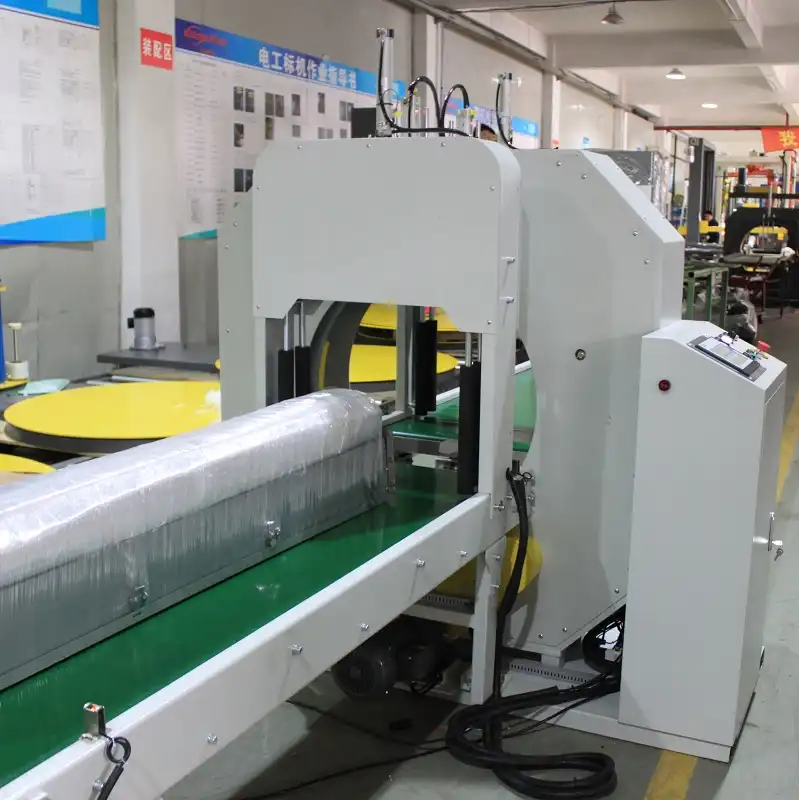
I started FHOPEPACK because I believe in sharing knowledge and truly helping businesses grow. My journey from a packing machine factory employee to building a successful factory myself taught me the true value of reliable partners and practical expertise. I want to offer that same value to you.
Finding a Partner, Not Just a Vendor
When you invest in a major piece of machinery like an orbital wrapper, you are not just buying metal and circuits. You are investing in a solution. You also need a relationship with the people who stand behind that solution. Michael, your concerns about supplier trust are valid. I share them. Here is what a true partner brings to the table.
- Deep Industry Expertise: A good partner understands your industry. They know the specific challenges of packing building materials in Uzbekistan. They understand the climate, the transport methods, and the types of products you handle. They can offer insights that a general equipment seller cannot. At FHOPEPACK, we focus only on packing machines. My team and I have spent years mastering this craft. We know what works. We know what does not. This knowledge helps us guide you to the right solution. It is not just about selling a machine. It is about solving your problems.
- Proven, Reliable Solutions: You need equipment that can withstand the demanding environment of a metal processing or building materials factory. Look for robust, durable machines. These machines should have a track record of performance. A good partner will openly share case studies or customer testimonials. They will show you their machines in action. My own factory used to make these machines, so I understand the engineering behind them. I know what makes a machine reliable. I know how to make it last. This is the foundation of FHOPEPACK’s offerings.
- Strong After-Sales Support: What happens after the sale? This is crucial. A true partner offers excellent installation support, training for your staff, and readily available spare parts. They also provide quick technical assistance when you need it. Downtime is expensive. Knowing you have reliable support means your operations keep running smoothly. This commitment to long-term support is a core value for FHOPEPACK. I built my business on client success. I want to see your factory thrive, just as I helped many of my previous clients grow their businesses.
- Focus on ROI and Business Growth: A partner helps you see the bigger picture. They do not just sell you a machine. They show you how that machine will save you money, boost your output, and increase your profits. They look at your specific costs for labor, damage, and inefficiency. Then, they show you the clear return on your investment. I have always believed that helping clients achieve financial independence and grow their businesses is the greatest reward. This is why I am dedicated to sharing my expertise now. I want to help you make smart investments that pay off.
My Insights: Mastering Packing Automation
Every factory manager aims for efficiency, safety, and growth. Yet, the path to these goals can seem complicated. There are many options and many claims. It is easy to get lost in all the choices. My journey in the packing machine industry has given me unique insights. I want to share them to light your way.
My core insight is that mastering packing automation means investing in robust, efficient machines. It also means partnering with experts who understand your unique operational challenges. This approach ensures your investment truly solves problems and drives business growth.
I built my career and my factory by understanding the deep link between good machinery and business success. I also learned the hard way that a machine is only as good as the support behind it. I have personally been in your shoes, facing production bottlenecks and needing reliable solutions. This experience shaped FHOPEPACK. It shaped our mission to share knowledge and empower others.
Key Principles for Successful Automation in Your Factory
My experience has shown me that successful automation goes beyond just buying equipment. It involves a strategic mindset and a focus on long-term value.
- Understanding Your Unique Needs: No two factories are exactly alike. Before any purchase, truly understand your specific packing challenges. What materials do you pack? What are their sizes, weights, and fragility? What are your current bottlenecks? Where do you experience the most damage or safety issues? A good partner will ask these questions. They will not just try to sell you a standard product. They will help you define your exact requirements. My time working on the factory floor taught me to look closely at every step of the process. This helps in identifying the real needs.
- Prioritizing Reliability and Durability: In the demanding environment of building materials production, machines must be tough. Downtime costs you dearly. Look for machines built with high-quality components. They should also be easy to maintain. Do not compromise on quality for a lower upfront cost. The long-term savings from reliable operation far outweigh any initial difference. I remember one client who chose a cheaper machine. It broke down often. This cost him much more in repairs and lost production than if he had bought a quality machine from the start.
- Seeking Expert Guidance, Not Just Sales Pitches: Michael, your desire for a partner who “truly understands” is spot on. Look for experts who can offer insights based on real-world experience. They should be able to discuss the nuances of film types, machine settings, and line integration. My own success came from learning every detail of packing machines. I also learned how they fit into a larger production system. FHOPEPACK aims to be that trusted advisor for you. We are here to share our knowledge. We want to help you make the best decisions for your factory.
- Focusing on Long-Term ROI and Scalability: An investment in automation should have a clear return. Look beyond just the immediate cost savings. Consider the gains from increased capacity, improved product quality, and enhanced worker safety. Also, think about future growth. Can the machine handle increased production volumes? Can it adapt to new product lines? Planning for scalability ensures your investment supports your business as it evolves. This strategic approach ensures your packing automation is a true growth engine for your factory.
Conclusion
Orbital stretch wrappers are vital for automating packing in Uzbek building materials. They boost efficiency, enhance safety, and protect products. Partnering with FHOPEPACK ensures you gain expert guidance and reliable solutions for lasting success.








