
Which Operator‑Friendly Controls Simplify Coil Upender Operation for Argentine Teams?
Working in a busy factory means constant pressure. You want things to run smooth. You want your team to be safe. But often, complex machines make things hard. Operators get confused. Mistakes happen. This slows everything down and can even cause accidents.
Operator-friendly controls for coil upenders are simple. They have clear buttons. They use easy-to-understand symbols. They provide direct feedback. These features make machines easier for anyone to use, reducing training time and boosting confidence for teams in places like Argentina and other demanding industrial settings.
As a packing machine engineer who built my own factory, I know what it takes to make operations efficient. I have seen how the right equipment can change everything. It is not just about the machine itself. It is about how well your team can use it. Let us look at the details. We will see how good controls truly make a difference for your business.
How Do Intuitive Interfaces Make Upenders Safer for Workers?
Factory work can be dangerous. Heavy items are always moving. Machines have many parts. If controls are hard to understand, operators can make big mistakes. This puts them at risk. It also puts your whole operation in danger. You need a system that reduces these risks.
Intuitive interfaces on coil upenders improve safety by lowering human error. They use clear visual cues. They have simple, direct actions. This helps operators understand the machine quickly. It makes them feel sure about what they are doing, leading to fewer accidents and a safer workplace.
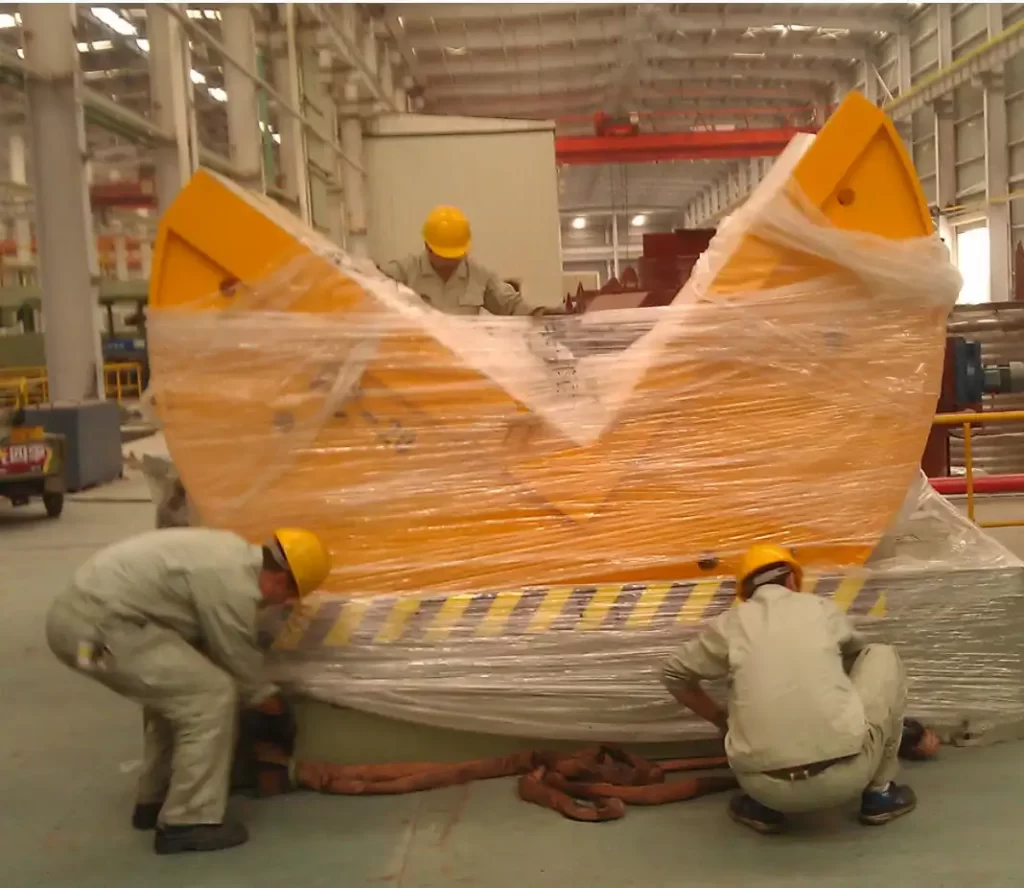
Working with heavy coils requires extreme care. I remember times in my own factory where even small errors could lead to big problems. An upender that is hard to control means an operator might get confused. This could lead to a coil dropping or tipping the wrong way. That is a disaster waiting to happen. Simple controls stop this. They make sure the machine does exactly what the operator wants. This also prevents operators from trying dangerous workarounds when the standard operation is too complex. Teams in busy places, like those handling steel coils in Argentina, need every safety advantage they can get. When operators know the machine will respond simply and predictably, they work with less stress. This reduces fatigue and sharpens their focus. These factors are critical for avoiding injuries.
Minimizing Human Error Risks
Operator-friendly controls cut down on human mistakes. Complex controls can be confusing. Operators might press the wrong button. They might misinterpret a light. This is especially true when they are tired or new to the job. Simple controls mean fewer choices. They mean clear labels. This reduces the chance of an operator making an error. It makes their job easier. It makes them safer.
Clear Visual Feedback Systems
Good upenders have clear lights. They have easy-to-read screens. These show the machine’s status. They show the coil’s position. Operators instantly know if everything is right. They know if something needs attention. This immediate feedback helps them react fast. It helps them prevent problems before they get serious. It builds trust in the machine.
Ergonomic Control Design
The physical design of the control panel also matters for safety. Buttons should be easy to reach. They should be big enough to press correctly. The layout should be logical. If an operator has to stretch or search for a button, it takes their focus away. It increases their risk of error. An ergonomic design helps operators stay comfortable. It helps them work efficiently for longer periods. This reduces physical strain and keeps their attention on the task at hand.
| Control Type | Operator Focus | Safety Impact | Learning Curve |
|---|---|---|---|
| Complex | High mental load, confusion | Higher risk of human error, slow reaction | Steep, long training |
| User-Friendly | Clear, direct action | Lower risk of human error, fast reaction | Gentle, quick training |
Can Simple Controls Really Boost My Factory’s Production Speed?
Your factory needs to move fast. Every second counts. If a machine takes too long to set up, or if operators struggle with its controls, your whole line slows down. This creates bottlenecks. It makes deliveries late. It directly hits your profit. You invest in machines to go faster, not slower.
Simple controls directly speed up production. Operators learn them fast. They make fewer mistakes. This means less downtime for errors or adjustments. The upender cycles faster and more smoothly. This helps your whole production line keep moving at top speed. It means more coils packed and shipped per day.

When I was running my own factory, I always looked for ways to shave off seconds from each process. I knew that small gains added up to huge savings over a year. A machine with complicated controls meant my operators spent more time thinking about how to operate it and less time actually operating it. They would pause. They would double-check. They would even call for help. This wasted valuable minutes. With simple controls, it is like driving a car with an automatic gearbox instead of a manual one. You just push a button, and it works. This makes the entire operation flow better. For busy teams, such as those in the metal processing industry in Argentina, speed is key to meeting high demand. If a coil upender is easy to operate, it becomes a part of the smooth flow, not a roadblock. This helps to maximize output and honor delivery commitments.
Speeding Up Operation Cycles
Simple controls make each cycle faster. Operators do not need to think hard about which button to press. They do not need to check a manual. They can just perform the action. This reduces the time between each coil transfer. Over a shift, this adds up to many more coils handled. It boosts overall output.
Reducing Training Time
New workers can learn simple controls very fast. This means they become productive quickly. You spend less money and time on training. Experienced workers also benefit. They can focus on other important tasks. They do not need to constantly re-learn complex functions. This makes your workforce more flexible. It makes them more efficient.
Quick Troubleshooting and Maintenance
When a machine has simple controls, it is easier to troubleshoot. If something goes wrong, the problem is often clearer. Maintenance teams can find the issue faster. They can fix it faster. This means less downtime for your upender. It keeps your production line running. It avoids costly delays. Simple systems mean less time guessing and more time operating.
| Feature Area | Complex Controls Impact | User-Friendly Controls Impact |
|---|---|---|
| Cycle Time | Slower due to hesitation, multiple steps | Faster due to direct action, reduced errors |
| Training | Long, costly, high error rate for new staff | Short, cost-effective, quick proficiency |
| Downtime | Increased for troubleshooting, complex resets | Minimized through clear diagnostics, simple resets |
Do Operator-Friendly Features Lower Product Damage Rates During Handling?
Damaged products cost money. If a coil gets scratched or bent during handling, you cannot sell it for full price. Sometimes, you cannot sell it at all. This means lost profit. It leads to unhappy customers. Manual handling is risky. But even with machines, if controls are not precise, damage can happen.
Operator-friendly features greatly lower product damage rates. They allow for smooth and precise movements. They give clear feedback to the operator. This helps them position coils perfectly. It avoids sudden jolts or misalignments. This protects valuable products during every step of the upending process.

I have seen firsthand how much product can be wasted due to poor handling. For a metal processing plant, even a small scratch on a high-value steel coil means it becomes scrap, or at best, sold at a huge discount. When I ran my factory, we made sure our packing machines had the smoothest possible controls. We knew that a jerk or an imprecise stop could ruin a perfectly good coil. Coil upenders handle heavy, sensitive materials. If an operator struggles with fine movements, they might cause the coil to swing or hit the machine. This is a common cause of damage. Simple, precise controls let the operator guide the coil exactly where it needs to go. They can stop the movement gently. This avoids impact damage. For teams in Argentina handling valuable steel products, protecting every coil means protecting their profit margins and their customer relationships.
Ensuring Smooth Movement Control
User-friendly controls offer smooth movement. They allow fine adjustments to speed. They enable gentle starts and stops. This is very important when moving heavy, delicate items like coils. A sudden stop or a jerky start can cause the coil to shift. It can make it rub against something. This leads to damage. Smooth control helps prevent these issues.
Real-time Feedback for Precision
Good controls give real-time feedback. This means the operator knows exactly what the machine is doing. They know its position. They know its speed. Some systems have load sensors. These show if the coil is balanced. This feedback helps operators make tiny corrections instantly. This keeps the coil safe. It keeps it perfectly aligned throughout the process.
Preventing Over-stress and Misalignment
Automated or semi-automated features on upenders, guided by operator-friendly controls, can prevent over-stress. They can prevent misalignment. For example, some systems might have automatic leveling. They might have soft-start/stop functions. These features are easy to activate with simple controls. They reduce the physical stress on the coil. They ensure it is always in the correct position. This protects the coil from damage and makes the process more reliable.
| Damage Risk Factors | Complex Control Impact | User-Friendly Control Impact |
|---|---|---|
| Sudden Movements | High due to operator error or imprecise inputs | Minimized by smooth start/stop, fine speed control |
| Misalignment | Frequent without clear feedback | Reduced by precise positioning feedback, auto-leveling |
| Impact Damage | High due to poor positioning, overshooting | Low due to accurate stopping, gentle handling |
Why Does Choosing the Right Control System Mean Partnering with Experts?
Buying a machine is a big investment. You want it to work well. You want it to last. But if you just buy based on price, you might get a machine with bad controls. Or worse, you might get no support. Then, when problems happen, you are on your own. This wastes money and time. You need a trusted partner.
Choosing the right control system means partnering with experts like FHOPEPACK. They understand your real challenges. They do not just sell machines. They offer solutions. They provide long-term support. They ensure the control system truly fits your factory’s needs, helping you achieve your goals and get a clear return on your investment.

My journey from a factory employee to owning my own packing machine factory taught me a lot. I saw many companies sell machines, collect their money, and then disappear. But a machine is only as good as its support. If you face a challenge with efficiency, safety, or product damage, you need more than a machine. You need someone who has been there. You need someone who understands the daily grind of a factory manager. That is why I founded FHOPEPACK. We share our knowledge. We help businesses grow. We do not just offer standard controls. We make sure the controls fit your specific needs. This could mean integrating with your existing systems. It could mean custom features for your unique products. For teams in Argentina who need reliable operations, this kind of partnership is priceless. It is about building a solution that truly solves your problems and helps you achieve your business goals.
Beyond Basic Functionality
A real expert looks beyond basic functions. They ask about your daily problems. They ask about your unique materials. They consider your team’s skill level. This helps them suggest controls that truly match your factory. It might mean adding a specific sensor. It could mean a custom display. This makes the upender work perfectly for your exact needs. It is not just about moving coils; it is about moving them smarter.
Customization for Specific Needs
Every factory is different. Some handle huge coils. Some handle small wires. An expert partner can customize the control system. This ensures it handles your specific products without issue. They can also integrate the upender with other machines on your line. This creates a smooth, automated process. It avoids bottlenecks. This level of customization is what separates a good machine from a great one for your specific operation.
Long-Term Support and Reliability
A good partner offers support for years. This includes parts. It includes technical help. It includes upgrades. If a control panel breaks, you need a quick fix. If your team needs more training, they should get it. This long-term relationship protects your investment. It keeps your upender running for a long time. It gives you peace of mind. It shows you made a smart choice.
| Supplier Type | Initial Focus | Control System Quality | After-Sales Support | Long-Term Value |
|---|---|---|---|---|
| Sales-Only | Quick sale, low price | Generic, limited customization | Poor or non-existent | Low, high hidden costs |
| Expert Partner | Problem-solving, tailored solutions | High quality, customizable | Excellent, ongoing | High, strong ROI |
Conclusion
Operator-friendly controls on coil upenders are key for safety, speed, and product quality. Partnering with experts ensures you get the right solution that truly supports your factory’s growth and efficiency goals.








