
Which Horizontal Orbital Wrapper Balances Speed, Protection, and Cost for American Manufacturers?
Are you an American factory manager, perhaps overseeing metal processing, facing daily battles with slow production and damaged goods? You see valuable products, like steel coils or wire bundles, moving slowly through your current manual packaging process. This constant bottleneck affects your entire operation, delaying shipments and impacting customer satisfaction.
The frustration is real. You are dealing with inefficient processes. You are also losing money due to damaged products. This situation takes a toll on your bottom line. It also affects your team’s morale.
What if there was a way to fix these issues? What if you could speed up your packaging? What if you could protect your products better? This would also save you money in the long run. I want to share insights that can help you find the right solution. This solution will balance speed, protection, and cost for your American manufacturing plant.
A horizontal orbital wrapper can balance speed, protection, and cost for American manufacturers by automating the packaging of long or bulky items. These machines efficiently apply stretch film around products, securing them for transit and storage. They significantly increase throughput, reduce manual labor, and minimize product damage, leading to lower operational costs and improved profit margins.

You are likely wondering how this technology works. You also want to know if it can truly meet your specific factory needs. We need to look deeper into the benefits. We also need to see the practical applications. This will help us understand if a horizontal orbital wrapper is right for you. Keep reading to learn more about these powerful machines.
Can a Horizontal Orbital Wrapper Really Solve Your Production Bottlenecks?
Your production line works hard to meet demand. But then, everything slows down at the very end. This often happens at the packaging stage. Manual wrapping of heavy steel coils or wire bundles is slow. It creates a major bottleneck in your entire process.
This bottleneck costs you time. It also costs you money. Your finished products pile up. Shipments get delayed. Your team feels the pressure. You are losing out on efficiency gains made earlier in the production process.
You need a solution that speeds up packaging. This solution must keep pace with your production. A horizontal orbital wrapper can be that answer. It brings a new level of efficiency to your end-of-line operations. This helps you break through those bottlenecks.
Yes, a horizontal orbital wrapper can significantly solve production bottlenecks by automating the manual, slow process of wrapping long or irregularly shaped items. These machines rapidly apply stretch film, handling a high volume of products like steel coils or bundles of pipe. This automation drastically increases throughput and reduces the time products spend in the packaging area, allowing your entire production line to operate more smoothly.
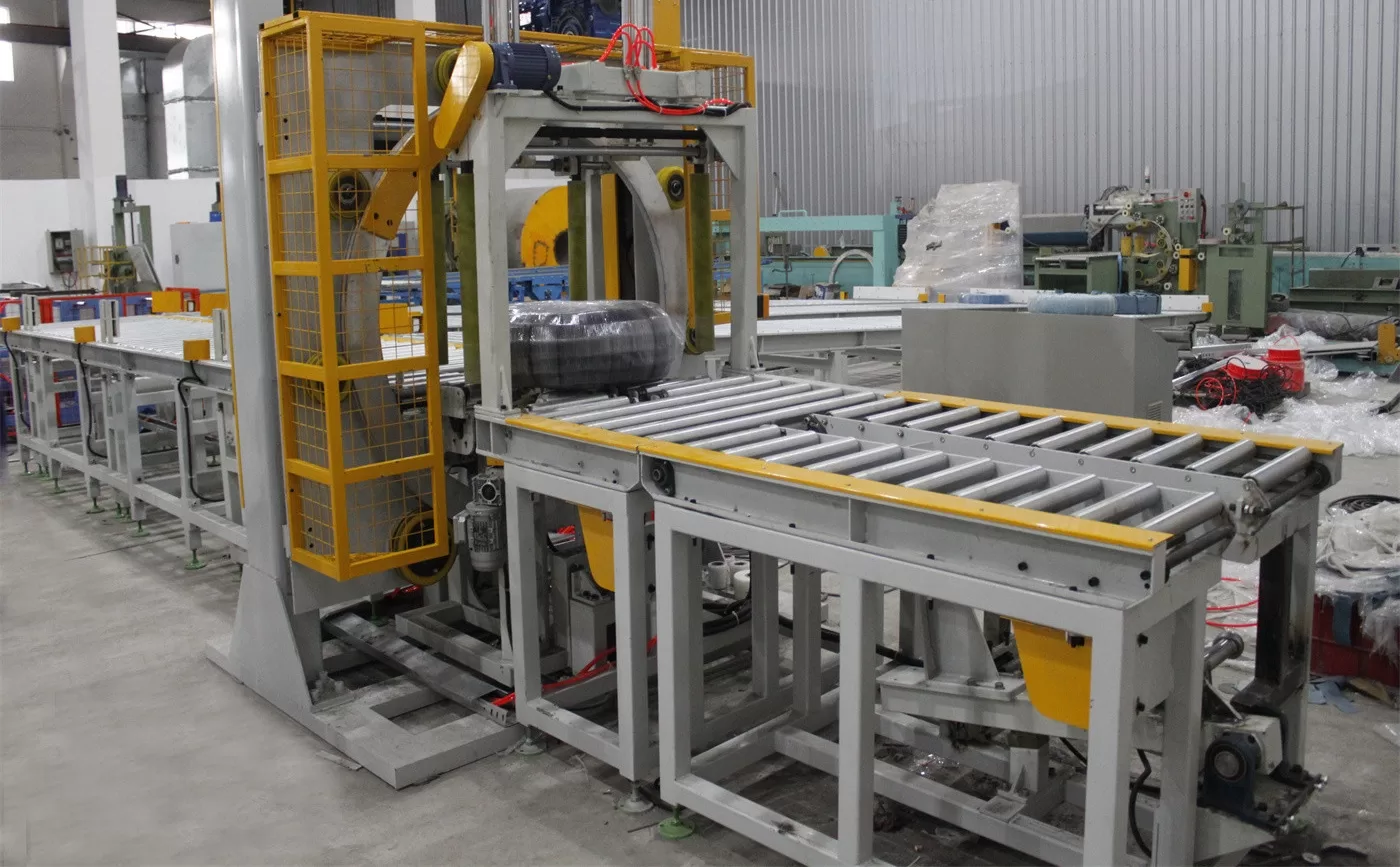
I have spent years in the packing machine industry. I know how important speed is. I also know how bottlenecks affect the bottom line. Manual packaging of large or heavy items is inherently slow. Workers must move around the product. They apply film by hand. This takes a lot of time. It also depends on the worker’s skill. This means inconsistent speed. It also means inconsistent quality.
Horizontal orbital wrappers change this. They work differently. The product stays still. The wrapping ring rotates around it. This ring applies the film quickly and evenly. This design allows for continuous feeding of products. It also removes the need for manual labor during wrapping. For example, a worker might wrap one steel coil in ten minutes by hand. A machine can do it in two minutes. This is a huge difference.
Consider a factory like Michael’s. They deal with large volumes of metal products. Their current system struggles. They need to process hundreds of coils daily. Manual methods simply cannot keep up. An orbital wrapper offers a consistent, high-speed solution. It operates at a predictable rate. This predictability helps with production planning. It also improves overall factory flow.
We can break down efficiency gains into key areas:
Key Efficiency Gains from Orbital Wrappers
- Increased Throughput: The machine wraps products much faster than people can. This means more products get wrapped in less time. Your factory can handle higher production volumes.
- Reduced Labor Dependency: Fewer workers are needed for the packaging step. This frees up staff for other tasks. It also helps with labor shortages.
- Consistent Wrap Quality: The machine applies film with consistent tension and overlap. This ensures better protection. It also reduces re-wraps. This consistency helps maintain quality standards.
- Integration with Production Lines: Many orbital wrappers can be integrated. They can work with conveyors. This creates a seamless flow. Products move from production directly to packaging. This eliminates manual transfer points. It further speeds up the process.
- Minimized Downtime: Modern machines are built for durability. They have fewer breakdowns. This means more uptime for your packaging. This reliability is crucial for steady production.
| Feature | Manual Packaging | Horizontal Orbital Wrapper |
|---|---|---|
| Speed | Slow, varies by worker | Fast, consistent rate |
| Labor Needs | High, multiple workers needed | Low, one or two operators |
| Consistency | Variable, human error | High, precise application |
| Integration | Difficult, requires manual ops | Easy, integrates with conveyors |
| Throughput | Limited by human capacity | High, machine-driven capacity |
These machines are designed to keep your products moving. They make sure the packaging step does not slow down your entire operation. This means your factory can ship products faster. This leads to happier customers. It also means more revenue for your business.
How Do Horizontal Orbital Wrappers Improve Workplace Safety?
Workplace safety is always a top concern. In a heavy manufacturing environment, it is even more critical. Manual handling of heavy items like steel coils or molds is risky. Workers can suffer sprains, strains, or worse. These injuries are common. They lead to high insurance costs. They also cause lost productivity.
You worry about your team. You want them to be safe. But the current methods put them in danger. This creates a stressful environment. It also leads to employee turnover. You need a way to protect your workers. You need to reduce the chance of accidents.
Horizontal orbital wrappers offer a powerful safety solution. They remove the need for manual lifting and turning of heavy products. This protects your workers from injuries. It also makes your factory a safer place to work. Let’s explore how these machines improve safety.
Horizontal orbital wrappers dramatically improve workplace safety by automating the handling and wrapping of heavy, bulky, or awkward products. They eliminate the need for manual lifting, carrying, or rotating items like steel coils, which are common causes of back injuries and other accidents. This reduces the risk of worker strain, crushing injuries, and falls, leading to a much safer operational environment and lower injury rates for American manufacturers.
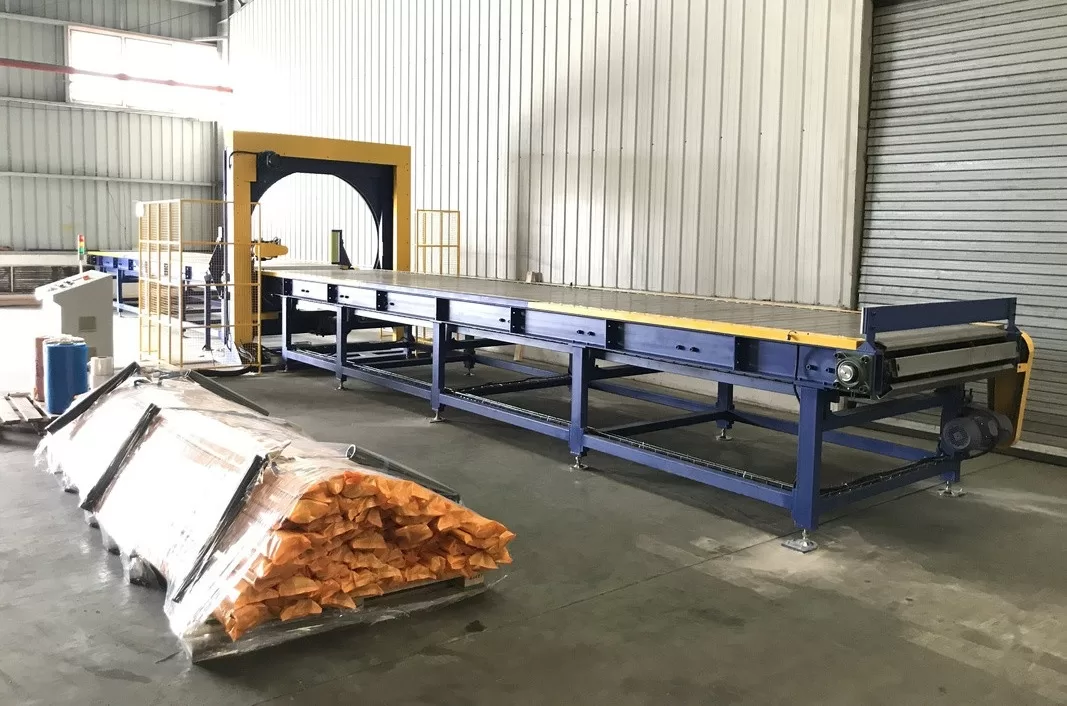
When I started FHOPEPACK, one of my main goals was to help businesses grow. This includes growing safely. Manual handling is a major source of accidents in industrial settings. Workers might lift something too heavy. They might twist awkwardly. They might drop a heavy object. All these actions can lead to serious injuries. These injuries impact workers’ lives. They also cost the company a lot.
Horizontal orbital wrappers are designed to minimize human interaction with the product during wrapping. The product is placed on a conveyor or a stable platform. Then, the machine takes over. Workers do not need to lift the product. They do not need to rotate it. They do not need to walk around it. This removes many common risk factors.
Think about packaging large steel coils. These coils can weigh hundreds or thousands of pounds. Moving them around manually is extremely dangerous. Using an overhead crane or forklift to position them for manual wrapping still involves risks. The orbital wrapper makes this process much safer. The coil moves into the wrapping zone. The machine does the work. Workers only monitor the process.
Here are specific ways these machines boost safety:
Specific Safety Improvements
- Reduced Manual Handling: This is the biggest safety gain. Workers do not need to lift or move heavy, awkward items. This eliminates strains, sprains, and back injuries.
- Elimination of Twisting and Bending: Manual wrapping often requires awkward body positions. The machine removes this need. This lessens stress on joints and muscles.
- Controlled Environment: The wrapping process happens inside the machine’s safety guards. This keeps workers away from moving parts. It also keeps them away from heavy, unstable products.
- Fewer Forklift Movements: If products are placed directly onto the wrapper’s conveyor, it means fewer forklift movements in the packaging area. Forklifts are a common cause of accidents in factories. Fewer movements mean fewer chances for collisions.
- Reduced Product Drops: Manual handling increases the risk of dropping heavy items. This can injure workers. It can also damage the product. Automated wrapping reduces this risk significantly.
| Safety Aspect | Manual Packaging Risks | Orbital Wrapper Benefits |
|---|---|---|
| Ergonomic Strain | High risk of back injuries, sprains from lifting | Minimal, no manual lifting or awkward movements |
| Crushing Hazards | Risk from heavy falling objects, unstable loads | Low, product securely held by machine during wrapping |
| Worker Falls | Risk from navigating around large items, uneven wraps | Very low, workers away from direct wrapping area |
| Forklift Traffic | Often high for repositioning products | Reduced, can integrate with existing conveyor lines |
| Exposure to Moving Parts | High, direct interaction with product and film | Low, operation behind safety barriers |
By investing in an orbital wrapper, you are investing in your people. You are showing them you care about their well-being. This leads to a safer workplace. It also creates a more positive work environment. This can help reduce employee turnover. It also lowers your insurance costs.
What is the ROI of a Horizontal Orbital Wrapper for Your Operation?
Every investment in your factory must make sense. You need to see a clear return. You are a factory manager. You know that money spent on equipment must translate into real savings. It must also lead to higher profits. Without a clear ROI, a new machine is just an expense.
You have seen equipment purchases that did not deliver. You might have bought machines that failed to live up to their promises. This leads to skepticism. You do not want to make another costly mistake. You need a solid financial argument before committing to new technology.
A horizontal orbital wrapper offers a strong ROI. It lowers operational costs. It increases product protection. It boosts your factory’s overall profitability. I can show you how this investment pays for itself. It then contributes positively to your bottom line. Let’s look at the numbers.
The Return on Investment (ROI) of a horizontal orbital wrapper for an American manufacturing operation is typically high, driven by significant reductions in labor costs, decreased product damage, and increased operational efficiency. By automating the wrapping process, businesses save on wages, minimize material waste from damaged goods, and improve throughput. This leads to higher overall profitability, often seeing payback periods of 1-3 years depending on current manual costs and production volume.

My experience has taught me that smart investments are key to growth. I built my own factory. I know every dollar counts. Many factory managers focus only on the purchase price. But the true cost is much more. It includes labor, waste, and lost opportunities. An orbital wrapper addresses these hidden costs directly.
First, consider labor. Manual packaging requires several workers. You pay their wages. You pay for their benefits. These costs add up quickly. A single horizontal orbital wrapper can do the work of multiple people. It usually needs only one operator. This person might load the product. They might oversee the machine. This drastically reduces your labor expenses for packaging. The savings here are immediate and substantial.
Next, let’s talk about product damage. Michael mentioned his concern about product loss. This happens during internal transport. It also happens during manual packing. Steel coil edges can get dinged. Wire bundles can unravel. These damages lead to rework. They also lead to customer complaints. Worst of all, they mean lost sales. An orbital wrapper provides superior product protection. The film is applied tightly and consistently. It creates a protective barrier. This prevents damage from dust, moisture, and impacts. This means fewer damaged products. It also means fewer customer returns. This directly impacts your profit margins.
Then, there is efficiency. We talked about this before. Faster packaging means faster shipments. Faster shipments mean happier customers. Happy customers often place more orders. This leads to increased sales volume. Your factory can handle more production. This means you can take on more business. This growth contributes significantly to your overall profitability.
Here is a breakdown of ROI factors:
Key ROI Drivers for Orbital Wrappers
- Labor Cost Savings: Reduce the number of workers needed for packaging. Reallocate staff to other productive tasks.
- Reduced Product Damage: Consistent, tight wrapping protects products from handling damage, dirt, and moisture. This lowers scrap rates and customer returns.
- Increased Throughput & Sales: Faster packaging allows for higher production output. This enables you to meet more orders and potentially increase sales.
- Lower Insurance Premiums: A safer workplace can lead to lower workers’ compensation insurance costs. Fewer injuries mean fewer claims.
- Reduced Material Waste: Automated wrapping uses film more efficiently. It minimizes film waste due to human error or inconsistent application.
- Long-Term Durability: Quality machines are built to last. They require less maintenance. This means lower ongoing operational costs.
| Cost Factor | Manual Packaging Impact | Orbital Wrapper Impact |
|---|---|---|
| Labor Wages | High, multiple dedicated workers | Significantly reduced, one operator can manage |
| Product Damage | High, frequent cosmetic or structural damage | Very low, excellent protection from film |
| Material Waste | Higher, inconsistent film use, re-wraps | Lower, optimized film consumption |
| Insurance Costs | Higher, due to higher injury rates | Lower, due to improved safety and fewer incidents |
| Throughput Efficiency | Limited, prone to bottlenecks | High, consistent, and fast wrapping |
| Customer Satisfaction | Can be negatively impacted by delays and damaged goods | Improved by faster delivery and perfectly protected products |
The investment in a horizontal orbital wrapper is not just about buying a machine. It is about restructuring your operations for greater financial success. It is about making your business more competitive. It is about securing a stronger financial future. It offers a clear path to significant savings and increased profits.
How Can You Find a Trusted Partner for Wrapping Machine Investment?
You know how important reliable equipment is. But you also know that choosing a supplier can be risky. You may have dealt with vendors who only cared about the sale. They did not offer real support after the purchase. This leaves you feeling unsupported. It also makes you hesitant to trust new partners.
This lack of trust is a big problem. You need more than just a machine. You need someone who understands your factory’s specific issues. You need a partner who can provide expert advice. You also need solid after-sales service. Without this, even the best machine can become a headache.
Finding a trusted partner is crucial. This partner should understand your challenges. They should also offer reliable solutions. I believe in sharing knowledge. I want to help you find the right support. This ensures your investment truly helps your business grow. Let’s discuss what makes a good partner.
To find a trusted partner for a horizontal orbital wrapper investment, American manufacturers should look for suppliers with deep industry experience, a strong track record of successful installations, and a commitment to long-term customer support. A reliable partner will offer expert consultation, understand your specific operational challenges, provide clear ROI projections, and ensure comprehensive after-sales service including parts and maintenance, rather than just focusing on the initial sale.

I built my company, FHOPEPACK, because I wanted to help others. I started as an employee. Then I built my own successful factory. I know the challenges of factory management. I also know the importance of good partnerships. Michael’s concern about supplier trust is something I hear often. Many suppliers focus only on getting the order. They disappear once the machine is shipped. This is not how long-term business relationships work.
A true partner does more than sell you a machine. They listen to your problems. They offer solutions tailored to your specific needs. For example, if you are struggling with a specific type of product damage, they should offer ideas. These ideas might go beyond just the wrapping machine itself. They might suggest conveyor modifications. They might suggest different film types. This kind of insight comes from real experience.
When you evaluate potential partners, look for several key traits. First, they should have a deep understanding of your industry. If you are in metal processing, they should know about steel coils, wire bundles, and heavy loads. They should also understand your production environment. Second, check their track record. Ask for case studies. Ask for references from other American manufacturers. See if their past clients are happy.
Third, assess their support system. What kind of after-sales service do they offer? Do they provide installation help? Do they offer training for your staff? What about spare parts availability? How quickly can they send a technician if something goes wrong? These details are critical for minimizing downtime. A good partner will be transparent about these things. They will not hide behind vague promises.
Here are key points for selecting a partner:
Essential Traits of a Trusted Supplier
- Industry Expertise: They should understand your specific sector (e.g., metal, heavy manufacturing). They should know your unique challenges with products like coils or pipes.
- Proven Track Record: Look for established companies with a history of successful installations. Ask for customer testimonials or site visits.
- Consultative Approach: A good partner asks questions. They listen. They do not just push a product. They work with you to find the best solution for your factory.
- Strong After-Sales Support: This includes technical support, spare parts availability, and maintenance services. This ensures your machine runs well for years.
- Customization Capabilities: Your factory might have unique requirements. A good partner can offer tailored solutions. They can adapt machines to fit your space or product type.
- Clear Communication: They should be clear about costs, timelines, and machine capabilities. They should also be responsive to your questions.
| Factor | Untrustworthy Supplier | Trusted Partner (like FHOPEPACK) |
|---|---|---|
| Focus | Quick sales, immediate profit | Long-term relationship, customer success |
| Problem Solving | Generic solutions, push standard models | Deep analysis of your specific bottlenecks and safety issues |
| After-Sales Service | Limited, slow response, difficult to get parts | Comprehensive, quick support, readily available parts |
| Industry Knowledge | Superficial, may not understand your unique products | Extensive, understands heavy manufacturing and specific needs |
| Transparency | Vague promises, hidden costs | Clear communication, honest about capabilities and limitations |
| Overall Goal | Sell a machine | Help your business grow and succeed |
My mission at FHOPEPACK is to share knowledge. It is also to help you succeed. When you choose a partner, you are choosing someone to help secure your factory’s future. Choose wisely. Choose someone who genuinely cares about your success.
Conclusion
Horizontal orbital wrappers deliver on speed, protection, and cost. They improve safety and efficiency for American manufacturers. Choose a trusted partner for lasting success. This investment will drive your factory’s growth.








