
Which Features Help Russian Operators Reduce Maintenance on Coil Upenders?
Running a busy factory means you face many problems every day. Machines breaking down is one of the biggest headaches. When a coil upender stops working, your whole production line can grind to a halt. This costs a lot of money and time. It also delays your orders and frustrates your team. Many factory managers, like Michael in Mexico, tell me about these exact worries. They need equipment that just works, all the time. They cannot afford constant repairs.
Good coil upenders have special features that help cut down on maintenance. These features make the machines last longer. They also make repairs easier and faster when something does go wrong. Key features include very strong frames, simple hydraulic parts, and designs that let you easily access and change parts. These things are super important for operators in tough environments, like many in Russia. They help keep the machines running without many issues.
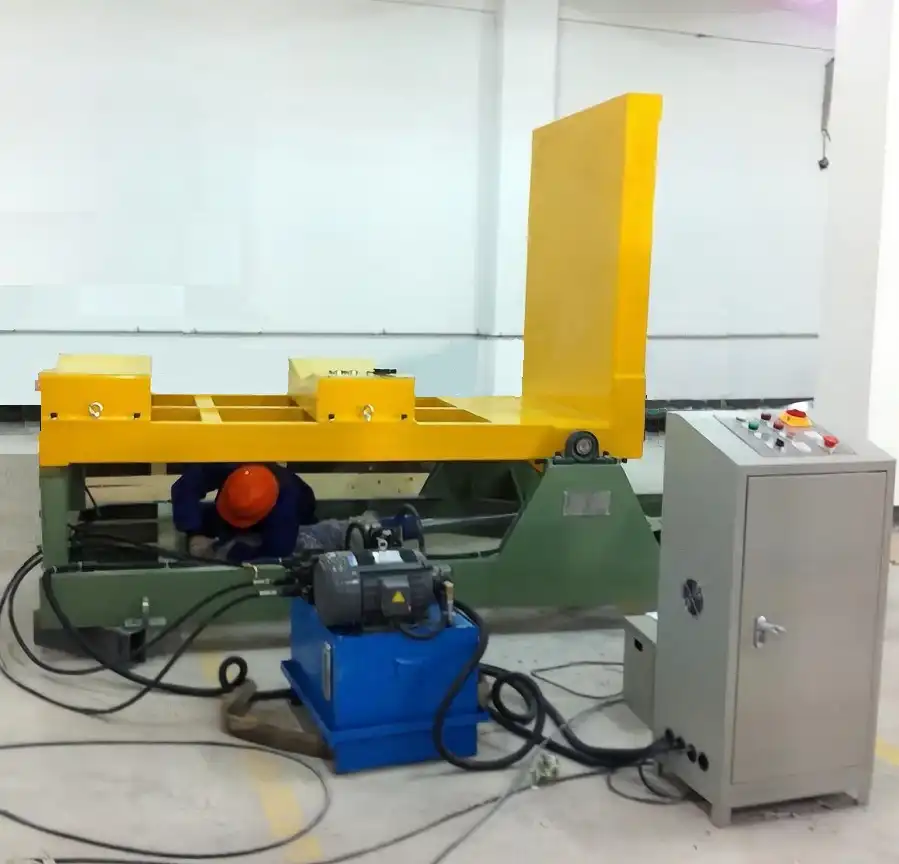
So, how exactly do these features help? We will look closely at what makes an upender a low-maintenance champion. We will see how good design and smart choices in parts can save you a lot of time and money in the long run. Let us dive deeper into the details.
Why Robust Structural Design Lowers Upender Maintenance for Russian Operators?
Is your upender frame showing signs of stress? Many factory owners face this issue. Constant heavy loads and tough working conditions can quickly wear down a machine’s structure. This leads to cracks, bending, and big repair bills. These problems cause unexpected stops and make your production slow down. Operators need machines that can handle heavy work every single day without failing.
A very strong structural design is key to cutting down upender maintenance. This means the machine is built like a tank. It uses thick steel, strong welds, and smart engineering. This kind of build ensures the upender can lift heavy coils again and again without getting damaged. It prevents many common problems that lead to repairs.

A well-built upender starts with its frame. This is the backbone of the machine. If the frame is weak, the whole machine will have problems. Operators, especially in places with hard working conditions like Russia, need equipment that can take a beating. They need it to work for many years.
What Makes a Strong Upender Frame?
- Thick Steel Plates: A strong upender uses thick steel plates for its main body. Thicker steel does not bend or crack easily under heavy loads. This means fewer breakages over time. It helps the machine stay straight and balanced. This reduces stress on other parts.
- Reinforced Stress Points: Areas where forces are highest need extra reinforcement. This means adding more material or strengthening joints. For example, the pivot points where the cradle rotates must be very strong. This prevents metal fatigue and cracks from forming.
- Quality Welding: Good welds are just as important as good steel. Poor welds can break under pressure. High-quality welding ensures all parts are joined securely. This prevents structural failures. It makes the machine reliable.
How Does This Reduce Maintenance?
A robust design reduces maintenance in several ways. First, it prevents common wear and tear issues. A sturdy frame absorbs shocks better. This protects other parts like motors, bearings, and hydraulic cylinders. Second, it means less time spent on fixing structural cracks or deformations. This frees up your maintenance team for other tasks. Third, it extends the overall life of the machine. You do not need to replace it as often. This saves you money in the long run. Michael, the factory manager, always looks for machines that offer a clear return on investment. A durable machine gives that.
| Feature | Maintenance Benefit | Why it Helps Operators |
|---|---|---|
| Thick Steel Plates | Less deformation, fewer cracks | Fewer unexpected breakdowns |
| Reinforced Joints | Prevents structural fatigue | Longer machine lifespan |
| High-Quality Welding | Stronger connections, no weld failures | More reliable operation |
| Oversized Components | Handles higher loads, less stress | Less wear, extended part life |
In short, building an upender strong from the start is an investment. It pays off by giving you a reliable machine that needs much less attention. This lets your operators focus on production, not repairs.
How Simple, Reliable Hydraulic Systems Minimize Downtime for Coil Upenders?
Are you tired of dealing with leaky hoses and faulty hydraulic pumps? Many factories struggle with complex hydraulic systems. These systems often have many parts. They can be hard to troubleshoot. When a hydraulic part fails, the whole upender stops. This leads to long repair times and lost production. Russian operators, like those in any busy plant, need systems they can trust. They need systems that are easy to fix.
Simple, reliable hydraulic systems are vital for minimizing upender downtime. These systems use fewer parts. They use proven components. This makes them easier to understand and maintain. They are also less likely to break down. This means your upender spends more time working and less time being repaired.
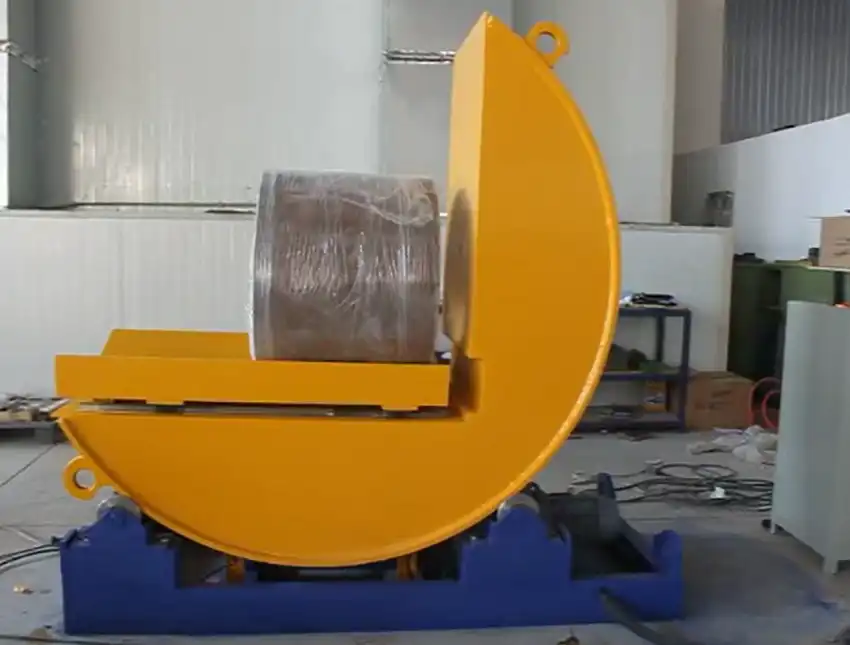
Hydraulic power is great for moving heavy loads. But, a poorly designed system can be a nightmare. When I worked in the packing machine factory, I saw many complex systems that caused more problems than they solved. For a coil upender, simplicity in hydraulics is a huge advantage.
Key Aspects of a Simple Hydraulic System
- Fewer Components: A simple system has only the necessary parts. This means fewer hoses, fewer valves, and fewer connections. Every extra part is another point where something can go wrong. By keeping it minimal, you reduce potential failure points. This makes the system more robust.
- Standard, High-Quality Parts: Using common, off-the-shelf hydraulic components makes a big difference. If a pump or valve breaks, you can quickly find a replacement. This cuts down on waiting times. High-quality parts, even if they cost a little more at first, last much longer. This saves money on replacements and repairs over time.
- Easy Access for Inspection: All parts of the hydraulic system should be easy to reach. This lets operators and maintenance staff check for leaks or wear without taking the machine apart. Easy access helps catch small problems before they become big ones. It makes routine checks faster.
Maintenance Benefits of Simple Hydraulics
Simple hydraulic systems reduce maintenance in several ways. First, there are fewer parts to inspect and replace. This speeds up routine maintenance. Second, troubleshooting becomes much easier. With fewer connections and components, it is faster to find the source of a problem. This means less downtime. Third, the risk of leaks is lower with fewer connections. Leaks waste hydraulic fluid and can cause other issues. A reliable system ensures consistent performance. This is critical for keeping production flowing smoothly. Michael’s plant cannot afford interruptions.
| Component Choice | Maintenance Benefit | Impact on Operators |
|---|---|---|
| Minimal Valves/Hoses | Fewer leak points, less complexity | Faster troubleshooting, less fluid loss |
| Standardized Pumps/Motors | Easy to source replacements | Quick repairs, reduced waiting time |
| High-Quality Fluid | Prevents wear, extends component life | Smoother operation, fewer breakdowns |
| Accessible Placement | Simple visual checks, easy part replacement | Less time spent on inspections |
In conclusion, when choosing a coil upender, pay close attention to its hydraulic system. A simple, well-designed hydraulic setup with quality components means fewer headaches for your maintenance team. It helps ensure your upender is always ready for work.
Do Modular Components and Easy Access Designs Truly Cut Maintenance Hours?
Does your maintenance team spend hours just trying to reach a faulty part inside a machine? Many older or poorly designed machines hide their vital components. This makes repair work frustrating and very slow. Every minute spent trying to open panels or move other parts to get to the problem area is lost production time. Operators need machines that are designed for quick fixes, not hidden challenges.
Yes, modular components and designs that offer easy access truly cut maintenance hours. Modular design means the machine is built in sections. Each section can be easily removed or opened. This makes it simple to get to parts that need checking or changing. Easy access design means you do not need to be a contortionist to work on the machine. This saves a lot of time and effort during repairs.

When I was building my own packing machine factory, I learned the importance of smart design. It is not just about making a machine work. It is about making it easy to live with. A machine that is hard to maintain will always cause problems. For coil upenders, especially in busy settings like a Russian steel plant, every minute counts.
Key Design Elements for Easy Maintenance
- Modular Construction: Imagine your upender built like a set of LEGO bricks. Each major system (like the power unit, the control panel, or the cradle assembly) is a self-contained module. If a problem happens in one module, you can sometimes replace the whole module quickly. Or, you can easily remove it to work on it outside the machine. This greatly speeds up repairs. It also allows for easier upgrades in the future.
- Bolt-On Panels and Covers: Instead of welded enclosures or complex locking mechanisms, using simple bolt-on panels makes a big difference. These panels can be removed quickly with standard tools. This gives full access to internal components. No more wrestling with heavy, fixed covers.
- Clearly Labeled Wiring and Plumbing: Clutter is the enemy of maintenance. A well-designed machine has all its electrical wires and hydraulic hoses clearly labeled. This helps technicians quickly identify what goes where. This is crucial for troubleshooting and preventing mistakes during reassembly.
How These Features Reduce Maintenance Hours
These design choices save maintenance hours directly. First, they make routine inspections faster. You can quickly open covers and check things like fluid levels, hose conditions, or bolt tightness. Second, they reduce the time it takes to diagnose issues. When everything is accessible and clearly marked, finding the root cause of a problem becomes much simpler. Third, they dramatically cut down on repair and replacement time. If a motor or valve needs changing, you can get to it, remove it, and replace it with minimal effort. This gets your upender back online faster. Michael wants his production line to run smoothly. Easy maintenance is a big part of that.
| Design Feature | Maintenance Benefit | Real-World Impact on Operators |
|---|---|---|
| Modular Construction | Quick replacement of failed sections | Less machine downtime |
| Easy Access Panels | Fast internal inspection and repair | Reduced labor time for maintenance |
| Clear Labeling | Simplified troubleshooting, fewer errors | Faster fault finding, safer repairs |
| Standardized Fasteners | No special tools needed for disassembly | Any technician can perform basic tasks quicker |
So, yes, a smart design that prioritizes easy access and modularity is not just a nice-to-have. It is a must-have for reducing maintenance headaches. It helps your factory stay productive and profitable.
My Insights!
When I first started in the packing machine industry, I was just an employee on the factory floor. I saw firsthand what happens when machines break down. It was not just about fixing the machine. It was about lost orders, unhappy customers, and stressed-out factory managers. Later, when I started my own packing machine factory, I took those lessons to heart. I made sure our machines were built differently. I knew they had to be tough and easy to fix.
I have helped many clients grow their businesses. One time, a client was losing money because their old packing machine kept breaking. It was always some small part, but getting to it was a nightmare. Their workers spent hours trying to reach components hidden deep inside the machine. Their production schedule was always messed up. I saw their frustration. I knew I had to offer a better solution.
So, I worked with my engineers. We focused on every detail. We looked at how operators would use the machine. We also thought about how maintenance teams would fix it. We put strong steel where it was needed most. We used simple, well-known hydraulic parts. We also designed machines with panels that could open easily. Every wire got a clear label. If a part failed, it was easy to get to it. It was easy to replace it. This saved them so much time. It saved them money too. Their production became stable. They could take on more orders. They even increased their profits. This experience taught me that giving back my knowledge is important. It helps others succeed. It makes their work easier.
Conclusion
To reduce maintenance on coil upenders, Russian operators need machines with robust design, simple hydraulics, and easy access. These features mean less downtime, lower costs, and more reliable production for any factory.








