
Which Customization Features Align Mold Upenders with U.S. Industry Standards?
Michael, are your factory operations slowed by unsafe, inefficient heavy lifting? Do you constantly worry about worker injuries and damaged products when moving heavy coils or molds? Many plant managers face these exact issues. They search for better ways to handle heavy materials. Old methods lead to high costs and risks.
Custom mold upenders align with U.S. industry standards through features like advanced safety interlocks, robust structural designs for specific load capacities, integration with existing automation systems (PLC and HMI), and material-specific handling adaptations (e.g., V-blocks for coils). These features ensure compliance with OSHA guidelines, improve operational efficiency, and protect both workers and products.

You know the pain of downtime and damaged goods. You also know the value of a trusted partner. This is why understanding upender customization is key. Let us look at specific features. We will see how they meet tough U.S. factory demands.
How Do Upenders Meet U.S. Safety Standards for Heavy Lifting?
Do you struggle with the high risks of manual heavy lifting in your factory? Is worker safety a constant concern, leading to high insurance costs and staff turnover? This problem puts immense pressure on operations managers. Ignoring it puts workers at risk.
Upenders meet U.S. safety standards, primarily OSHA, by reducing manual handling of heavy items. They feature emergency stop buttons, interlocked safety gates, non-slip surfaces, overload protection sensors, and audible/visual alarms. These systems prevent accidents and ensure safe operation during material rotation.
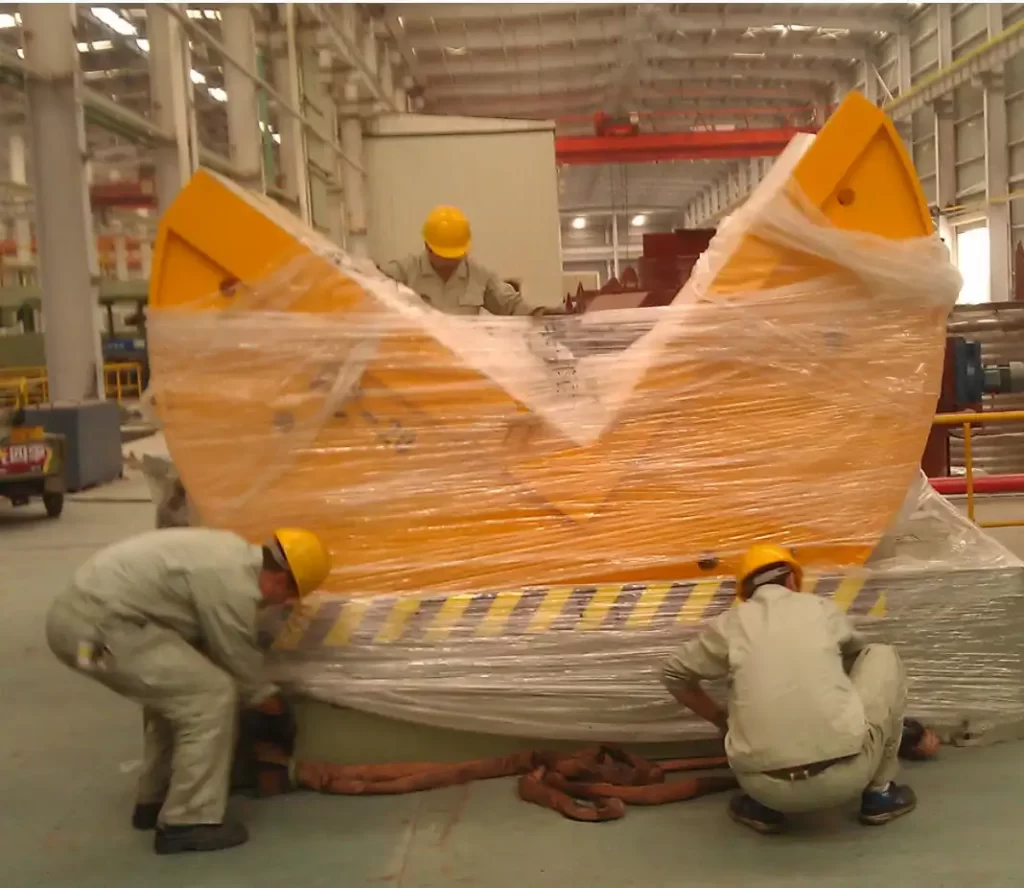
Safety is not just a buzzword. It is the foundation of any good factory. In the U.S., the Occupational Safety and Health Administration (OSHA) sets strict rules. These rules protect workers. When we design upenders, safety comes first. We build features that go beyond basic compliance. We think about real-world use. We think about tired workers and fast-paced lines.
One key area is fall protection. Upenders lift heavy objects. These objects can weigh many tons. If an object falls, it causes huge damage. It also harms workers. So, our upenders use strong clamps and cradles. These hold the load securely. They also have sensors. These sensors check if the load is in the right place. If not, the machine stops. This prevents drops.
Another critical part is lockout/tagout. This protects workers during maintenance. An upender can move with great force. If someone works on it while it is powered, it is very dangerous. Our upenders have clear lockout points. These make sure power is off before maintenance begins. This protects the technicians.
We also focus on preventing pinch points. Upenders have moving parts. These parts can crush hands or feet. We design covers and guards for all pinch points. We use light curtains. These stop the machine if a worker gets too close. These simple things save lives.
Consider the electrical safety. All wiring must follow U.S. electrical codes, like NFPA 70 (National Electrical Code). Our systems use proper grounding. They have circuit breakers. They prevent electrical shocks. This makes the machine safe for operators and maintenance staff.
Lastly, training is important. A safe machine needs a safe operator. We provide clear manuals. We can offer on-site training. This ensures your team knows how to use the upender safely. They learn about daily checks. They learn about emergency procedures. This holistic approach makes sure that the upender is not just a piece of equipment but a full safety solution. It reduces accidents. It lowers your insurance costs. It creates a better work environment. This helps your factory keep running smoothly and safely. My own experience building factories taught me that safety protocols must be practical and easy to follow. A complicated safety system often fails in a busy factory. Simple, clear safety features are always best.
Can Custom Upenders Integrate Seamlessly with Existing Production Lines?
Is your factory struggling with bottlenecks at the end of the production line? Do manual packing and handling slow down your entire output, costing you valuable time and money? This common issue stops growth. It wastes resources.
Custom upenders integrate seamlessly by offering tailored control systems (PLC/HMI compatibility), specific conveyor interfaces (roller, chain), and adaptable cycle times. They work with existing sensors and software, ensuring a smooth flow of materials. This removes bottlenecks. It also boosts overall line efficiency.
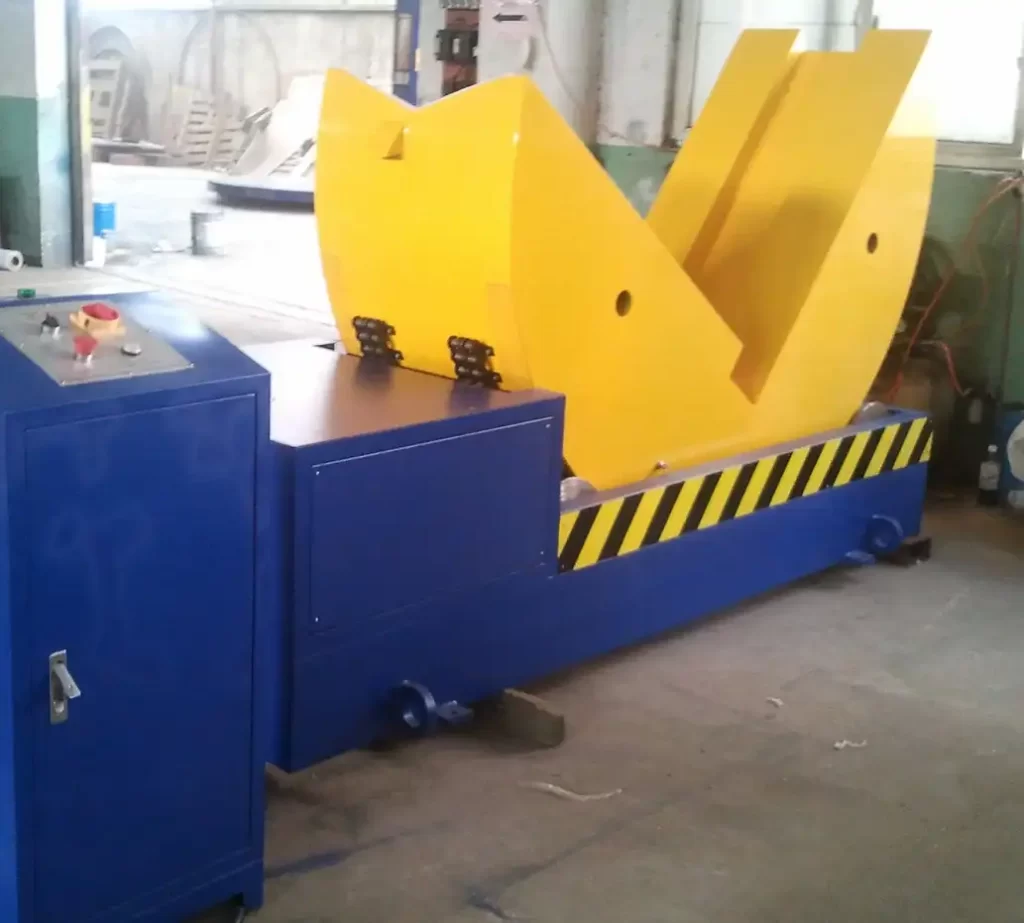
Integrating new machinery into an old line is often tricky. It is like fitting a new puzzle piece into an existing picture. The piece must fit perfectly. Otherwise, the whole picture looks wrong. For upenders, “seamless integration” means the machine talks to other machines. It moves material at the right speed. It does not create new problems.
First, let us talk about control systems. Most U.S. factories use Programmable Logic Controllers (PLCs) and Human-Machine Interfaces (HMIs). These are the brains and faces of the machines. A custom upender must speak the same language. This means it needs a PLC that is compatible with your factory’s main system. It also needs an HMI that is easy for your workers to understand. We make sure our upenders use common PLC brands like Siemens or Allen-Bradley. This ensures smooth communication. It also makes troubleshooting easier.
Next, consider the physical interface. How does the coil or mold get onto the upender? How does it leave? This often involves conveyors. Your factory might have roller conveyors. It might have chain conveyors. It might even have automated guided vehicles (AGVs). A custom upender needs the right interface. This could mean an extended infeed/outfeed table. It could mean integrated pop-up rollers. It could mean specialized transfer mechanisms. We design these to match your current setup. This prevents damage during transfers. It also keeps the material moving.
Cycle time is another big factor. Your production line has a certain rhythm. Each step takes a specific amount of time. The upender must match this rhythm. If it is too slow, it creates a bottleneck. If it is too fast, it can cause pile-ups. We customize the upender’s speed and movement. We match it to your line’s pace. This ensures a steady flow of product. It optimizes throughput.
Think about data exchange. Modern factories use data to make smart decisions. An upender can share data. It can tell you how many items it has processed. It can tell you its uptime. This data helps you track performance. It helps you find areas for improvement. Our upenders can connect to your factory’s data network. They send real-time information. This helps you manage your operations better. From my own experience, I know that a machine is only as good as its ability to fit into the bigger picture. A stand-alone perfect machine that disrupts the flow is a bad investment. The best machines work quietly, unseen, helping the whole line run better.
What Durability Features Do U.S. Industries Expect from Upenders?
Are you tired of equipment breaking down under the strain of your factory’s harsh environment? Does constant maintenance and unexpected downtime eat into your profits and delay your deliveries? This problem is common in heavy industries. It is a major drain on resources.
U.S. industries expect upenders to feature heavy-duty steel frames, oversized bearings, robust hydraulic or electric systems, and high-quality wear plates. They also need industrial-grade paint coatings and sealed components to resist dust, moisture, and impact. These features ensure long life and continuous operation.

Factories in the U.S., especially in steel or heavy manufacturing, are tough places. They have dust. They have grit. They have heavy impacts. Equipment needs to withstand this abuse. It needs to last. When we talk about “durability,” we mean equipment that keeps working, day in and day out, without fail. Michael, you need equipment that can handle your demanding environment.
A key part of durability is the structural design. Our upenders use heavy-gauge steel. We use welded construction. This creates a very strong frame. This frame can handle the weight of large coils or molds. It can also handle the dynamic forces of tipping. We do not cut corners on material thickness. We also use stress analysis. This makes sure the frame is strong where it needs to be strongest.
Bearings are another critical component. These allow parts to move smoothly. In a tough environment, bearings can fail fast. We use oversized, heavy-duty bearings. These are designed for high loads and continuous use. We also use sealed bearings. These keep out dust and moisture. This extends their life. It reduces the need for frequent lubrication.
The power system, whether hydraulic or electric, must also be robust. For hydraulic systems, we use industrial-grade pumps and cylinders. We use high-pressure hoses. These resist leaks and bursts. For electric systems, we use high-torque motors. We use rugged gearboxes. These are designed for continuous duty cycles. All electrical components are rated for industrial use. They can handle voltage fluctuations. They can handle temperature changes.
Wear plates are also important. These are parts that rub against each other. Over time, they wear down. We use special abrasion-resistant materials for these plates. This makes them last longer. It also means they can be replaced easily. This extends the overall life of the upender. It reduces maintenance costs.
Finally, consider the protection against the environment. Factories have dust, oil, and sometimes water. Our upenders have industrial-grade paint coatings. These resist corrosion. All sensitive components, like sensors and electrical boxes, are sealed. They have high IP ratings. This protects them from dust and moisture. This attention to detail ensures the upender performs reliably. It reduces unexpected breakdowns. It maximizes your uptime. It directly impacts your bottom line. My own journey from employee to factory owner taught me that buying cheap equipment is expensive in the long run. Investing in durable machinery pays for itself many times over.
How Do Upender Customizations Drive Clear ROI for U.S. Factories?
Are you looking to invest in new equipment but need a clear return on investment? Does the thought of capital expenditure without guaranteed savings make you hesitate? Many factory managers face this challenge. They need to justify every purchase.
Upender customizations drive clear ROI by reducing labor costs through automation, minimizing product damage during handling, and increasing production speed. They also lower insurance costs by improving safety and extend equipment life, leading to lower long-term maintenance expenses. This creates measurable financial benefits.
Every investment in a factory must make financial sense. It is not about buying the newest machine. It is about buying the right machine. This machine must solve problems. It must save money. It must increase profit. Upender customization directly impacts your return on investment (ROI). It provides clear financial benefits.
One major area is labor cost reduction. Many factories still use manual methods to flip or move heavy materials. This often needs several workers. It is slow. It is risky. An automated upender replaces much of this manual labor. One operator can manage the upender. This frees up other workers for different tasks. This reduces your direct labor costs. Over time, these savings are huge.
Product damage is another big drain on profits. When heavy coils or molds are handled manually, mistakes happen. Edges get dented. Surfaces get scratched. This leads to rejected products. It leads to customer complaints. It leads to lost revenue. A custom upender handles materials gently and precisely. It reduces product damage. This means more good products for sale. This directly increases your profit margins.
Increased production speed directly boosts revenue. Manual handling is slow. An upender can flip a coil in minutes. Manual methods can take much longer. By speeding up this process, the upender removes a bottleneck. It allows your entire production line to run faster. You can produce more goods in the same amount of time. This means more sales. This means more money for your business.
Lower insurance costs come from improved safety. As discussed, upenders greatly reduce the risk of worker injury. Fewer injuries mean fewer workers’ compensation claims. This leads to lower insurance premiums. It also reduces lost workdays. This contributes to a healthier bottom line. My own factory learned this lesson. Safe operations are profitable operations.
Finally, extended equipment life and lower maintenance costs add to the ROI. A custom-built upender, designed for your specific needs, lasts longer. It breaks down less often. This means less money spent on repairs. It means less downtime. This keeps your production running. It protects your initial investment. When you combine all these factors – reduced labor, less waste, faster output, lower insurance, and less maintenance – the ROI becomes very clear. It is not just about a machine. It is about smart business.
My Insights from the Factory Floor: What Truly Matters?
Are you overwhelmed by choices when looking for new equipment? Do you wonder if suppliers truly understand your factory’s unique challenges, or if they just want to sell a machine? This feeling of distrust is common. It makes big decisions even harder.
From my factory floor experience, what truly matters when choosing an upender is not just the machine itself but the partner behind it. It is about understanding your specific operational bottlenecks, ensuring the solution enhances safety without complexity, and confirming a clear, measurable return on investment tailored to your unique production environment.
Having started as an engineer and then built my own successful packing machine factory, I have seen it all. I have bought machines. I have sold machines. I have fixed machines. My journey in this industry taught me what really makes a difference. It is not always the fanciest new technology. It is often the practical, reliable solution.
When you look at an upender, yes, the technical specs matter. But what matters more is how that machine fits into your world. Michael, you told me about your challenges: slow manual processes, high injury risks, product damage, and past bad experiences with suppliers. These are real problems. A good upender, and a good supplier, should address these directly.
My biggest insight is this: a machine is a tool. A partner is a problem-solver. You do not just buy steel and hydraulics. You buy a solution to your production problems. This means the supplier must listen. They must ask questions. They must understand your line. They must know your pain points.
For example, when you talk about efficiency bottlenecks, I think about the entire flow. Where exactly does the upender fit? How does it interact with the machines before and after it? We need to make sure it speeds up the whole line, not just one small part. This requires deep operational understanding, not just product knowledge.
Regarding safety, I have always believed in building safety features that are intuitive. If safety features are too complex, workers might bypass them. Simple, effective safety measures are the best. They become part of the daily routine. They protect workers without slowing down production. This comes from practical experience, not just textbook theory.
The financial side, the ROI, is also critical. I achieved financial independence through this industry. I know what it means to run a business. Every dollar counts. So, when we talk about an upender, we talk about how it saves you money. We talk about how it increases your output. We provide clear data. We help you build a case for your investment. This is not just sales talk. It is about your success.
Finally, trust. You mentioned past bad experiences. I understand. Building a factory teaches you about reliability. It teaches you about promises kept. My company, FHOPEPACK, is built on giving back. It is about sharing knowledge. It is about being a partner you can count on. We are not just selling a machine. We are helping you improve your business. That is my philosophy. That is what truly matters.
Conclusion
Choosing the right custom upender means aligning features with U.S. standards for safety, integration, durability, and ROI. It is about finding a solution that transforms your operations and provides lasting value.








