
Which Coil Wrapping Machine Fits Thailand’s Copper and Wire Cable Industries Best?
Are you a factory manager in Thailand’s vibrant copper or wire cable sector? Do you feel the pressure of slow packing lines, safety risks for your workers, and the frustration of damaged products? I know these challenges well. For years, I faced them myself in the packing machine industry. These issues directly hit your production targets and bottom line. They demand a smart solution.
The best coil wrapping machine for Thailand’s copper and wire cable industries balances automation, safety, and efficiency with the specific needs of local production environments. This often means investing in robust orbital wrapping machines or integrated automatic packing lines that minimize manual handling, protect delicate materials, and ensure high throughput for various coil sizes and weights common in the region.
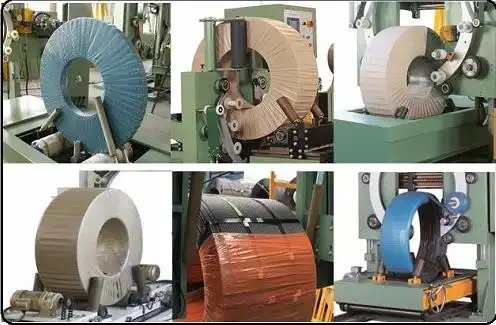
Finding the right packing machine is not just about buying equipment. It is about making a strategic investment that changes your factory’s operations for the better. This guide will walk you through what I have learned from my own journey, from the factory floor to building a successful packing machine business. We will explore how to pick a machine that truly masters your packing process and helps your business grow in Thailand.
1. What Specific Challenges Do Thailand’s Copper and Wire Industries Face?
Running a factory in Thailand’s copper and wire industries brings unique demands. You are always pushing to produce more and ship faster. But often, the packing process becomes a bottleneck. This slows everything down. Your manual methods might be struggling to keep up.
Factories in Thailand’s copper and wire industries commonly face challenges like slow manual packing, high risks of worker injury from heavy lifting, and frequent product damage to sensitive coil edges. These issues hurt overall efficiency and lead to financial losses. They also make it hard to meet tight delivery schedules.
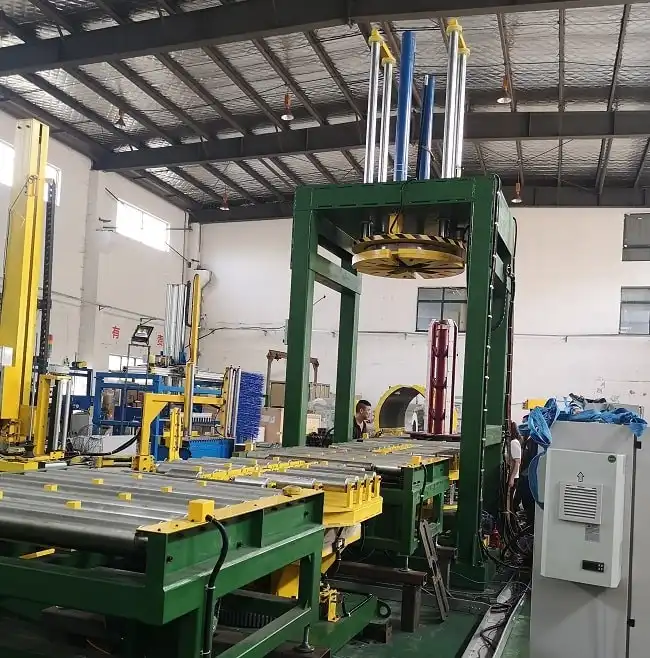
From my years in the packing machine business, I have seen these problems firsthand. I have helped many clients grow their businesses by tackling these very issues. In Thailand, many factories still rely on manual labor for packing. Workers handle heavy copper coils or large bundles of wire. This is not only slow, but it is also very dangerous. Think about the risk of back injuries or crushed hands. These accidents cost you money in insurance and lost workdays. They also lower morale.
Another big problem is product damage. Copper coils often have delicate edges. Wire cables can easily get scuffed or unspooled if not handled with care. When you move these products by hand, or with old equipment, damage happens. This leads to customer complaints. It means you have to rework products or absorb losses. This eats into your profits. I remember one client who was losing almost 5% of his product value just from packing-related damage. That is a huge amount of money over a year.
Furthermore, manual packing simply cannot keep up with modern production speeds. Your machines produce coils quickly, but your packing team struggles to catch up. This creates a bottleneck at the end of your line. It delays shipments. In today’s fast-paced market, delivery times are critical. Delays can mean lost contracts and unhappy customers. Factories in Thailand are also seeing increased labor costs. It is becoming harder to find skilled workers for manual packing tasks. Automation offers a way to reduce reliance on manual labor. It also lets you reassign workers to more valuable roles. Investing in the right machine solves many problems at once. It makes your operations safer, faster, and more profitable. It also ensures you maintain a good reputation with your customers.
Here are some common challenges summarized:
| Challenge Type | Impact on Business | Typical Manifestation in Thailand’s Industries |
|---|---|---|
| Efficiency Bottleneck | Slows production, delays delivery, increases lead times | Manual wrapping, insufficient machinery, slow changeovers |
| Safety Hazards | Worker injuries, high insurance, low morale | Heavy manual lifting, awkward movements, repetitive tasks |
| Product Loss | Customer complaints, rework, reduced profit margin | Scratched coil surfaces, damaged edges, unspooling |
| Labor Shortage/Cost | Difficulty finding staff, rising operational costs | High turnover for manual packing jobs, increased wages |
| Quality Control | Inconsistent packaging, poor presentation | Variability in wrap tension, uneven overlaps, poor sealing |
2. Which Types of Coil Wrapping Machines Can Solve These Problems?
Now that we understand the core challenges, let us look at the tools that can overcome them. There are many types of coil wrapping machines. Each one offers different levels of automation and protection. Choosing the right one directly impacts your factory’s ability to perform.
Orbital coil wrapping machines are highly effective for solving packing problems in Thailand’s copper and wire cable industries. These machines use a rotating ring to wrap film around the coil. They provide secure, consistent, and fast packaging. Other options include stretch wrappers for lighter items and specialized automatic packing lines for full automation, significantly reducing manual labor and improving safety.
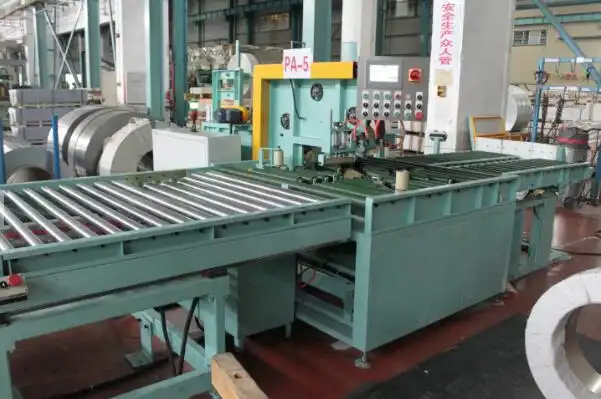
I have seen many factories transform their operations by picking the right machine. For copper and wire coils, the most common and effective solution is the orbital wrapping machine. This machine works by having a rotating ring pass the wrapping material (like stretch film or woven strap) through the center of the coil. The coil stays stationary or moves slowly on a conveyor. This ensures a tight, even wrap around the entire circumference. Orbital wrappers are fantastic for protecting the edges of coils. They prevent the kind of damage I mentioned earlier. They also offer high speeds. This drastically cuts down on packing time compared to manual methods. Many models can handle a wide range of coil sizes and weights, which is perfect for varied production lines.
Beyond orbital wrappers, you have other options. For smaller or lighter wire coils, a simple stretch wrapping machine might work. These machines typically wrap a coil placed on a turntable. They are less costly. But they may not offer the same level of edge protection or speed as an orbital wrapper. For operations needing ultimate automation, integrated automatic packing lines are the answer. These lines combine coiling, strapping, wrapping, and sometimes even weighing and labeling into one seamless system. They require very little human intervention. This eliminates almost all safety risks from manual handling. These systems are a bigger investment. However, they deliver the highest efficiency and consistency. They are ideal for high-volume production.
Choosing between these options depends on your specific needs. What are your coil dimensions? How much volume do you produce daily? What is your budget? More importantly, what are your long-term goals for automation and growth? When I started my packing machine factory, I learned that a good machine is not just about its features. It is about how it fits into your whole operation. It must solve your current problems and support your future plans. This is why understanding the different machine types is so important. You need to match the machine to your factory’s specific heartbeat.
Let us compare some common types suitable for copper and wire:
Types of Coil Wrapping Machines
| Machine Type | Best Suited For | Key Benefits | Considerations |
|---|---|---|---|
| Orbital Wrapping Machine | Medium to heavy copper/wire coils, varied sizes | Excellent edge protection, high speed, consistent wrap, reduced labor | Higher initial cost than manual, requires floor space |
| Stretch Wrapping Machine | Lighter coils, bundles of wire, lower volume | Cost-effective, simple operation | Less robust protection, slower for heavy coils |
| Automatic Integrated Line | High-volume production, diverse packing needs | Maximum automation, minimal labor, highest safety, integrated solutions | Significant investment, complex installation |
| Manual Wrapping Tools | Very low volume, unique shapes (not ideal for coils) | Low cost, flexible for very specific tasks | Slow, high labor cost, unsafe, inconsistent |
3. How Do You Choose the Best Machine for Your Factory’s Future Growth?
Deciding on a packing machine is a big decision. It is not just about finding a piece of equipment. It is about investing in your factory’s future. You want a machine that works today. You also need one that will grow with your business tomorrow. This means looking beyond the sticker price.
Choosing the best coil wrapping machine for future growth means prioritizing reliability, long-term operational efficiency, advanced safety features, and a clear return on investment (ROI). It also involves selecting a supplier who acts as a trusted partner, offering strong after-sales service and expert guidance. This ensures the machine not only solves current problems but also supports sustained business expansion.
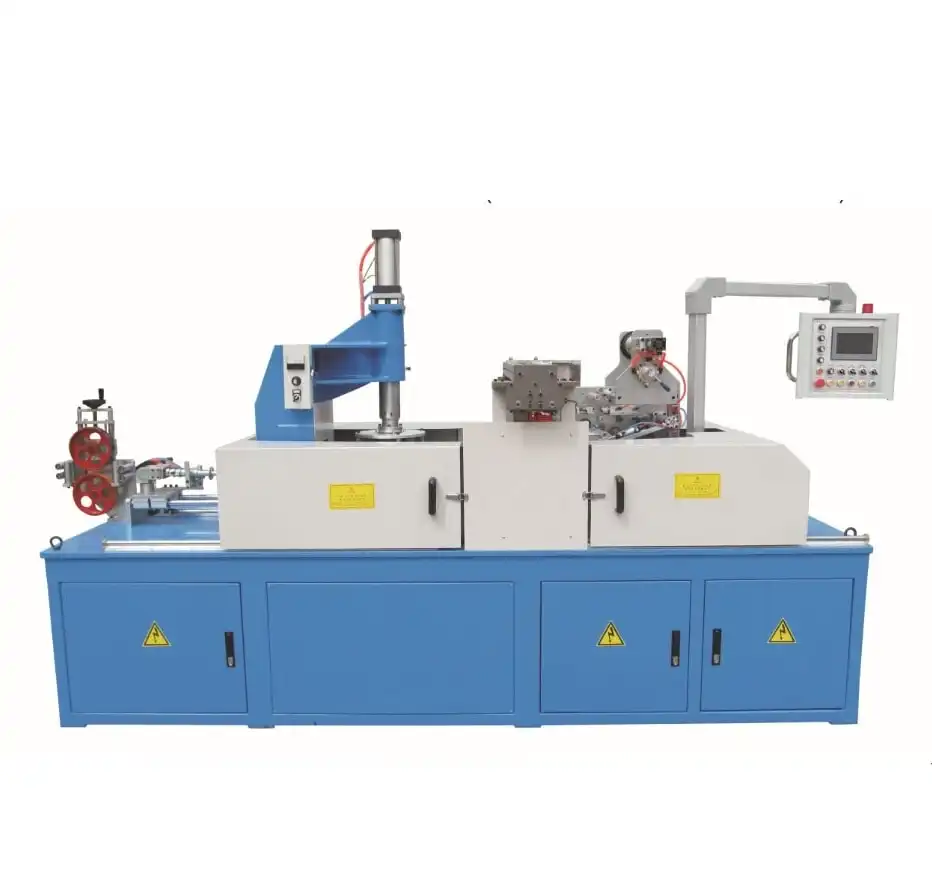
When I built my own packing machine factory, I learned that true value comes from reliability and partnership. Many times, I have seen factories buy cheap machines only to face constant breakdowns. This leads to more downtime, higher maintenance costs, and missed deadlines. A reliable machine, even if it costs more upfront, saves you money in the long run. It means less stress for you and your team. You need a machine built to withstand the tough conditions of a busy factory floor. This means strong construction, quality components, and good engineering.
Operational efficiency is another key factor. How fast does the machine work? How much energy does it use? How easy is it to change coil sizes or wrapping materials? These questions directly impact your daily costs. A truly efficient machine reduces your labor needs. It uses less power. It can adapt quickly to different production requirements. This flexibility is vital for any growing business.
Safety features are non-negotiable. With heavy coils and fast-moving parts, safety must be a top priority. Look for machines with proper guarding, emergency stop buttons, and safety sensors. A safer workplace protects your employees. It also reduces your liability and insurance costs. This is not just about compliance. It is about creating a better environment for everyone.
Finally, consider the return on investment (ROI). A good supplier should help you calculate how quickly the machine will pay for itself. This includes savings from reduced labor, less product damage, and increased output. My team and I always work with clients to show them this clear path to ROI. It helps them make informed decisions. Also, think about the supplier themselves. Have you dealt with suppliers who disappear after the sale? I have. It is frustrating. You need a partner who offers excellent after-sales service. This includes installation, training for your staff, and readily available spare parts. A strong partnership ensures your investment truly delivers. It means you have expert guidance whenever you need it. This commitment from a supplier is just as important as the machine itself. It guarantees peace of mind and long-term success.
Key Selection Criteria
| Factor | Why It Matters for Thailand’s Industries | What to Look For |
|---|---|---|
| Reliability & Durability | Minimizes costly downtime, ensures continuous operation in demanding environments. | Robust construction, reputable brand, high-quality components, proven track record. |
| Operational Efficiency | Reduces labor costs, increases throughput, lowers energy consumption, maximizes production capacity. | High wrapping speed, low power consumption, quick changeovers, user-friendly controls. |
| Safety Features | Protects workers, reduces injury risks, lowers insurance premiums, ensures compliance. | Full safety guarding, emergency stops, safety sensors, clear operational procedures. |
| Return on Investment (ROI) | Justifies the investment, ensures financial benefits, proves the value of automation. | Clear ROI calculations from the supplier, savings in labor, reduced material waste, increased productivity. |
| Supplier Support | Guarantees smooth installation, proper training, prompt maintenance, and readily available spare parts. | Comprehensive after-sales service, local technical support (if possible), availability of spare parts, strong warranty. |
| Adaptability | Handles various coil sizes/types, allows for future production expansion, integrates with existing lines. | Adjustable settings for different coil dimensions, modular design, compatibility with conveyor systems. |
4. What Steps Ensure Your New Wrapping Machine Delivers Real Value?
Buying a new coil wrapping machine is a big step. But the journey does not end there. For your investment to truly pay off, you need a clear plan for implementation. This ensures the machine seamlessly integrates into your factory. It also makes sure your team knows how to use it best.
To ensure a new coil wrapping machine delivers real value, focus on a smooth installation, comprehensive operator training, and a proactive maintenance schedule. It is also crucial to integrate the machine efficiently into your existing production line. Partnering with an experienced supplier for ongoing support helps maximize the machine’s performance, reduce potential issues, and secure a strong return on your investment in Thailand’s copper and wire industries.
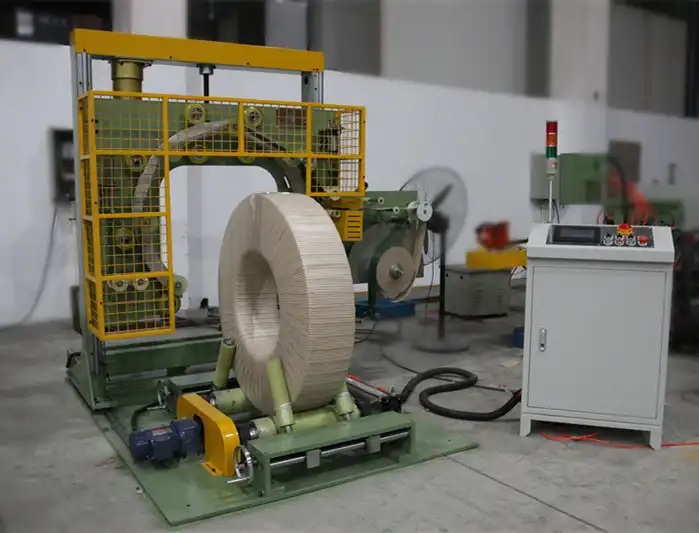
Dive deeper Paragraph: I have seen many factories make great purchases. But they sometimes fall short on the follow-through. This is where a good partner makes all the difference. When you get a new machine, the first step is proper installation. This might seem basic, but it is critical. The machine needs to be set up correctly to ensure safe operation and optimal performance. An experienced supplier will handle this. They will make sure it integrates well with your existing conveyor systems or production flow. This avoids new bottlenecks and ensures a smooth transition.
After installation, training is key. Your operators need to understand how to run the machine efficiently and safely. They should know how to change settings for different coil sizes. They also need to know how to troubleshoot minor issues. A good training program empowers your team. It reduces reliance on external support for everyday operations. I always make sure our clients get thorough training. It helps them get the most out of their investment from day one. This also builds confidence within your workforce. They will feel more secure and capable with the new technology.
Maintenance is another crucial aspect. Even the best machines need regular care. A clear maintenance schedule helps prevent breakdowns. It extends the life of your machine. Your supplier should provide a detailed maintenance guide. They should also offer a spare parts list. Having easy access to spare parts is very important. Delays in getting parts can lead to costly downtime. Remember, a machine that is not running is not earning you money. Setting up a strong preventative maintenance plan from the start will save you a lot of headaches and money in the long run.
Finally, think about how the machine fits into your overall production strategy. Is it just replacing a manual step? Or is it part of a bigger plan to automate your entire end-of-line process? Working with a supplier who understands your long-term goals is vital. They can offer insights on future upgrades or integrations. This professional guidance ensures your machine investment today helps build a stronger, more efficient factory for tomorrow. It is not just about a machine. It is about a partnership for growth.
Steps to Maximize Your Machine Investment
| Step | Description | Expected Outcome |
|---|---|---|
| Professional Installation | Ensure the machine is correctly set up, calibrated, and integrated into your production line by experts. | Optimal performance, safe operation, seamless integration with existing systems, avoided initial errors. |
| Comprehensive Training | Provide hands-on training for operators and maintenance staff on machine operation, safety, and basic troubleshooting. | Empowered workforce, reduced operational errors, increased efficiency, minimized need for external support for minor issues. |
| Proactive Maintenance Plan | Implement a regular schedule for inspections, lubrication, and parts replacement to prevent breakdowns. | Extended machine lifespan, reduced unexpected downtime, lower long-term repair costs, consistent operation. |
| Performance Monitoring | Track key metrics like wrapping speed, material usage, and uptime to identify areas for optimization. | Data-driven improvements, identification of bottlenecks, continuous enhancement of operational efficiency. |
| Ongoing Supplier Support | Maintain a relationship with your supplier for technical assistance, spare parts, and future upgrades. | Quick resolution of issues, access to expert advice, potential for machine upgrades and adaptation to new needs. |
Conclusion
Choosing the right coil wrapping machine for Thailand’s copper and wire industries means understanding your needs, evaluating machine types, and focusing on reliable partnerships. It is an investment in your factory’s safety, efficiency, and future growth.








