
Which Coil Wrapping Machine Balances Speed, Protection, and Cost in Vietnam?
The pressure to boost output, control costs, and keep workers safe is immense in today’s manufacturing world. I know this firsthand. When your coil and wire packing process slows down, or worse, causes damage or injury, it directly hits your bottom line. You are not alone if you feel the weight of these challenges.
Finding the right coil wrapping machine means looking at more than just the price tag. It means finding equipment that increases speed, provides superior protection for your products, and ultimately drives down your overall costs. The best machine for a factory in Vietnam—or anywhere else—is one that offers a clear return on investment by solving real-world production, safety, and efficiency problems, turning a potential bottleneck into a smooth, automated process.
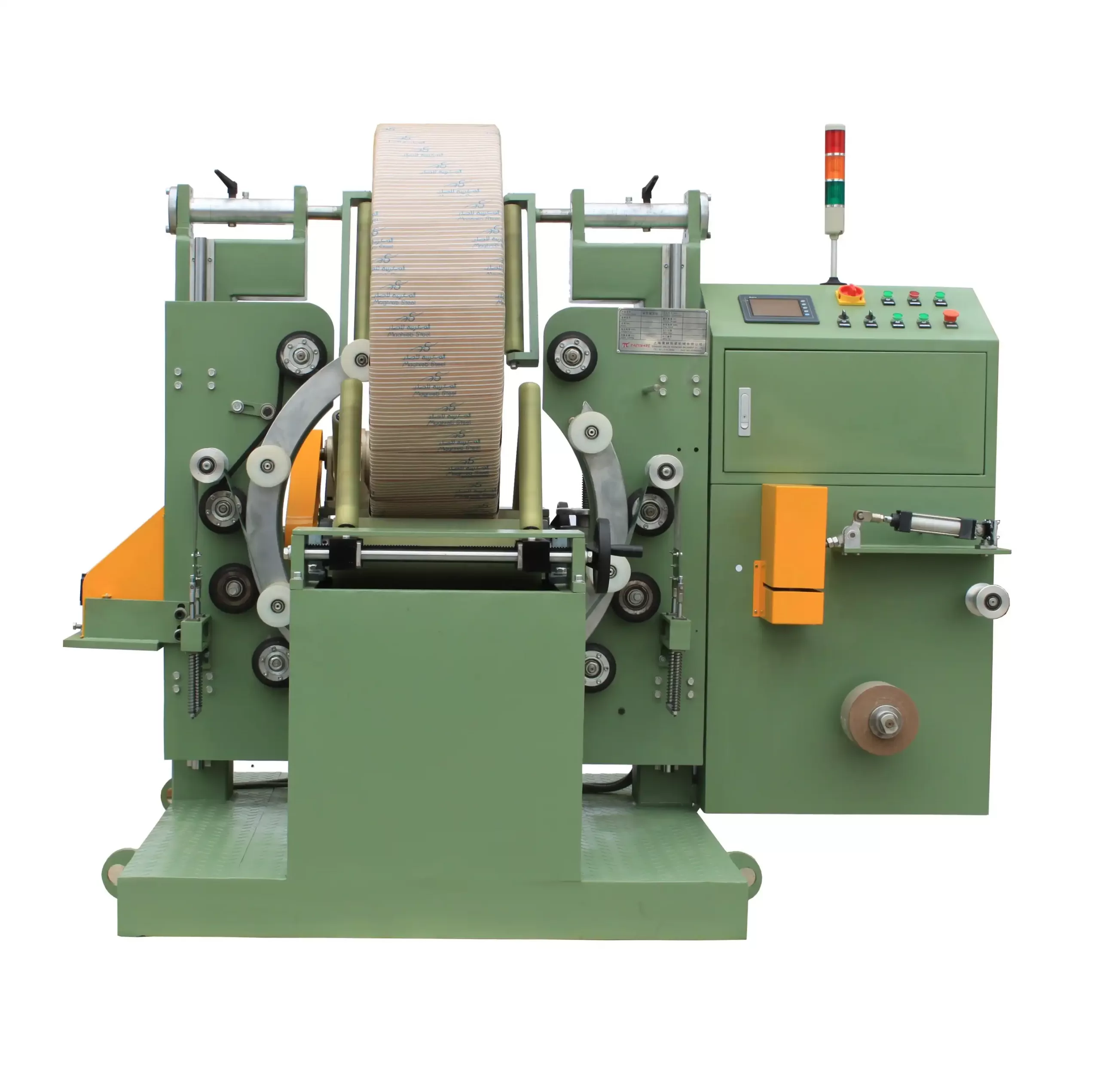
I started FHOPEPACK because I believe in sharing knowledge. My journey from a factory employee to owning a successful packing machine business taught me the true value of reliable equipment and smart solutions. Let me share my insights to help you navigate the choices for your coil packing needs.
1. What Challenges Do Vietnam’s Coil Manufacturers Face with Current Packing Methods?
Are you seeing your production line slow down at the very end, just before products ship? Do you worry about your workers’ safety when they handle heavy, awkward coils? Many factories face significant hurdles in their packing processes, turning what should be a straightforward step into a source of stress and loss.
Many coil manufacturers in Vietnam struggle with packing bottlenecks caused by manual processes, leading to slow output and delayed deliveries. They also face high risks of worker injury from manual handling of heavy coils, which drives up insurance costs and staff turnover. Additionally, product damage during packing or internal transport is a common issue, resulting in customer complaints and lost profits.
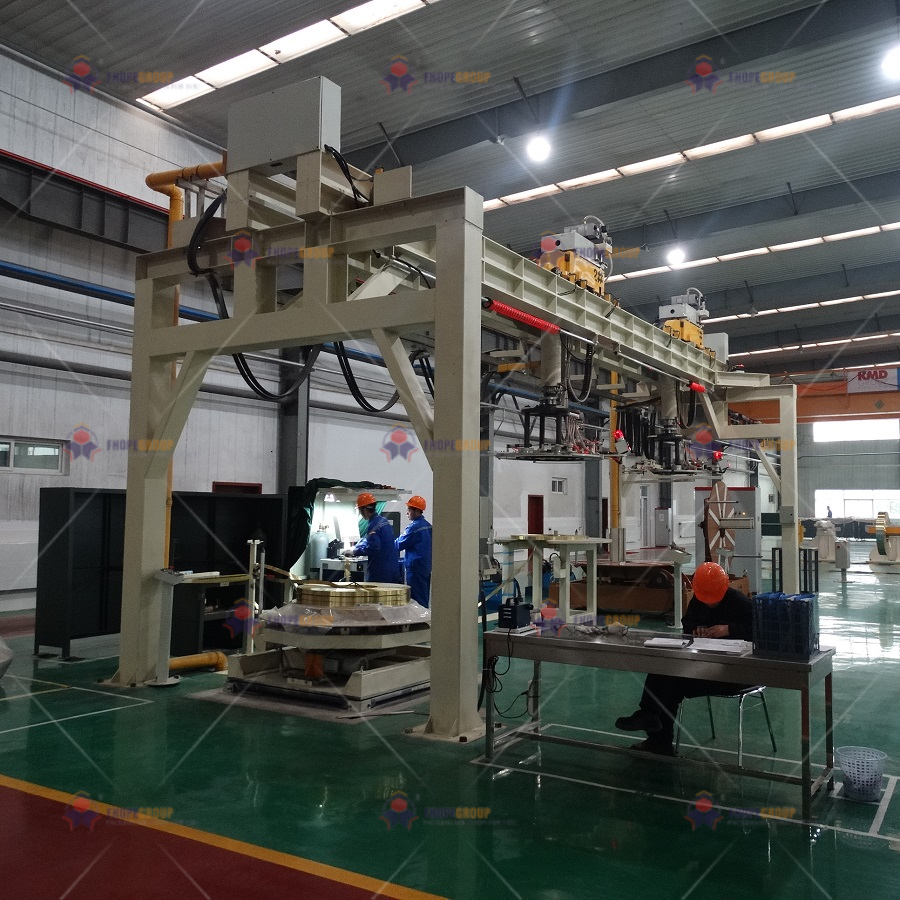
My own experience in the packing machine industry showed me these problems are not unique. I have seen clients wrestling with similar issues. Manual packing of heavy steel coils or wire bundles is slow. It takes many people, and it often cannot keep up with the speed of upstream production. This creates a bottleneck that stops the whole factory from running at its best. Beyond speed, safety is a huge concern. Moving heavy items by hand puts workers at risk of serious injury. This is not just a human cost. It also means higher insurance premiums and more sick days. Sometimes, skilled workers even leave the job because of these dangers. Then there is the problem of product damage. Coils can get scratched or dented, especially on their edges, during handling or packing. This leads to unhappy customers and direct financial losses. I have worked with factory managers who spent years dealing with these exact problems. They often tell me they need a partner who understands these issues, not just a seller who pushes machines. They want solutions that really work and solve their specific production, safety, and efficiency challenges. The goal is always the same: to reduce manual labor, increase output, protect workers, and deliver perfect products. This is where automation steps in. It solves these problems by taking the heavy, repetitive, and dangerous tasks away from people and giving them to machines. This not only makes the process faster and safer but also more consistent and reliable, leading to better product quality and fewer complaints from customers.
Common Packing Challenges in Coil Manufacturing
I have outlined these challenges in my discussions with many factory owners:
| Challenge Category | Specific Problem | Impact on Business |
|---|---|---|
| Efficiency | Slow manual packing of coils/wires | Production bottlenecks, delayed deliveries, reduced throughput |
| Safety | Manual handling of heavy products | High risk of worker injury, increased insurance costs, staff turnover |
| Product Quality | Damage to coil edges during handling/packing | Customer complaints, product returns, profit loss |
| Cost | High labor costs for manual packing operations | Reduced overall profitability, increased operational expenses |
| Trust | Unreliable suppliers with poor after-sales care | Hesitation to invest, long-term operational risks |
These issues highlight why choosing the right coil wrapping machine is a critical decision, especially in a growing market like Vietnam. It is not just about buying a machine; it is about investing in a solution that transforms your entire end-of-line process.
2. What Types of Coil Wrapping Machines are Available, and How Do They Differ?
Are you unsure which type of coil wrapping machine best fits your factory’s needs? The world of packing machines offers a variety of options, each designed for different coil sizes, weights, and production requirements. Understanding these differences is the first step toward making an informed decision.
Coil wrapping machines primarily come in horizontal and vertical configurations, each suitable for specific types of coils and factory layouts. Horizontal machines excel at wrapping larger, heavier coils laid flat, offering high stability and protection. Vertical machines are better for smaller, lighter coils, often allowing for more compact integration into production lines. Both types can range from semi-automatic to fully automatic, impacting speed, labor needs, and initial investment.
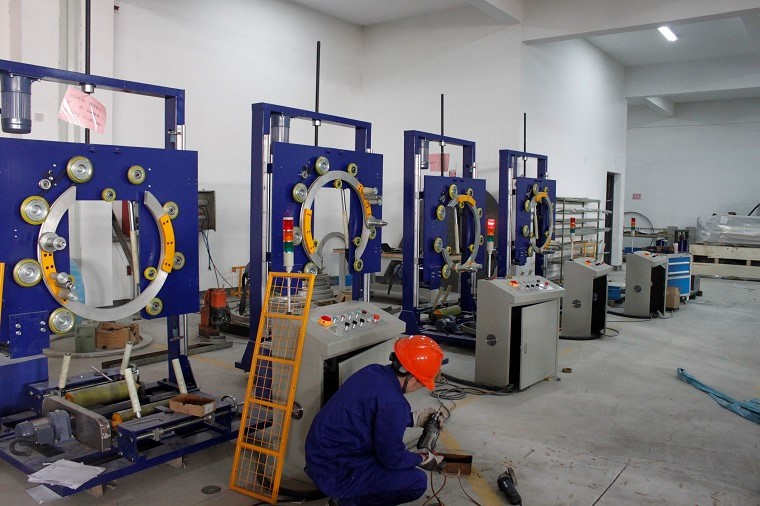
From my years designing and building packing machines, I can tell you that the core choice often boils down to horizontal versus vertical. When I first started in the industry, I saw many factories making the wrong choice simply because they did not fully understand the application. A horizontal coil wrapper is designed for coils that lie flat, with their eye horizontal. These machines are great for large, heavy steel coils, wire rods, or even pipes. They wrap the packaging material around the coil as it passes through a central ring. This method provides very stable wrapping. It ensures the entire outer surface of the coil gets covered evenly. On the other hand, a vertical coil wrapper handles coils that stand upright, with their eye vertical. These are often used for smaller, lighter coils, such as those made of copper, brass strips, or even certain types of plastic hoses. The machine rotates the coil on a turntable, while a dispenser applies the wrapping material vertically. This can be more space-efficient for some factory layouts. Beyond the orientation, machines also differ in their level of automation. Semi-automatic machines require an operator to load the coil, start the wrapping cycle, and unload the wrapped coil. Fully automatic systems, however, integrate seamlessly into a production line. They use conveyors and automatic loading/unloading mechanisms. This significantly reduces the need for human intervention. It boosts throughput and consistency. My goal at FHOPEPACK is to help you choose the right type. It needs to match your product, your desired production speed, and your factory’s specific space and budget. It is about more than just buying a machine. It is about finding the best fit for your unique operation.
Key Differences Between Coil Wrapping Machine Types
I have put together this comparison to highlight the main features:
-
Horizontal Coil Wrapping Machines
- Application: Ideal for large, heavy coils like steel, wire rod, pipe bundles.
- Coil Orientation: Eye-horizontal.
- Wrapping Method: Ring-style, material wraps around the coil as it passes through a rotating ring.
- Benefits: High stability during wrapping, excellent for heavy loads, even tension distribution.
- Footprint: Can require more linear space due to conveyor systems.
-
Vertical Coil Wrapping Machines
- Application: Suited for smaller, lighter coils like copper, brass strips, plastic hoses, cables.
- Coil Orientation: Eye-vertical.
- Wrapping Method: Turntable style, coil rotates on a platform while material is applied vertically.
- Benefits: Space-efficient footprint, easier integration into some existing lines, good for lighter products.
- Footprint: Often more compact.
Levels of Automation
Understanding automation levels is critical for matching the machine to your operational goals:
- Manual/Hand Wrapping:
- Description: Coils are wrapped by hand, using stretch film or other materials.
- Pros: Low initial cost.
- Cons: Very slow, high labor cost, inconsistent wrapping, high risk of injury, poor product protection.
- Semi-Automatic Coil Wrapping:
- Description: Machine performs the wrapping, but loading/unloading is manual.
- Pros: Reduces labor for wrapping itself, improves consistency, better protection than manual.
- Cons: Still requires operator intervention, potential for bottlenecks at loading/unloading, moderate speed.
- Fully Automatic Coil Wrapping Line:
- Description: Machine handles loading, wrapping, and unloading automatically, integrated with conveyors.
- Pros: Highest speed, minimal labor, maximum consistency, best product protection, highest safety.
- Cons: Higher initial investment, requires more complex integration.
Choosing between these options depends heavily on your current production volume, future growth plans, and budget. My advice is always to look at the long-term benefits and ROI, not just the upfront cost.
3. How Can a Coil Wrapping Machine Improve Packing Speed and Production Throughput?
Is your current packing process a bottleneck, slowing down your entire operation? Many factories struggle to keep up with production demands because their end-of-line packing cannot match the speed of manufacturing. This can lead to delays, increased costs, and frustrated customers.
A well-chosen coil wrapping machine significantly boosts packing speed and overall production throughput by automating repetitive tasks, reducing manual labor, and streamlining the packing cycle. Features like high-speed rotating rings, automatic film cutting and clamping, and seamless integration with existing conveyor systems allow for continuous operation, minimizing downtime and maximizing the number of coils processed per hour.
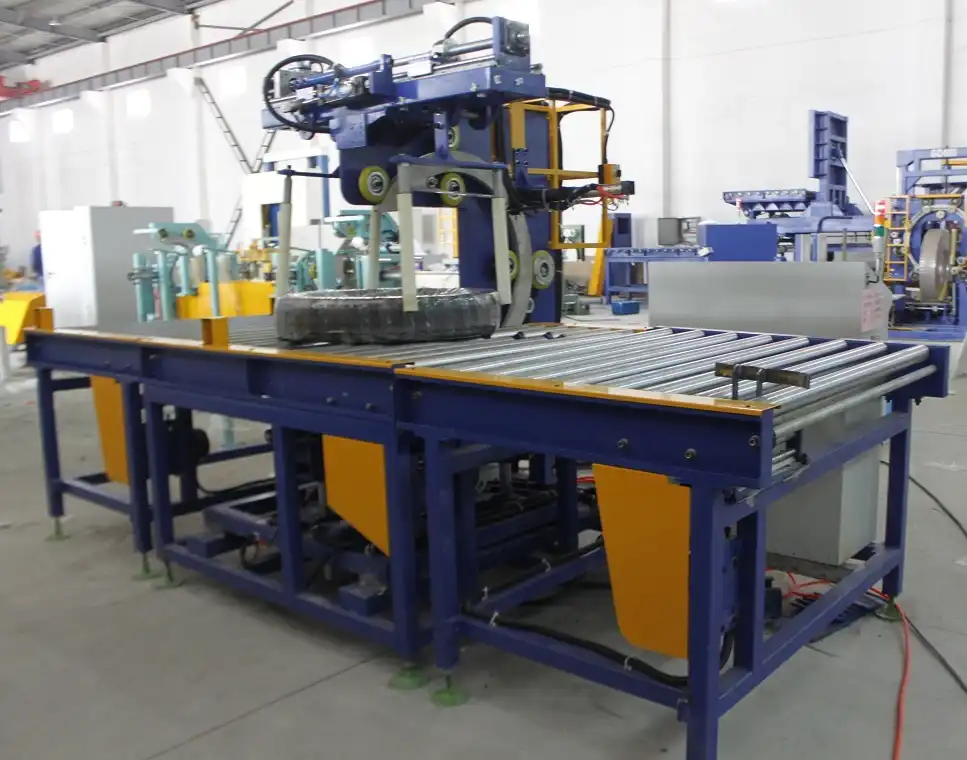
During my time running a packing machine factory, I learned that speed is not just about how fast a machine wraps. It is about how smoothly it fits into the entire production flow. Imagine a line that produces coils at a steady rate, but then they pile up at the packing station. This is a common scene I have witnessed. A manual or slow semi-automatic process simply cannot keep pace. That is where an automated coil wrapping machine makes a huge difference. These machines use high-speed wrapping rings that can complete multiple wraps in seconds. They do not get tired, and they do not slow down. Beyond the wrapping speed itself, automation offers critical features that contribute to overall throughput. For example, automatic film cutting and clamping systems eliminate the need for an operator to manually cut and attach the film for each coil. This saves precious seconds on every cycle. More advanced machines integrate directly with in-line conveyor systems. This means coils move from production, through wrapping, and onto storage or shipping without any manual handling. This continuous flow prevents bottlenecks. It reduces the time each coil spends waiting to be packed. I remember a client who initially hesitated about the investment. After implementing a fully automatic horizontal coil wrapper, their packing time per coil dropped by 70%. This allowed them to increase their daily output by almost 50% without adding more staff. This type of efficiency gain is what truly transforms a business. It frees up labor for more skilled tasks. It ensures that product moves through the factory quickly and efficiently.
Factors Influencing Wrapping Speed and Throughput
I have identified these critical factors that impact how fast your coils get packed:
- Machine Cycle Speed: This refers to how quickly the wrapping ring rotates and applies the film. High-speed models can perform more rotations per minute.
- Automation Level:
- Manual: Slowest, reliant on human speed and consistency.
- Semi-Automatic: Faster than manual, but still involves human interaction for loading/unloading.
- Fully Automatic: Fastest, minimal human interaction, continuous operation.
- Film Application Features:
- Automatic Film Clamping and Cutting: Eliminates manual steps, saving time on each cycle.
- Pre-stretch Units: Optimize film usage and application speed.
- Integration with Conveyor Systems: Seamless material flow from previous production stages to the wrapping machine and then to the next stage. This removes idle time.
- Coil Handling Speed: The efficiency of loading and unloading mechanisms also plays a major role. Faster, automated loading systems reduce the overall cycle time for each coil.
- Machine Reliability: A machine that frequently breaks down will negate any potential speed gains. Consistent, reliable operation is key to sustained high throughput.








