
What’s the ROI on an orbital stretch wrapper in Kazakhstan?
You run a busy factory. Every single day, you face the same old problems: slow production, workers lifting heavy, dangerous materials, and finished goods getting damaged before they even leave your door. These issues are not unique to one place. They happen in metal processing plants, steel mills, and logistics hubs all over the world, including right there in Kazakhstan. You know that these problems cost you time, money, and can even hurt your reputation. You are looking for a real solution, not just another piece of equipment.
An orbital stretch wrapper in a Kazakhstan heavy industry setting offers a strong Return on Investment by drastically cutting labor costs, improving worker safety, reducing product damage during transit, and speeding up end-of-line packaging by up to 300%. For businesses handling long or irregular products like steel coils, pipes, or timber, this automation can lead to a payback period as short as 12-24 months through increased operational efficiency and decreased operational expenses.
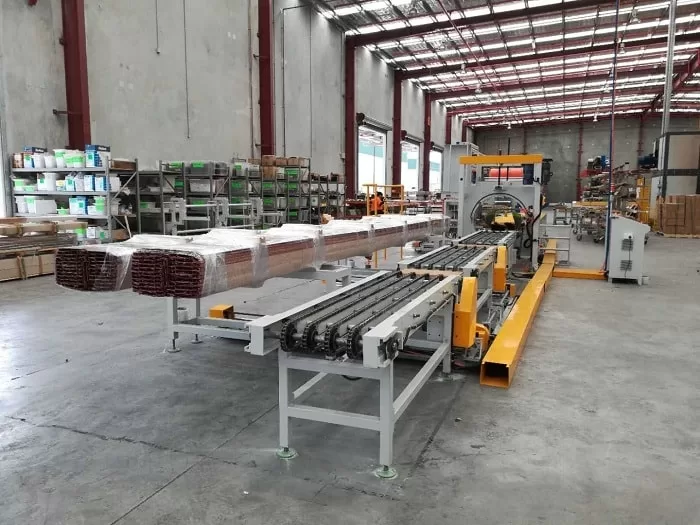
It is one thing to talk about ROI in general terms. It is quite another to see how a specific machine, like an orbital stretch wrapper, can truly transform your operations. If you are a factory manager in Kazakhstan, dealing with the daily grind of production bottlenecks and safety concerns, you are probably wondering how this technology can specifically help you. Let me share my insights from years in the packing machine industry, from the factory floor to building FHOPEPACK, and show you the real impact.
How Can an Orbital Stretch Wrapper Solve Kazakhstan’s Production Bottlenecks?
Your current packing line is probably struggling. Manual wrapping of heavy or awkward products like steel coils, pipes, or even timber bundles is slow and takes a lot of people. This bottleneck at the end of the line holds back your entire production, no matter how efficient your upstream processes are. Are you tired of seeing valuable production time wasted on inefficient packing?
An orbital stretch wrapper directly addresses production bottlenecks in Kazakhstan’s heavy industries by automating the wrapping process for bulky, long, or irregularly shaped goods, achieving significantly faster throughput than manual methods. This automation allows your factory to process a higher volume of products daily, ensuring that your packing line keeps pace with — or even surpasses — your manufacturing output, thus eliminating costly delays.

From my early days working on the factory floor, I saw firsthand how much time and effort went into packing. When I later started my own packing machine factory, I made sure efficiency was at the core of our designs. For factories in Kazakhstan, where raw materials are often heavy and production targets are high, speed is not just a luxury; it is a necessity. An orbital stretch wrapper wraps products horizontally, creating a tightly secured, all-around package that protects against dust, moisture, and handling damage. This is a game-changer for operations dealing with large volumes.
The Real Impact on Throughput and Efficiency 🚀
Consider a typical scenario in a metal processing plant. Without an orbital wrapper, you might have two or three workers spending 10-15 minutes manually wrapping a single steel coil. This involves moving around the coil, stretching the film, and securing it. It is labor-intensive and slow.
With an orbital stretch wrapper, this process is dramatically streamlined:
- Automated Wrapping Speed: The machine wraps the product in a fraction of the time. Depending on the product size and desired film layers, a coil can be wrapped in 1-3 minutes. This is a massive increase in speed.
- Continuous Flow: Many orbital wrappers can be integrated directly into a production line. This means products can move from the manufacturing stage straight into packing without any manual intervention for positioning or wrapping.
- Reduced Manual Labor: Instead of multiple workers actively wrapping, you only need one operator to monitor the machine and load/unload products, or sometimes even less if it’s fully integrated. This frees up valuable labor for other tasks within the factory.
Let’s look at a simple comparison table for a factory in Kazakhstan processing 50 coils per shift:
| Aspect | Manual Packing | Orbital Stretch Wrapper | Improvement |
|---|---|---|---|
| Workers Needed | 2-3 | 1 (monitoring) | 66-75% Reduction |
| Time per Coil | 10-15 minutes | 1-3 minutes | 70-80% Faster |
| Coils per Shift | ~20-30 (due to breaks, fatigue) | 50+ (consistent, non-stop operation) | 100%+ Increase |
| Consistency | Varies (human error) | High (machine precision) | Significantly Higher |
| Product Damage Risk | Medium to High (manual handling, inconsistent wrap) | Low (consistent wrap, less manual handling) | Substantial Decrease |
This table clearly shows that the ROI is not just a theoretical number. It is built on concrete improvements in throughput. When I started FHOPEPACK, my vision was to empower businesses with this kind of efficiency. I saw how automation allowed my own factory to scale up, and I know it can do the same for yours in Kazakhstan. It allows you to meet tight deadlines, increase your output, and ultimately take on more orders, driving growth for your business.
Is an Orbital Wrapper a Real Solution for Workplace Safety in Heavy Industry?
Heavy industrial environments, like those common in Kazakhstan, inherently come with risks. Manually handling heavy and bulky items, like steel coils or bundles of pipes, is one of the most dangerous tasks. Workers risk back injuries, crushed limbs, and other serious accidents every day. Are you constantly worried about employee safety and the rising costs of worker’s compensation and employee turnover?
Yes, an orbital stretch wrapper offers a critical solution for enhancing workplace safety in heavy industries by drastically minimizing manual handling of heavy and awkward products during the packing process. By automating the wrapping, it removes workers from direct contact with moving machinery and heavy items, thus significantly reducing the risk of strains, sprains, and more severe crushing injuries, leading to a safer work environment and fewer accident-related costs.

I have always believed that a successful factory is a safe factory. When I was an employee myself, I saw colleagues get hurt. Later, as a factory owner, I made safety a top priority. In places like Kazakhstan, where the sheer size and weight of materials are a constant challenge, investing in safety equipment is not just good for your workers; it is also good for your balance sheet. Injuries lead to lost work time, medical costs, insurance premium hikes, and a drop in team morale. An orbital wrapper directly tackles these issues.
Protecting Your Workforce and Your Bottom Line 🛡️
Let’s break down how an orbital stretch wrapper transforms safety protocols:
- Eliminates Manual Lifting and Moving: The most significant safety benefit comes from reducing the need for workers to manually lift, turn, or maneuver heavy products for wrapping. Products are typically fed into the machine via conveyors or forklifts, keeping human interaction to a minimum during the most dangerous phase.
- Reduced Repetitive Strain Injuries (RSIs): Manual wrapping involves repetitive motions that can lead to musculoskeletal disorders over time. Automation removes these repetitive tasks, protecting workers from long-term health issues.
- Controlled Environment: The machine operates in a designated, guarded area. This keeps workers safely away from the rotating ring and the product during the wrapping cycle. Safety sensors and emergency stops are standard features, adding another layer of protection.
- Consistent Wrap, Safer Loads: A consistently wrapped product is a more stable product. Poorly wrapped loads are prone to shifting or unwrapping during transport, creating hazards during loading, unloading, and transit. The orbital wrapper ensures a secure, tight wrap every time, reducing the risk of product spillage or collapse.
Consider the hidden costs of workplace injuries:
- Direct Costs: Medical expenses, worker’s compensation payments, legal fees.
- Indirect Costs: Lost productivity from the injured worker, lost productivity from other workers assisting or observing, training replacement workers, investigation time, damaged equipment/materials, decreased morale.
A single serious injury can cost a factory in Kazakhstan tens of thousands of dollars, or even more, not counting the human impact. By investing in an orbital stretch wrapper, you are not just buying a machine; you are investing in a safer, more sustainable work environment. When I decided to give back through FHOPEPACK, sharing insights like these was exactly what I had in mind. It is about understanding the full picture of factory operations and how the right equipment can bring benefits far beyond just packing.
What Are the True Cost Savings and Profit Gains from Automation?
You are under constant pressure to control costs and boost profitability. When you look at new equipment, you need to see a clear return on investment. The idea of automation sounds good, but what about the actual numbers? Are the savings significant enough to justify the upfront investment in an orbital stretch wrapper for your factory in Kazakhstan?
The true cost savings and profit gains from an orbital stretch wrapper in Kazakhstan stem from reduced labor expenses, significant decrease in product damage, lower material consumption, and increased operational throughput. By automating your packing, you cut down on wage bills, virtually eliminate costly product reworks and customer complaints, optimize film usage, and can handle more orders, directly boosting your factory’s bottom line and achieving a substantial ROI often within one to two years.
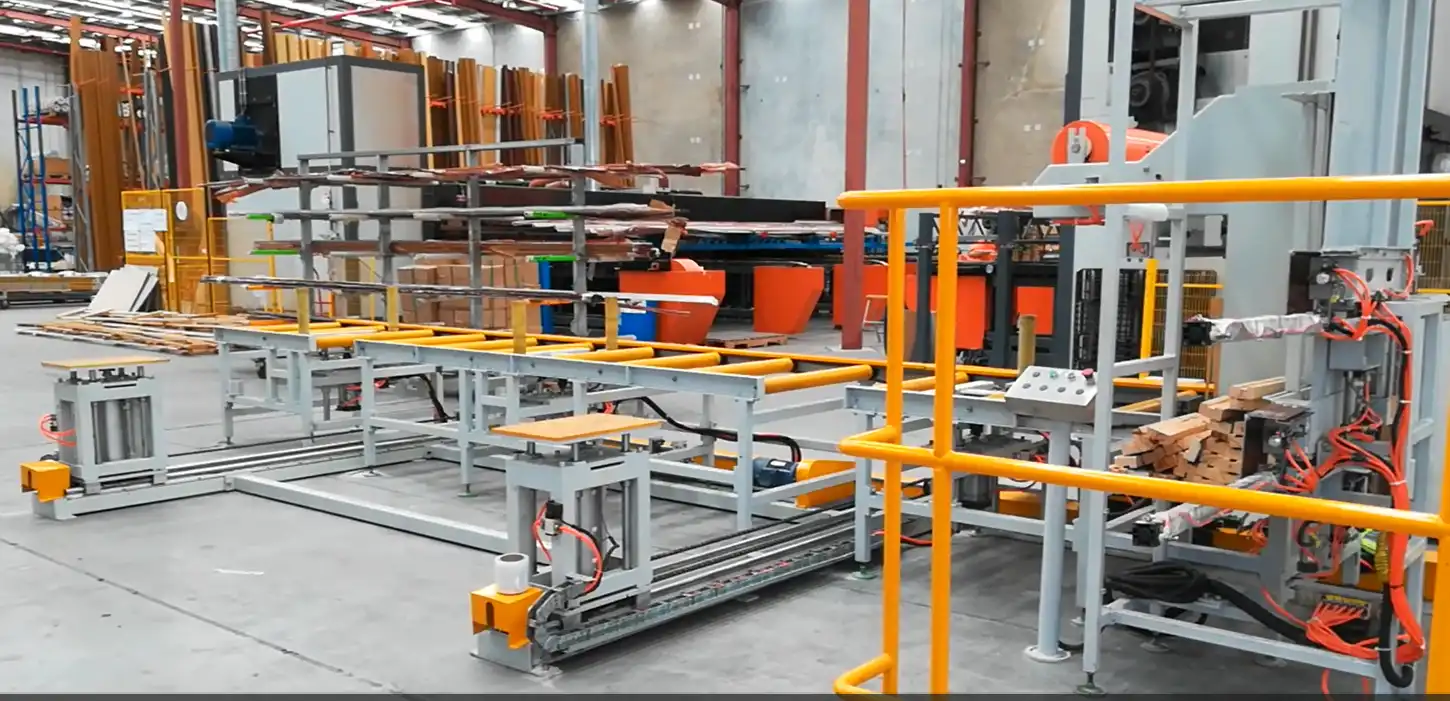
When I was building my own factory, every investment decision was critical. I had to ensure that new equipment would not just perform a task but would actively contribute to the company’s financial health. For me, it was always about understanding the long-term value. This is especially true for an orbital stretch wrapper in a demanding market like Kazakhstan. It is not just about replacing a person; it is about optimizing an entire process.
Dissecting the Financial Benefits: A Deeper Look at ROI 💰
Calculating the ROI for an orbital stretch wrapper involves looking at both direct and indirect savings, as well as revenue generation:
- Labor Cost Reduction:
- Direct Savings: As mentioned earlier, fewer workers are needed for the packing process. If you can reallocate these workers to other value-adding tasks or reduce your total labor force, this represents a direct payroll saving.
- Overtime Reduction: Faster packing means less need for overtime to meet production targets.
- Product Damage Prevention:
- Fewer Returns/Reworks: Damaged goods lead to customer complaints, returns, and the need for costly rework or scrap. A consistent, tight wrap from an orbital machine protects products like steel coils from edge damage, dust, moisture, and abrasion during handling and transport.
- Improved Customer Satisfaction: Fewer damaged goods mean happier customers and stronger business relationships, which can lead to repeat business and positive referrals.
- Material Optimization:
- Consistent Film Tension: Manual wrapping often leads to inconsistent film usage – too much in some areas, not enough in others. Orbital wrappers apply film with precise, consistent tension, often using less film to achieve a more secure wrap. This reduces film waste.
- Pre-stretch Capabilities: Many modern orbital wrappers include pre-stretch technology, which can stretch film up to 300% or more before applying it to the product. This means you get more mileage out of each roll of film, significantly lowering material costs.
- Increased Production Capacity & Revenue:
- Higher Throughput: By packing faster, your overall production capacity increases. This means you can manufacture and ship more products, leading to higher sales volumes and increased revenue.
- Meeting Demand: You are better equipped to meet fluctuating market demand and tight deadlines, giving you a competitive edge in Kazakhstan.








